Keeping Kids Healthy with Ayurveda

kids-yogaThe traditional medical view is that kids get sick with colds, flu and other common illnesses because their immune system is untested and they have not previously been exposed to viruses. When they do come in contact with viruses and upper respiratory infections, they easily succumb. Later in life, having developed a resistance to these diseases, they do not get sick as often.

Ayurveda has a different view: Children tend to stay healthy and maintain their health if they eat the right foods, get proper rest and have a good routine. This helps the child maintain his or her own resistance and immunity. Teachers have long observed that some children who exposed to viruses and colds never get sick, while other children seem to always pick up the latest bug. While to some extent this is due to the child’s “prakritia” (body type) and inherent resistance, proper rest, diet and routine can help maximize the possibility for children to avoid colds and flues.

In Ayurveda, each of the three doshas—vata, pitta and kapha—are responsible for the expression of various aspects of nature in the body. Kapha is more structural and is responsible for heaviness and solidity. And kapha is responsible for maintaining the structural aspects of the body—muscles, joints, tissues, etc, as well as lubrication.

During our early, growing years, as the physical structure of the body is forming, kapha dosha is more predominant than the other doshas. Kapha is slow, heavy, sticky, firm and strong. And its proper functioning is essential for the ever-strengthening physiology to grow. If kapha becomes imbalances, however, because of its heavy and sticky qualities, it can slow digestion and produce excess mucus in the body. This can lead to colds, ear infections, etc.

DIET

In determining the proper diet for children, Ayurveda takes into consideration the domination of kapha at this time. Excess sweets and cold drinks and food are difficult for the slow digestion of early childhood to handle. Unfortunately these are the very foods that children often ask for: candies, chocolates, pastries, ice cream, cold drinks, cheese and heavily processed foods. They are also the kinds of foods that are easily accessible for busy parents. It is no coincidence that holiday times, beginning with Halloween, Thanksgiving and following through Christmas and Hanukkah, are times when parents often see an increase in colds and sickness in children.

A vegetarian diet is ideal for a young child. It should include lots of fresh fruits and vegetables and can provide plenty of protein through a combination of grains, legumes, dairy and nuts.

Mild is healthy for most children, but Ayurveda cautions against serving milk cold. Boiling milk makes it easier to digest (for all ages).

Ideally the main meal should be at lunch, when digestion is stronger. Dinner should not include heavy foods such as cheese, yogurt or meat.

REST

According to Ayurveda, the more rested the physiology, the stronger the immune system will be. This is true for adults as well as kids. When children are tired from staying up late, they become more susceptible to colds and other respiratory illnesses. For greater strength and balanced physiological functioning, children under five should go to bed between 7:00 and 7:30 p.m. Children between the ages of five and eight should go to bed by 8:00 p.m. And children between the ages of eight and ten should be in bed by 8:30. This is far earlier than is generally practiced.

ROUTINE

Adopting an ideal Ayurvedic routine for your kids means getting up early in the morning, performing Ayurvedic oil massage before bathing, getting plenty of exercise and learning the Transcendental Meditation technique or the Transcendental Meditation Word of Wisdom for children under the age of ten. These techniques help promote well-being and happiness for a growing child.

Back in 1992 a study reported in The New England Journal of Medicine concluded that levels of stress—rather than exposure to a virus—determines which people catch colds. Providing children with a tool to relieve stress at an early age is a gift that will keep them in good stead for the rest of their lives.

Of course creating an ideal routine for children means parents creating and participating in that routine themselves. Children are very sensitive and impressionable. They absorb the influences around them. The close relationship between parents and children is reflected in the health of the entire family. Parents must take care of themselves in order to provide maximum care and guidance for their children.

A family consultation with an Ayurveda expert can help parents develop an ideal diet, routines and guidelines their children — and for the entire family. For more information on scheduling a consultation, visit The Raj Ayurveda Health Spa:

www.theraj.com


( Picture of kids doing yoga. Source: Google Advance Image Search.
Creative Commons. The image is used under the terms of Googles Creative Commons rules:http://creativecommons.org/licenses/by/2.0/deed.en. This photograph and credit do not constitute an endorsement of this blog or products mentioned.)



Fight Obesity with….Broccoli? (Spinach and carrots and broccoli, oh my!)

Broccoli666A new study from the universities of Texas and Southern California revealed that spinach, broccoli and carrots seem to have a super power: merely eating 2 fist-full portions of leafy greens and certain vegetables with beta-carotene (like carrots) per day helped reduce body fat, lower the risk of liver disease, type 2 diabetes and other diseases.

The study targeted childhood obesity and its related health concerns. Even though the children in the study failed to eat the entire recommended daily allowance of nutritious vegetables, as stipulated by the US Department of Agriculture, the improvements to their health were still significant. This highlighted the fact that it was not the quantity of vegetables that provided the benefits as much as the kind of vegetable that was eaten.

The study found that even adding small amounts of green leafy vegetables and carrots—about quarter of a cup per day— led to improved insulin levels and a reduction in bad fats in the body.

“Bad fat’ refers to visceral fat, body fat that is stored within the abdominal cavity and is therefore stored around a number of important internal organs such as the liver, pancreas and intestines.

Visceral fat is also referred to as “active fat” because it can negatively affect how our hormones function. Bad fat can send the wrong signals to our brain about when and how much to eat. Storing higher amounts of visceral fat is associated with increased risks of a number of health problems including type 2 diabetes. For this reason, weight loss is an important health consideration.

Researchers in the study concluded that it is the type of vegetable that matters, noting that starchier vegetables, such as corn and potatoes, did not give the same positive effects.

Health-promoting cruciferous vegetables:

Arugula, bok choy, broccoli, brussels sprouts, cabbage, cauliflower, collard greens, daikon radish, horseradish, kale, kohlrabi, mustard greens, radish, rutabaga, turnip, watercress.

Health-promoting vegetables with beta-carotene:

Carrots, dark green leafy vegetables, cos or romaine lettuce, broccoli

It is important (especially at this time of year for those in colder climates) to point out that Ayurveda recommends cooking vegetables rather than eating vegetables raw. Eating raw vegetables can aggravate vata. While many worry that cooking vegetables will eliminate many vitamins and minerals, cooking helps us digest our food without expanding huge amounts of energy. Unless you have super digestive powers, you will actually end up getting more nutrients out of your food if you steam your vegetables until they are fork friendly.

In fact, cooked carrots, spinach, asparagus, cabbage, peppers, brussels sprouts and many other vegetables actually supply more antioxidants, such as carotenoids and ferulic acid, to the body than they do when raw. Another study, published in 2002 showed that cooking carrots increases their level of beta-carotene.

www.theraj.com


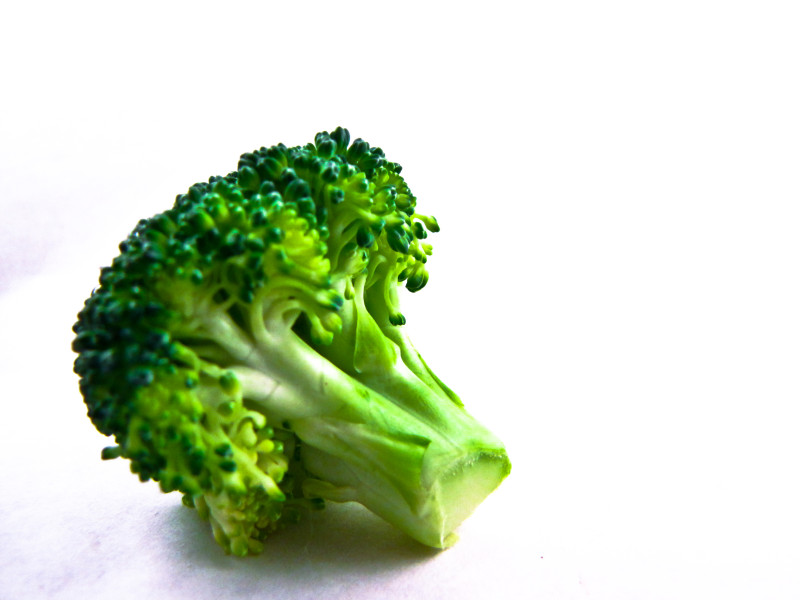
( Picture of broccoli. Source: Google Advance Image Search.
Creative Commons. The image is used under the terms of Googles Creative Commons rules:http://creativecommons.org/licenses/by/2.0/deed.en. This photograph and credit do not constitute an endorsement of this blog or products mentioned.)

Ayurveda Tips for Exercising in the Fall and Winter

nordic-skiingDuring the fall and early winter vata increases in our environment and within our own physiologies. Pacifying vata during this time is important for all body types because vata dosha can significantly affect both kapha and pitta doshas. Because one of the qualities of vata is movement, vata can move out of position, or out of balance, very quickly. Vata is usually the first dosha to become imbalanced. Vata imbalances are the most common causes of chronic disorders. If you are vata by nature or are prone to vata disturbances such insomnia, constipation, dry skin, and excess worry or anxiety, this is the season to be extra alert to activities, foods and other influences that increase vata.

Exercise is important and so is a winter exercise plan. Exercise affects bone density, muscle mass, aerobic capacity, strength and other key biomarkers of aging. According to the Charaka Samhita, the oldest, most complete and authoritative writing on Ayurveda, “From physical exercise, one gets lightness, a capacity for work, firmness, tolerance of difficulties, elimination of impurities, and stimulation of digestion.” It is important for all of us to stay active during the winter months.

Strenuous exercise, however, can increase the principle of vata in the body. While exercise such as jogging is generally fine for pitta and kapha types, vata types may suffer from the impact of such rigorous sports. A brisk walk is a better option. Cycling, cross-country or elliptical machines probably provide the best inside exercise. They give a good aerobic workout without harmful impact, and they work both the upper and lower body.

Combine cardio exercises with stretching exercises such as Yoga and Pilates, which are grounding and help develop strength and balance. Remember, qualities of vata include the words “irregular”, “moving”, “quick”, and “changeable”. Jumpy and erratic exercises, such as aerobic workouts, will increase these qualities in your physiology.

Avoid strain. Exercise should be joyful and make you feel energized. If you are feeling grumpy or tired after exercise, you need to ease up on the intensity.

The ideal time to exercise is after sunrise in the morning, when kapha dosha is lively.

If you do decide to exercise outside during the colder months, be sure to cover your head and ears and to stay protected from the wind and cold.

When you hydrate while exercising, always opt for warm or hot water. Carry a small thermos with you so that you do not have to drink cold water.

During this time of the year, healthy oils are your friends. Ghee, butter and olive oil help counter the drying effects of vata. Nuts are wonderful vata-pacifiers. Enjoy warm, heavy soups and stews. Avoid dry foods such as rice-cakes and cold cereals. Cooking oatmeal with apples and raisins is a wonderful and nourishing way to start the day.

The transitions from season to season put an extra strain on the body. This is the ideal time to visit an Ayurveda expert and get input regarding what your body needs to maintain balance and how best to address symptoms of imbalance.

The quality of vata which allows it to move easily out of position also allows it to move easily back into position. For this reason it is much better to address vata imbalances in their infancy, before they have gone on to influence pitta and kapha doshas—doshas whose imbalances are more difficult to correct.

For more information on consultations with Ayurveda experts, visit The Raj Ayurveda Health Spa:

www.theraj.com


( Picture of a woman skiing. Source: Google Advance Image Search.
Creative Commons. The image is used under the terms of Googles Creative Commons rules:http://creativecommons.org/licenses/by/2.0/deed.en. This photograph and credit do not constitute an endorsement of this blog or products mentioned.)

Taming Vata with Ayurveda

winter-290903_640As the temperature cools, many people find themselves bothered by vata disorders such as anxiety, tension, insomnia, constipation and aching joints. Vata dosha gets aggravated during cold, dry, windy weather because the nature of vata itself is dry, cold, light and active. To avoid the winter chills and to keep vata in check, try these recommendations:

1. Drink plenty of hot water. Sipping hot water frequently throughout the day will help you accomplish two things: pacify vata and dissolve ama, the sticky waste-product of improper digestion that can clog the channels of your body.

2. Favor hot drinks and meals. Opt for warm, heavy foods. Cold drinks and cold, light foods increase vata. Be sure to avoid ice-cold beverages and foods. Ice cream season is over.

sleep-13. Get more rest than usual. Because the nature of vata is active and restless, one the best ways to balance vata is to get extra sleep. With the sun rising later and setting earlier in the day, there are fewer hours of daylight. This is a signal from Nature to spend more time resting.

Remember that according to Ayurveda you gain a better quality of rest if you fall asleep before 10:00 p.m. and rise before 6:00 a.m. If you need more than eight hours of sleep, try going to bed earlier rather than sleeping in. Sleeping late in the morning can lead to blockages of the shrotas, the channels of the body through which the natural intelligence of the body flows. This can aggravate both vata and kapha and can throw off the biological rhythms of your body.

4. Exercise daily. Exercise increases circulation, improves your appetite and raises your body temperature. If it is too cold to go outside, go to the gym, use indoor equipment or exercise DVDs—or just dance around your house. Be careful not to overdo it, though. You should adjust the amount and intensity of exercise to fit your individual needs. If your level of exercise is such that you can not breath comfortably through your nose, you may be taxing your physiology and actually increasing vata.

5. Keep your head and ears covered when outside. Ears are one of the main seats of vata. Protecting your ears and head from the wind and cold will make being outside in winter a more healthful experience.

6. Do daily abhyanga (Ayurvedic oil massage). Abhyanga is especially soothing for vata dosha because your skin is a primary seat of vata.

7. Start increasing your portions of foods that are sweet, sour and salty, as these pacify vata dosha. Spicy, astringent and bitter foods increase vata.

8. Enjoy Panchakarma (Ayurvedic massage and detoxification therapies). Winter is a good time to schedule a week of treatment at The Raj. While the cold wind blows outside, you can stay warm and cozy, enjoying soothing, warm herbalized oil and relaxing massages. Also, undergoing Panchakarma before the holiday seasons can put in you the right frame of mind to enjoy the holidays without binge eating or straying from a healthful diet and routine.

For more information on Panchakarma, visit The Raj Ayurveda Health Spa site:

www.theraj.com


( Picture of Dry plant. Source: Google Advance Image Search.
Creative Commons. The image is used under the terms of Googles Creative Commons rules:http://creativecommons.org/licenses/by/2.0/deed.en. This photograph and credit do not constitute an endorsement of this blog or products mentioned.)


( Picture of a woman sleeping. Source: Google Advance Image Search.
Creative Commons. The image is used under the terms of Googles Creative Commons rules:http://creativecommons.org/licenses/by/2.0/deed.en. This photograph and credit do not constitute an endorsement of this blog or products mentioned.)

Three Ayurveda Tips to Detox Environmental Toxins

images-2As we observed last week, whatever we take in through our five senses gets transformed into our own physiology—in essence, we metabolize our environment. Even if we buy only organic food and prepare it freshly each day, it is almost impossible to completely escape toxic exposure from plastics, pesticides and additives to our water and household products. The air we breathe, the rains that falls, often even the furniture we sit on, are all full of harmful chemicals.

Dangerous compounds like insecticides, PCB’s, heavy metals, benzene, dioxin, phthalates, pesticides, DDT metabolites, flame retardants, styrene, xylene and dichlorobenzene have routinely been found in blood and stool samples, not just in the US, but around the world.

Back in 2005, the American Red Cross took samples of fetal cord blood from 10 newborns and found a shocking 287 chemicals inside the samples, including dioxins, phthalates, pesticides, Teflon byproducts, mercury, lead, flame retardants, DDT (a pesticide that was banned in the us over 25 years ago, and many others.

This toxic burden has a high cost in terms of our health: these chemicals can lead to cancer, infertility, weight gain, severe inflammation, accelerated aging, liver damage, and more.

What can we do?

Yearly Panchakarma treatments

A study on the traditional Ayurveda detoxification treatments (Panchakarma) given at The Raj Ayurveda Health Center was published in Alternative Therapies in Health and Medicine in its September/October 2002. It showed that a 5-day program greatly reduced the levels of 14 important lipophilic (fat-soluble) toxic and carcinogenic chemicals in the body, chemicals which would otherwise remain in the body for a very long time.

This study represents a great breakthrough, being the first ever to find significant reductions in these harmful toxins in a short period of time. Lipophilic toxicants can cause hormone disruption, immune system suppression, reproductive disorders, and several types of cancer. While other methods of detoxification can target water-soluble toxicants, no other method of detox offers a timely and viable solution to the removal of these pervasive, disease-causing chemicals.

Daily home oil massage with warm sesame oil or olive oil (depending on your body type) can help modify the build up of chemicals in the system.

Add Turmeric to Your Diet

Turmeric used predominantly in Indian cuisine, has dozens of health benefits, including acting as a powerful, all-natural anti-inflammatory agent. Your liver acts as a natural detoxifier. Turmeric can assist your liver’s enzymes in flushing out toxins from your body.

A poor functioning liver can make your feel lethargic as it is responsible for the elimination of drugs, pesticides, and environmental chemicals from your body.

In addition to helping you maintain a healthy functioning liver, research indicates curcumin, a chemical found in turmeric may help  inflammation. Turmeric has been shown to help relieve pain in those who suffer from rheumatoid arthritis and who have painful swelling in the knees. Many diseases, such as colon cancer and other types of cancer, are now being traced to inflammation.

Curcumin is fat-soluble. Taking the essential ingredients of turmeric in pill-form does not allow for the full absorbtion of turmeric’s healing properties. The best way to use turmeric is to use it in cooking. Once you heat oil and add turmeric to it, it becomes completely bio-available to you.

Eat Cruciferous Vegetables

Cruciferous vegetables contain a naturally occurring ingredient called 3,3′-Diindolylmethane or DIM for short. DIM is strongly anti-estrogenic, so it helps block xenoestrogens. Xenoestrogens are environmental toxins that mimic the effect of estrogen in cells, altering hormonal activity and creating estrogen dominant symptoms.

Xenoestrogens can lead to uterine fibroid tumors and fibrocystic breasts, glandular dysfunction, weight gain, inability to shed fat, hair loss and depression, lowered libido and impotency, to name just a few.

DIM not only wards of off bad estrogen, it also acts as an immunostimulant, naturally “boosting” your immune system —and research now indicates it had various potent cancer-fighting properties.GT0309_Grilled-Bok-Choy-Salad_s4x3

Make sure your daily diet includes broccoli, cauliflower, spinach, and cabbage, brussels sprouts, swiss chard, arugula, collard greens, bok choy, kale, or watercress.

DIM is also fat-soluble.  You can enhance the absorption of these health-promoting vegetables by eating them with olive oil, ghee or organic butter.

For more information on Panchakarma treatments, visit The Raj Ayurveda Health Spa website:

www.theraj.com


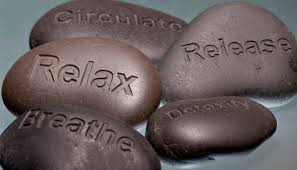
( Picture of inspirational rocks. Source: Google Advance Image Search.
Creative Commons. The image is used under the terms of Googles Creative Commons rules:http://creativecommons.org/licenses/by/2.0/deed.en. This photograph and credit do not constitute an endorsement of this blog or products mentioned.)

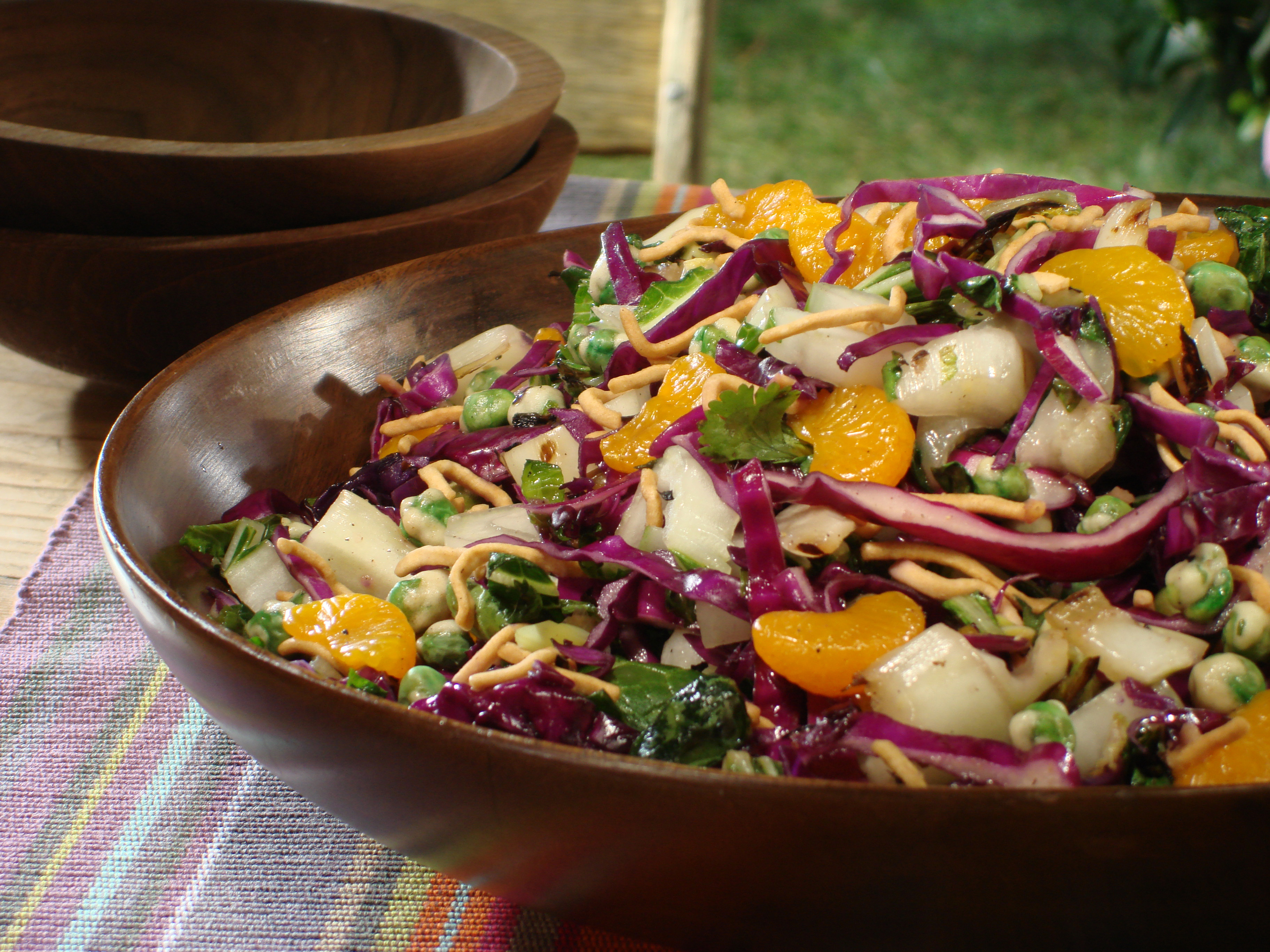
( Picture of bok choy salad. Source: Google Advance Image Search.
Creative Commons. The image is used under the terms of Googles Creative Commons rules:http://creativecommons.org/licenses/by/2.0/deed.en. This photograph and credit do not constitute an endorsement of this blog or products mentioned.)


Healthy Foods for Life: Ayurveda and Prana

images-1Recently I read an article about a man who lived on meal substitutes for a week. Since the packaging on many shakes and bars say the products are full of vitamins and provide all the benefits of a balanced diet, he wanted to see if he could swap them for real food. The results were startling. He felt weak after the first day. By the week’s end, he was miserable and felt shaky, weak, and headachy. His “good” cholesterol had reduced by 15%. While his physician explained his symptoms in terms of lowered phosphate levels and depleted glycogen stores, Ayurveda would note that he had taken in nothing to restore prana to his body. His entire weekly diet was “dead” and inert—completely lacking in life force.

According to Ayurveda, prana is the principle of energy responsible for giving life to and maintaining the body. Prana is the vital energy present in fresh vegetables and fruits and pure air that we breathe. Because one of the reasons for eating is to take in prana, we always want to choose foods that are high in this lively energy.

Whatever we take in through our five senses gets transformed into our own physiology. In essence, we metabolize our environment. Ayurveda emphasizes that along with fresh food,  pure water and clean air are vital for giving proper nutrition to the body.

Ideally the food we eat should be organic and should be eaten the same day that it is prepared. Processed food, overly refined flours and sugars, and frozen and canned foods (which are prepared long before the time of consumption) contain less vital qualities to nourish the body. They are also harder to digest.

Incorporating more fresh vegetables and fruits in your diet will give you an immediate energy boost. It is also important to cut your vegetables fresh at every meal. Buying pre-cut vegetables or cutting up vegetables days beforehand means that you will lose some of the food’s essential vitality.

Organic foods contain more prana than foods that have been polluted with chemical pesticides and fertilizers. If your body has to work hard to purify the chemicals every time you eat, you’ll feel fatigued. Plus, despite your body’s best efforts, toxins will build up in your system. (We’ll look into that more next week, along with tips for foods that can help you detox.)

Locally grown foods are higher in prana because they don’t have to be shipped or stored and can be bought tree-ripened. Locate the local farmers market near to your home and indentify the sellers there who grow organically. Obviously many climates prohibit buying fresh, local foods all year round, but during the months when they are available, these foods will provide optimal nourishment and energy. The ideal, of course, is to create your own organic garden in your backyard.

Next week I’ll look at other aspects of our environment that we “metabolize”, and at some of the simple steps we can take to ensure that we are nourishing ourselves to the very best of our ability. Remember we ingest all of life through our five senses: touch, taste, sight, sound, and smell. Good health is dependent on our ability to fully metabolize all aspects of life, assimilating what is nourishing and expelling or eliminating that which is not. Through bad choices or through environmental factors that are beyond our control, we can easily end up metabolizing impurities can create imbalances or ama (toxins)—which can then lead to the formation of chronic disorders.

Ayurveda offers the gift of wisdom of how to live in harmony with nature. Ayurveda also offers healing modalities and regular seasonal routines to help restore balance and vitality when it has become lost. For more information on the healing treatments of Ayurveda, visit The Raj, Ayurveda Health Spa:

www.theraj.com


( Picture of lime, pepper, strawberry, and flowers. Source: Google Advance Image Search.
Creative Commons. The image is used under the terms of Googles Creative Commons rules:http://creativecommons.org/licenses/by/2.0/deed.en. This photograph and credit do not constitute an endorsement of this blog or products mentioned.)
Panchakarma: Sublimely Effective Ayurveda Detox

The ultimate goal of all Ayurveda modalities is to restore balance to the level of biological intelligence in the body and allow the free flow of communication and circulation. This allows perfect coherence of the body’s innate healing mechanisms.

Ayurveda believes that the functioning of the body breaks down as impurities and toxins (caused by diet and poor digestion, stress, environmental toxins and other factors) accumulate in the cells and tissues. Over time these impurities begin to block various channels of the body (blood vessels, lymph circulation, capillaries, cellular pores, etc), limiting the flow of biological intelligence.

Panchakarma is one of the specialties of Ayurveda. Literally translated as “five actions”, Panchakarma is series of integrated procedures that, together, dislodge impurities from the tissues and cells and flush them from the body. This sequence of massage, heat treatments and internal cleansing helps to balance the doshas and allows for a more normalized flow of nutrients, blood, hormones, etc. Developed thousands of years ago to give long life to the the rulers of India, Panchakarma is the cornerstone of rejuvenation programs at The Raj Ayurveda Health Spa.

Panchakarma provides the ultimate mind-body healing experience. It restores the connection of any weak or diseased area of the body with the mechanisms of biological intelligence responsible for healing. Sounds intense? It is surprisingly luxurious and gentle, especially considering the profound results that this ancient detoxification treatment provides.

Studies on the effects of Panchakarma have shown reductions in cholesterol levels and a decreased risk of heart disease. Many doctors recommend PK to their patients as a follow-up to chemotherapy, once the patient has regained his or her strength. (The Raj Ayurveda Health Spa recommends allowing 6 months from the end of one’s chemotherapy treatments or radiation treatments before undergoing any Ayurvedic massages and therapies.) Guests have also reported relief from fatigue, depression, digestive disorders, and stress.

A study published in the Sept./Oct. 2002 issue of Alternative Therapies in Health and Medicine showed that a 5-day course of Panchakarma treatment decreased blood levels of fat-soluble toxins (such as DDE, PCBs and dioxins) by 50%. Western medicine offers no means of removing these harmful chemicals, which are associated with hormone disruption and immune system suppression.

Panchakarma treatments can be taken for as few as 3 and as many as 30 consecutive days. Participants always begin with a consultation with an Ayurvedic expert who then creates a customized program based on their individual levels of balance and imbalance.

Panchakarma uses three types of therapies:

1) The first group stimulates the release of toxins from the cells using various types of massage, many of which involve herbalized oil.

2) The second group uses heat to dilate the channels of the body, allowing the impurities that were loosened through oil massage to be drawn into the intestinal tracts.

3) The sequence ends with a gentle internal cleansing treatments consisting of either warm herbalized oil or water-based decoctions.1. Shiro#3

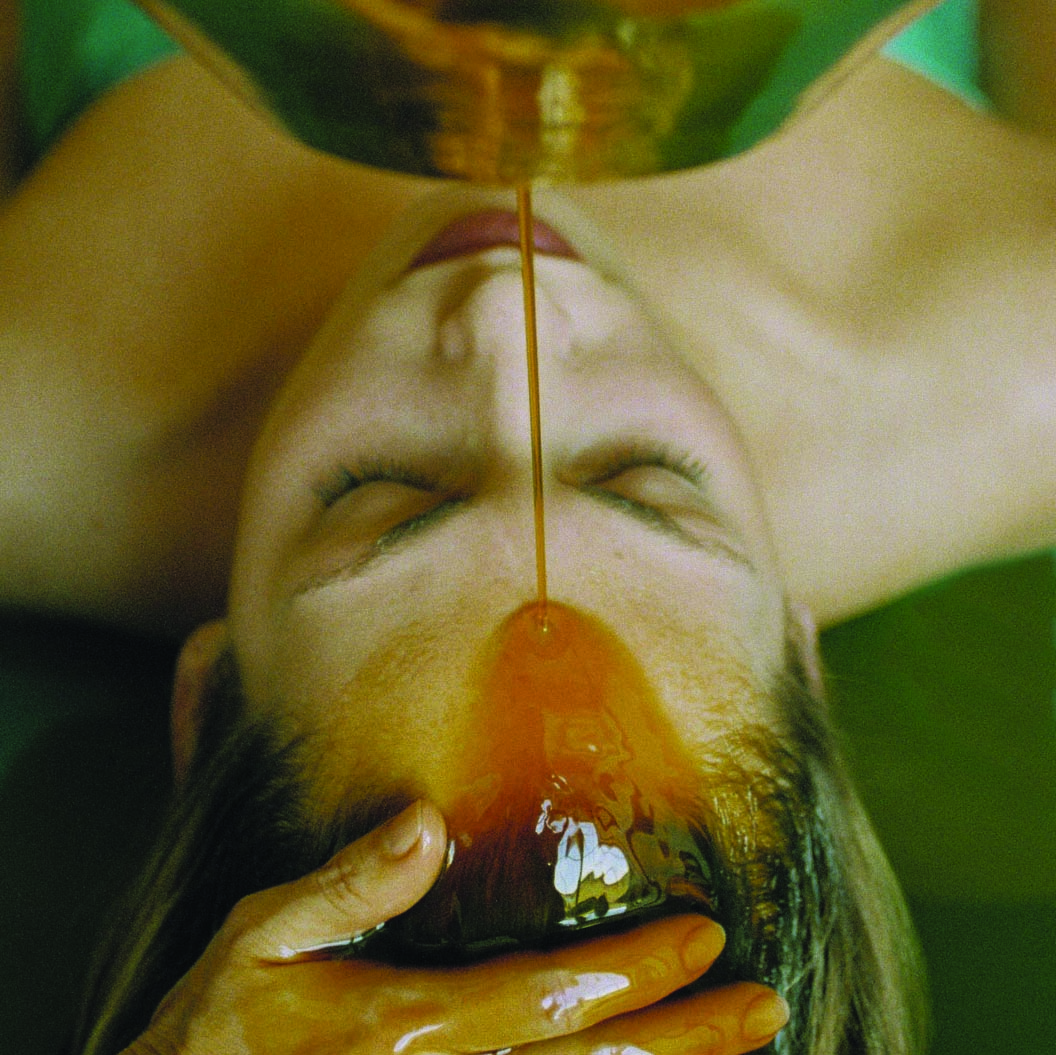
This sequence of treatment occurs every day. As an example, one day may start with an herbalized sesame oil massage followed by an herbalized steam treatment, ending with gentle elimination therapy. Another day may begin with a massage with warm rice and milk packs, followed by Shirodhara, the pouring of warm oil over the forehead, followed by elimination therapy. Treatments will vary from day to day, depending on one’s needs.

Never had detoxing felt so good! Sometimes it is hard to remember that behind the pampering there is a powerful restructuring of the physiology taking place. Even though I’m ready to take on the world after my treatments, it’s better to take it slow for a week or so after you return home, so the body has a chance to integrate all the changes.

For me, my yearly treatment is my opportunity to reset my diet and my daily habits. To make the most of your PK treatments, a low-fat, vegetarian diet is recommended starting one week before, and continuing through treatments. If I’ve gotten into any bad habits during the year (sugar, snacks, late nights on the computer) I emerge from my treatments with a new resolve. And the new state of balance in my physiology naturally helps to support that resolve.

I’ve managed to have Panchakarma treatments once a year for the last 25 years. It is like spring-cleaning for one’s house. I can’t imagine going without.

For more information on Panchakarma treatments, visit The Raj Ayurveda Health Spa website:

www.theraj.com


Ayurveda #1 Health Tip: Digestion, Digestion, Digestion!

Once again, I am writing about digestion. The reason this topic comes up over and over again is because, according to Ayurveda, it is vital to maintaining good health. If you aren’t digesting your food properly, 1) you aren’t getting needed nutrients and 2) you are creating toxins, or ama, as a result of partially digested food.

Lets look at these consequences a bit more closely:

1) Remember that even the best diet will not provide proper nutrition if our digestion is not doing its job. Not getting needed nutrients out of your food can result in a lack of strength, fatigue, slower problem solving ability and muscle response time, hypertension and more.

Poor nutrition can also set off a vicious cycle of poor eating habits. When the body is not getting what it needs to function properly, it gets “cravings”. It is easy for the intellect to mistakenly interpret these cravings and turn to a “quick fix”. Feeling lethargic, many opt for caffeine or sugar or carbohydrates (or a combination of all three.) These foods fail to give the body what it really needs, are difficult to digest and lead to more cravings.

2) Ayurveda believes that most disease and disorders stem from blockages to the free flow in intelligence in the body. When impurities build up in the various channels of the body (blood vessels, lymph circulation, cellular pores, etc),

These areas become cut off from biological intelligence and can become weak or diseased.

Improving Digestion with Ayurveda

So let’s get down to basics. How to restart a sluggish digestion?

Breakfast:

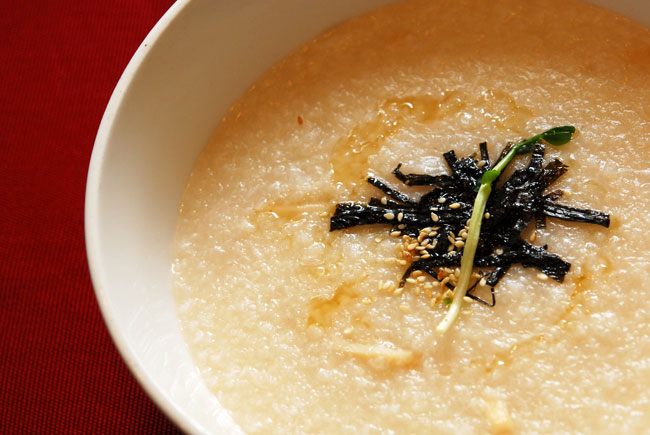
Digestion is no as strong early in the morning, so breakfast should be light and according to hunger. Avoid meat or eggs. Favor cooked cereal, fruit and fresh juice.Korean_abalone_porridge-Jeonbokjuk-02

Remember if you are taking milk not to combine it with anything other than sweet tastes (like cereal). Milk should be boiled. If you are eating fruit, do not have milk, even in coffee.

Lunch:

This should be your main meal of the day because digestion is strongest at mid-day.

Lunch should be a warm, cooked meal containing all six tastes. Ideally you should have at least a half hour for lunch, including 10 to 15 minutes to sit quietly after you are finished eating. This will allow the digestive process to get well under way.

 Dinner:

The later dinner is served, the lighter you should eat. Avoid heavy foods like cheese, yogurt, meats, oils and fried foods. If you like these foods, these should be eaten at lunch when digestion is stronger.

 Other General Principles:

Eat according to your hunger levels. Do not eat if you are not hungry.

Eat in a settled environment. Business lunches, eating in front of the TV and eating while walking or driving (or standing up) can disturb our digestive process.

Sip hot water during the meal. This enlivens digestion and helps the food be better digested and absorbed. Never drink cold beverages (or iced foods) either during the meal or right after a meal.

Chew your food well. Digestion starts in the mouth.

Avoid heated honey. Read your labels carefully and only buy unheated honey. Do not use honey in baking or add to beverages that are too hot to sip comfortably.

Eat freshly prepared foods. Avoid packaged foods and leftovers. Cooked food is easier to digest than raw.

Foods that are especially nourishing (and are quickly converted into ojas) include boiled milk, ghee (clarified butter), ripe fruits, freshly made fruit juices, almonds (pre-soaked in water — be sure to throw out the water), and dates.

Visit an Ayurvedic expert and find out what your body needs. Vata, pitta and kapha types may receive different recommendations on creating a healthy and strong digestive fire. They will also take into consideration any imbalances that you have. If you have a pitta imbalance, for example, you might be encouraged to avoid ginger and other heating spices. Remember that, unlike Western medicine, Ayurveda always looks at the whole. Your digestive problems may simply be one symptom of a larger imbalance.

Next week we’ll look at Panchakarma, the ulitmate approach to restarting digestion, getting rid of years of accumulated ama and restoring balance to the body.

For more information on Ayurveda consultations and Panchakarma treatments, go to The Raj Ayurveda Health Spa website:

www.theraj.com

Ojas and Ama: the Dynamics of Staying Healthy with Ayuveda

Today let’s talk about ojas and ama. According to Ayurveda, ojas is the most subtle and powerful substance in the body. Maharishi Ayurveda takes ojas to another level: the material expression of the self-interacting dynamics of consciousness. It is what allows the nonmaterial intelligence to communicate with the material physiology. In other words, it is the substance that connects the mind and body to consciousness.

Ojas is the finest, the most refined by-product of digestion. It nourishes all body tissues and has a direct influence on the nature and quality of physical, mental and emotional life. It is the subtle substance that maintains life itself. When your physiology produces the optimum quality and quantity of ojas, you feel healthy and blissful. Your mind/body is getting the sustenance it needs to function at optimum levels. Ojas is characterized by health, happiness, lightness, immunity and overall strength in the body.

Ojas’ primary location is the heart, from where it circulates to and pervades the entire body.

The opposite of ojas is ama, the sticky end product of undigested food. Ama lowers immunity as it spreads throughout the physiology and it clogs the channels that carry nourishment to the cells and the channels that remove wastes. It also blocks the micro-channels that are part of the immune system, making us susceptible to infection. Maintaining a healthy digestive fire, or “agni”, is one of the most important principles of Ayurveda. A strong and effective digestion allows us to absorb the nutrients and essential elements needed by our physiology and at the same time effectively burns of waste products. If our agni is weak and our food is not digested properly, toxic residue, or ama, builds up in our tissues and cells.

For this reason, the number one recommendation for maintaining robust health is to put attention on maintaining good digestion. As the season transitions from summer to fall, the influence of Vata increases and the quality of Vata in our own physiology can become imbalanced. Vata is the responsible for all motion-related process in the body, including digestion and elimination. Fall and early winter are especially important times to be alert to our diet and digestion.

Enhancing ojas and removing and preventing the build up of ama are the basis of good health, and it is the goal of all treatments and therapies of Maharishi Ayurveda.

Panchakarma, the traditional detoxification and purification therapies of Ayurveda, are designed to eliminate ama and increase the flow of ojas. The Ayurvedic texts describe this process as “strota shuddi”—”opening the channels of communication”. Panchakarma keeps every part of the body in contact with nature’s innate balancing and healing process.

Regular consolations are also helpful. An Ayurvedic expert can evaluate the levels of ojas and ama in your physiology using the Ayurveda technique of Pulse Assessment. Seasonal transitions are a good time to schedule a consultation and get recommendations to tune up your diet and lifestyle so that you can avoid colds and the flu in the coming season.

Over the next two weeks I’ll look once again into how to maintain good digestion and also review the mechanics of Panchakarma. For more information about Panchakarma or to schedule a consultation, visit website for The Raj Ayurveda Health Spa:

www.theraj.com

Massage Reduces Stress in Teens

14159712431_1e8e747223_b

Most of the time when we read about massage it is in the context of working adults or parents looking for an escape from stress or relief from some kind of physical difficulty. Just the other day, however, I was reading about research on massage for teens. After receiving a 30-minute massage each day for five days, the teens in one study were in a better mood, more cooperative and sleeping better.

It got me thinking about how stressful the transition from summer vacation to school can be. It’s not just bed times and waking times that need to be adjusted. There is also the transition from relaxed summer attitudes to academic and social alertness. Adolescence can be a very stressful time of life. It’s a time of huge changes, both physical and psychological. Hormonal pressures, peer pressure and expectations can all create stress for young adults.

The benefits of massage are well documented: lowered stress hormones, relief of muscle tension, improved immune function, increased sense of relaxation and even a heightened ability to concentrate. There is also a recognized relationship between stress and the immune system. If stress hormones are chronically elevated, the hormone, cortisol, will destroy healthy immune cells that fight viruses and keep the immune system healthy. Lowering stress hormones means letting the immune system get back to doing its job.

Ayurvedic massage is traditionally performed in the morning before bathing or showering. Good massage oils are cured sesame oils, olive oil or sweet almond oil. Sesame oil is inherently heating, so those with a more Pitta constitution should opt for olive oil or sweet almond oil. A consultation with an expert in Ayurveda can help determine which oil is best for your child.

If you do choose sesame oil, look for cold-pressed, chemical-free organic sesame oil. To cure or purify the sesame oil, heat the oil to 212 degrees Fahrenheit. Remove from heat once this temperature is reached, cool and store for use as needed. Up to a quart of oil can be cured at a time. Of course, you should observe safety precautions when curing oil. All oils are highly flammable. Use low heat, and don’t leave the oil on heat unattended. You can look for professionally cured sesame oil at stores that sell Ayurvedic products if you’d rather not do the curing yourself.

If your mornings are already too rushed, try encouraging an oil massage at night.

Ayurveda spas, like The Raj Ayurveda Health Center, offer Ayurveda massages (Aybhanga) given by two technicians moving in synchrony, providing a deep experience of balance and integration. For more information on Ayurveda consultations and massage, contact The Raj Ayurveda Health Center:

www.theraj.com

( Picture of young boy with pencil. Source: Google Advance Image Search.
Creative Commons. The image is used under the terms of Googles Creative Commons rules:http://creativecommons.org/licenses/by/2.0/deed.en. This photograph and credit do not constitute an endorsement of this blog or products mentioned.)