Ayurveda Approach to Arthritis: Individualized Programs Improve Success

It is estimated that over 350 million people around the world suffer from arthritis. If you are feeling aches and stiffness in your body, experiencing pain and swelling in the joints or are simply have trouble moving around, you might have arthritis.

istock_rf_photo_of_arthritis_pain_in_hand

Because the medications that reduce the pain of arthritis also can have serious side effects, many people are looking into alternative, natural approaches to arthritis. Research has shown statistically significant improvements in patients with arthritis when Ayurveda doctors were allowed to create individualized, patient-specific combinations of herbs and therapies for each person. Why was this a requirement for success?

Ayurveda identifies 3 categories or types of arthritis corresponding to Vata, Pitta and Kapha doshas.

Vata Aggravated Arthritis

Those with Vata aggravated arthritis may find that their joints may pop and crack because they are dry. Joints also may feel cold to the touch. With this type of arthritis, joints are painful mostly with movement and usually there is one particular area, which is tender or sore.

Pitta Aggravated Arthritis

With Pitta aggravated arthritis joints there is usually inflammation. Joints become swollen, red and hot to the touch and can be painful even when there is no movement.

Kapha Aggravated Arthritis

With Kapha aggravated arthritis joints also appear red, but the joints feel cool instead of hot. There can also be stiffness in the joints. In this case, pain occurs when one is at rest and movement can actually decrease the sensation of pain. Waking up in the morning after a night without movement can be quite painful for many with Kapha aggravate arthritis.

Treatment for arthritis is specific to the dosha that is aggravated. But it is also important to understand that the underlying cause of arthritis is poor digestion. Because of a person’s underlying constitution, diet, life-style and daily routine, Vata, Pitta or Kapha can become aggravated. When that happens, that aggravation of doshas interferes with digestion, which in turn leads to the creation of ama, a sticky toxin. Ama accumulates in the colon from where it gets absorbed into the body and circulates, eventually accumulating in the tissues and joints.

The ama is “flavored” by whatever dosha is out of balance: thus there is Vata-aggravated ama, Pitta-aggravated ama and Kapha-aggravated ama. Ama settling into the joints is what causes the symptoms of pain, inflammation and swelling.

If you are seeking alternative approach to dealing with joint pain, the best first step is a consultation with an experienced Ayurveda expert. Using pulse assessment, an expert can see the root cause of your particular kind of arthritis and design the most effect approach for your specific symptoms and degree of imbalance and accumulation of ama.

Ayurveda Panchakarma treatments address arthritis on many levels. Panchakarma begins with a home cleansing program that starts to loosed and remove impurities and helps open the channels of elimination in preparation for the more intensive treatments. The treatments themselves are gentle, yet powerful cleansing therapies that remove the toxins and impurities from your tissues and help open the channels of circulation and elimination. An individualized treatment program will be designed to specifically address the dosha that is causing problems, as well as removing ama and blockages from the joints and tissues.

Some of treatments used in dealing with arthritis are:

Pizzichilli

In this treatment a continuous stream of warming herbalized oil is poured over the entire body. The oil soaks through the skin, penetrating deep into the body’s tissues. This softens the skin and mobilizes impurities. It also helps to balance Vata dosha and ease stiff joints.

Pinda Swedan

Boluses filled with a mixture of rice cooked with milk and Ayurvedic herbs are used to give a full-body massage. This treatment balances the physiology, and strengthens and nourishes the muscles and joints. It is often recommended for with those with joint pain from arthritis as well as those suffering from joint and muscle pain caused by accidents and injuries.

For more information on Ayurvedic treatments for arthritis, visit The Raj Ayurveda Health Spa website:

www.theraj.com

The Raj treatments for arthritis

Ayurveda Tips for a Healthy Baby — 4 Important Steps Before You Conceive

baby-girl-3

Good parenting begins before a child is even conceived. Ayurveda offers knowledge to help parents enhance the health of their offspring before conception occurs.

Food and Digestion

Sex cells are produced long before intercourse. According to the Ayurvedic texts, it takes six weeks for the entire process of digestion and then the formation of the tissues to take place. Ayurveda outlines seven steps of the digestive process through which all the tissues of the body are formed. The last, the seventh step, is responsible for the formation of the reproductive tissue. All six prior steps need to be balanced and complete in order for the final step to be balanced and complete. For parents to provide balanced, healthy genetic material, attention needs to be paid both to the quality of their digestion and to quality of the food they eat. Ayurveda recommends fresh, organic, cooked foods during this time.

Purification

More and more studies are finding that toxic chemicals are abundant in pregnant mothers – and subsequently in their newborns. Therefore it is essential to detoxify your body before you decide to get pregnant. Prevalent chemicals in pregnant women include pesticides, flame retardants, phthalates (found in many plastics and artificial fragrances), pollution from car exhaust, PFCs used in non-stick cookware, and PCBs, toxic industrial chemicals that were banned in 1979 yet still persist in the environment.

Just recently testing has found high levels of glyphosate in the breast milk of American moms. Glyphosate-containing herbicides are the top-selling herbicides in the world and are sold under trademarks such as Monsanto’s ‘Roundup’. Monsanto’s sales of Roundup jumped 73 percent to $371 million in 2013 because of its increasing use on genetically engineered crops (GE Crops).

These toxicants pose a danger to the health and well being of the child. For example, BPA (an estrogen-like ingredient in plastic) was found in 96% of pregnant women. The Food and Drug Administration has expressed concern that BPA affects both the development of the brain and behavior in children exposed to these toxins both before and after birth.

In addition, many women in their 30’s and 40’s are having a difficult time conceiving because of low amounts of progesterone in their bodies. While this can be a natural result of perimenopause, this can also be due to presence of certain estrogen-mimicking environmental chemicals such as pesticides, plastics, and herbicides. When the body absorbs these, it gets tricked into thinking that estrogen levels are too high and compensates by lowering progesterone levels. Progesterone levels are very important for conception.

Ayurveda recommends undergoing traditional detoxification treatments, called Panchakarma, eight weeks prior to conception. These Ayurvedic purification treatments are available at Ayurveda Health Spas in the US and India. A published study in Alternative Therapies in Health and Medicine, Sept/Oct. 2002 showed that a five-day program of Panchakarma resulted in a 50% reduction of blood levels of fat-soluble toxins such as PCBs, DDT and dioxins. Currently modern medicine offers no means of removing these fat-soluble environmental chemicals from the body. The half-life of these chemicals in the human body is thought to be 7 to 11 years. (A half life is the time required for a given substance to fall to half its initial value.)

Once the impurities are removed from the tissues, the body is more able to respond to the dietary and behavioral changes of the parents-to-be.

Behavior

For six weeks following Ayurvedic detoxification treatments it is recommended to follow a pure, organic, vegetarian diet, to abstain from negative influences (like alcohol and cigarettes), to go to bed early, and to practice celibacy. This allows the sperm to become strengthened during the six-week period.

The ideal sequence of steps is to purify the body and then to nourish and build up the tissues. This is the ultimate step in prevention. The best approach to creating a strong, healthy baby is by strengthening the basic material that creates the child.

The Raj, Ayurveda Health Center in Fairfield, IA offers a special 8-week program for couples wanting to conceive a child. The program includes one week of in-residence treatments and individualized diet and life-style recommendations.

For more information, visit The Raj Ayurveda Health Spa web site:

www.theraj.com

Spring Ayurveda Health Tips

daisies-388946_640

Ayurveda cautions us to be especially alert during seasonal transitions because the body functions differently in each season. This is especially true in the transition from winter to spring—from Vata season to Kapha season. Late winter marks the transition time from Vata to Kapha. The frigid temperatures of January and February are behind us, the days are lengthening, giving more time for the sun to warm the earth, and nature is beginning to wake up.

As the temperatures rise, melting snow and ice, our environment and our physiology shift into a different mode of functioning. Moving from “hibernation mode” during which our bodies tend to store fat and crave heavier, Vata-pacifying foods, the body now begins to melt accumulated fat. If we have accumulated ama during the earlier months of winter, these toxins start getting released into the body’s micro-channels. This flood of toxins can compromise our immunity, opening the door to colds and flues. This excess of ama can also create joint problems and lead to sinus problems, asthma, bronchial infections, allergies and hay fever.

In addition to the build-up of ama, as the cold, wet qualities of Kapha increase in our environment, they also increase in our body. Kapha is what our body is made out of — our bodily fluids and our muscles, fat and bone. The main seat of Kapha is located in the chest, but we also find Kapha in the throat, sinuses, nose, stomach, joints, plasma, and also in secretions of the body, like mucus. Mucus has its function in protecting important tissue in the body. But an excess of mucus can lead to colds and other disorders. Because childhood is the Kapha time of life, during this season children may be especially vulnerable to producing excess mucus and experiencing upper respiratory illnesses. You can see why spring in a traditional time for cleansing and detoxing. The body is already in a natural detox mode and often needs our support.

Tips for Kapha Season  Diet:

Generally try to favor Kapha-pacifying foods such as bitter greens, beans and dals, and fruits such as apples, pomegranates. Continue to eat warm foods, but opt for lighter foods such as soups. Switch to grains such as barely, quinoa, couscous and millet. Avoid cold drinks and food, processed foods, fried foods, and heavy foods such as red meat and dairy.

Spices:

Adding pungent spices to your food will help increase your agni, or digestive fire, and help eliminate mucus and phlegm. Enjoy black pepper, cayenne, cinnamon, clove, and ginger. Try drinking ginger tea to help enliven your digestive fires. Also a glass of lukewarm water with ½ tsp of unheated honey first thing in the morning is a good combination. It not only helps warm the body but also digests all the toxins.

Exercise: One of the best ways to balance Kapha is to get exercise. Breaking a sweat by going for a brisk walk, run, or even using Swedna, or steam bath, can help relieve congestion and increase circulation. It’s important to choose the right exercise for your body type. If you have not been exercising regularly throughout the winter, start gently so as not to strain the physiology. Brisk daily walks and yoga postures are good for Vata types. More vigorous daily exercise is helpful for Kapha. Working up a sweat is during Kapha season, because it helps to boost agni, increase circulation and relieve congestion.

Sleep: Ideally, try to be in bed by 10:00 p.m so that you can wake up around 6:00 a.m. Try not to sleep into Kapha time (6:00 a.m. – 10:00 p,m.)

Oil Massage: Start the morning with an oil-massage followed by a warm bath. This will help to open the pores, and regulate your body’s internal thermostat. This is helpful in both Vata and Kapha season.

Panchakarma: This is also a great time for Panchakarma — the traditional purification treatments of Ayurveda. Panchakarma includes a full program of Ayurvedic massage, steam and heat treatments, and intestinal cleansing treatments, to rid your body of ama accumulated during the previous season. Panchakarma also helps to strengthen your agni, or digestive fire, in order to help prevent a build-up of ama in the future.

For more information on Panchakarma or consultations with an Ayurveda expert, visit The Raj Ayurveda Health Spa

web site: www.theraj.com

Keep Balanced in Winter with Ayurveda

woman-578429_640

By the beginning of February, those who live in northern climates have reached their peak of Vata aggravation. Months of cold, dry, windy weather results in an increase of those same qualities within our physiology: dryness, coolness, movement and quickness. Once our Vata becomes imbalanced we can start experiencing problems sleeping, aching joints, emotional instability, less mental clarity, dryness of the skin, increased sensitivity to the cold weather and a low frustration level.

With months of cold weather still ahead of us, this is the time to adopt a diet and daily routine that will help settle Vata. One key to balancing Vata is regular routine—eating and going to sleep at the same time, for example. Going to bed early on a regular basis is actually one of the most powerful tools available for balancing Vata.

You may find yourself thinking more about food than you did last summer. When the cold, dry weather of winter begins to aggravate Vata dosha, we naturally crave hotter, more unctuous foods that help counter this effect. An increase in appetite is also the natural result of the cold weather—it tends to cause our digestion fire to increase. As long as you don’t eat more than you can easily digest, large portions at meals can help keep Vata in balance.

One very important point is that the food we eat in the winter should always be warm. Never eat or drink ice-cold food or beverages. Oil is our friend in the winter. Using olive oil and ghee in our meals will help counter the drying effects of Vata.

Along this same line of thinking, daily oil massage with sesame oil is particularly helpful in the winter. The warm, unctuous quality of the oil is the perfect antidote to the cold, dry qualities of Vata. If you are Pitta by nature, you may prefer coconut oil or olive oil, as sesame oil is naturally heating. Ideally you should heat your oil before applying it. Letting your bottle of oil float in hot water for a few minutes will bring the oil to a nice, soothing temperature. Try to keep the oil on for a while before jumping into the shower or bath. 10 minutes letting the oil soak into your skin is ideal.

Vata imbalances often lead to constipation. Remember to drink plenty of warm fluids during the day. Drinking two glasses of warm water when you wake up can help stimulate bowel functioning. Hot water with black salt can also be helpful in this area.

It is easy to find oneself becoming sedentary during the colder months. Be sure that you incorporate Yoga or some kind of gentle stretching exercise into your routine, as well as other comfortable and easy exercise. Don’t strain or over-do in your winter exercise routine. Spring is a much better time for vigorous exercise, as that is the time when Kapha is increasing and we naturally have more strength and stamina.

If you find that diet, lifestyle and self-massage are not helping, it may be that your Vata imbalance has gone deep into the tissues. In this case Panchakarma, the traditional rejuvenation treatments of Ayurveda, are recommended. Panchakarma removes Vata from the tissues by using various herbal decoctions and oil preparations in combination with specialized treatments to treat the root of the Vata imbalance.

For more information on Ayurveda consultations and Panchakarma treatments, visit The Raj Ayurveda Health Spa web site:

www.theraj.com

Ayurveda for Effective Weight Loss

There are many factors involved in becoming overweight and in deciding what is the most effective means of reversing that condition.

Your Appropriate Weight

Ayurveda recognizes that there are different healthy weights and builds for different people. By genetic nature, some people will have heavier builds than others. Heavy-built individuals are still healthy at weights that might be considered unhealthy for individuals with a genetically lighter constitution.

During an Ayurvedic consultation one of the first steps is to use the technique of pulse assessment to determine a person’s “body type”. This understanding of body type is important as too often the ideal body size image portrayed by the media and advertising is not natural or even healthy for a particular individual.

Root Imbalances at the Basis of Overweight Conditions

There can be many factors creating the overweight condition, and it is important to determine which ones are predominant in each individual. For example, people often assume that weight gain is created by an imbalance in Kapha. In fact, many times the underlying imbalance is that of either Vata or Pitta. It is important to identify these underlying factors in order to begin a successful program to create balance.

regime-pour-maigrir

Proper Diet

Dietary knowledge is a foundation of the Ayurveda approach. Knowing your body type and level of balance and imbalance helps provide an understanding of which foods to favor and avoid. In general, “avoid” foods are foods that are hard to digest, clogging to the physiology and heavy in nature. As a general rule, those looking to lose weight should favor foods that are easy to digest, help cleanse the physiology, strengthen digestion and balance metabolism.

Creating Strong Digestion

Our ability to digest food is as important as what we eat. Incompletely digested foods create toxins and impurities that are eventually absorbed, travel throughout the physiology, and localize in the tissues, disrupting their function. This process is at the basis of a wide variety of complications in the overweight condition.

Preventing Toxic Build-Up

It is one thing for extra tissue and structure to accomulate in the body. When the accumulation includes damaging toxins, the serious effects of being overweight begin. According to Ayurveda, almost every major disease condition, from arthritis to allergies to cardiovascular disease, is caused by the buildup of toxins in the tissues and by blockages in circulation.

This is why an Ayurvedic weight loss program will include purification treatments as well as dietary and herbal recommendations and life-style changes.

Panchakarma Detoxification and Rejuvenation Therapy

The most powerful treatments for removing toxins and opening the channels of circulation are the traditional detoxification treatments of Ayurveda, Panchakarma. The daily combination of Ayurveda massage, heat and internal cleansing therapies provide a deeply powerful cleansing for the entire body.

Stress Management

Many individuals experience that improper eating habits and craings are worsened by heightened stress, anxiety and mental fatigue. It is common to find that accumulated stress and mental imbalance drive the eating behavior at the basis of overweight conditions.

Learning the Transcendental Mediation technique provides a simple and effective tool to remove the mental and stress components of the overweight condition

Proper Lifestyle and Daily Routine

One of the most important factors for balancing digestion and keeping our natural cleansing processes strong is to have a lifestyle that does not disturb natural bodily rhythms. When we eat, sleep and exercise in constantly fluctuation patterns, the body loses its natural balancing cycles and can not digest, cleanse or heal itself as effectively. Therefore, regularity in our daily routine can be extremely important in maintaining a healthy, balance physiology.

For more information on consultation, panchakarma treatments or The Raj Weight Loss Program, visit The Raj Ayurveda Health Center:

www.theraj.com

Managing Stress Affects Health, Memory, and Body Weight

Life is full of ups and downs, and some of them can be stressful. If we are lucky, stress is a short-term event. But often situations occur that keep us stressed for days, weeks, or months. This experience of non-stop stress can cause significant damage to our health, mind and emotions. Understanding the mechanisms of our stress response can help us minimize and control the damage.

Stress-und-Hektik-SOMKKU-Shutterstock.com_-1

The medical dictionary describes stress as “any physical, emotional, social, economic or other factor that requires a response to change.” The human body is brilliantly designed to react to stress in order to survive. It does so by activating the secretion of the hormone cortisol. This initiates a cascade of physiological responses.

Cortisol is meant to be a “quick fix”. It turns “off” many of our normal physiological mechanisms while it turns “on” many temporary mechanisms. It is the source of the “fight or flight” response. Ideally after an emergency situation has been resolved our metabolic functions go back to normal.  If we are under constant stress, however, the long-term secretion of cortisol can compromise our health and permanently alter our metabolic process.

Some of the documented results of long-term stress include:

Results of Long-Term Stress

1. Weakened immune response leading to heightened vulnerability to infection

2.  Memory loss: excess cortisol can overwhelm the hippocampus and actually cause atrophy. Studies of the elderly have indicated that those with elevated cortisol levels display significant memory loss resulting from hippocampus damage. Luckily the damage incurred is usually reversible.

3. An increase in abdominal fat. Researchers at Yale University found slender women who had high cortisol also had more abdominal fat. Abdominal, or visceral, fat is a key player in a variety of health problems Visceral fat has been linked to metabolic disturbances and increased risk for cardiovascular disease and type 2 diabetes. In women, it is also associated with breast cancer and the need for gallbladder surgery.

While we may not be able to eliminate the stress in our lives, we can take measures to give the body the relief from stress that it needs in order to stay healthy.

Stress-Busters

1. Decrease consumption of caffeine and alcohol, both of which impact cortisol levels

2. Go to bed by 10:00. Getting six hours or less over time can significantly increase cortisol levels. It takes a full 7 to 8 hours of sleep to give your body enough time to recover from the day’s stresses.

3. Practice a stress reduction technique.

The Transcendental Meditation technique (TM) has been found to lower cortisol levels. The lowering is greater in those who practice TM regularly. The longer people practice TM, the more pronounced is the effect.

TM was also found to decrease the time it took for the body return to normal functioning following stressful stimuli. This is significant because high cortisol levels can actually create a self-perpetuating loop by disrupting the delicate feedback balance that tells the brain to stop releasing cortisol.

Researchers concluded that the Transcendental Meditation technique gives the body a reprieve from experiencing stress, and as a result, the body care respond more normally to stress stimuli of short duration.

4. Schedule a week of Panchakarma treatments

Multiple studies have shown that massage therapy can lower cortisol levels, increase dopamine and serotonin (our happy, feel-good hormones), and lower excitatory hormones like norepinephrine and epinephrine.

A week of luxurious in-residence treatments can provide a much-needed break from the day-to-day pressures at work and home.

More Stress-Busting Recommendations

  • Get more spinach in your diet.  Spinach has magnesium, which help balance your body’s production of cortisol.
  • Eat more citrus fruits.  Research has shown that citrus fruits like oranges and kiwis have high content of vitamin C, which help slow the production of cortisol.
  • Make sure you’re getting enough healthy omega-3 oils in your diet.  These healthy fats not only inhibit inflammation, but also help lower cortisol levels and reduce stress.
  • Get some Holy Basil in your diet!  This tasty herb is an adaptogen herb, which is a unique class of healing plants that help reduce the production of stress related hormones.
  • Research has shown that zinc helps inhibit the production of cortisol.  Vegetarians can get zinc from cashews, pumpkin seeds, spinach and beans.
  • Good news! Dark chocolate has high levels of anti-oxidants that help decrease inflammation and slow the secretion of cortisol.  Just make sure that it’s at least 70% dark chocolate.

Arming ourselves with an understanding of the stress response and minimizing stress and its impact on our minds and bodies is key to maintaining balanced health. This is why any responsible health program must include stress reduction techniques. Learn more about Panachkarma treatments and learning the Transcendental Meditation technique at The Raj, Ayurveda Health Spa:

www.theraj.com

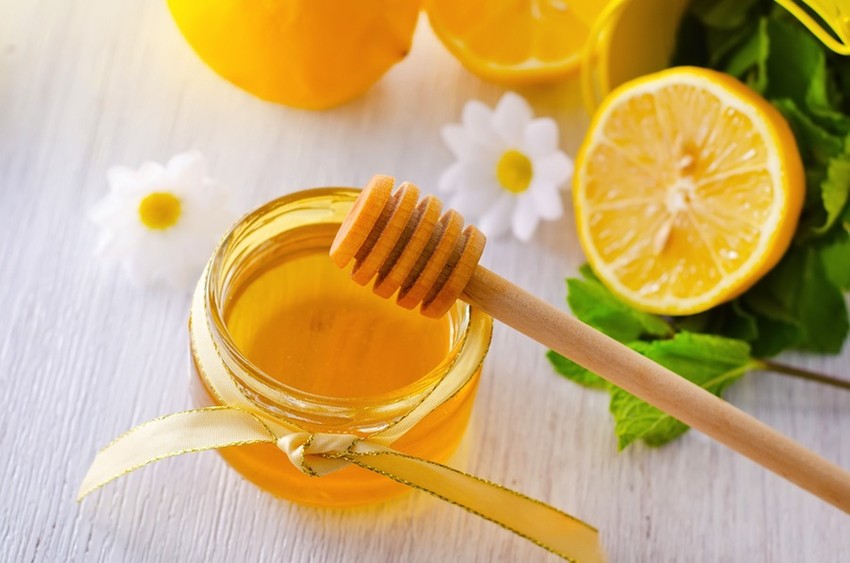
Is Your Honey Healthy?

g (10)_EXYJ

The special healing quality of honey has been acknowledged throughout history. From the Charaka Samhita, the original textbook of Ayurveda, to the Ebers Papyrus of ancient Egypt, to the writings of Hippocrates, honey has been recognized as having significant medicinal properties. Raw honey is anti-viral, anti-bacterial, and anti-fungal. It contains significant amounts of: B1, B2, B3, B5, B6, C, magnesium, potassium, calcium, sodium chlorine, sulfur, and phosphate. Taken in its proper form, honey is one of nature’s most healing substances.

But honey can also have a toxic effect in the physiology. This happens when we eat honey that has been heated far above the normal temperatures of a beehive. Heating past the maximum hive temperature of 95 degrees Fahrenheit changes honey’s essential composition and degrades its quality. Many of the healthful organic compounds and enzymes in honey are destroyed or inhibited by heat.

The ancient Ayurvedic texts warn that during the heating (including baking or cooking) process, honey becomes hardened and difficult to digest. The toxin created by heated honey causes the shrotas, or fine channels of the physiology, to become clogged, blocking the flow of intelligence in the body. According to Ayurveda, this specific kind of ama is very difficult to remove by simple detox methods, such as sipping hot water, home oil massage or exercising. If you have a history of eating heated honey, you may want to consider Panchakarma treatments (Ayurveda detoxification treatments).

Given this knowledge, it is best to only buy raw honey (honey that is unheated and minimally processed) and to never use honey when cooking meals or baking. Check carefully breads, cereal or other other packaged foods to be sure they do not contain honey. Many health-conscious bakeries and companies now use honey, thinking it is better than sugar. Also, most commercial honey you see in supermarkets is not raw honey. Read your labels carefully to make sure the honey you purchase has not been heated or pasteurized.

If you like to add honey to tea or milk, don’t do so while it is boiling. Wait until your beverage has cooled to a temperature that is comfortable for sipping before adding honey as a sweetener.

A consultation using Ayurveda pulse assessment can help determine if you have problems with ama. For more information visit The Raj Ayurveda Health Spa:

www.theraj.com

Ayurveda: Ancient Wisdom for Modern Disorders

Flyer 3Over the years, many guests at The Raj have asked us where Ayurveda fits in with modern medicine.

Modern modern medicine has made important and impressive advances in its management of certain categories of disease such as infectious, surgical, and endocrine disorders. In some cases, however, the modern medical approach does not deal with the root causes of the illness, but rather attempts to correct ill health on the level of the symptoms.

For example, in treating hypertension, drugs are often used to lower blood pressure. But if drug is removed, the blood pressure often returns to its previously elevated state. This is because the medicine did not remove the root cause of the disorder. Not only can this approach allow the underlying disease process to go unchecked, new disorders may emerge in the form of side effects from the medication.

The Ayurveda approach to health is highly suitable for many disorders of modern times, which are recognized to have their roots in abnormalities of diet, lifestyle, and environmental influences, and stress. Research and clinical findings suggest that Maharishi Ayurveda may be the best first-line approach to the prevention and treatment of many of these common illnesses.

Ayurveda views the body not merely as a sophisticated machine, but as a physical expression of an underlying field of intelligence. Ironically, this ancient perspective is actually more in tune with the unified field theories of quantum physics (describing the most fundamental levels of nature’s functioning) than modern medicine. Maharishi Ayurveda identifies this unified field of all the laws of nature as pure consciousness, and postulates that this field can be experienced by the human nervous system as the simplest form of human awareness.

In contrast to the view of contemporary medicine, Maharishi Ayurveda does not regard consciousness as a product of the nervous system. Rather, it sees consciousness as the basis of, and that which gives rise to the entire physiology.

Because of this perspective, Ayurveda understands that the relationship between man and nature is central to the maintenance and promotion of ideal health. Enlivening health in a person is understood to be a process of enlivening the wisdom and the intelligence of nature inherent in every individual. The skill of the Ayurveda expert lies not in “healing”, but in setting up those conditions that allow nature’s healing to take place most effortlessly.

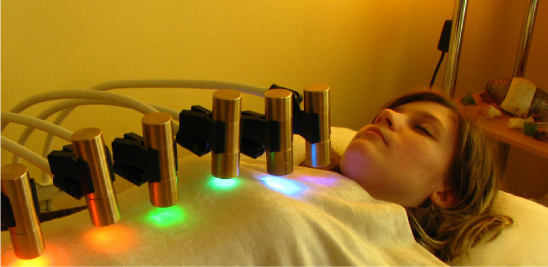
The therapeutic strategies of Maharishi Ayurveda, such as Panchakarma, the Transcendental Meditation technique, Maharishi Light Therapy with Gems, etc., are understood as strategies that enliven the innate self-repair mechanisms of our bodies.

Maharishi Panchakarma or Rejuvenation Therapies (PK)

Panchakarma treatments involve a sophisticated system of purification and detoxification treatments that help to eliminate and prevent the accumulation of physiological impurities. Different procedures are utilized according to the type of imbalance present. Once the imbalance is removed, the body’s own healing mechanisms can begin to function in their normal manner. The rejuvenation and detoxification treatments in and of themselves do not “cure” the disorder. They simply support and promote the activity of the body’s innate self-repair mechanisms.

The Transcendental Meditation program (TM)

This mental technique allows the active mind to settle down and experience its least excited state, pure consciousness. Extensive research has documents a broad range of beneficial effects of TM on the mind, body, behavior and environment. These include the lowering of hypertension, 48% reduction in death, heart attack and stroke and the reduction of trait anxiety.

Maharishi Light Therapy with Gems (MLG)

When suitable light shines through a gemstones such as diamonds, emeralds, rubies, blue sapphires and yellow sapphires, the molecular characteristics and healing properties of the gems get imprinted in the specific frequencies (spectrum) of the transmitted light, and then transferred to the body—enlivening the body’s innate intelligence and restoring balance and health to the physiology.

For more information on Panchakarma, the TM technique or Maharishi Light Therapy with Gems and other Maharishi Ayurveda approaches to health, visit The Raj Ayurveda Health Spa:

www.theraj.com


Taming Vata with Ayurveda

winter-290903_640As the temperature cools, many people find themselves bothered by vata disorders such as anxiety, tension, insomnia, constipation and aching joints. Vata dosha gets aggravated during cold, dry, windy weather because the nature of vata itself is dry, cold, light and active. To avoid the winter chills and to keep vata in check, try these recommendations:

1. Drink plenty of hot water. Sipping hot water frequently throughout the day will help you accomplish two things: pacify vata and dissolve ama, the sticky waste-product of improper digestion that can clog the channels of your body.

2. Favor hot drinks and meals. Opt for warm, heavy foods. Cold drinks and cold, light foods increase vata. Be sure to avoid ice-cold beverages and foods. Ice cream season is over.

sleep-13. Get more rest than usual. Because the nature of vata is active and restless, one the best ways to balance vata is to get extra sleep. With the sun rising later and setting earlier in the day, there are fewer hours of daylight. This is a signal from Nature to spend more time resting.

Remember that according to Ayurveda you gain a better quality of rest if you fall asleep before 10:00 p.m. and rise before 6:00 a.m. If you need more than eight hours of sleep, try going to bed earlier rather than sleeping in. Sleeping late in the morning can lead to blockages of the shrotas, the channels of the body through which the natural intelligence of the body flows. This can aggravate both vata and kapha and can throw off the biological rhythms of your body.

4. Exercise daily. Exercise increases circulation, improves your appetite and raises your body temperature. If it is too cold to go outside, go to the gym, use indoor equipment or exercise DVDs—or just dance around your house. Be careful not to overdo it, though. You should adjust the amount and intensity of exercise to fit your individual needs. If your level of exercise is such that you can not breath comfortably through your nose, you may be taxing your physiology and actually increasing vata.

5. Keep your head and ears covered when outside. Ears are one of the main seats of vata. Protecting your ears and head from the wind and cold will make being outside in winter a more healthful experience.

6. Do daily abhyanga (Ayurvedic oil massage). Abhyanga is especially soothing for vata dosha because your skin is a primary seat of vata.

7. Start increasing your portions of foods that are sweet, sour and salty, as these pacify vata dosha. Spicy, astringent and bitter foods increase vata.

8. Enjoy Panchakarma (Ayurvedic massage and detoxification therapies). Winter is a good time to schedule a week of treatment at The Raj. While the cold wind blows outside, you can stay warm and cozy, enjoying soothing, warm herbalized oil and relaxing massages. Also, undergoing Panchakarma before the holiday seasons can put in you the right frame of mind to enjoy the holidays without binge eating or straying from a healthful diet and routine.

For more information on Panchakarma, visit The Raj Ayurveda Health Spa site:

www.theraj.com


( Picture of Dry plant. Source: Google Advance Image Search.
Creative Commons. The image is used under the terms of Googles Creative Commons rules:http://creativecommons.org/licenses/by/2.0/deed.en. This photograph and credit do not constitute an endorsement of this blog or products mentioned.)


( Picture of a woman sleeping. Source: Google Advance Image Search.
Creative Commons. The image is used under the terms of Googles Creative Commons rules:http://creativecommons.org/licenses/by/2.0/deed.en. This photograph and credit do not constitute an endorsement of this blog or products mentioned.)

Three Ayurveda Tips to Detox Environmental Toxins

images-2As we observed last week, whatever we take in through our five senses gets transformed into our own physiology—in essence, we metabolize our environment. Even if we buy only organic food and prepare it freshly each day, it is almost impossible to completely escape toxic exposure from plastics, pesticides and additives to our water and household products. The air we breathe, the rains that falls, often even the furniture we sit on, are all full of harmful chemicals.

Dangerous compounds like insecticides, PCB’s, heavy metals, benzene, dioxin, phthalates, pesticides, DDT metabolites, flame retardants, styrene, xylene and dichlorobenzene have routinely been found in blood and stool samples, not just in the US, but around the world.

Back in 2005, the American Red Cross took samples of fetal cord blood from 10 newborns and found a shocking 287 chemicals inside the samples, including dioxins, phthalates, pesticides, Teflon byproducts, mercury, lead, flame retardants, DDT (a pesticide that was banned in the us over 25 years ago, and many others.

This toxic burden has a high cost in terms of our health: these chemicals can lead to cancer, infertility, weight gain, severe inflammation, accelerated aging, liver damage, and more.

What can we do?

Yearly Panchakarma treatments

A study on the traditional Ayurveda detoxification treatments (Panchakarma) given at The Raj Ayurveda Health Center was published in Alternative Therapies in Health and Medicine in its September/October 2002. It showed that a 5-day program greatly reduced the levels of 14 important lipophilic (fat-soluble) toxic and carcinogenic chemicals in the body, chemicals which would otherwise remain in the body for a very long time.

This study represents a great breakthrough, being the first ever to find significant reductions in these harmful toxins in a short period of time. Lipophilic toxicants can cause hormone disruption, immune system suppression, reproductive disorders, and several types of cancer. While other methods of detoxification can target water-soluble toxicants, no other method of detox offers a timely and viable solution to the removal of these pervasive, disease-causing chemicals.

Daily home oil massage with warm sesame oil or olive oil (depending on your body type) can help modify the build up of chemicals in the system.

Add Turmeric to Your Diet

Turmeric used predominantly in Indian cuisine, has dozens of health benefits, including acting as a powerful, all-natural anti-inflammatory agent. Your liver acts as a natural detoxifier. Turmeric can assist your liver’s enzymes in flushing out toxins from your body.

A poor functioning liver can make your feel lethargic as it is responsible for the elimination of drugs, pesticides, and environmental chemicals from your body.

In addition to helping you maintain a healthy functioning liver, research indicates curcumin, a chemical found in turmeric may help  inflammation. Turmeric has been shown to help relieve pain in those who suffer from rheumatoid arthritis and who have painful swelling in the knees. Many diseases, such as colon cancer and other types of cancer, are now being traced to inflammation.

Curcumin is fat-soluble. Taking the essential ingredients of turmeric in pill-form does not allow for the full absorbtion of turmeric’s healing properties. The best way to use turmeric is to use it in cooking. Once you heat oil and add turmeric to it, it becomes completely bio-available to you.

Eat Cruciferous Vegetables

Cruciferous vegetables contain a naturally occurring ingredient called 3,3′-Diindolylmethane or DIM for short. DIM is strongly anti-estrogenic, so it helps block xenoestrogens. Xenoestrogens are environmental toxins that mimic the effect of estrogen in cells, altering hormonal activity and creating estrogen dominant symptoms.

Xenoestrogens can lead to uterine fibroid tumors and fibrocystic breasts, glandular dysfunction, weight gain, inability to shed fat, hair loss and depression, lowered libido and impotency, to name just a few.

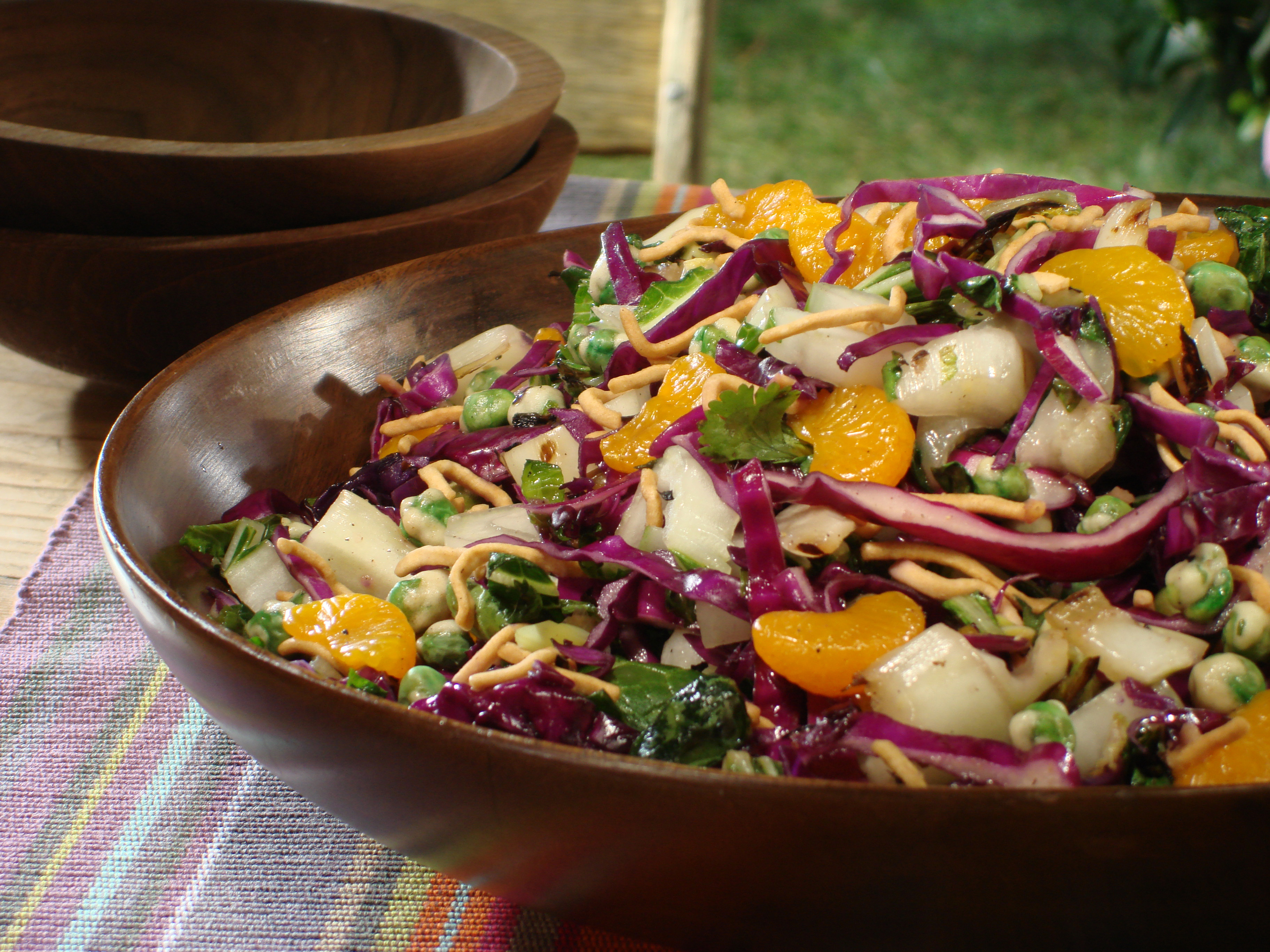
DIM not only wards of off bad estrogen, it also acts as an immunostimulant, naturally “boosting” your immune system —and research now indicates it had various potent cancer-fighting properties.GT0309_Grilled-Bok-Choy-Salad_s4x3

Make sure your daily diet includes broccoli, cauliflower, spinach, and cabbage, brussels sprouts, swiss chard, arugula, collard greens, bok choy, kale, or watercress.

DIM is also fat-soluble.  You can enhance the absorption of these health-promoting vegetables by eating them with olive oil, ghee or organic butter.

For more information on Panchakarma treatments, visit The Raj Ayurveda Health Spa website:

www.theraj.com


( Picture of inspirational rocks. Source: Google Advance Image Search.
Creative Commons. The image is used under the terms of Googles Creative Commons rules:http://creativecommons.org/licenses/by/2.0/deed.en. This photograph and credit do not constitute an endorsement of this blog or products mentioned.)

( Picture of bok choy salad. Source: Google Advance Image Search.
Creative Commons. The image is used under the terms of Googles Creative Commons rules:http://creativecommons.org/licenses/by/2.0/deed.en. This photograph and credit do not constitute an endorsement of this blog or products mentioned.)