
Ayurveda Tips for the Spring-to-Summer Transition

hot.jpg

Now that the cool, wet Kapha days of spring are behind us, it is time to adjust to the increase in heat in our environment. The hot, sunny, and dry days of summer mean that that same heating, Pitta influence is increasing in our physiology. Pitta is hot, sharp, sour, pungent, and penetrating. It is a fundamental principle of Ayurveda that like increases like. To balance Pitta, we need to opt for choices that are cooling, sweet and relaxing.

Diet

Because the hot weather of summer increases Pitta within the body, we need to begin to favor foods that pacify (decrease) Pitta. Include more foods with sweet, bitter and astringent tastes. Include the fresh, sweet fruits and vegetable that grow in this season. Foods such as cucumbers, sweet fruits, and melons are considered very cooling. Dairy can help balance the heat of Pitta. This includes milk, butter, and ghee.

Opt for fewer foods with pungent, sour and salty tastes. Sour, fermented products such as yogurt, cheese, sour cream, and vinegar should be used sparingly as sour tastes aggravate Pitta. Eat fewer tomatoes and hot spices. Rice (especially white basmati rice), barley, wheat and oats are the best grains to reduce Pitta. Eat less corn, rye, millet, and brown rice.

Switch over to cooling herbs such as coriander, cilantro, fennel, cardamom, and saffron. Hard liquor, red wine, and red meat are too heating for the summer.

Enhancing Digestion

As the heat increases outside our body, our physical system tries to maintain balance by lowering our internal fires. As a result out metabolism becomes lower and our ability to digest food diminishes. While may seem natural at this time to indulge in colorful salads and plates of uncooked vegetables, unless your digestive capability is exceptionally strong, your body may not be able to absorb nutrients from raw foods. Ayurveda recommends cooked foods to strengthen one’s digestive power and optimize nutrient absorption. Ripe fruits are considered to be “cooked by the sun” and are fine to eat. Avoid sour tasting fruits, however, as they will increase Pitta.

Ayurveda recommends never eating iced or cold food and drinks. While it can be tempting to grab a drink from the refrigerator or enjoy some ice cream on a hot summer day, these foods will pretty much “put out” our already diminished digestive fire. If you must, indulge in ice cream in the late afternoon, after your lunch has been thoroughly digested.

Stay away from carbonated drinks, as they also act to slow down digestion.

Meal Times

To keep Pitta dosha from becoming aggravated, do not skip meals or wait until you are ravenously hungry before you eat. In the summer months it is good to follow good eating habits: Breakfast is important. Cooked apples or pears are a light yet nourishing way to start the day. If you need a heartier breakfast, include cooked cereal.

Eat your main meal at noon when your digestive fires are at their peak. While yogurt is not recommended in the summer, yogurt in the form of lassi can actually help boost digestion. Drink it at the end of your meal.

Stay Hydrated!

Pitta is drying by nature. It is important to drink 4 – 6 cups of water daily, as well as enjoying other cooling beverages.

Daily Routine

Those who enjoy daily Ayurvedic massage may want to switch from sesame oil to a cooler oils such as coconut oil or olive oil.

Avoid direct exposure to the sun from 10 a.m. to 3 p.m. Save your exercise for the early morning or late evening. Avoid extreme sports.

Go to bed on time. Because the days are longer in the summer, it is easy to stay up late. Unfortunately, because the sun rises early (along with the birds), we also tend to get up earlier. This lack of sleep can aggravate both Vata and Pitta. In addition, staying up late at night to watch television, or use the computer can aggravate the Pitta located in our eyes. Try to switch off electronic devices early in the evening to give your eyes a rest.

Favor aromas that are cooling and sweet. Sandalwood, rose, jasmine, mint, lavender, chamomile rose and geranium are recommended.

And don’t forget to meditate! Regular meditation will help lower your mental/emotional temperature.

Signs of Pitta Aggravation

The doshas, Vata, Pitta, and Kapha, are primary forces that are responsible for the characteristics of both our mind and our body. Pitta imbalance can manifest emotionally as well as physically. Anger, jealousy, and finding ourselves being increasing critical of others are as much signs of Pitta imbalance as indigestion, rashes, skin irritations, and burning eyes. Other signs of Pitta imbalance include diarrhea, burning sensations, sweating, fever, inflammation and problems with the small intestine and the stomach. Excess Pitta can lead to acidity, ulcers and liver disorders. If you suspect any health problems, seek a qualified practitioner.

Some people find that insomnia can increase during the summer months. Pitta-based insomnia is associated with waking up in the very early hours of the morning and not being able to get back to sleep.

Making changes in our diet and daily routine at the beginning of the season can help us avoid Pitta imbalances and allow us to enjoy a healthful and blissful summer.

For more information of programs to address Pitta imbalances, such as insomnia, gastritis, and ulcers, visit The Raj Ayurveda Health Spa website:


http://www.theraj.com

Drinking from a Copper Cup—A Healthful Ayurvedic Tradition

** The week after we published this blog, an study was released showing that copper is key in the metabolization of fat. The more copper there is, the more easily fat is broken down to be used for energy. The researchers feel it would be worthwhile to study whether a deficiency in copper could be linked to obesity and obesity related diseases.

One of the traditional recommendations of Ayurveda is to drink water from a copper cup. According to the ancient science, water stored in a copper vessel has the ability to balance all the three doshas (Vata, Kapha and Pitta). Ideally water should stay in the copper container for at least eight hours. Ayurveda recommends starting the morning by drinking room temperature water that has been stored in a copper vessel overnight.

Copper is a mineral essential to the healthy functioning of our body. It is required in most processes that occur in our body, from cell formation to aiding in the absorption of iron. However, our body cannot synthesize copper. We need to get it from outside sources. Only about 25% of the US population is getting adequate copper in their diet each day.

Before I delve into the benefits of copper, is important to point out that, as with many things in life, it is possible to get too much of a good thing. According to the FDA, about 10 mg/day is enough to provide the benefits without causing any harm. Drinking one or two cups a day should be enough for you to enjoy all the healthful qualities of copper. If you are eating large quantities of foods that naturally contain copper, one cup in the morning will probably suffice. (See list of foods at the end of the blog.)

Benefits of Copper

Copper is known for its immense anti-bacterial, anti-viral and anti-inflammatory properties. It is known to be “oligodynamic” in nature, meaning that is has a sterilizing effect on bacteria. It has been shown to be especially effective against E.coli and S.aureus, two common bacteria that are known to cause severe illnesses. At the end of one study on copper, researchers recommended copper water storage as a solution to cleaning water in countries that do not have good sanitation systems.

Copper-mugs-hammered.jpg

Drinking water from a copper vessel is said to help the digestive system perform more effectively. This is because copper has properties that stimulate peristalsis (the rhythmic contraction and relaxation of the stomach that is needed to digest our food and to move it along the digestive tract.)

Research has shown that storing drinking water stored in copper pots kills harmful bacteria and reduces inflammation within the stomach. For this reason the practice is said to help detoxify the stomach, regulate the working of the liver and kidneys, aid with the proper elimination of waste and ensure the absorption of nutrients from food. Traditionally drinking from a copper cup is recommended for infections, indigestion and ulcers.

Drinking from copper is also said to help with weight loss. Apart from improving digestion, copper is thought to help the body break down fat and eliminate it more efficiently.

Copper is used to heal wounds because of its anti-bacterial, anti-viral and anti-inflammatory properties. In addition, copper is known to strengthen our immune system and aid in the production of new cells.

Because of this property —the production of new cells — some swear that copper helps reduce signs of aging. Due to its strong anti-oxidant and cell forming properties, copper fights off free radicals, one of the main reasons for the formation of fine lines on the face. Copper also helps in the production of new and healthy skin cells.

According to the American Cancer Society, copper has been found to help regulate blood pressure, heart rate and can help lowers one’s cholesterol and triglyceride levels. It also helps prevent the accumulation of plaque and has the documented effect of dilating blood vessels to allow better flow of blood to the heart.

Can copper help fight cancer? Studies have shown that copper complexes have considerable cancer-fighting abilities. This may be due to copper’s antioxidant properties that help fight off the ill effects of free radicals. Free radicals are associated with the development of cancer.

Copper stimulates our brain: Our brain works by transmitting impulses from one neuron to another through an area known as the synapses. These neurons are covered by the myelin sheath, which acts as a conductive agent, helping the flow of impulses. Copper assists in the synthesis of phospholipids that are essential for the formation of these myelin sheaths, thereby, making the brain work faster and more efficiently.

:Because copper has potent anti-inflammatory properties, it can be helpful in relieving the aches and pains caused due to inflamed joints

Finding a Copper Cup

Copper cups and vessels are easy to find. Be sure that you buy cups, mugs or pots that are pure copper. Avoid glazes that help keep the copper looking shiny and new. Rinse your new vessel with boiling water before you use it.

Don’t store your copper water in the refrigerator. Make it fresh every day.

How to Clean your Copper Vessel

Do not use a coarse sponge and soap to wash your vessel. Squeeze most of the juice out of one half of a lemon and rub the lemon on the inside of the vessel. Allow it to stand for a few minutes and then wash off with plain water.

Or, if you prefer, make a mixture of baking soda and water to coat the inside of the vessel and allow it to stand for a few minutes and rinse away the excess baking soda.

Foods Containing Copper

According to Wikipedia, foods contribute virtually all of the copper consumed by humans. The best dietary sources include seafood,organ meats, whole grains, legumes, and chocolate. Nuts, including peanuts and pecans are especially rich in copper, as are wheat and rye, lemons and raisins. Other food sources containing copper include potatoes, peas, red meat, some dark green leafy vegetables, coconuts, papaya and apples. In general, copper bioavailability is low in most plant foods.

A number of vitamin supplements include copper as small inorganic molecules such as cupric oxide. It is better to avoid these. These supplements can result in excess free copper in the brain as the copper can cross the blood-brain barrier directly. Normally, organic copper in food is first processed by the liver, which keeps free copper levels under control.

Ayurvedic Traditions

Ayurveda is a rich, living health science, While this ancient wisdom may be expressed in somewhat foreign terms compared to the technical medical language of today, it has stood the test of time. Week after week we see new research from modern science that backs up traditional Ayurvedic principles. The Raj Ayurveda Health Spa is proud to offer an authentic Ayurveda approach to healing to help restore balance and reawaken the body’s natural healing mechanisms.

www.theraj.com


Relieve Joint Pain with Ayurvedic Massage

Joint pain can be debilitating, limiting activity and affecting many aspects of life. While there are medications that can help manage the pain, these often tend to have temporary effects and in many cases, severe side effects. Ayurveda offers a natural approach to pain relief without any harmful results.

Joint pain and arthritis are usually associated with Vata imbalance and often include a build-up of ama, or internal toxins. Following a Vata-pacifying diet, getting to sleep on time, and being regular with one’s daily oil massage can often help reduce symptoms of Vata imbalance.

Ayurveda also offers a number of helpful massages that can be enjoyed either as a part of Panchakarma treatments, or as day spa treatments. A consultation with an Ayurveda expert can help you to decide which approach could best help with your specific condition.

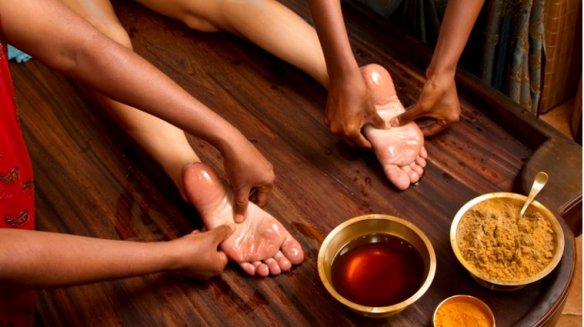
Abhyanga: This is a two-technician, synchronized, full body massage with herbalized oil that lasts about 45 minutes. The herbalized oil is selected according to your specific level of balance or imbalance. The massage is done in seven standard positions so that all the joints and large muscles are addressed.

massage1.jpg

Benefits: Most Ayurvedic massage is done by two therapists working in synchrony on either side of the body. This is said to help balance the left and right sides of the brain. The oils lubricate joints and release toxins, while the gentle, rhythmic strokes stimulate the body’s lymphatic system and relax the muscles. After receiving this treatment for a number of consecutive days, the body begins to absorb the oils, which help lubricate the many channels of the physiology and remove deep-rooted toxins.

Abhyanga helps to relieve joints and muscles from stiffness and pain. The treatment increases blood circulation, which in turn encourages the removal of metabolic wastes and toxins. It is often recommended for anxiety, fatigue, circulatory disorders, rheumatism, arthritis, and backache. It helps in treatment of sleep disorders and induces a general sense of well-being.

Pizzichili: Pizzichiil literally means “squeezing”. During this treatment, warm oil is pumped through hoses that are held by technicians as they perform a synchronized massage. Guests have described this massage as “river of velvet” that both heats and relaxes the body.

Benefits: Relieves body pain and muscle spasms, helps preserve and promote optimum health, increases immunity, and promotes health of muscles. The massage also helps ensures improved blood circulation. A soothing and relaxing procedure, it is very useful for rheumatic disorders, arthritis and, diabetes. It can also be very effective in helping with symptoms of asthma.

Pinda Swedana: This massage involves massage of the body with boluses of cooked rice. The rice is first cooked with milk and an herbal decoction. This is a strengthening fomentation that can be helpful with a number of neurological disorders, rheumatism, arthritis, joint pain, and even injuries. This therapy is done in the seven standard positions.

Benefits: Strengthens the body, rejuvenates the tissues, improves muscle tone, improves blood supply by cleansing the channels of circulation, and is traditionally said to be effective with diseases of the nervous system and others such as chronic rheumatism, osteoarthritis, and gout. It is said to make the body strong and sturdy, nourish the body, and increase immunity. It also gives softness and luster to the skin.

External Basti: A well of dough is built around the affected area. Warm, herbalized oil is then poured into the well. Various bastis include:

Kati basti for back pain

Hridaya basti for heart problems, emotional or physical

Griva basti for neck pain

Merudanda basti for spine health

Janu basti to address knee pain

Shiro basti (on the top of the head) for emotional stability, insomnia

If you are looking for relief from particular symptom or disorder, schedule a consultation with an Ayurveda expert to see what massages can help. Often a mixture of two or three massages is recommended. For more information on Ayurvedic programs for joint pain, visit The Raj Ayurveda Health Spa website:

http://www.theraj.com

How We Live Determines How We Age

Is more stress in your future? More than likely, yes. Stress is one of America’s leading causes of disease. Chronic stress breaks out physically as headaches, allergies, ulcers and heart disease. Ultimately, stress wears down the immune system, allowing the body to fall prey to disease. Chronic stress can also lead to mental frustration, anxiety, and ultimately, depression. There’s really no way around it: sooner or later, chronic stress will make us ill.

Science has shown us that by reducing stress not only do we remain healthier as we age, memory and mental abilities remain stronger as well. Researchers have learned that stress can actually damage the hippocampus, an area of the brain governing learning and memory. In short, stress can cause brain damage.

Unfortunately, many people deal with stress by adopting behaviors that end up increasing their stress load. Turning to “comfort food”, staying up late to watch TV or read or to catch up on work, drinking caffeinated drinks and energy drinks, relaxing with alcohol… All these “quick fixes” actually end up putting more stress on the body’s systems.

This is why preventive health centers like The Raj Ayurveda Health Spa, which incorporate stress reducing techniques and alternative therapy strategies, are becoming more and more important. While most agree that prevention is the future of health, the key question is how to take people from the stage of talking about the importance of diet, meditation, and exercise to the stage of actually doing something about it.

In-residence experiences take away the excuses. They take a person away from habits, distractions, and immediate sources of stress. Out of sight helps you to be out of the minds of your co-workers and even your family. I can’t tell you how often we’ve heard guests exclaim over the unexpected experience of being taken care of — because they are so accustomed to always taking care of others.

At the heart of The Raj programs are the traditional Ayurvedic Panchakarma treatments, designed to remove imbalances and impurities from the body and to rejuvenate the mind and body. These therapies detoxify the body, rejuvenate the internal organs, lubricate joints, release toxins, stimulate the body’s lymphatic system, and relax the muscles.

The Raj also offers guests instruction in the Transcendental Meditation technique (TM). The physiological response during TM has been found to be the exact opposite of the body’s stress response. As the mind experiences quieter, subtler levels of the thinking process, the body gains a state of profound rest, much deeper than ordinary relaxation.

o.jpg

Research has found that the practice of the TM technique results in the normalization of hormone levels, blood pressure, cholesterol, cardiovascular health and brain functioning. The body starts to maintain a more rested, calm and energetic style of functioning even outside of meditation, making us more resilient to stress.

Published research shows that just one year of regular practice of the TM technique can be the antidote to stress and its detrimental effects. Even short-term practitioners of this meditation have, on average, a biological age five years younger than their chronological age. Five years of TM practice results in a biological age 12.5 years younger than the practitioner’s chronological age.

Guests at The Raj participate in daily Yoga classes, learning a simple set of yoga exercises that can be fit into almost any schedule. Yoga has been shown to help reduce stress, lower blood pressure and lower your heart rate.

When guests return home from an in-residence experience, they should know how to eat, handle stress and how to live a life that supports health and happiness. Studies on twins have shown that only 20% to 25% of what determines how long we live is genetically determined. This means 75% to 80% must be due to our lifestyle, diet, environment, etc. At The Raj guests adopt an Ayurvedic daily routine; a routine that is in tune with the cycles of nature. Integrating these principles into one’s daily life supports healthy changes in body, mind, and consciousness. The Ayurvedic routine helps to establish balance in one’s constitution, regularizes a person’s biological clock, and aids in the digestion, absorption and assimilation of food, leading to a healthier and more resilient physiology.

Staying healthy makes more sense than trying to cure illness. It is never to early or too late to start a healthy lifestyle. If you find yourself struggling to maintain balance in your life, consider treating yourself to an in-residence experience.

For more information on in-residence programs at The Raj Ayurveda Health Spa, visit the website:

www.theraj.com

Turmeric: The Spice of Life

When guests are given their going-home recommendations at The Raj Ayurveda Health Spa, we encourage them to use spice mixtures, called “churnas”, when cooking. One reason is that these spice mixtures contain all six tastes and that they help keep the doshas in balance. Another reason is that churnas contain herbs and spices that promote health.

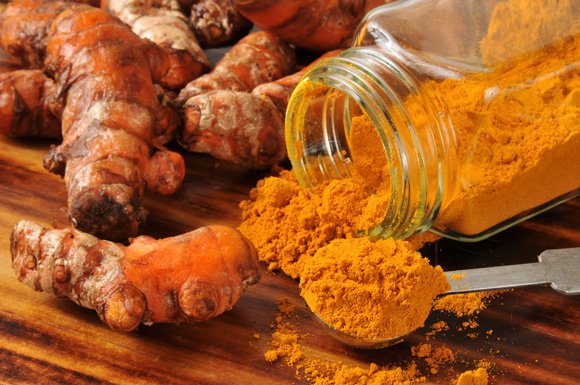
turmeric-roots-and-a-jar-of-turmeric-powder.jpg

Today we are going to focus on turmeric, the yellow-pigmented spice that is an important ingredient in all of the churnas. Turmeric has traditionally been used in Indian cuisine and in Ayurveda herbal medicine. Ayurveda practitioners prescribed the spice to reduce inflammation and joint problems, to treat digestive disorders, and to address skin disorders. Due to turmeric’s heating quality, it helps to balance Kapha and Vata doshas and due to its bitter taste, it helps to balance Pitta dosha.

In recent years, turmeric has become well known in main-stream America for its medicinal benefits. Nearly 7000 studies and scientific articles have been published on the medical effectiveness of compounds in turmeric in areas such as chronic inflammation and pain, rheumatoid arthritis, diabetes, cancer, and brain health and memory.

How To Use Turmeric

Before I get into the wonderful details of how turmeric supports health and longevity, I wanted to highlight how best to use turmeric. Over-cooking turmeric can easily destroy the fragile molecules of the important medical compounds contained in the spice. To retain the best of both taste and health, add turmeric after you have cooked your soup, grains or vegetables.

Start with melting ghee in a frying pan until it becomes clear. Then add turmeric powder and mix it into the oil. Remove the frying pan from direct heat and allow the spice to simmer in the hot oil for 5 minutes, or until it turns a slightly darker color and releases its aroma. Pour this over your already-cooked food or add it to your pot of already-cooked soup, and serve.

When storing turmeric, it is good to protect the spice from the light and heat. Store turmeric in a dark, cool place.

Now let’s look at the wealth of benefits offered by turmeric.

Curcumin

Curcumin is the most well-studied bioactive ingredient in turmeric, exhibiting over 150 potentially therapeutic effects. Curcumin is also capable of crossing the blood-brain barrier. This is why is it is good to add turmeric to healthy fats used in cooking, such as ghee and olive oil. The addition of turmeric allows the fats to be utilized by the brain. Our brains are composed of 60 percent fat and the brain needs fat in order to work properly.

Curcumin has been investigated for its potential role in improving Parkinson’s disease, Alzheimer’s disease, colon cancer, and stroke damage. It can also promote brain health in general, courtesy of its potent antioxidant and anti-inflammatory properties, as discussed more below.

Amazingly, Curcumin has the ability to modulate as many as 700 of our genes. It can also insert itself into our cells’ membranes, changing the physical properties of the membrane itself by making them more orderly. Curucmin also has the ability to affect signaling molecules. For example, curcumin has been shown to directly interact with inflammatory molecules, various carrier proteins, cell survival proteins and DNA and RNA.

Turmeric May Regenerate Brain Cells

Curcumin is not the only important ingredient in turmeric. Aromatic-turmerone is a compound that can increase neural stem cell growth in the brain by as much as 80 percent. Neural stem cells differentiate into neurons and play an important role in the brain’s self-repair mechanisms. This suggests that turmeric could aid in the recovery of brain function diseases such as Alzheimer’s and stroke

Curcumin has been shown to help inhibit the accumulation of destructive beta-amyloids in the brain of Alzheimer’s patients, as well as break up existing plaques. In addition, people with Alzheimer’s tend to have higher levels of inflammation in their brains, and curcumin is perhaps most known for its potent anti-inflammatory properties.

Given the astounding health benefits of adding turmeric to soup, grains and vegetables, we recommend making the use of this wonderful spice a daily practice.

www.theraj.com

Can Ayurveda Help Prevent Colds and Flu?

493x335_generic_cold_and_flu_1_other.jpg

The Ayurveda approach to protecting oneself from colds and flus involves boosting the overall immune system of the body. One of the key approaches is through Panchakarma, the traditional purification therapies of Ayurveda. Panchakarma effectively eliminates toxins from the body and is recommended both for healthy individuals as well as for those showing symptoms of various disorders.

According to Ayurveda, our physiology is made up of doshas (functional elements), dhatus (structural elements) and malas (waste products). The three doshas are Vata, Pitta and Kapha. These three doshas are responsible for specific functions in our body and their balance is foundational to our health — whereas a loss of balance is known to contribute to disease and disorders.

Panchakarma procedures help to bring these doshas back to their natural balance, thus restoring health and vitality.

Three Stages of Panchakarma:

Stage one: During the first phase of Panchakarma, the body and the internal system is prepared for the elimination of toxins. This process is marked by 1) oliation, which means purifying the body by administering various oils both internally and externally; and 2) sudation, which means preparing the sweat glands to expel the toxins through sweat.

Oliation begins a week before your treatment program with a home routine created specifically to support your individual doshic balance and state of health. Most people follow a low-fat diet during this time, while ingesting varying amounts of ghee and/or herbs.

Throughout your Panchakarma program, you will enjoy a variety of both oil massages and heat treatments. The massages help move the cellular toxins from the tissues and joints and into the intestine. Heat treatments allow the oils to penetrate deeply into the tissues and also encourage the body to sweat out toxins through the skin.

Stage two; Stage two involves the elimination process. Most people who undergo Panchakarma are prescribed “basti” treatments. Basti is an Ayurvedic treatment in which medicated oils and herbal preparations are introduced as an enema in order to flush toxins from the intestinal tract. Bastis offer more healing benefits than simply evacuating the colon. The medicinal effects of herbs given in this manner are able to penetrate the deeper tissues of the physiology, including the bones.

Stage three: Removing toxins is not a magic solution that will keep you healthy for life. During your stay at The Raj, you will be given recommendations for changes in diet and lifestyle that will help maintain balance and support a healthy immune system. Understanding the Ayurvedic principles of daily routine and diet according to the seasons and your doshic balance, and understanding how to maintain a strong digestion are all key to keeping your mind/body system at its strongest.

Over the years we have seen guests arrive at The Raj with numerous concerns ranging from high blood pressure to diabetes, MS, migraines, asthma, arthritis and more. And over and over again, we receive letters weeks after their departure telling us how their symptoms have improved. Did Panchakarma “cure” these disorders? Not at all. What Panchakarma did was to remove toxins and imbalances that were blocking in ability of the body to do what it does best: create health. If you support your immune system, your immune system will support you.

For more information on Panchakarma, visit The Raj Ayurveda Health Spa website:
www.theraj.com

Exercise to Uphold Health and Beauty

The winter-to-spring transition is a delicate time when it comes to physical activity. While exercise is beneficial in balancing the natural increase of Kapha, the Vata that has accumulated in our physiologies over the long, cold winter can make us prone to joint pain, back pain and muscle spasms. Therefore it is good to pay attention to what your body is telling you. Back off if you feel any twinges or pain. As you increase your exercise, think to balance Vata at the same time. Being regular with your morning oil massage and yoga exercises, and favor warm, nourishing foods that can help pacify Vata while you wake up your Kapha. A visit to an Ayurvedic expert is the ideal way to determine how much Vata has accumulated over the winter and what procedures are best to restore a healthy balance.

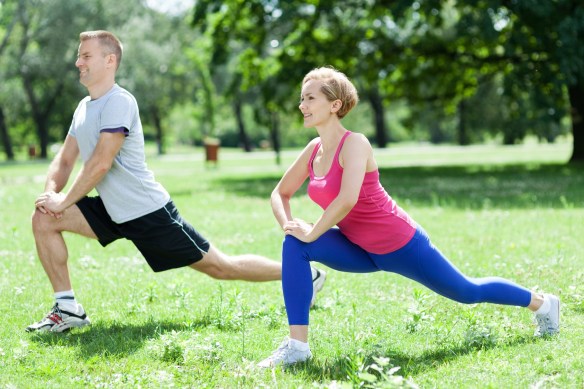
a_lifestyle_that_includes_daily_exercise_has_many_healthy_benefits.jpg

That said, let’s look at the benefits of exercise. Exercise can help us look and feel better on almost every level.

  1. Improves digestion and prevents constipation: According to Ayurveda, poor digestion leads to an accumulation of ama, which is a contributing factor to most diseases and disorders. A study published by the Gastroenterological Society of Australia showed that exercise helps strengthen the walls of the abdomen and the intestinal muscles, allowing for the more efficient breakdown food by effectively moving it through your digestive tract. Even intermittent walking throughout the day can improve the functioning of your digestive tract.
  2. Helps beat anxiety, stress and depression: When we workout, our brain releases powerful, relaxing chemicals like seretonin, norepinephrine and dopamine. These hormones help relieve stress and anxiety. For this reason, exercise is often recommended to those with depression.
  3. Helps reverse aging. Reducing stress also means reducing the production of the stress-related hormone cortisol in the body. Cortisol has been shown to interfere with the production of collagen, the protein that helps keep our skin supple and elastic. Given that exercise boosts the production of collagen, it makes sense that walking, biking and other forms of physical activity can delay the onset of wrinkles and other signs of ageing.

Exercise also helps reverse the ageing process at the cellular level. According to a study conducted published in the International Journal of Sports Medicine, exercise helped reverse cell damage due to oxidative stress

  1. Helps improve sleep: A study published in the Journal of Sleep Medicine Reviews connected exercise with increased sleep hours. When we sleep our body produces a growth hormone that helps repair and rebuild body tissues.
  2. Gives us glowing skin. When you workout there is increased blood circulation in and around your face, giving your skin a healthy glow.
  3. Promotes healthy hair: Exercise helps increase blood flow to the scalp, keeping hair and its follicles healthy. It also helps circulate oxygenated blood to our hair, which makes it stronger.

If the end of winter brings with it poor sleep, increased joint and muscle pain, constipation, and other symptoms of Vata imbalance, you might want to consider Panchakarma or day spa treatments to help removed deep-seated Vata from the tissues. For more information on available treatments, visit The Raj Ayurveda Health Spa website:

www.theraj.com

Rise and Shine!

rise-and-shine.jpg

During springtime, when Kapha is becoming lively in our environment, getting up early becomes more important than ever. There is reason why early risers are said to be healthy, wealthy and wise. If you haven’t made the adjustment already, spring is the time to go to bed earlier and get in the habit waking up by 6:00 or 6:30.

  1. You’ll feel more energetic: The principles of Ayurveda recommend getting up an hour before sunrise to synchronize the body cycle with the rhythm of the sun. This time is called Bhrama Muhurta in Ayurveda and is believed to be an auspicious time where significant shifts in energy levels of the body take place. By getting up before the Kapha time of the day exerts its heavy influence (6:00 AM), you’ll feel more energetic throughout the day.
  2. You’ll have time to meditate and exercise If you wake up late your morning begins in a rush to get dressed and leave the house. Key activities that can support your quality of thought and activity through out the day, like mediation and exercise, get put aside. Waking up early in the morning gives you time to meditate, practice yoga and get some exercise, all activities proven to create a foundation of well-being.
  3. You’ll feel happier: While the energetic feeling after an early morning meditation and workout itself may be enough to keep you happy throughout the day, there is increasing evidence that early risers feel positive and more confident in their work, which results in long-term happiness. A study published in the journal “Emotion” noted that those who had their daily routine in sync with the sunrise and sunset pattern experiences more happiness than late risers.
  4. You’ll be more productive: The morning Vata period is one of the most productive times of the day. Your brain has rested well and neuronal connections and pathways have been re-charged during the night. Studies show you can think faster and have more focus during the morning hours. If you follow the rule of ‘early to bed, early to rise,’ you’ll find that much of your important work will get done in the first half of the day.
  5. You’ll get better sleep: Obviously, if you wake up early in the morning and begin your daily activities at an early hour, your body will be primed to go to bed earlier at night. According to Ayurveda, it is ideal to go to bed during the Kapha time of the day. This means closing the eyes before 10:00 PM. Evening Pitta time begins at 10:00 PM. The transformative qualities of Pitta should be used to repair the body from the wear and tear of the day’s activities. If you stay up late, you’ll find that Pitta ends up used for mental stimulation and /or late night snacking. Don’t rob your body of this important period of rejuvenation.
  6. You’ll feel happier: A study published in the Psychiatry and Clinical Neurosciences showed that people who stayed up late were three times more likely to experience depression as compared to those who went to bed early.

Factors That Affect Our Sleep:

Regular routine: One of the most important strategies for getting a good night’s sleep is getting in sync with our body’s natural sleep-wake cycle, or circadian rhythm. Going to bed and getting up at the same time each day makes us feel much more refreshed than getting the same number of hours but at different times.

Exposure to Light: Melatonin, a naturally occurring hormone controlled by light exposure, helps regulate our sleep-wake cycle. Our brain secretes more melatonin when it’s dark—making us sleepy—and less when it’s light—making us more alert. This means that spending long days in an office, shielded from natural light, can impact our daytime wakefulness. And lights at night—energy-efficient LED lights and blue light from TV and computer screens—can tell body that it is time to wake up.

Exercise: Research shows that regular exercise leads to better sleep at night and increased alertness during the day. Regular exercise also improves the symptoms of insomnia and sleep apnea and increases the amount of time you spend in the deep, restorative stages of sleep. Even light exercise—such as walking for just 10 minutes a day—helps to improve sleep quality. It is good to note that exercise is not a quick fix. It can take several months of regular activity before you experience the full sleep-promoting effects.

Eating habits: It’s especially important to watch what you put in your body in the hours leading up to your bedtime. Caffeine can cause sleep problems up to ten to twelve hours after drinking it. If you drink coffee or tea, try enjoying it only in the morning hours.

Eat a light evening meal: Ayurveda recommends a light evening meal. We want the transforming quality of Pitta in the evening to be used for self-repair and not for digestion. In addition, heavy, fatty foods take a lot of work to digest and may keep us up at night.

If you have long-term problems with insomnia and are unable to switch to an early morning routine, you may be suffering from deep-seated Vata and/or Pitta imbalances. Check with an Ayurveda expert experienced in pulse assessment to find out the specific imbalances that are keeping you from a good routine. They will be able to give you individualized recommendations to culture a more healthful sleep cycle. For more information, visit The Raj Ayurveda Health Spa website:

www.theraj.com

Spring Diet to Remove Ama and Balance Kapha Dosha

balance.jpg

While we always want to keep all three doshas in their proper balance, it is good to focus on balancing Kapha in the cooler, wet days of spring when Kapha predominates in our environment. Additionally, this is a good time to put attention on creating a balanced digestive capability. Why? Because springtime is when “ama” (toxins) that have been stored in our bodies over winter start “melting” and being released throughout our physiology. A strong, healthy digestion will help us metabolize and eliminate these deposits of wastes and impurities. This will help us to avoid allergies and spring colds. Try this diet for 2 to 3 weeks at the beginning of springtime.

Main Principles of Spring, Kapha-Reducing Diet

  1. Food must be freshly prepared, preferably in your own home.
  2. Do not use frozen or canned foods
  3. Do not consume any leftovers (food that has been cooked and then refrigerated. This includes most deli foods, such as pasta salad, potato salad, etc.)
  4. Use organically grown foods as much as possible

Items to Avoid: During your spring diet, try to avoid the following:

Red meat

Oily or heavy food preparations such as fried foods, cream sauces or heavy desserts.

Raw vegetables and salads

Hot spices such as chilies, hot peppers or jalepeno

Carbohydrates: this means cutting out pizza, bread, cookies, candy chocolate, cocoa, pastries and baked goods. Freshly made chapattis or flatbreads are the exception to this rule.

Be selective with diary: avoid curdled milk products such as yogurt (except if you are drinking lassi), cheese, cottage cheese, and sour cream. Do not eat butter, ice cream, or any frozen desserts.

Only eat fresh fruit. Avoid jam or dried fruits, except soaked figs and raisins.

Cold foods: No cold water or iced drinks.

Other drinks to avoid: carbonated drinks, alcohol, caffeinated drinks, bottled or canned fruit or vegetable juices.

Sour foods: avoid vinegar or vinegar-containing condiments such as catsup, mustard, pickles, olives, relishes, etc.

Avoid processed soy products like tofu, tempeh, soy dogs, etc.

If you feel the need to follow a non-vegetarian diet, freshly cooked chicken is the best option during this spring, Kapha-reducing diet.

What CAN You Eat?

Enjoy cooked vegetables, grains, legumes (beans, dals), most fresh fruits (better to eat sweet fruits rather than sour. Also, avoid heavy fruits such as bananas and avacodo), nuts and seeds.

Proportionately, eat more vegetables and less grains. Green, leafy greens are a great option at this time of year. Try to include one cup every day.

Barley is the ideal Kapha-reducing grain. Millet, oats, rye, and kashi are good grains at this time of the year. Couscous and quinoa can be enjoyed several times a week, but not every day. Rice and pasta should only be eaten once or twice a week and only at noon.

Low-fat milk is fine to eat if it is boiled with a pinch of ginger or turmeric.

A vegetarian diet is helpful in maintaining a healthy weight and good digestion.

Fresh soups are easy to digest and nourishing.

If you like deserts, cooked fruit or homemade fruit crisps are recommended.

Spice your food at every meal. This will help the digestive process. Favor ginger, black pepper, mustard seeds, oregano, sage, thyme, mint, basil, turmeric, cinnamon and cloves.

Panchakarma Treatments

Spring is the ideal time to enjoy Panchakarma, the traditional detoxification and rejuvenation therapies of Ayurveda. Panchakarma treatments will help to remove toxins and imbalances from deep within the tissues.

For more information, visit The Raj Ayurveda Health Center website:

www.theraj.com

How Ayurveda Can Help Prevent Asthma, Arthritis and Heart Disease

The Ayurvedic approach to creating health has two goals: to restore balance to the level of underlying biological intelligence and to open the channels of communication and circulation. This helps bring re-establish the lively coherence between biological intelligence and the material level of the physiology.

Enhancing Mind-Body Coordination

At its deepest level, the body is a network of intelligence that is constantly being influenced by our mental state. In fact, Ayurveda holds that all health problems are ultimately due to “mistakes of the intellect.” This is because in the mind-body system that constitutes our selves, “consciousness is primary and matter is secondary”. Enhancing the body’s connection with the network of intelligence at its source is the most important step in creating ideal health.

Diet and Proper Routine of Life

Proper routine of life is also a prerequisite for health. In the majority of cases the imbalances at the basis of disease are created over time by simple life-style mistakes in diet, exercise and behavior that disrupt natural biological rhythms.

Our diet and daily routine of eating, sleeping and exercising determine whether we become stronger and healthier day by day or whether we create imbalances that continually grow toward disease. Without proper diet and routine of life, the effectiveness of any treatment program, whether it is a Western medicine approach or an natural medicine approach, will be greatly reduced. This is because the true cause of most diseases and disorders will continue to exist. The primary goal of an Ayurvedic program is to help structure day-to-day behavior so it has a balancing and strengthening effect on health. (See our blog, Staying Healthy with an Ayurvedic Routine)

Internal Cleansing

Impurities blocking the channels of circulation and communication are a major factor in the body losing contact with its own network of intelligence. Most blockages develop gradually over time due to poor digestion, which leads to the creation of impurities (referred to as “ama”), and poor elimination, which allows the impurities to be absorbed into the system.

Improving digestion and elimination and removing accumulated impurities is an important step in your Ayurveda health program. This can be achieved by simple internal cleansing therapies that can done at home can be prescribed by an Ayurveda expert, depending on your individual state of health and balance. For more profound internal cleansing, the traditional detoxification treatments, called Panchakarma, are recommended. (Read our blog on Panchakarma)

human-circulation.png

The following examples describe how an accumulation of ama can be at the basis of various diseases.

1)Arthritis: When ama starts to accumulate in the joints, this can create an inflammatory and immune response that creates the symptoms of arthritis.

2) Asthma: When ama accumulates in the lungs, impeding the circulation in that area, the body can both accumulate more allergens and also become more sensitized to those allergens.

3) Cardiovascular disease: Modern medicine describes how impurities block the cardiovascular system. When the accumulating impurities are high in free radicals, they become very reactive with the blood vessel walls and damage them.

For more information about specific disorders and how Ayurvedic programs can help restore balance, contact the Vedic Health Office at The Raj, Ayurveda Health Spa:

www.theraj.com