Ayurveda Consultations: Know Yourself to Heal Yourself

Ayurveda differs from conventional western medicine in that it acknowledges each individual as a unique being in nature and takes into consideration the ongoing imbalances that accumulate from day to day, season to season, year to year. It does this by starting from a unique point of reference.

Pulse diagnostic closeup

Ayurveda Pulse Assessment

According to Ayurveda, the material level of our body, including the cells, tissues and organs, is organized and directed from a deeper, more fundamental level of biological intelligence. Ayurveda pulse assessment is the tool that allows a trained expert to evaluate the state of balance and activity at this fundamental level. The focus is not on the structural state of our cells, tissues and organs, because that level is only symptomatic, controlled by an underlying level of intelligence.

Ayurveda identifies the three main agencies of biological intelligence as the three “Doshas”: Vata, Pitta and Kapha. These doshas govern, respectively, movement, metabolism and structure. These three organizing principles control all bodily functions and are responsible for maintaining health.

Disease and disorders occur when the free flow of these three principles is blocked or become imbalanced in some way. The body’s natural healing mechanisms are most effective when Vata, Pitta and Kapha are functioning normally and the channels of communication and circulation in the body are unobstructed.

How Knowing Your Body Type Affects You

Ayurvedic pulse assessment evaluates the inherent balance of Vata, Pitta, Kapha that we have by nature, and also identifies any imbalance present in their functioning.

Body Type

Each Individual has unique qualities of digestion, metabolism, elimination, body mass, bone structure, temperament, etc. This is because the levels of activity of Vata, Pitta and Kapha vary from individual to individual. The relative level of activity of the doshas in an individual creates his or her body type.

Body type is important because it determines the proper diet, exercise, and daily routine for an individual. Body type also helps predict what health disorders a person is prone to and is a powerful aid in structuring a health prevention program.

Imbalances

Health disorders are ultimately due to imbalances on the level of biological intelligence, which are disruptions in the proper functioning of Vata, Pitta and Kapha. On the basis of a person’s pulse assessment, an Ayurveda expert can determine whether there is an imbalance in Vata, Pitta and Kapha, and can recommend the proper approach, using Ayurvedic modalities. Ayurvedic modalities recommended at The Raj include diet, herbs, lifestyle changes, Panchakarma, the Transcendental Meditation technique, yoga, and Vedic technologies such as Maharishi Light Therapy with Gems, Maharishi Vedic Vibration — all designed to restore balance to the body and mind.

For more information on Ayurveda consultations at The Raj Ayurveda Health Spa visit:

 www.theraj.com

Managing Stress Affects Health, Memory, and Body Weight

Life is full of ups and downs, and some of them can be stressful. If we are lucky, stress is a short-term event. But often situations occur that keep us stressed for days, weeks, or months. This experience of non-stop stress can cause significant damage to our health, mind and emotions. Understanding the mechanisms of our stress response can help us minimize and control the damage.

Stress-und-Hektik-SOMKKU-Shutterstock.com_-1

The medical dictionary describes stress as “any physical, emotional, social, economic or other factor that requires a response to change.” The human body is brilliantly designed to react to stress in order to survive. It does so by activating the secretion of the hormone cortisol. This initiates a cascade of physiological responses.

Cortisol is meant to be a “quick fix”. It turns “off” many of our normal physiological mechanisms while it turns “on” many temporary mechanisms. It is the source of the “fight or flight” response. Ideally after an emergency situation has been resolved our metabolic functions go back to normal.  If we are under constant stress, however, the long-term secretion of cortisol can compromise our health and permanently alter our metabolic process.

Some of the documented results of long-term stress include:

Results of Long-Term Stress

1. Weakened immune response leading to heightened vulnerability to infection

2.  Memory loss: excess cortisol can overwhelm the hippocampus and actually cause atrophy. Studies of the elderly have indicated that those with elevated cortisol levels display significant memory loss resulting from hippocampus damage. Luckily the damage incurred is usually reversible.

3. An increase in abdominal fat. Researchers at Yale University found slender women who had high cortisol also had more abdominal fat. Abdominal, or visceral, fat is a key player in a variety of health problems Visceral fat has been linked to metabolic disturbances and increased risk for cardiovascular disease and type 2 diabetes. In women, it is also associated with breast cancer and the need for gallbladder surgery.

While we may not be able to eliminate the stress in our lives, we can take measures to give the body the relief from stress that it needs in order to stay healthy.

Stress-Busters

1. Decrease consumption of caffeine and alcohol, both of which impact cortisol levels

2. Go to bed by 10:00. Getting six hours or less over time can significantly increase cortisol levels. It takes a full 7 to 8 hours of sleep to give your body enough time to recover from the day’s stresses.

3. Practice a stress reduction technique.

The Transcendental Meditation technique (TM) has been found to lower cortisol levels. The lowering is greater in those who practice TM regularly. The longer people practice TM, the more pronounced is the effect.

TM was also found to decrease the time it took for the body return to normal functioning following stressful stimuli. This is significant because high cortisol levels can actually create a self-perpetuating loop by disrupting the delicate feedback balance that tells the brain to stop releasing cortisol.

Researchers concluded that the Transcendental Meditation technique gives the body a reprieve from experiencing stress, and as a result, the body care respond more normally to stress stimuli of short duration.

4. Schedule a week of Panchakarma treatments

Multiple studies have shown that massage therapy can lower cortisol levels, increase dopamine and serotonin (our happy, feel-good hormones), and lower excitatory hormones like norepinephrine and epinephrine.

A week of luxurious in-residence treatments can provide a much-needed break from the day-to-day pressures at work and home.

More Stress-Busting Recommendations

  • Get more spinach in your diet.  Spinach has magnesium, which help balance your body’s production of cortisol.
  • Eat more citrus fruits.  Research has shown that citrus fruits like oranges and kiwis have high content of vitamin C, which help slow the production of cortisol.
  • Make sure you’re getting enough healthy omega-3 oils in your diet.  These healthy fats not only inhibit inflammation, but also help lower cortisol levels and reduce stress.
  • Get some Holy Basil in your diet!  This tasty herb is an adaptogen herb, which is a unique class of healing plants that help reduce the production of stress related hormones.
  • Research has shown that zinc helps inhibit the production of cortisol.  Vegetarians can get zinc from cashews, pumpkin seeds, spinach and beans.
  • Good news! Dark chocolate has high levels of anti-oxidants that help decrease inflammation and slow the secretion of cortisol.  Just make sure that it’s at least 70% dark chocolate.

Arming ourselves with an understanding of the stress response and minimizing stress and its impact on our minds and bodies is key to maintaining balanced health. This is why any responsible health program must include stress reduction techniques. Learn more about Panachkarma treatments and learning the Transcendental Meditation technique at The Raj, Ayurveda Health Spa:

www.theraj.com

Is Your Honey Healthy?

g (10)_EXYJ

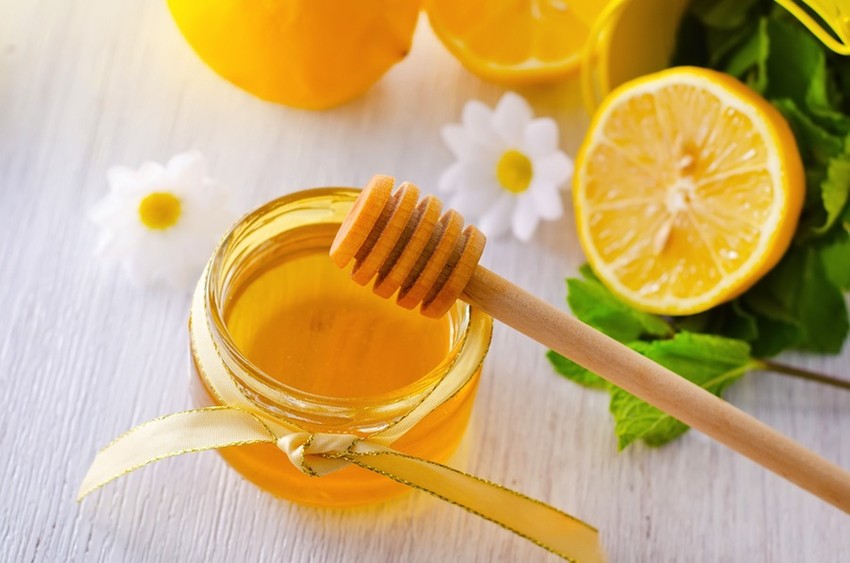
The special healing quality of honey has been acknowledged throughout history. From the Charaka Samhita, the original textbook of Ayurveda, to the Ebers Papyrus of ancient Egypt, to the writings of Hippocrates, honey has been recognized as having significant medicinal properties. Raw honey is anti-viral, anti-bacterial, and anti-fungal. It contains significant amounts of: B1, B2, B3, B5, B6, C, magnesium, potassium, calcium, sodium chlorine, sulfur, and phosphate. Taken in its proper form, honey is one of nature’s most healing substances.

But honey can also have a toxic effect in the physiology. This happens when we eat honey that has been heated far above the normal temperatures of a beehive. Heating past the maximum hive temperature of 95 degrees Fahrenheit changes honey’s essential composition and degrades its quality. Many of the healthful organic compounds and enzymes in honey are destroyed or inhibited by heat.

The ancient Ayurvedic texts warn that during the heating (including baking or cooking) process, honey becomes hardened and difficult to digest. The toxin created by heated honey causes the shrotas, or fine channels of the physiology, to become clogged, blocking the flow of intelligence in the body. According to Ayurveda, this specific kind of ama is very difficult to remove by simple detox methods, such as sipping hot water, home oil massage or exercising. If you have a history of eating heated honey, you may want to consider Panchakarma treatments (Ayurveda detoxification treatments).

Given this knowledge, it is best to only buy raw honey (honey that is unheated and minimally processed) and to never use honey when cooking meals or baking. Check carefully breads, cereal or other other packaged foods to be sure they do not contain honey. Many health-conscious bakeries and companies now use honey, thinking it is better than sugar. Also, most commercial honey you see in supermarkets is not raw honey. Read your labels carefully to make sure the honey you purchase has not been heated or pasteurized.

If you like to add honey to tea or milk, don’t do so while it is boiling. Wait until your beverage has cooled to a temperature that is comfortable for sipping before adding honey as a sweetener.

A consultation using Ayurveda pulse assessment can help determine if you have problems with ama. For more information visit The Raj Ayurveda Health Spa:

www.theraj.com

The Healing Powers of Hot Water

8668868026_cf8376833a_b

Ayurveda considers removing toxins and impurities from the physiology, and preventing their build-up in the tissues, to be a key part of staying healthy. Ayurveda refers to these toxins and impurities as “ama”. Because ama disrupts the delicate biochemistry in the tissues and blocks the channels of circulation and communication within the physiology, it is a contributing factor in many physical disorders. The build-up of ama often starts with poor digestion. A sluggish digestion creates toxins and poor elimination, which allows the toxins to be absorbed into the circulation system and transported throughout the body.

Many of the recommendations given by Ayurveda experts during a consultation address the need for internal cleansing or detoxification. Of those that can be done at home, sipping hot water throughout the day is easy and effective.

Hot water flowing through the digestive tract helps to dissolve impurities and cleanse the digestive and eliminative systems. The result is an improvement in digestion and assimilation of food, improved elimination, and prevention of the formation of ama.

In addition, the hot water is absorbed into the circulatory system and travels throughout the entire body. The extra warmth and fluid aids in opening all the various channels of circulation, dissolving accumulated impurities and washing them from the body.

Many people report that after just a few weeks of sipping hot water throughout the day, digestion and elimination has improved and they feel fresher, lighter and more energetic.

Drinking hot water (water which just cool enough to be sipped comfortably) is especially helpful during vata and kapha season. During the hot summer months, warm or room-temperature water may be preferred, especially for those with pitta body types or with pitta-related disorders.

Ideally, Ayurveda recommends that water be boiled for ten minutes. Boiling the water allows excessive minerals deposits and impurities to precipitate out and increases the water’s lightness and its cleansing influence.

A slice of fresh ginger root, a pinch of turmeric or a few fennel seeds may be added to the boiling water if desired. These herbs can help increase the cleansing influence of the water in your system. Lemon may be added if it is not upsetting to the stomach.

For more information on Ayurveda consultations, visit The Raj Ayurveda Health Spa:

www.theraj.com

Winter Skin Care: Ayurveda Tips for a Glowing Complexion

This week we are reposting one of our most-read posts. Happy holidays from The Raj!

If you are familiar with Ayurveda, you are familiar with the concept that everything in life — including our bodies, the food that we eat, and the environment around us — is composed of the three “doshas”; vata, pitta and kapha.  These qualities, or principles of nature, each have their own fundamental traits. Vata, the principle of movement, is the ruling dosha for the late fall and winter seasons. These months are marked by the same qualities that characterize vata: coldness, dryness, lightness, and movement.

During the winter many notice a tendency toward dryness, constipation, anxiety and insomnia — all imbalances that can take their toll on our skin.  Luckily, through the understanding of Ayurvedic principles, we can take steps to pacify vata and keep our skin balanced and glowing throughout the winter months.

Washing the Face

At any time of the year it is important to be gentle when washing the face, as it is easy to aggravate vata, which can promote dryness and wrinkles. Favor body-temperature water over hot, hot water. Avoid using soaps with chemical additives. For most skin types, sweet almond oil is a good lubricant to use after washing to help protect the skin. Sweet almond oil is also healthy way to remove make-up before washing. A luxurious option for keeping skin lubricated in the winter is to bathe the face with milk. Whole, organic milk is ideal. The tiny, nutritious molecules of milk can be easily be absorbed by our skin without clogging the pores. Heat the milk to body temperature (not too hot) before applying.6263072078_fe556c5a27_b

Ten Vata-Reducing Tips to Promote Glowing Skin

1. Drink plenty of warm, pure water throughout the day to both purify the body and stay well hydrated.

2. Ideally, enjoy organic, freshly cooked meals, using healthy oils such as olive oil and ghee. Remember, you want to counter the influence of vata, which is characterized as light, dry and cold. Healthy oils in winter are our friends.

3. Eat your main meal at noon.

4. Avoid packaged, frozen, canned and processed foods, which are difficult to digest and often include harmful additives.

5. Favor vata-pacifying foods such as avocados, pumpkins, carrots, beets, asparagus, bananas, lemons, mangoes, peaches, quinoa, basmati rice, wheat, almonds, sesame seeds, boiled milk, and ghee. Nuts and seeds provide healthy oils that are good for skin and hair. Eat more foods with sweet, sour, and salty tastes and less of those with bitter, astringent, and pungent tastes.  Don’t forget that Ayurveda recommends having some amounts of all six tastes with every meal. Otherwise the body can develop food cravings. Ayurvedic spice mixes or “churnas” can help you make sure that you get all six tastes.

6. Avoid dry, raw foods, especially salads and raw vegetables.

7. Use a humidifier at night, especially if you have forced air heating.

8. Before your morning bath, give yourself a gentle self-massage with sesame oil. Those who tend toward pitta imbalances may prefer sweet almond oil or olive oil or coconut oil. The oil helps to pull out toxins from the skin and also leaves a protective layer between your skin and the harsh winter environment. Don’t feel like you have to remove the oil with soap. Soap is essentially oil and fat combined with salt. A good scrub with a luffa or body brush after your morning oil massage is really all you need.

9. Go to bed early and try to get eight hours of sleep. As vata is the principle of movement, the most effective means of pacifying vata is to get enough sleep.

10. Learn to meditate.  The Raj Ayurveda Health Center recommends the Transcendental Meditation program (TM) to complement their in-residence Ayurvedic treatment packages. An imbalance of vata can lead to an overactive mind, worry, anxiety and insomnia. Over 350 published research studies on the TM technique have documented a wide range of benefits, including reduced stress and anxiety, improved health and brain function, and increased self-actualization.

For more information on vata-pacifying skin care products, herbal formulas to improve skin or digestion please contact the herb room at The Raj. Ideally a visit to an Ayurvedic expert in your area will help to more precisely determine which supplements, diet recommendations and life-style tips would benefit your individual mind/body make-up.

Learn more at:

www.theraj.com

Making Sleep Count

According to Ayurveda, a large percentage of our health can be won or lost in how we live our day-to-day life. It is our patterns of eating, sleeping, exercise and what we do daily to rejuvenate ourselves that can determine whether we stay healthy throughout our lifetime.

Ayurveda recognizes the importance of our relationship with the universe around us: if we live in accord with the laws of nature that structure our environment, we can keep our mind/body system functioning efficiently with the least amount of wear and tear.

One key element in living in tune with our environment is when we go to bed and when we get up in the morning. There is a saying, “The day begins the night before.” Only by going to be early in the evening can the next day’s activity be fully in accord with the rhythms of nature.

When we are in bed by 10 P.M. we gain the deepest level of healing and rejuvenation from our sleep. This is because during the 4 hours before 10 P.M., kapha dosha is increasing in nature. This enlivens the qualities of heaviness and dullness in our mind and body and allows us to fall asleep more quickly and to experience deeper, less interrupted sleep.

sleeping_woman-at-a-hotelAfter 10 P.M., pitta dosha starts to become enlivened. Pitta is involved in metabolic cleaning. The body needs to be inactive at this time so that the physiology can focus its intelligence and energy on metabolic cleansing and rejuvenation. When we stay up past 10 P.M., many people experience a “second wind”. Instead of being directed internally, pitta creates an increase in energy, creativity and, too often, hunger. This accounts for the infamous scourge of midnight snacking. While many busy adults feel that they are grabbing valuable “me” time in the late hours of the night, they are, in fact, robbing themselves of a valuable opportunity to heal and rejuvenate. In the long run, night owls may find themselves with deep-seated imbalances and ill health.

Ayurveda recommends that one wake up before 6 A.M. Since it is ideal not to be startled awake by alarms, the best way to spontaneously get up early—and feel rested— is to go to bed early.

The period before 6 A.M. is the time when all of nature is waking up. At this time vata dosha is most lively in the environment. Starting the day during vata time means our mind will experience more of the qualities of balanced vata throughout the day— increased energy, clarity, intelligence and alertness.

The longer we sleep past 6 A.M. the more we are asleep while kapha is dominating the environment. If we sleep in until 7:30, for example, we are lying dull and dormant for 1 and 1/2 hours of kapha time and we will wake up imbibed with those same qualities.

This simple adjustment in routine can make a huge impact on our health. If you are in need of extra “me” time, better to go to bed on time and wake up an hour earlier in the morning.

www.theraj.com

( Picture of woman sleeping. Source: Google Advance Image Search.
Creative Commons. The image is used under the terms of Googles Creative Commons rules:http://creativecommons.org/licenses/by/2.0/deed.en. This photograph and credit do not constitute an endorsement of this blog or products mentioned.)

Ayurveda Approach to Overeating or Binging

fruits-and-veggies-1

According to Ayurveda, compulsive overeating or binging comes from cravings. An ideal weight loss program addresses imbalances in one’s physiology and in one’s diet that may be at the root of cravings and binge behaviors. Cravings can arise from imbalances in our body or from actual nutritional deficiencies. It is better not to try to suppress cravings, because they will only return with increased intensity. Instead, in order to eliminate cravings we need to learn to identify what our body really wants, and then thoroughly satisfy that need.

Ideally the first step in dealing with food cravings or binging would be to consult with an Ayurveda expert (or with your doctor) to make sure that your nutritional needs are being addressed. If you are a vegetarian, are you getting all the necessary amino acids? Vitamin B12? Remember that absorption of B12 can diminish with age. Even if you are eating animal products, if you are over 60 you might want to get your B12 levels checked. If you are not a vegetarian, are you getting enough fruits and vegetables? Keep a log of what you are eating at breakfast, lunch and dinner in order to objectively assess whether or not your diet is balanced and healthy.

If you are eating a balance diet, the second question is, are you absorbing the needed nutrients from your meals? Proper digestion is the key to transforming your food into all the essential elements your body needs to function properly. (See Raj Blog post “Digestion, Digestion, Digestion“)

The third question is, are you getting all 6 tastes (sweet, sour, salty, astringent, pungent and bitter) in your meals? Not only does eating all 6 tastes ensure that all the major food groups and nutrients are represented, it also gives us the feeling of satisfaction. As we eat, our taste buds send messages to our brain letting it know that we have taken in the energy and nutrients that we need. The six tastes are the codes that inform our brain of our meal’s nutritional content. If we take foods that correspond to each of these tastes throughout the day, our meals will provide us with a wide assortment of health-promoting nutrients. If we do not take in the proper nutrients, our brain sends us hunger signals.

The average American diet is short on astringent, pungent and bitter tastes. If our brain does not get the signal from our taste buds that all the important nutritional content has been consumed, the brain will continue to send signals telling us to eat more. Due to longstanding habits, our intellect may misinterpret these signals. A lack of bitter taste, for example, may lead to the consumption of chocolate or coffee, when, in fact, the body is craving the bitter taste of spinach. If we are alert to having all six tastes in our meals we are much less likely to find ourselves searching through our cupboards for “something more” an hour after dinner. (See Raj Blog post “Creating Balance Through Taste

When you feel the desire to eat, ask yourself if you are truly hungry. Notice the sensations in your body. Do you feel hunger or something else? If you are indeed hungry, eat. If you are not sure, try the following:

  1. Notice any physical sensations that come up. Where are they coming from? Do you feel some tension or discomfort? When you feel a sensation, your mind will naturally be drawn to the area of the body that is feeling uncomfortable. This is nature’s way of facilitating the healing process. Because attention by itself has healing power, it brings wholeness to the area. With a few minutes you may find that the discomfort completely subsides.
  2. Drink some plain warm water to see if that settles your system. Also, make a habit of drinking water throughout the day. People often mistake thirst for hunger.
  3. Schedule a consultation with an Ayurveda expert.

For information on consultations with an Ayurveda expert, visit The Raj Ayurveda Health Spa:

www.theraj.com

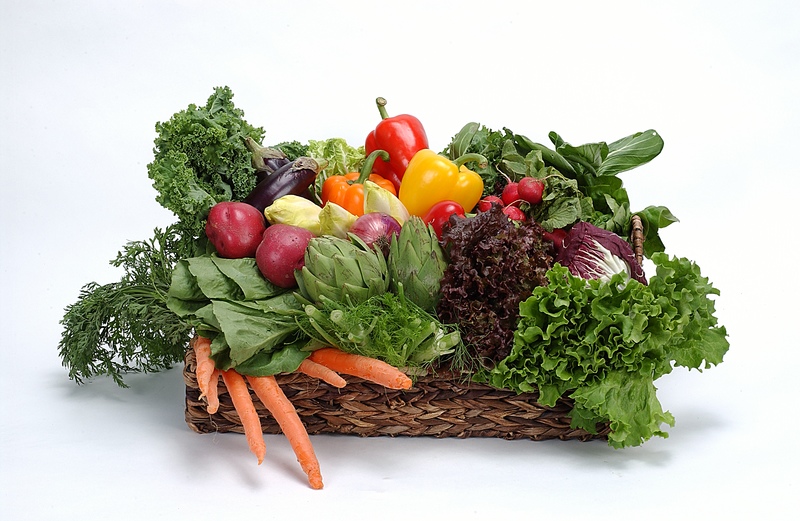
( Picture of fruits and vegetables in basket. Source: Google Advance Image Search.
Creative Commons. The image is used under the terms of Googles Creative Commons rules:http://creativecommons.org/licenses/by/2.0/deed.en. This photograph and credit do not constitute an endorsement of this blog or products mentioned.)

Ayurveda Tips for Holiday Eating

images-2Here are a few guidelines for everyone during the holidays, whether you have a tendency to overeat or just want to maintain a healthy digestion.

  1. Sit at a table when you eat or drink.
  2. Don’t do anything else while you eat. This includes watching TV, listening to music, reading or discussing business. Eating mindlessly does not allow you to properly taste and digest your food. You are more apt to feel unsatisfied and want to eat more, even though you are full.
  3. Avoid eating heavy meals in the evening when our digestion is naturally weaker. Try to schedule heavy holiday meals at lunchtime and favor light nutritious foods such as vegetable soups or steamed vegetables and couscous in the evening.
  4. Include all six tastes in each meal—sweet, salty, sour, pungent, bitter and astringent. Each taste satisfies a different need. Missing one or more can result in cravings.
  5. Perk up your digestion with a slice of fresh ginger sprinkled with a bit of salt and lemon before your meal. This helps get the digestive fires stimulated and ready for the job of breaking down your food to their essential nutrients in a form that can be easily absorbed and utilized by the body.
  6. Do not overeat. According to Ayurveda, ideal digestion takes place when your stomach is no more than three-fourths full, which for most people measures about two cupped handfuls of food. If you still feel hungry, eat a little more. You should feel refreshed and energized after eating, not dull. Remember that overeating impairs digestion. When you eat more than you need, your body actually assimilates less. This can result in nutritional cravings and a habit of overeating. This can also result in being more susceptible to colds and flues. This is because a weak digestion results in the accumulation of undigested food or ama in the physiology. This can weaken the immune system, making it easier for viruses and bacteria to attack. If we can put attention on keeping our digestion strong, we can reduce or avoid the accumulation of toxins, and thereby throw off any bugs more easily. If you are interested in weight loss, maintaining strong digestion is essential.
  7. Avoid cold drinks and beverages. Avoid cold, raw or frozen foods.
  8. Sip warm water throughout the day to help cleanse the body. As soon as you arrive at a holiday festivity, ask for a cup of hot water or herbal tea. This will help you to avoid snacking.

www.theraj.com

( Picture of a nicely set dinner table. Source: Google Advance Image Search.
Creative Commons. The image is used under the terms of Googles Creative Commons rules:http://creativecommons.org/licenses/by/2.0/deed.en. This photograph and credit do not constitute an endorsement of this blog or products mentioned.)

Ayurveda: Ancient Wisdom for Modern Disorders

Flyer 3Over the years, many guests at The Raj have asked us where Ayurveda fits in with modern medicine.

Modern modern medicine has made important and impressive advances in its management of certain categories of disease such as infectious, surgical, and endocrine disorders. In some cases, however, the modern medical approach does not deal with the root causes of the illness, but rather attempts to correct ill health on the level of the symptoms.

For example, in treating hypertension, drugs are often used to lower blood pressure. But if drug is removed, the blood pressure often returns to its previously elevated state. This is because the medicine did not remove the root cause of the disorder. Not only can this approach allow the underlying disease process to go unchecked, new disorders may emerge in the form of side effects from the medication.

The Ayurveda approach to health is highly suitable for many disorders of modern times, which are recognized to have their roots in abnormalities of diet, lifestyle, and environmental influences, and stress. Research and clinical findings suggest that Maharishi Ayurveda may be the best first-line approach to the prevention and treatment of many of these common illnesses.

Ayurveda views the body not merely as a sophisticated machine, but as a physical expression of an underlying field of intelligence. Ironically, this ancient perspective is actually more in tune with the unified field theories of quantum physics (describing the most fundamental levels of nature’s functioning) than modern medicine. Maharishi Ayurveda identifies this unified field of all the laws of nature as pure consciousness, and postulates that this field can be experienced by the human nervous system as the simplest form of human awareness.

In contrast to the view of contemporary medicine, Maharishi Ayurveda does not regard consciousness as a product of the nervous system. Rather, it sees consciousness as the basis of, and that which gives rise to the entire physiology.

Because of this perspective, Ayurveda understands that the relationship between man and nature is central to the maintenance and promotion of ideal health. Enlivening health in a person is understood to be a process of enlivening the wisdom and the intelligence of nature inherent in every individual. The skill of the Ayurveda expert lies not in “healing”, but in setting up those conditions that allow nature’s healing to take place most effortlessly.

The therapeutic strategies of Maharishi Ayurveda, such as Panchakarma, the Transcendental Meditation technique, Maharishi Light Therapy with Gems, etc., are understood as strategies that enliven the innate self-repair mechanisms of our bodies.

Maharishi Panchakarma or Rejuvenation Therapies (PK)

Panchakarma treatments involve a sophisticated system of purification and detoxification treatments that help to eliminate and prevent the accumulation of physiological impurities. Different procedures are utilized according to the type of imbalance present. Once the imbalance is removed, the body’s own healing mechanisms can begin to function in their normal manner. The rejuvenation and detoxification treatments in and of themselves do not “cure” the disorder. They simply support and promote the activity of the body’s innate self-repair mechanisms.

The Transcendental Meditation program (TM)

This mental technique allows the active mind to settle down and experience its least excited state, pure consciousness. Extensive research has documents a broad range of beneficial effects of TM on the mind, body, behavior and environment. These include the lowering of hypertension, 48% reduction in death, heart attack and stroke and the reduction of trait anxiety.

Maharishi Light Therapy with Gems (MLG)

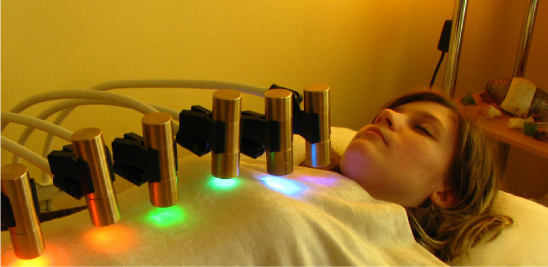
When suitable light shines through a gemstones such as diamonds, emeralds, rubies, blue sapphires and yellow sapphires, the molecular characteristics and healing properties of the gems get imprinted in the specific frequencies (spectrum) of the transmitted light, and then transferred to the body—enlivening the body’s innate intelligence and restoring balance and health to the physiology.

For more information on Panchakarma, the TM technique or Maharishi Light Therapy with Gems and other Maharishi Ayurveda approaches to health, visit The Raj Ayurveda Health Spa:

www.theraj.com


Ayurveda Travel Tips

images-3This is the time of year when many of us are beginning to make travel plans, whether it is for Thanksgiving, Christmas, Hanukkah, New Year’s, or simply planning a February escape from snow and cold weather. Traveling during the late fall and winter has its challenges. When we travel at any time of the year, vata dosha can get out of balance. But because this is the season when vata is predominant in our environment, we need to be extra alert about maintaining balance. To stay in peak health while on long car or airplane trips, try these suggestions:

Get plenty of rest. Take naps and practice the Transcendental Meditation technique.

Try not to rush. Give yourself plenty of time to get to the airport and check in. If driving, don’t speed. Your physiology doesn’t need any extra pressure. Don’t start out your trip feeling frazzled.

Drink plenty of warm fluids. Avoid caffeinated drinks, which will promote additional stimulation, sodas and alcohol. Bring along some Vata Tea in a thermos in your car or ask your flight attendant for hot water and then add your own tea bag.

Avoid cold drinks and cold food.

Avoid eating large quantities of food while you are in the air or traveling in the car. This is especially important when you are crossing time zones. It is better to eat your meal at the normal time after you arrive. If you are driving, bring a thermos of soup to enjoy along the way.

Adopt the local time as soon as you arrive. Resist the urge to nap. Reset your clock and then try to get up and go to bed at the same time as you would at home.

Avoid vata-aggravating foods such as salads, dried fruit and potato chips. Opt for warm, soothing foods.

Bring along some Ayurvedic sesame oil so that you can give yourself an oil massage when you arrive at your destination. The warm oil (you can warm it by floating the bottle in hot water in your sink) and tactile stimulation will go a long way toward soothing vata dosha. If you don’t have time for a full-body massage, try a quick foot massage. (Be sure to wrap the bottle of oil carefully so that it can not leak into your luggage. Double bagging is recommended.)

Schedule some Ayurveda treatments when you return home. Nasya can help with dryness in the nasal and sinus passages and can help address the vata-aggravating influence of traveling, as well as protecting from airborne allergens and pollutants.

Abhyanga (Ayurveda massage), Shirodhara (oil streamed across the forehead) and Swedana (herbalized steam therapy) are helpful treatments to help balance vata after travel— and throughout the winter.

Panchakarma treatments are the most significant Ayurvedic approach to both pacifying vata and drawing out and eliminating impurities that have accumulated during your travels. If you indulge in foods you do not usually eat while you are away, the home-preparation diet and detoxification treatments of Panchakarma will get you back on a healthy routine for the rest of the winter.  Not only will this it will help you transition into spring with fewer allergies and colds, it can help you shed any extra pounds you’ve gained during the holidays.

For more information on scheduling Ayurveda massages and treatments, visit The Raj Ayurveda Health Spa website:

www.theraj.com


( Picture of a woman with scarf and hat. Source: Google Advance Image Search.
Creative Commons. The image is used under the terms of Googles Creative Commons rules:http://creativecommons.org/licenses/by/2.0/deed.en. This photograph and credit do not constitute an endorsement of this blog or products mentioned.)