
Support Brain and Heart Health With Ayurveda

While most people now understand that cholesterol is not uniformly “bad”, not everyone knows that cholesterol, a fatty acid produced in the liver, is actually essential to many bodily functions. Without cholesterol the body could not build cell membranes or synthesize vitamin D, or hormones.

Western medicine teaches us that cholesterol is available in two forms: high-density cholesterol (HDL) (“good” cholesterol) and low-density cholesterol (LDL) (“bad” cholesterol).

LDL (Bad) Cholesterol

LDL cholesterol is considered the “bad” cholesterol because it contributes to plaque, a thick, hard deposit that can clog arteries and make them less flexible.

HDL (Good) Cholesterol

HDL cholesterol is considered “good” cholesterol because it helps remove LDL cholesterol from the arteries. It is believed that HDL acts as a scavenger, carrying LDL cholesterol away from the arteries and back to the liver, where it is broken down and eliminated from the body.

From the Ayurveda perspective, cholesterol is only “bad” when it is out of balance. It is “good” when it is balanced, supporting and lubricating the body’s numerous circulatory channels, known as the shrotas. There are many kinds of shrotas. There are micro-shrotas, which carry nutrients to the cells and waste from the cells. There are larger shrotas, such as the arteries and veins, which carry blood to and from the heart. And there are delicate shrotas that lead to our brain.

For our physiology to be healthy and functioning well, all of these shrotas must be flexible and elastic. When in balance, cholesterol plays an important role in lubricating and maintaining our shrotas.

“Good” cholesterol becomes “bad” cholesterol when we have large amounts of ama in our system. Ama is the sticky waste product of poor digestion, absorption and metabolism. It accumulates as a toxin in the fat tissues. Ama thatis present for a very long time and is not cleansed from the system begins to spread throughout the body, and blocks the important channels of circulation, nourishment and detoxification.

For years, high levels of “good” cholesterol and low levels of “bad” cholesterol has been linked to a healthy heart. In December of 2013, a study was released linking high levels of “good” cholesterol and low levels of “bad” cholesterol to good brain health as well. It was established that high “bad” cholesterol levels were linked to brain deposits that cause Alzheimer’s. A healthy ratio of good vs. bad cholesterol was associated with lower levels of the plaque in the brain. An unhealthy ratio was associated with higher levels of plaque. The findings were independent of age or presence of specific a specific gene that has been linked to some forms of Alzheimer’s.

Natural Ways to Lower Cholesterol: Diet and Purification

Diet

To lower “bad” cholesterol Ayurveda recommends a two-pronged approach: Improve digestion and follow a Kapha-balancing diet to enhance fat metabolism.

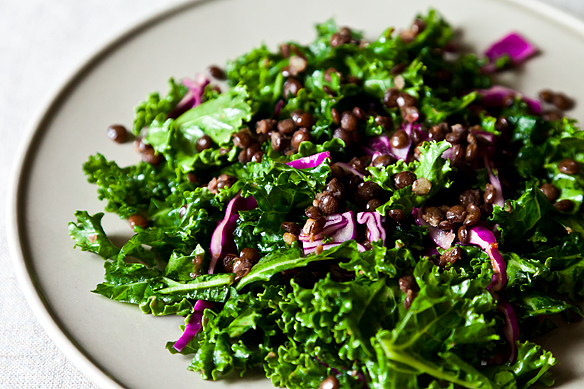
A Kapha-pacifying diet favors bitter, astringent and pungent foods. Astringent foods include dried beans such as lentils, split mung dhal, and garbanzo beans. Astringent tastes also include many vegetables, such as the cruciferous family (brussels’ sprouts, food52_06-12-12-5121broccoli, cabbage, and cauliflower) and fruits such as apples and pears. Bitter foods include greens such as spinach, chard, kale and mustard greens. The Kapha-pacifying grains include barely, quinoa, amaranth and oats (whole oats, not processed oats.) Avoid sweet tastes, including rice, wheat, pasta, breads, and sweet milk products. Avoid sour foods such as sour fruit (lemons), yogurt, cheese, tomatoes, vinegar, salad dressings, ketchup, mustard and pickles. Oddly enough, while it is recommended to avoid yogurt, digestive lassi, made of yogurt and water, turns out to be good for balancing cholesterol. Avoid sweet lassi and mango lassi and opt for the digestive lassi. Favor warm foods cooked with small amounts of ghee or olive oil.
Purification

Detoxification is a natural body process to reduce ama. Our natural ability to detox, however, can become compromised when our system becomes overloaded from stress, poor diet and environmental toxins. So what can we do to support the body’s natural process of detoxification? Panchakarma, the traditional purification treatments of Ayurveda, help remove ama from deep within the tissue beds. Cleansing and detoxifying the body also helps build up our natural digestive fire, which itself naturally burns ama from the body.

For more information on Panchakarma, the traditional purification and detoxification treatments of Ayurveda, visit The Raj Ayurveda Health Spa and Treatment Center:

www.theraj.com


( Picture of kale and cabbage. Source: Google Advance Image Search.
Creative Commons. The image is used under the terms of Googles Creative Commons rules:http://creativecommons.org/licenses/by/2.0/deed.en. This photograph and credit do not constitute an endorsement of this blog or products mentioned.)


Ayurveda Tips for Prostate Health

mountain-bikers-55372_640

Prostate cancer is now the most common cancer among American men. Although the specific cause of prostate cancer is unknown, there is growing evidence of the link between prostate cancer and environmental chemicals.

Recently the Environmental Working Group (EWG), a non-profit, non-partisan environmental health research and advocacy organization, named four high-risk substances to watch out for. After we look at these chemicals and how they can be avoided or minimized, we’ll also look at some Ayurveda tips for prostate health.

1. Cadmium in tobacco

People who smoke have twice as much cadmium exposure as those who do not. Studies have associated cadmium with an increased risk of prostate cancer in human epidemiological studies. This adds one more reason to the already extensive list (preventing lung cancer, respiratory and heart disease) of reasons to stop smoking.

2. Pesticides

Studies show that farmers who mix and apply pesticides on their crops have a much higher risk of developing prostate cancer. These same pesticides are also prevalent in our food supply, unless you buy organic food. If your budget makes it difficult to buy organic, at least consider going organic for the 12 fruits and vegetables called “the dirty dozen”. These foods are commonly contaminated with pesticides exceptionally toxic to the nervous system.

The dirty dozen are: apples, celery, cherry tomatoes, cucumbers, grapes, chili peppers, nectarines, peaches, potatoes, spinach, strawberries, sweet bell peppers, kale and collard greens, and zucchini and summer squash.

3.PCBs (often found in animal fat)

Even though polychlorinated biphenyls (PCBs) were banned more than 30 years ago, these industrial chemicals are pervasive in our environment and show up in the blood of most individuals. They have been linked to a number of health concerns, including prostate cancer risk, lower cognitive performance, depression and fatigue.

Since PCBs typically accumulate in animal fatty tissues, especially in fish, choose leaner meats and low-fat or fat-free dairy products.

PCBs build up in our fat tissues and remain there until they naturally decay (which may take up to 20 years). While modern science offers no means of removing PCBs, published studies have shown that Panchakarma, the traditional Ayurveda detoxification treatments, can actually reduce blood levels of PCBs by 50% in just 5 days.

4. Bisphenol A (BPA)

BPA is a chemical found in plastic. According to the EWG, a number of animal studies have shown that even at low exposures, BPA can cause DNA damage and development of precancerous lesions in rats. One study has also shown DNA damage in humans.

Use glass kitchenware instead of plastic. Reuse old glass bottles and glass jars for storing food. If you use plastic containers, buy BPA-free and avoid those with recycling code #7, which may contain BPA.

While it was once thought that BPA cleared the body quickly and completely, new studies show that, like PCBs, BPA may build up in our fat tissues, releasing slowly into the body over time. This is leading to a serious reevaluation of the risk of exposure to BPA.

Ayurvedic Tips for Prostate Health

In addition to scheduling regular Panchakarma treatments to remove fat-soluble toxins that build up in fat tissues, there are a number of Ayurveda recommendations for prostate health.

1. Reduce your intake of animal fat. Choose fresh, organic foods and make sure you get lots of fruits and vegetables. Cruciferous vegetables like cabbage, broccoli, cauliflower and brussels sprouts are anti-androgen and have been proven to fight the production of cancerous cells in the prostate. Asparagus is recommended because it helps support balanced hormones.

2. Be sure that turmeric is included in your daily diet as the presence of curcumin (contained in turmeric) has been proved to arrest the spread of cancerous cells in the prostate. Spices like turmeric, cumin and fennel help purify the body of toxins that can build up and lead to imbalances or infection.

3. Quinoa is an ideal grain because it is rich in zinc. Maintaining proper levels of zinc in the seminal fluid contributes to maintaining a healthy prostate. Zinc is stored in the prostate gland.

4. Get regular exercise and avoid being sedentary for long periods of time. A sedentary lifestyle is thought to be a risk factor of aggressive prostate cancer.

If you are worried about your prostate, talk to an Ayurveda expert who can give individualized recommendations for herbs and dietary and lifestyle changes that would best support your balanced health. You should also have your prostate checked regularly by your regular doctor.

Learn more about the traditional Ayurveda purification and detoxification treatments, Panchakarma at The Raj Ayurveda Health Spa and Treatment Center:

www.theraj.com

DDT and Alzheimer’s — Ayurveda Can Help!

A recent study published in JAMA Neurology found that patients with Alzheimer’s had four times as much blood levels of DDT as healthy people. While the findings are not conclusive, researchers believe the chemical increases the chance of Alzheimer’s and may be involved in the development of amyloid plaques in the brain, which contribute 6a00d83451e0d569e201156e4f87e6970c-800wito the death of brain cells. Even though DDT has been banned in the US since 1972, the average American still ingests small amounts of the toxic chemical every day.

The good news? The ancient science of Ayurveda provides a means to remove this harmful chemical from the body.

Current mainline thinking is that the only way to eliminate DDT from the body is to let nature take its course. DDT’s half-life — the time it takes to naturally fall to half it’s original value — is 2 to 15 years. But a published research study conducted on the traditional Ayurveda detoxification treatments at The Raj Ayurveda Health Spa and Treatment Center in Fairfield, IA showed that 50% of DDE levels (DDE is the by-product of DDT found to be linked to Alzheimer’s) can be eliminated through a 5-day treatment program. A good investment in one’s future! To read more about the study visit http://theraj.com/rajresults/index.php

(If PK is not in your budget, daily massage with organic sesame oil can be helpful. See more tips at the end of the blog.)

DDT

DDT is harmful to the nervous system and is a known carcinogen. It belongs to a group of chemicals (along with PCBs and dioxins) that are fat-soluble. This means the chemicals adhere to the fat in insects, animals and people. The chemicals remain stored in the fat until their natural dissolution. This can take from 4 to 30 years. Although DDT is no longer made or used in the US, our water, air, soil are so contaminated that the chemical still poses a threat to our health.

Exposure to DDT

DDT and its by-products are persistant, bioaccumulative and can be transported long distances through the atmosphere. They can travel in the water systems and can end up in produce, dairy and meats through irrigation. DDT can build up in sediment in rivers, lakes, and coastal areas, and then accumulate in fish and shellfish. It is still in our soil and can be absorbed by some plants and by the animals or people who eat them. The largest fraction of DDT in a person’s diet comes from fish, meat, poultry, and dairy products. Leafy vegetables generally contain more DDT than other vegetables, possibly because DDT in the air is deposited on the leaves. DDT also comes to us in food from other countries. Infants may be exposed by drinking breast milk.

Removing DDT

The purification treatments of Ayurveda start with a week of “home-prep”, an individually recommended protocol that primes the body to get the most out of the up-coming treatments. One aspect of home prep is a fat-free diet. When the detox treatments begin, pure oils are massaged into the body day after day, penetrating deeper and deeper into the tissues and organs of the body. Because the restrictive diet has reduced the body’s natural fat saturation, the fat-soluble chemicals respond joyously to the pure lipid infusion, detaching from the cells and attaching to the new lipids.  These then get flushed out of the body with daily elimination therapy. To date this is the only proven way to remove fat-soluble toxins from the body.

Avoiding DDT

1. Begin each day with a warm oil massage. Sesame oil is the most penetrating of the oils but those with a more pitta constitution may develop itchy skin or a rash. If you have sensitive skin, try using sweet almond oil, olive oil or coconut oil. Warm the oil slightly before using. Sit for 10 minutes after application and follow with a warm shower.

2.  Favor organic foods, especially organic foods grown in the U.S. Many countries still use DDT to contain malaria. The run-off from spraying can contaminate the water systems and get onto food through irrigation (even into so-called organic farms).

3. Wash all fresh produce thoroughly in water, especially leafy greens, beans, root vegetables, and fruits and berries, to remove soil and any residues of DDT or DDE on the surface of the food.

4. If you are not a vegetarian, choose lean cuts of meat, poultry and fish. Trim excess fat from meat and poultry.

5. Consider a yearly commitment to Panchakarma treatments. A five-day treatment can accomplish what nature takes 2 to 15 years to do.

To learn more about Ayurveda detox and purification programs, visit The Raj website:

www.theraj.com

(Photo of older man with younger woman. Source: Google Advance Image Search.
Creative Commons. The image is used under the terms of Googles Creative Commons rules:http://creativecommons.org/licenses/by/2.0/deed.en. This photograph and credit do not constitute an endorsement of this blog or products mentioned.)

Preventing Back Pain with Ayurveda

getty_rm_photo_of_woman_with_lower_back_pain

Have you ever preformed a simple activity like bending over to tie your shoe and suddenly felt stabbing pains in your back? Turns out 8 out of 10 people will suffer from lower back pain at some point in their lives.  While modern medicine pinpoints specific causes of lower back pain —poor posture, lack of muscle tone, strain, and stress — Ayurveda sees back pain as a symptom of vata and kapha imbalances, aggravated by a build-up of ama.

This helps explain why the incidence of lower back pain increases with age. Fifty percent of those over the age of 60 experience lower back pain. According to Ayurveda, when we are 60 and over we are considered to be in the vata time of life. So it makes sense that vata imbalances — and their resulting problems — appear more frequently in these years.

In the case of back pain, vata imbalances interfere with kapha’s ability to support and lubricate the spine. This dryness further aggravates vata and leads to stiffness and pain. Let’s look at this in more detail:

Vata and Kapha Imbalances

Each of the three doshas (vata, pitta and kapha) has five subdivisions called “subdoshas” which control particular functions of the body. One of the subdoshas of vata, apana vata, is related to lower back pain. Apana vata is situated in the lower pelvic area and is responsible for the downward moving aspect of vata relating to elimination and menstruation. Chronic problems such as constipation and painful periods may indicate an underlying imbalance that can end up resulting in lower back pain later in life.

When vata becomes aggravated by stress or fatigue, by traveling, by a cold, dry environment, or by too many cold, dry, rough foods, the increased vata influence in the body affects kapha.

One of the subdoshas of kapha, avalambaka kapha, is located in the lower back and heart. It lubricates and supports the spine and the sacrum. This subdosha can “dry out” when affected by apana vata.

When kapha does not lubricate properly the result is dryness in the joints. This can lead to pain, aches, stiffness, etc. This drying influence may also cause difficulties with elimination and constipation.

Ama

Ama —toxins and impurities that accumulate in body—is another factor to be considered with lower back pain. When vata and kapha are aggravated they mix with the ama, creating either a vata-aggravated ama or a kapha-aggravated ama. The ama can become lodged in the joints, blocking joint movement and interfering with the production of fluid lubricating the joints.  This leads to cracking joints, stiffness, pain, loss of cartilage and overproduced bone growth at the joints resulting in osteoarthritis.

Treatment

Effective preventive treatment for chronic lower back pain should include regular stretching, such as yoga exercises.

The authentic, traditional Ayurveda treatments (Panchakarma) offered at The Raj specialize in removing ama and impurities that have accumulated in the joints and tissues.  They also help balance vata, allowing kapha to once again function normally.

Diet

If you are prone to lower back pain, try to avoid eating vata-aggravating foods such as dry foods and raw vegetables. Also avoid root foods, which not only aggravate vata but also have certain properties that can adversely affect joints. To reduce ama, avoid cheese, meat and heavy, fried, or processed foods. Eat your main meal at noon and take a lighter meal in the evening.

Daily Oil Massage

Pacifying vata is the key to keeping everything else in balance. A simple home oil massage each morning can help soothe vata and also help remove ama from the skin tissues.

Relax

Many people find that their back goes out when they are under stress. In a stressful situation the whole body can tighten, tense, and can easily go into muscle spasm, which can push vertebrae out of place. At The Raj Ayurveda Health Spa and Treatment Center, daily practice of the Transcendental Meditation technique is recommended to reduce stress, thereby reducing incidences of lower back problems.

Now we can understand that while back pain may appear to be caused by some specific activity, there has in fact been a long series of events leading up to that particular moment: an aggravation of vata, a disruption of kapha’s lubricating function and a build-up of ama. The good news is that it is not just an inevitable part of growing old.

For more information on programs at The Raj Ayurveda Health Spa and Treatment Center visit:

http://theraj.com/pain/index.php

 Image provided by Google Advance Image Search, Nacivet / Photographer’s Choice

Natural Approaches to Reduce Symptoms of Multiple Sclerosis

Can Multiple Sclerosis respond to natural approaches? Ayurveda experts say, “Yes!” Many health experts, including well-known natural health care advocate Dr. Andrew Weil and Rogers Badgett, owner of the award-winning Ayurveda Health Center, The Raj, have observed that MS symptoms respond well to changes in diet and lifestyle, stress reduction, and mind/body techniques.

Modern medicine describes MS as a slow progression of patches of demyelization of the brain and spinal chord. However, pinpointing what triggers the disease still eludes Western medical experts.

Balancing Vata
According to Ayurveda, the original health science of India, vata is the aspect of biological intelligence that controls all movement in the body, including the overall level of balance and activation of the nervous system. MS is seen as a classic vata imbalance. Many of the conditions and symptoms of vata imbalance correspond with symptoms often associated with MS:  insomnia, headaches, pain, anxiety and fear, fatigue, poor digestion, dry or rough skin, constipation and heightened sensitivity.

Traditional Ayurvedic recommendations to help balance vata can aid in the natural healing process for those with MS.
1. Favor fresh, organic cooked foods, including lots of cooked vegetables
2. Drink warm liquids — but avoid caffeinated beverages. Sipping hot water throughout the day is highly recommended
3. Avoid cold drinks and raw foods.  Add ghee to your meals to counter-balance dryness.
4. Go to bed early, preferably by 10 pm. Get plenty of rest.
5. Avoid strenuous exercise. Walking and swimming and yoga are best for those with vata aggravation.
6. Avoid processed foods, eat your main meal at noon and eat lighter means at night to improve digestion.

Remove Toxins and Strengthen Immunity
The build up of plaque around affected nerves with accompanying inflammation that is seen in MS is a classic example of impurities building up in tissues and disrupting delicate tissue biochemistry. Cleansing Ayurvedic treatments that remove impurities from the tissues along with dietary changes that prevent impurities from being created in the first place is a fundamental approach of Ayurveda programs for MS.

Modern medicine postulates that infection by a latent virus may possibly cause MS. As a result immune function enhancing therapies are often used to combat the illness. The fundamental basis of traditional Ayurveda treatments, known as Panchakarma, is to strengthen the body’s natural healing mechanisms by removing toxins and impurities that block the free flow of intelligence in the body.

Under the guidance of trained Ayurveda experts, traditional Ayurveda treatments, the introduction of yoga and meditation, and individualized dietary and lifestyle changes can work together to create a natural approach to MS that can offer relief to symptoms of MS as well as support long-term remission.

For more information on Ayurvedic treatment programs for MS at The Raj Ayurveda Health Center and to read testimonials and case studies of those who have participated in this natural approach to MS relief, please visit The Raj Ayurveda Health Spa:

http://theraj.com/ms/index.php