Panchakarma: the Ultimate in Mind-Body Healing

Panchakarma is one of the specialties of Ayurveda. Literally translated as “five actions”, Panchakarma is series of integrated procedures that, together, dislodge impurities from the tissues and cells and flush them from the body. This sequence of massage, heat treatments and internal cleansing helps to balance the doshas and allows for a more normalized flow of nutrients, blood, hormones, etc. Developed thousands of years ago to give long life to the the rulers of India, Panchakarma is the cornerstone of rejuvenation programs at The Raj Ayurveda Health Spa.

The ultimate goal of all Ayurveda modalities is to restore balance to the level of biological intelligence in the body and to remove blockages and impurities that block free flow of communication and circulation. This allows perfect coherence of the body’s innate healing mechanisms.

Ayurveda believes that the functioning of the body breaks down as impurities and toxins (caused by diet and poor digestion, stress, environmental toxins and other factors) accumulate in the cells and tissues. Over time these impurities begin to obstruct various channels of the body (blood vessels, lymph circulation, capillaries, cellular pores, etc), limiting the flow of biological intelligence.

Panchakarma provides the ultimate mind-body healing experience. By removing the build up of impurities, it helps to restore the connection of any weak or diseased area of the body with the mechanisms of biological intelligence responsible for healing. Sounds intense? It is surprisingly luxurious and gentle, especially considering the profound results that this ancient detoxification treatment provides.

Studies on the effects of Panchakarma have shown reductions in cholesterol levels and a decreased risk of heart disease. Many doctors recommend PK to their patients as a follow-up to chemotherapy, once the patient has regained his or her strength. (The Raj Ayurveda Health Spa recommends allowing 6 months from the end of one’s chemotherapy treatments or radiation treatments before undergoing any Ayurvedic massages and therapies.) Guests have also reported relief from fatigue, depression, digestive disorders, and stress.

A study published in the Sept./Oct. 2002 issue of Alternative Therapies in Health and Medicine showed that a 5-day course of Panchakarma treatment decreased blood levels of fat-soluble toxins (such as DDE, PCBs and dioxins) by 50%. Western medicine offers no means of removing these harmful chemicals, which are associated with hormone disruption and immune system suppression.

Panchakarma treatments can be taken for as few as 3 and as many as 30 consecutive days. Participants always begin with a consultation with an Ayurvedic expert who then creates a customized program based on their individual levels of balance and imbalance.

Panchakarma uses three types of therapies:

1) The first group stimulates the release of toxins from the cells using various types of massage, many of which involve herbalized oil.

2) The second group uses heat to dilate the channels of the body, allowing the impurities that were loosened through oil massage to be drawn into the intestinal tracts.

3) The sequence ends with a gentle internal cleansing treatments consisting of either warm herbalized oil or water-based decoctions.1. Shiro#3
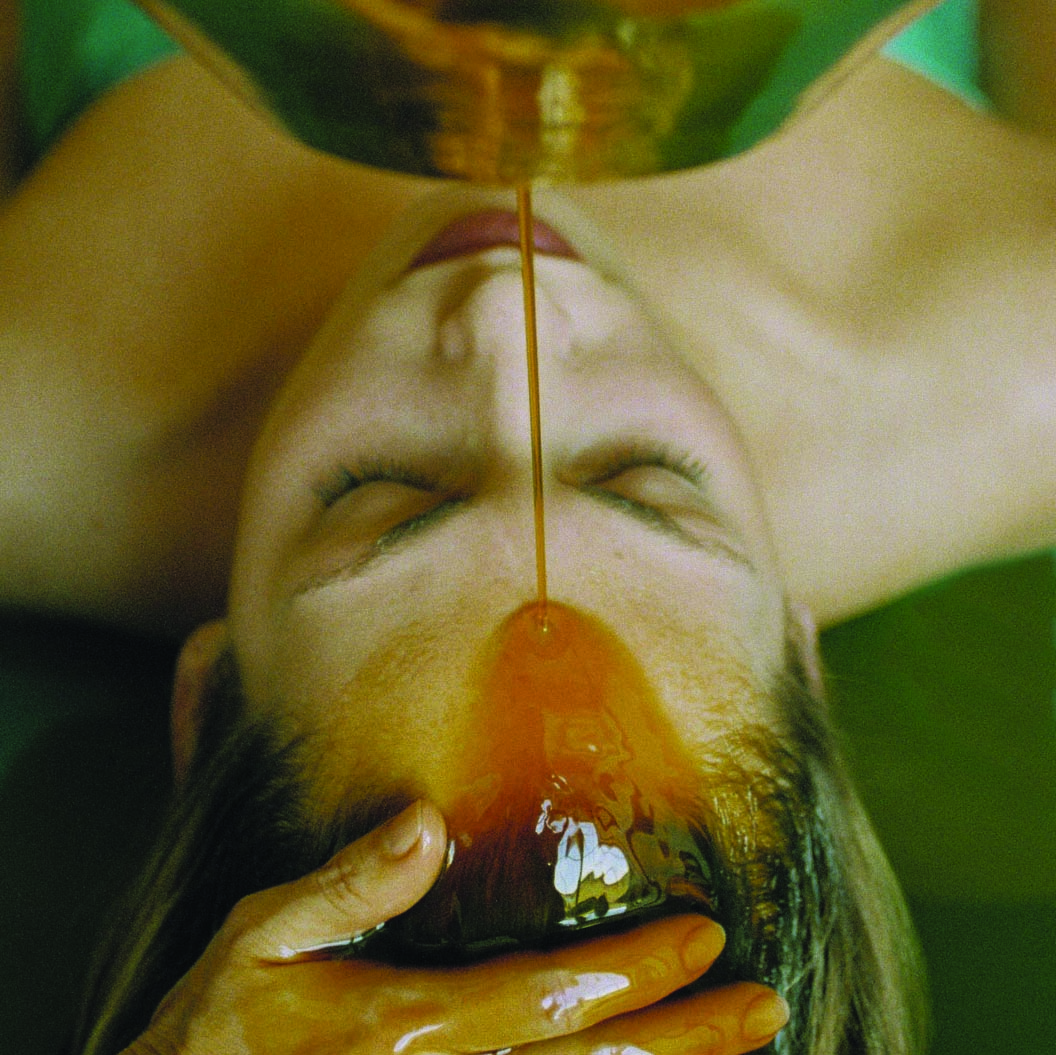
This sequence of treatment occurs every day. As an example, one day may start with an herbalized sesame oil massage followed by an herbalized steam treatment, ending with gentle elimination therapy. Another day may begin with a massage with warm rice and milk packs, followed by Shirodhara, the pouring of warm oil over the forehead, followed by elimination therapy. Treatments will vary from day to day, depending on one’s needs.

Never had detoxing felt so good! Sometimes it is hard to remember that behind the pampering there is a powerful restructuring of the physiology taking place. And even though I’m ready to take on the world after my treatments, I’ve found it’s better to take it slow for a week or so after you return home, so the body has a chance to integrate all the changes.

For me, my yearly treatment is my opportunity to reset my diet and my daily habits. To make the most of your Panchakarma treatments, a low-fat, vegetarian diet is recommended starting one week before, and continuing through treatments. If I’ve gotten into any bad habits during the year (sugar, snacks, late nights on the computer) I emerge from my treatments with a new resolve. And the new state of balance in my physiology naturally helps to support that resolve.

I’ve managed to have Panchakarma treatments once a year for the last 25 years. It is like spring-cleaning for one’s house. I can’t imagine going without.

For more information on Panchakarma treatments, visit The Raj Ayurveda Health Spa website:

www.theraj.com

Taming Vata with Basti Treatments

According to Ayurveda, the traditional detoxification therapy of Panchakarma helps to remove deep-seated toxins from the body and mind. The treatments pull toxins and impurities from the tissues and back into the blood stream, and eventually into the gastrointestinal tract. Most people who undergo Panchakarma are prescribed “basti” treatments. Basti is an Ayurvedic treatment in which medicated oils and herbal preparations are introduced into the rectum to flush toxins from the intestinal tract. Bastis are often referred to as “enemas” but actually offer more healing benefits than simply evacuating the colon. The medicinal effects of herbs given rectally are able to penetrate the deeper tissues of the physiology, including the bones.

Bastis are extremely important contributors to the revitalizing and therapeutic value of Panchakarma.

According to Ayurveda, the colon is the principle site of Vata: the aspect of the body that governs movement and circulation. Excess Vata in the colon is considered a toxin that manifests as many symptoms, including arthritis, back pain, gout, headaches, and a variety of nervous system disorders. Basti treatments help eliminate excess Vata and help restore balanced health. Because an imbalance in Vata is said to be responsible for around 60% of diseases and disorders, this specific therapy aids greatly in healing and balancing the physiology.

Not only is Vata dosha responsible for the majority of diseases in the human body, due to its mobile and erratic nature, Vata dosha tends to impact the other two doshas, Kapha and Pitta, causing their disturbance and triggering symptoms. It is for this reason that balancing Vata dosha is foundational to managing almost any disorder, whether it is caused by Vata, Pitta or Kapha.

Because the colon is the principle site of Vata, it should always be treated in a way that does not further aggravate Vata. This is why Ayurveda does not recommend colonics or enemas that are not specifically formulated to pacify Vata.


Screen-Shot-2015-03-14-at-4.35.22-PM.png

When a person is prescribed bastis, it is likely that they will receive two kinds of basti, alternating day by day. The first basti is the Matra Basti. This is an oil based basti that soothes and nourishes the colon, gently softening plaque that can build up year after year along the inside of the digestive tract. The following day the elimative basti, the Shodhana Basti, is administered. This treatment allows for the softened plaque to be removed, along with toxins that have been pulled from the tissues during the other Panchakarma treatments. Shodhana Basti will always be followed by a Matra Basti to pacify Vata and restore balance.

This day-to-day alternation of bastis produces optimal results: healing benefits with no harmful side effects.

For more information on Panchakarma treatments, visit The Raj Ayurveda Heath Spa website:

www.theraj.com

Eating Fresh, Pure Food Really Does Make You Healthier

11821-1.png

In our recommendations to our guests, we always emphasis the Ayurvedic principle of eating freshly cooked, pure foods. During the last month I came across three new studies that highlight the importance of food choices in supporting health.

The first study suggests that the nutrients made available to our cells have a direct impact on the expression of our genes. The second study shows clearly that organically grown fruits, vegetables, milk, meat and grains deliver tangible nutritional benefits. The third study discovered harmful bacteria that appear in ready-chopped and processed foods.

Let’s look at the first study, recently published in the journal Nature Microbiology, that indicates that the food we eat affects us at the genetic level.

We all know that our genes determine many aspects of our life, including metabolism. Now this new information tells us that it also works the other way around; that is, the nutrients made available to our cells might be affect how our genes are expressed.

Researchers discovered that nutrients in food alter how proteins are produced in almost every gene in our body — and this can have a direct impact on our health.

Proteins are the cell’s ‘workers’ and our bodies use them for a range of biological functions. For example, some are used as the building blocks for hair and nails, while others are used by our muscles. Other kinds of proteins carry oxygen around the body and help fight infections

If the production of protein is changed, it can have a huge effect on how our bodies grow, on our immune response and even on our intelligence.

The findings in the new research suggest that the relationship between nature and nurture is far more complicated than has been previously believed. Researchers found that while our DNA governs how metabolism works, the nutrients released from food by these processes can also, in turn, change the way our genes function.

This highlights the importance of the second study, published by the British Journal of Nutrition, which disputes the accusation that organic foods are no more healthful than conventional foods.

After reviewing 343 studies on the topic, researchers in Europe and the United States concluded that organic crops and organic-crop-based foods contained higher concentrations of antioxidants on average than conventionally grown foods. They also found that organic milk and meats contain higher levels of key nutrients that support the heart, brain and immune system. The researchers also highlighted recent mother and child studies linking consumption of organic milk, other dairy products and vegetables to a reduced risk of certain conditions, such as eczema in babies.

At the same time, the researchers confirmed that conventional foods contained greater concentrations of residual pesticides and the toxic metal cadmium. When comparing organic and conventional crops, researchers found that conventionally grown fruits and vegetables were four times more likely to contain pesticide residues.

The third study is from the University of Leicester in England. Scientists found damaging bacterial molecules that are undetectable in fresh foods, but abundant in junk food and processed items. The molecules, called ‘pathogen-associated molecular patterns’ (PAMPs) may increase the risk of conditions like heart disease and type 2 diabetes. These molecules can cause our immune systems to over-react in a manner that might be damaging to health. The researchers tested volunteers on a diet low in PAMPs for one week, and discovered it had vastly beneficial effects on their health. Firstly, their white blood cell count was reduced by 11 per cent. A high white blood cell count can indicate problems such as infection, stress, inflammation, trauma, allergy, or other diseases. When the same volunteers were fed food enriched in PAMPs, the beneficial changes were reversed.

While buying organic foods may considerably increase our food budget and while cooking fresh food every day is more time consuming than reaching for leftovers or pre-made sandwiches or vegetables, the benefits are undeniable. If organic foods are not available to you, learn about the” Dirty Dozen” and at least try avoid those foods. And try to include as many fresh fruits and freshly cooked vegetables in your diet as possible. Remember that while raw foods are full of nutrients, unless you have a powerful digestion, you may not be able to pull out the nutrients that your cells — and genes — require for optimum health. You may lose a few nutrients when you cook your vegetables, but if you steam just long enough to make your food “fork friendly”, you will be able to digest and absorb the majority of nutrients.

The Dirty Dozen — has actually expanded to the Dirty 14!

These are vegetables and fruit that, when grown conventionally, have been shown to maintain high levels of pesticide residue.

Apples

Strawberries

Grapes

Celery

Peaches

Spinach

Sweet bell peppers

Nectarines

Cucumbers

Cherry tomatoes

Potatoes

Hot peppers

Kale

Collard Greens

Lettuce

Zuchini

Blue Berries

Through the process of eating, we are recreating our bodies meal by meal. Choice by choice we can decide to move toward health or away from it. It is never too late to begin the journey toward health and vitality. If you have been making the wrong choices, a week of in-residence Panchakarma can help remove accumulated toxins and impurities and get you back on track with cooking lessons and education in Ayurvedic principles. Check out The Raj, Ayurveda Health Spa website:

WWW.THERAJ.COM

Reduce Kapha to Enjoy a Healthy, Active Spring

Spring is the ideal time to get in tip-top condition for a healthy and active year. At the beginning of spring we leave the cold, dry Vata season behind and make the transition into the humid, cool Kapha season. At this time many experience feeling tired, heavy and sometimes lethargic. This is the perfect time for Panchakarma treatments.

maxresdefault.jpg

As the environment transitions into spring, a considerable metabolic change begins to take place in the body. When we support the removal of toxins from the body with Panchakarma, it facilitates our body’s natural tendency to “spring clean” with noticeable results. This is very helpful in preventing typical springtime complaints such as allergies, fatigue, asthma and colds.

Healthy Tips for Spring

In order to combat typical springtime complaints such as colds and hay fever, Ayurveda recommends reducing the influence of Kapha at the end of the winter. This process will help see you through to a healthy spring.

Eat hot food: hot in temperature and spicy too

If you are not using a tongue cleaner to remove mucous, bacterial and debris from the tongue, this is the time to begin. Find one that is stainless steel or silver.

Drink hot, stimulating tea. Ginger tea made with fresh ginger is especially recommended.

Favor foods that taste astringent (such as beans and dals), spicy (chili peppers or curry powder, for example) and bitter (spinach and greens)

If you have been a bit sedentary during the cold winter months, now is the time to restart your exercise routine. If you have not been exercising for a while, you can break the inertia by starting with brisk walking, beginning with half an hour.

Get up! It is important during this season try to get up by 6:00, which is when Kapha begins to dominate in the environment. Waking up during the Vata time of the day (before 6:00) gives an extra lightness and vitality to the day.

Get the Most from Your Food

Since digestion tends to grow sluggish during Kapha season, you can perk it up with these tips:

Try eating a slice of ginger before lunch or dinner to help increase your digestive fire. Sprinkle lemon juice and salt on a thin, peeled slice of ginger and eat it about 15 minutes before your meal.

Sit quietly for a few minutes before you start to eat, to give your digestion a headstart. Don’t jump up from your meal when you are finished. Sit and enjoy for at least 10 minutes.

Sore Throat Relief

If you feel a sore throat coming on, try taking 3/4 teaspoon of raw honey mixed with 1/4 teaspoon of turmeric. Take twice a day. The astringent taste of turmeric and honey help to dry up congestion and prevent a sore throat. If the symptoms last for more than two days, however, be sure to check in with your doctor.

For more information on Panchakarma, visit The Raj, Ayurveda Health Spa website:

www.theraj.com

Act Now to Banish Spring Allergies With Ayurveda

4375862210_5054469468.jpg

Although it seems odd to think about spring allergies when the forecast for the next week is snow flurries, mid-February is the ideal time to start taking action.

Our bodies are more susceptible to health problems when the seasons are changing because our body functions differently in each season. For example, our agni (or digestive fire) can fluctuate dramatically during the change from hot to cold or cold to hot. Poor digestion can lead to a build up of ama (or toxins) in the body.

This is why respiratory illnesses and allergies pop up during the autumn and early spring. We especially see this in the early spring. As the weather starts to warm up, any ama that has accumulated in our tissue and circulatory channels during the winter begins to soften and liquefy, flooding the numerous channels of circulation (shrotas) throughout our body and taxing our immune system.

On top of this flood of toxins, our body has to deal with an accumulation of mucus.  From mid-February to May is the Kapha time of the year. As a response to the accumulated drying influence of the cold, dry, windy Vata conditions of late fall and early winter, our bodies start to produce large amounts of lubricating mucus. The sticky liquid can cause congestion in the mucus membranes that line our respiratory and digestive tracts, contributing to allergies and sinus conditions.

This is why late winter/early spring is the optimal time to cleanse mucus and toxins from our body. The classical texts of Ayurveda recommend specific detoxification treatments —called “panchakarma”—during the change of seasons.

Spring is nature’s natural detoxification season. The progression of the cold of winter to the warmth of spring triggers a natural process of releasing the winter’s accumulation of fats and toxins. Going through Ayurveda detoxification treatments at this time provides a boost to what our bodies are trying to do naturally: flushing out toxins and lubricating the channels of circulation. Working hand in hand with our own natural cycle allows for a more thorough and efficient removal of these unhealthy substances.

Signs of Ama

If you have high cholesterol, a coated tongue in the morning, joint pain, constipation, dull skin and eyes, gas, or excess mucus, you are displaying physical symptoms of ama. You may also feel the build up of ama as fatigue, dullness and/or irritability. Panchakarma treatments help remove years of accumulated ama (along with excess Vata, Pitta, and/or Kapha) and also help to return agni to its normal level of functioning.

Enjoying Panchakarma as an in-residence guest allows the body to get a profound rest. Pluses of an in-residence stay being protected from weather conditions, and complete ease in following a prescribed daily routine and diet, allowing you make the most of the rejuvenation experience. If you don’t have the opportunity for a residential stay, however, day treatments are highly recommended. Just be sure to follow the diet that is given to you.

Tips for Kapha Season

There are also adjustments that you can make in your home routine and diet that will help you during this winter to spring transition.

  1. Sip hot water throughout the day
  2. Eat more leafy greens. Favor the Kapha-pacifying tastes of bitter, astringent and pungent.
  3. Favor organic, fresh foods. Avoid processed foods, cold dairy products, and fried and high-fat foods. Remember, light, warm foods counter the cold, heavy qualities of kapha.
  4. Put a little zip in your food: spices like ginger, chili, cloves, and pepper help counter the cold quality of Kapha.
  5. Try not to sleep later than 6:00 in the morning. Sleeping into the Kapha time of the day can increase kapha qualities in body and mind. This means going to bed by 10:00 the night before.

For more information on Panchakarma treatments, visit The Raj Ayurveda Health Spa web site:

www.theraj.com

Barley Soup: the Perfect Kapha Evening Meal

Barley is a wonderful grain to begin working into your diet during the late winter months. As we transition from the cold, dry Vata days of early winter to the cold, wet Kapha days of late winter and early spring, our attention should be on shifting our diet to Kapha-reducing foods. Favoring astringent, spicy and bitter tastes will help with weight loss and allow our physiologies feel lighter and more energetic and will help keep away colds and allergies.

Barley is the best grain for balancing Kapha dosha. It improves sluggish digestion, protects against diabetes and strokes , is diuretic in nature, and works as a natural regulator of excessive fat accumulation.

vegetable-barley-soup.jpg

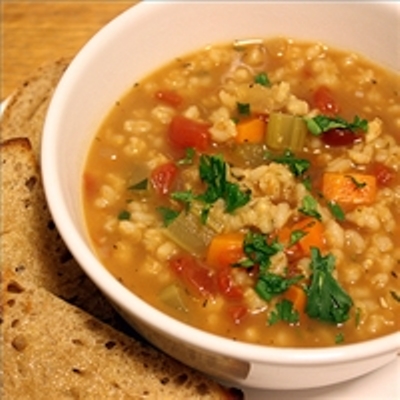
Here a recipe for barley soup that is perfect for a chilly, damp Kapha evening.

Hearty Barley Soup

1/4 cup minced fresh parsley

1/4 teaspoon rosemary

1/2 teaspoon basil

1/2 teaspoon oregano

1/2 teaspoon thyme

1 celery stalk with leaves, sliced

1 carrot, grated

1 tablespoon butter

5 cups stock or water

1/4 cup barley

1 turnip, cut into small pieces

1 bay leaf

salt and pepper to taste.

Salute the parsley, rosemary, basil, oregano, thyme, celery and carrot in the butter slowly for 10 minutes. Add to the stock. Add the barley, turnip and bayleaf. Bring to a boil. Cover and reduce heat. Simmer for 1 1/2 to 2 hours. Season to taste with salt and pepper. This recipe makes about 6 cups.

www.theraj.com


Why Aging and Disease Aren’t Synonymous: the Value of Panchakarma in Maintaining Health

Carerimage.jpg

It is a fact that the functioning of the body suffers as impurities and toxins accumulate in the cells and tissues. Such impurities can come from both inside and outside the body. From inside the body come internal metabolic and cellular waste products, such as free-radical-damaged cells and tissues. From outside come external impurities and toxins, such as herbicides, pesticides, and pollutants. In the history of mankind, never before have we been faced with such high levels of toxicity in our environment. A variety of man-made toxins often find their way into the deep tissues of our bodies and can wreak havoc on our immune systems. All these impurities (collectively referred to by Ayurveda as “ama”) block the free flow of our body’s inner intelligence. If left to accumulate, such impurities can lead to degenerative disorders and life-threatening disease. While the body has its own effective self-purifying mechanisms, these prove increasingly inadequate as we age, due to our ever-increasing toxic burden.

Western medicine has, for the most part, focused on putting substances (e.g. pharmaceuticals) into the body rather than taking unhealthful substances out. One of the specialties of the ancient science of Ayurveda is Panchakarma, a group of therapies that work together to purify the body of impurities, and thus avert or reduce the development of disease and aging. Panchakarma treatments are designed to first loosen impurities from bodily tissues, then eliminate them from the body altogether.

All Panchakarma treatments are individualized, depending on the doshic balance and specific imbalances of the person receiving the treatments. The treatments can result in a relief from a wide range of disorders, because the series of procedures free the bodies own self-repair mechanisms and remove blockages that are at the foundation of many symptoms and disorders.

The efficacy of these traditional treatments was shown in a two-month longitudinal study on subjects undergoing five days of Panchakarma treatments at The Raj. Researchers Robert Herron, PhD, and John Fagan, Ph.D. compared to tests taken prior to treatment showing blood levels of the highly toxic PCBs and Beta-HCH. These substances, which are known to attach to the lipid layers that surround our cells, were reduced by 46 and 48 percent respectively. Without this detoxification program, the natural expected drop in PCB and Beta-HCH over a two-month period is only a fraction of one percent. No other method has been scientifically verified to reduce fat-soluble toxins in the human body without causing negative side effects. Normally these fat-soluble substances remain in the body for many years, but Panchakarma allows us a healthy alternative for coping with a toxic world.

Once toxins are loosened from the fatty tissue, they need to be safely eliminated from the bloodstream and the body. Panchakarma treatments include specific steps that take care to properly remove the toxicants from the blood stream without so that they are not reabsorbed or able to create more damage. At the end of each day, after impurities from different parts of the body have been loosened and drawn into the intestinal tracts, a gentle internal cleansing treatment, called a basti, is given. These treatments essentially warm herbalized oil enemas that lubricate, and nourish the colon, as well as induce eliminative action. According to the original Ayurvedic texts, “by basti alone, 50% of illness can be cured.”

Panchakarma can be taken for as few as three consecutive days, and as many as 30. It can be done in-residence, or you can visit an Ayurvedic center for a few hours each day and return to your home afterwards. These treatments are most effective when done regularly each year.

Our bodies are designed to maintain a balanced state in which everything functions properly. Both fasting and these drastic detox regimens can alter this homeostasis, often in a harmful way. Liver glycogen stores can become depleted, alterations can occur in the mineral and electrolyte balance in the blood, muscle and bone tissue can begin to break down, changes can occur in the acid-alkaline balance, and immune function may be impaired. Extreme detox can also overtax adrenals, which means that the body will hold on to the calories we ingest after the fast and store it as fat. In Ayurvedic terms, an extreme fast creates high pitta/low agni. This can start a whole new cycle of imbalances.

While Panchakarma can bring big results, the process itself is gentle and even luxurious. In essence, Panchakarma is an integrated sequence of procedures that, together, dislodge impurities from the cells and then flush them from the body. The doshas are brought into balance and the natural healing mechanisms of the body are “freed” to resume full functioning.

For more information of Panchakarma, visit The Raj Ayurveda Health Spa web site:

www.theraj.com

Understanding the Doshas: the Basic Building Blocks of Ayurveda

building-blocks-27998_960_720.png

Recently I received an email asking if I would explain more about the doshas, Vata, Pitta and Kapha. In answer to that request, this week’s blog will be a review of these fundamental principles of Ayurveda.

Ayurveda refers to five basic elements that make up all of nature: space, air, fire, water and earth. These five elements combine in different ways to create the building blocks of physical creation, the three doshas: Vata, Pitta and Kapha. Vata is a combination of air and space. Pitta is a combination of fire and water. Kapha is a combination of earth and water.

We can think of the three doshas in terms of broad functions: motion, energy production and structure. Vata is the dosha that is expressed in all motion. Pitta is the dosha that is expressed in metabolism, heat production, digestion and energy production. Kapha gives solidity and structure, and balances the fluids.

If we consider our own physiology, we know that we have numerous systems that involve motion: impulses traveling through the nerves, the circulation of the blood, and the progress of food through the digestive tract, for example. Those are the Vata aspects of our body. Our physiology also has its energy components: the metabolic processes, the enzymes (which digest the food and extract energy from it) and the cells’ energy-producing chemical reactions. These are the Pitta aspect of our physiology. And finally we have our solid physical structure: the bones, muscle, fat and flesh: the Kapha aspect.

More specifically, let’s look at a single cell in our body. The cell wall and all the fluids that make up the cell are the Kapha aspect of the cell. The movement of nutrients and information that comes to the cells, sustaining the cell and making it function properly, can be seen as the Vata aspect of the cell. And what the cell does with those nutrients or information, the chemical reactions within the cell, those are the Pitta aspects of the cell.

Obviously, everyone needs all three of these principles in order to sustain life. However the balance of these three, the ratio of Vata, Pitta and Kapha, can differ in each individual. Ayurveda recognizes that not all individuals have the same doshic balance. Just as we know that different types of plants require different ideal growing conditions, in the same way, different body types require different diets and lifestyles to maintain perfect balance and health. The disruption of one’s inherent internal balance plays a basic role in the formation of disease. If one’s natural balance can be maintained, immune strength is maximized and degeneration is minimized.

The three doshas operate throughout nature:

The food that we eat has qualities of Vata, Pitta and Kapha. Ingesting those foods will bring their predominant quality of dosha into our physiology.

There are Vata, Pitta and Kapha times of the day. Every 24 hours we cycle through the influence of the doshas in 4-hour increments. Each time period is dominated by one of the doshas and is influenced by the qualities of that dosha. For example, between 6 and 10 in the morning, Kapha dosha predominates. The qualities of Kapha include heaviness and structure. If you are up, exercising or active during this time, you are making best use of the qualities of that moment. If you sleep into this time period, you may wake up feeling sluggish and heavy and your internal systems will not be as effective throughout the day.

There are Vata, Pitta and Kapha seasons, or times of the year: Summer increases Pitta dosha, dry cold weather increases Vata dosha, and cold, wet weather increases Kapah dosha. Eating hot, spicy foods in summer can boost the already increasing qualities of Pitta and could lead to imbalances such as skin rashes, acid indigestion, or inflammation.

Environments reflect qualities of the doshas. In an ecosystem, Vata is expressed in the wind and motion of water currents. Sunshine and fire are obvious examples of Pitta. Kapha is expressed in the solid structures—rocks, earth and even bodies of water.

Even the times our lives are influenced by doshas. Early childhood is all about structure. Therefore, Kapha needs to be the dominant dosha at that time. Bones are growing, muscles and organs are expanding. This explains why children tend to produce more mucus and why we have the term “baby fat”. But when we reach puberty, there is a marked shift toward a more Pitta dominated functioning. When we reach our 50s, Vata begins to dominate. The body produces less oil, there can be a lessening of flexibility and the bones can become more brittle.

When consulting with any individual, an Ayurvedic expert first determines one’s natural balance and whether one dosha (or combination of doshas) is out of balance.  Recommendations will then be made in order to normalize the imbalance. This imbalance in the doshas, combined with any accumulation of toxins in the body (referred to as Ama), is seen to be the root cause of disorders and disease. By attending to these underlying distributions in the balanced functioning of the physiology, one can produce lasting improvements and strengthen the system as a whole. This approach supports the prevention of recurrences, as well as eliminating current problems. For example, for certain individuals, if Kapha can be balanced, allergies will not return.

Traditional Ayurvedic texts associate each dosha with specific qualities based on the elements that constitute the dosha. Vata is associated with “cold, dryness, speed and lightness.” Pitta is associated with “heat, sharpness, and acidity.” Kapha dosha is associated with “cold, heaviness, oiliness, and slowness.” Ayurveda recommendations are based on the principle that similar factors cause an increase in the dosha and that opposite factors cause its decrease. For a Vata disorder such as lower back pain, one might be recommended to use, among other treatments, warm oil on the back to reduce the cold, dry qualities of Vata. For a Pitta problem such as hyperacidity, one might be told to avoid hot spicy food and to use other Pitta-reducing treatments.

The first question an experience Ayurveda expert asks in not, “What disease do you have?” Rather, the primary question is, “What predominant balance of the doshas is natural for you? And how far away from that nature balance have you gone?” In the same sense, there are few “bad” foods in Ayurveda. It is more a question of how does a particular food affect your balance of doshas and does it help or hinder your goals to maintain vitality and good health.

Panchakarma treatments, the traditional purification and detoxification therapies of Ayurveda, are always prescribed individually. The Ayurveda expert has to take into account the doshas that are out of balance and also the build up and location of impurities in the body. While sesame oil is often the preferred oil for massage (because its penetrating quality carries the herbs deep into the tissues of the body) it also has a heating quality that may aggravate Pitta dosha. In cases where Pitta is out of balance, a more cooling oil may be used. In the same way, certain treatments may be more apt to pacify one particular dosha. The ultimate goal is to remove blockages that disrupt the proper functioning of the body’s own healing mechanisms and to help return the doshas to their natural balance.

At  The Raj Ayurveda Heath Spa, we have seen guests find relief from a variety of different disorders. It is not that Panchakarma treatments “cure” specific disorders, but rather that when the body’s own healing mechanisms are no longer blocked and the doshas are balanced, the physiology becomes free to do what it does best: heal itself.

For more information on consultations and Panchakarma treatments, visit The Raj Ayurveda Health Spa web site:

www.theraj.com

Ayurveda Spices for a Healthy Heart and Optimal Brain Functioning

ingredients.jpg

According to Wikipedia “bioenhancers” is a new term that marks a “new chapter in medical science.” The term scientifically established in 1979 after the discovery of the world’s “first” bioenhancer, Peririne. Peririne, by the way, is a compound naturally occurring in black pepper.

By definition, Bioenhances are substances that increase the “bioavailability and bioefficacy” of other substances. Peririne, along with cucumine (found in turmeric), and gingerols (found in ginger) are now being isolated and sold by numerous pharmacutical companies.

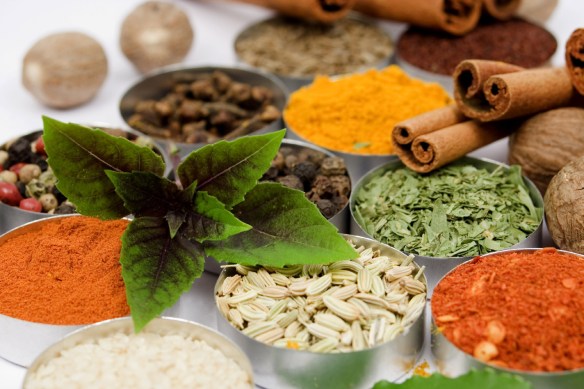
This “new” science is in fact age-old wisdom that has long been offered by Ayurveda, the 5000 year old health science of India. Spicing has always been key part of both Ayurvedic cooking and health recommendations. Not only do spices make our meals taste delicious, they help our bodies stay balanced and healthy. Spices help us better absorb nutrients in our food and have been found to be antioxidants, prevent cancer, lower cholesterol and blood sugar, improve memory, flush out toxins, enhance digestion, all while adding a tasty spark to our daily meal. During consultations at The Raj, Ayurveda Health Spa, spice are normally a part of the individualized recommendations given to help restore balanced health.

Let’s look at these “new” bioenhancers:

Pepper

Perinine is found in cracked black pepper. Pepper has been found to help carry nutrition across the blood brain barrier. The blood brain barrier is a layer of tightly packed cells that make up the walls of brain capillaries and prevent substances in the blood from entering the brain. This protects the brain from “foreign substances”, helps maintain a constant environment for the brain and protects the brain from hormones and neurotransmitters in the rest of the body. Because our brain is made up of almost 60% fat, it needs high quality fats to keep the lining of the brain cells flexible so that memory and other brain messages can easily pass between cells. Getting fat to cross the blood brain barrier can be a challenge. If we are using healthy oils in our diet, adding freshly ground pepper helps us make the most both oils and other nutrients. Bioenhancers increase the absorption of oils and nutrients for our body, as well as our brain, supporting cell growth, protecting our organs and helping manufacture hormones in our body.

Perinine also helps strengthens the functioning of the heart and kidneys. It effective against colon cancer and inflammation and generally enhances immunity. Pepper it is very stimulating to the digestive system. It is also inherently heating and should be used cautiously by those with a Pitta imbalance.

Turmeric

Cucumin is found in turmeric, the spice that gives curry its yellow color. Ayurveda considers turmeric a medicinal herb as well as a cooking spice. Recent research has identified the medicinal compounds in turmeric as “curcuminoids”, the most important of which is curcumin.

Curcumin is said to have powerful anti-oxidizing effects. Because of its chemical structure, curcumin can neutralize free radicals. In addition, it supports and boosts the body’s own antioxidant enzymes. Curcumin, however, is poorly absorbed into the bloodstream. To get the most out of turmeric it is recommended that you add freshly ground black pepper to your spice mixture. The piperine in black pepper has been shown to enhance the absorption of curcumin by 2000%.

Curcumin is also anti-inflammatory. Because inflammation and oxidative damage are contributors to many diseases, such as Alzheimer’s, Parkinson’s, arthritis and various cancers, turmeric is gaining world wide interest in the world of science. It has been noted that the prevalence of Alzheimer’s and certain cancers in India is among the world’s lowest. Turmeric has been shown to have an effect in blocking the growth skin cancer, and inhibiting the spread of breast cancer into the lungs.

Curcumin has recently been shown to strengthen and order cell membranes, making cells more resistant to infection and malignancy. There is new evidence that curcumin can help keep away neurogenerative disease through its ability to cross the blood-brain barrier and act as an antioxidant.

Ginger

Ginger is another spice that Ayurveda recommends for its medicinal properties. The active ingredient in ginger is gingerol, a compound that is thought to relax blood vessels, stimulate blood flow and relieve pain. Traditionally ginger has been used as a remedy for poor circulation, colds, flue, arthritis, heart disease, and poor digestion, as well as nausea and motion sickness. Gingerol is a is also potent anti-inflammatory agent, which means it may be useful in fighting heart disease, cancer, Alzheimer’s disease and arthritis. Antimicrobial, anti-inflammatory and anticancer activity have also been reported. Gingerol has been reported to not only reduce pain levels in individuals suffering from osteoarthritis or rheumatoid arthritis, but also to improve mobility.

Ginger is also heating by nature. If you have Pitta imbalances such as ulcers or heartburn, check first with an Ayurveda expert to see how best to use ginger in cooking.

Purchasing Spices

Turmeric, black pepper and ginger are all sold in the supermarkets in ground form. While these products may add  flavor to your food, they are mostly deficient in their health benefits.

Ideally black pepper and ginger should be bought in their whole form and then ground or chopped at the time of cooking. To purchase high quality herbs, visit a local organic grocery or spice shop, or order them from a spice retailer online. Always use organic herbs that have their full range of nutrients and are not irradiated or sprayed with pesticide.

www.theraj.com

The Ayurveda Approach to Cholesterol: Natural Ways to Keep Your Heart and Brain Healthy

hqdefault.jpg

2015 saw a big shift in the official medical views on cholesterol. The US Dietary Guidelines Advisory Committee reversed their 30-year stand to say that “cholesterol is not considered a nutrient of concern for overconsumption.”

It turns out that 30 years’ worth of research failed to find a correlation between eating foods with high cholesterol and heart health. And some studies actually found a correlation between longer life and higher cholesterol. A Norwegian study showed that as cholesterol increased, so did life-span. A 2015 Japanese study came up with the same conclusion: the higher the cholesterol levels, the longer the longevity factor.

Cholesterol is an important fatty acid produced in the liver. It is essential to many bodily functions. Without cholesterol the body could not build cell membranes or synthesize vitamin D or hormones. Cholesterol is also vital for our brain, playing a key role in the formation of memories.

What does Western Medicine’s new take on cholesterol mean for those trying to improve their heart health and/or support healthy brain functioning? It means that the findings are now more in line with the 5000 year old science of Ayurveda. It is not that foods with a high cholesterol content are, in and of themselves, “bad”. The important consideration is how your body processes those foods.

Understanding Cholesterol

Western medicine teaches us that cholesterol is available in two forms: high-density cholesterol (HDL) (“good” cholesterol) and low-density cholesterol (LDL) (“bad” cholesterol).

HDL (Good) Cholesterol

HDL cholesterol is considered “good” cholesterol because it helps remove LDL cholesterol from the arteries. It is believed that HDL acts as a scavenger, carrying LDL cholesterol away from the arteries and back to the liver, where it is broken down and eliminated from the body. Low levels of HDL cholesterol have been linked to memory loss and Alzheimer’s disease. It has also been linked to higher risks of depression and stroke.

LDL (Bad) Cholesterol

LDL cholesterol is considered the “bad” cholesterol because it contributes to plaque, a thick, hard deposit that can clog arteries and make them less flexible. High levels of “bad” cholesterol has been linked to brain deposits that cause Alzheimer’s Disease.

What Western Medicine continues to consider important is the ratio of “good” to “bad” cholesterol. 3.5 to 1 is the standard. A healthy ratio of good vs. bad cholesterol is associated with lower levels of the plaque in the brain and heart health.

Ayurveda Approach to Cholersterol

Ayurveda has always taken the view that cholesterol is only “bad” when it is out of balance. It is “good” when it is balanced, supporting and lubricating the body’s numerous circulatory channels, known as the shrotas.

The health of the circulatory channels, or shrotas, is essential to a well-functioning physiology. There are micro-shrotas, which carry nutrients to the cells and waste from the cells. There are larger shrotas, such as the arteries and veins, which carry blood to and from the heart. And there are delicate shrotas that lead to our brain. All of these shrotas must be flexible and elastic if we are to remain healthy. And cholesterol, when it is balanced, plays a critical role in lubricating and maintaining all these channels of circulation. With this perspective, one can see why high amounts of good cholesterol would be associated with longer life-span.

“Good” cholesterol becomes “bad” cholesterol when we have large amounts of ama in our system. Ama is the sticky waste product of poor digestion, absorption and metabolism. It accumulates as a toxin in the fat tissues. When it continues to accumulate over time, ama  spreads into other parts of the body, including the important channels of circulation, nourishment and detoxification.

According to Ayurveda, the production of cholesterol does not necessarily need to be lessened, but instead needs to be balanced. Which comes down to maintaining a healthy and well-functioning power of digestion. In Ayurveda, digestion is king. When our digestion is balanced and healthy, the body will produce the right amount of cholesterol, in the right proportion to nourish the body.

Natural Ways to Lower “Bad” Cholesterol Through Diet and Improved Digestion

To lower “bad” cholesterol Ayurveda recommends a two-pronged approach: Improve digestion and follow a Kapha-balancing diet to enhance fat metabolism.

Diet

A Kapha-pacifying diet favors bitter, astringent and pungent foods. Astringent foods include dried beans such as lentils, split mung dhal, and garbanzo beans. Astringent tastes also include many vegetables, such as the cruciferous family (brussels’ sprouts,broccoli, cabbage, and cauliflower) and fruits such as apples and pears. Bitter foods include greens such as spinach, chard, kale and mustard greens. The Kapha-pacifying grains include barely, quinoa, amaranth and oats (whole oats, not processed oats.) Avoid sweet tastes, including rice, wheat, pasta, breads, and sweet milk products. Avoid sour foods such as sour fruit (lemons), yogurt, cheese, tomatoes, vinegar, salad dressings, ketchup, mustard and pickles. Oddly enough, while it is recommended to avoid yogurt, digestive lassi, made of yogurt and water, turns out to be good for balancing cholesterol. Avoid sweet lassi and mango lassi and opt for the digestive lassi. Favor warm foods cooked with small amounts of ghee or olive oil.

Digestion

Ayurveda offers many tips on improving digestion:

Eat your main meal at noon and a smaller, freshly cooked meal (that is easy to digest) in the evening.

Allow 3 to 6 hours between meals. Do not eat before the previous meal is digested.

Sip hot water between meals. This enlivens digestion and helps the food to be better dissolved and absorbed.

Do not drink cold liquids or foods with a meal, as they suppress digestion.

Chew your food well.

Do not drink milk with vegetables, meat, fish, sour foods, salt or eggs. Milk should be taken alone (preferably having been boiled first) or with other sweet tastes (like cereal, bread or sweets). Do not drink cold milk.

Sit comfortably for 10 to 15 minutes after finishing your meal. This allows the digestive process to get well underway. If you immediately jump up from a meal, digestion will be disrupted and the food will be improperly processed.

Purification

Detoxification is a natural body process. Our natural ability to detoxify, however, can become compromised when our system becomes overloaded from stress, poor diet, a compromised digestion, and environmental toxins. What can we do to support the body’s natural process of detoxification? Panchakarma, the traditional purification treatments of Ayurveda, help remove ama from deep within the tissue beds and also from the innumerable shrotas, or circulatory channels. Cleansing and detoxifying the body also helps build up our natural digestive fire, which can then do its job of naturally burning up any ama that accumulates in the body.

For more information on Panchakarma, the traditional purification and detoxification treatments of Ayurveda, visit The Raj Ayurveda Health Spa and Treatment Center:

www.theraj.com