Choosing the Ideal Ayurveda Diet for Weight Loss

1342968_12234562_picGiven all the information on doshas and imbalances, on the six tastes, and on various food qualities, how do we ultimately decide what food is best for us? While it is true that a person with a particular mind/body balance is most likely to over-accumulate the dosha that predominates, this is not always the case.

Due to our modern lifestyle, filled with so much sensory stimulation, computers, travel, stress, multi-tasking and irregular sleep habits, a large percentage of people end up with some kind of Vata imbalance. So while it is true that a Vata dominated type will most likely develop Vata imbalances, Pitta and Kapha types can also  find themselves with Vata imbalances.

Those trying to lose weight often assume that they should avoid Kapha-type foods. But in fact it could easily be that an underlying Vata or Pitta imbalance is causing poor digestion, triggering food cravings and comfort eating, thus leading to weight gain. Eating light salads, raw vegetables and other light, cold foods (and in some cases spicy foods) would only serve to aggravate these imbalances and work against weight loss. In creating an Ayurveda weight loss program or any other kind of targeted health regime, it is recommended to see an expert in Ayurveda pulse assessment before committing to a particular diet.

It is important to defer, initially, to an intellectual understanding of recommended foods. Suppose you are craving chocolate. The taste of chocolate is both bitter and sweet. When we get cravings it usually means our body requires the nutrients naturally provided by foods with those tastes (especially the bitter taste which tends to go missing in our western diet). Rice and spinach provide sweet and bitter tastes and are probably the kinds of foods that what the body is actually looking for. But the mind turns that craving for sweet and bitter into a craving for chocolate. Bad habits can create “false” desires. Sometimes retraining the mind/body is necessary before we can trust our instincts to lead us to the proper diet. Once we develop truly natural eating habits, the body itself becomes the best Ayurvedic authority.

There are two different approaches to diet: balancing and purifying.  A balancing diet includes all six tastes but favors more of those that will help pacify the one or two doshas that are out of balance. A purifying diet targets the build-up of ama in the system. Ama is the end product of poorly digested food. It is said to be at the basis of the vast majority of illnesses and disorders. Because ama contributes to the early stages of so many diseases, reducing ama and enhancing digestion is a critical part of the Ayurvedic understanding of balanced health. Next week we’ll look at an ama-reducing diet and how we can promote ideal digestion.

To find information about Ayurveda Consultations, visit the website for The Raj, Ayurveda Health Spa and Treatment Center:

http://theraj.com/ayurveda/ayurvedic-diet.php


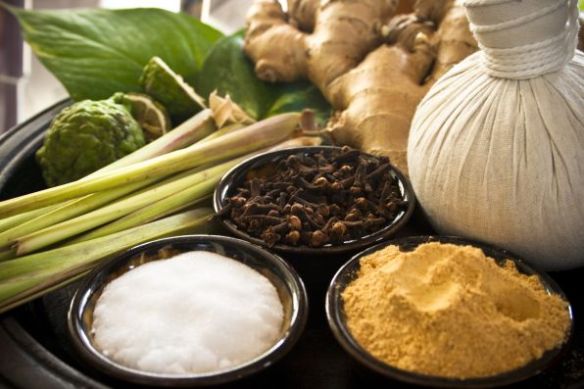
( Picture of Ayurveda food. Source: Google Advance Image Search.
Creative Commons. The image is used under the terms of Googles Creative Commons rules:http://creativecommons.org/licenses/by/2.0/deed.en. This photograph and credit do not constitute an endorsement of this blog or products mentioned.)

Ayurveda: How Food’s Taste and Qualities Affect Balanced Health

Last week we looked at the Ayurveda principle of including all six tastes in every meal in order to assure balanced nutrition — and balanced doshas. This week we will explore the building blocks of both the doshas and the six tastes: the five “mahabhutas” or primordial elements of creation. These elements are earth (prithivi), water (jala), fire (tejas), air (vayu) and space (akasha). These elements combine in different ways to make up the three doshas and the six tastes.

Doshas

Vata is a combination of space (akasha) and air (vayu).

Pitta is a combination of fire (tejas) and, in lesser amounts, water (jala)

Kapha is a combination of earth (prithivi) and water (jala)

Tastes

Sweet is dominated by earth and water (prithivi and jala)

Sour is dominated by earth and fire (prithivi and tejas)

Salty is dominated by water and fire (jala and tejas)

Pungent is dominated by air and fire (vayu and tejas)

Bitter is dominated by air and space (vayu and akasha)

Astringent is dominated by air and earth (vayu and prithivi)

How the Tastes Affect the Doshas

Sweet, sour and salty tastes increase kapha and decrease vata

Pungent, bitter and astringent tastes decrease kapha and increase vata

Pungent, sour and salty tastes increase pitta

Sweet, bitter and astringent tastes decrease pitta.

As an example, we can see how vata, being made of the combination of air and space, would be aggravated by the bitter taste, which is dominated by air and space, as well as by the pungent and astringent tastes, which both contain the element of air. Qualities are increased by similar qualities and reduced by their opposites.

There are also additional pairs of food properties that can affect the balance of our doshas. These pairs are: heavy and light, cold and hot, and oily and dry.

Heavy and Light:

Heavy foods increase kapha and reduce vata

Light foods increase vata and reduce kapha

Cold and Hot

Cold foods increase kapha and vata and reduce pitta

Hot foods increase pitta and reduce vata and kapha

Oily and Dry

Oily foods increase kapha and reduce vata

Dry foods increase vata and reduce kapha

Not only do these qualities affect the doshas, they can also be natural signals regarding the nutritional value of the food. For example, heavier foods are harder to digest than lighter foods. If a person has a low digestive capacity, that person should take care to favor lighter foods. In the same way that a large log can snuff out a fire, too much heavy food can overload even a normal digestive system. This will result in the creation of ama, or impurties in the body. Common heavy foods include meat and oil and fatty foods.

Next week we will look into improving digestion, avoiding ama, and look at the difference between balancing and purifying diets. Ideally an Ayurveda consultation with an expert in pulse assessment will allow you to pinpoint the tastes and qualities of food that are best suited to balance your doshas and to enhance your digestion.

Find more information at The Raj Ayurveda Health Spa and Treatment Center:

www.theraj.com

Creating Balance Through Taste

One of the most basic principles in Ayurveda is that all of the six tastes should be included in every meal. This helps to assure that the food we are eating gives us complete nutrition, that our diet is balancing all three doshas, and that our food gives us a sense of satisfaction. Eating all six tastes has also been said to stimulate the proper sequence of the digestive process.

If you repeatedly omit some of the six tastes you may develop food cravings or find yourself searching the cupboards for “something more”. This can lead to weight gain or binging. The simple step of making sure you have included all of the tastes can help to overcome unnatural eating habits, often leading to easy and natural weight loss.

The six tastes are: sweet, sour, salty, bitter, astringent (dry and puckering) and pungent (spicy).  If you have one or more doshas that are out of balance or that tend to go out of balance you will want to include greater quantities of certain tastes in order to balance your individual constitution. Different combinations of tastes bring different doshas into balance.  For instance, vata dosha is balanced by increased amounts of salty, sour and sweet tastes. Pitta is reduced by bitter, sweet and astringent tastes. And kapha is balance by pungent, bitter and astringent tastes.

Next week we’ll look at the six tastes and their connection with the five “mahabhutas”—the primordial elements of creation (earth, water, fire, air and space). This week we will review the six tastes one by one:

The Six Tastes

Sweet foods include: Sugar, rice, milk, cream, butter, ghee and wheat products.

Sweet foods, because they are cold and heavy, increase kapha. If eaten in excess they can cause weight gain, a dull or sleepy mind, and congestion. Vata types benefit from sweet foods because sweet adds steadiness and physical energy. Sweet can also help pacify pitta because it cools the body.

Sour foods include: Lemons, cheese, yogurt, tomatoes, grapes, oranges, berries and other sour fruits.

Sour foods enhance digestion and increase thirst. Excessive thirst is a pitta characteristic, but because sour foods trigger the desire for more water, they can also make your body heavier (more kapha). Too much sour food can create sharp, acidic problems such as ulcers, blood chemistry imbalances, acne and rashes, and heartburn. Vata types benefit from eating sour food because it stimulated digestion.

Salty foods include: Salt, soy sauce, seaweed, and kelp

Salt is hot and spicy, increasing Pitta in the body. It also attaches itself to water molecules, making tissues heavier—a kapha function. Too much salt can lead to pitta disorders, such as inflammation, acne and overeating. Kapha disorders, such as becoming overweight, are also aggravated by too much salt. Salt is a good taste for balancing vata b because it stimulates and steadies digestion.Foods_(cropped)

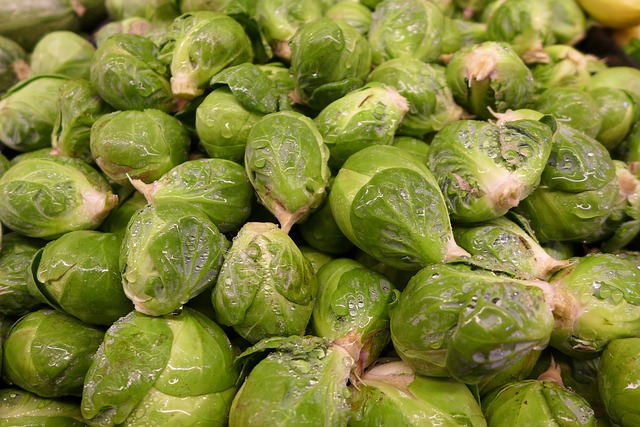
Bitter foods include: Bitter greens (endive, chicory, mustard greens, parsley, sprouts), leafy greens (kale, spinach, chard), brussels sprouts, zucchini, celery, sprouts, beets and grapefruit.

Because of their light, cool, dry quality, too much bitter foods can put vata out of balance, diminishing the appetite and causing weight loss, headaches, unsteadiness, dry skin and weakness. Like sweet tastes, bitter foods cool the body and are therefore pitta pacifying.

Astringent foods include: Beans, lentils, dal, pomegranates, apples, pears, broccoli, asparagus, green beans, grains such as rye, buckwheat and quinoa, turmeric, marjoram and tea and coffee.

Astringent foods are dry and cooling. For vata types, astringent food can cause constipation or gas. Like bitter, this taste is effective in pacifying pitta and kapha.

Pungent foods include: Cayenne, chili peppers, radishes, ginger, anis, onions, horseradish and spicy foods.

Pungent foods are hot and spicy. For kapha imbalances, pungent foods are ideal for heating up your body and clearing congestion. Too much spicy food can cause excessive thirst, irritation, or anger in pitta types or in anyone during hot weather.

One simple option is to use “churnas”, special spice mixtures that are formulated to include all six tastes. However this shortcut has its drawbacks. Getting the bitter taste from spices is not going to give your the same exposure to the health-creating vitamins, minerals, and cancer-fighting components contained in foods such as brussel’s sprouts and kale.

A consultation with a Vedic expert can help you determine which tastes should predominate in your meals in order to provide optimum balance. For more information on  consultations at The Raj Ayurveda Health Spa and Treatment Center, visit

www.theraj.com

(Photo of vegetables. Source: Google Advance Image Search.
Creative Commons. The image is used under the terms of Googles Creative Commons rules:http://creativecommons.org/licenses/by/2.0/deed.en. This photograph and credit do not constitute an endorsement of this blog or products mentioned.)

Ayurveda Pulse Assessment — A powerful tool for maintaining balance

DCF 1.0 Just as specialists such as meteorologists and auto mechanics have special tools to help them in their field, Ayurvedic experts use “nadi vigyan” (pulse assessment) to evaluate your mind/body make-up and to pin-point potential weaknesses in the physiology.

When an Ayurvedic expert takes your pulse, he or she does not count the beats per minute. Rather, the expert places three fingers on the artery of your wrist and detects patterns and rhythms that signal your body’s state of health.

“What we feel in the pulse is the direct reflection of the physiology where consciousness first sprouts into matter,” says Mark Toomey, head of the Vedic Health office at The Raj Ayurveda Health Spa and Treatment Center. “From this level our assessment has maximum value.”

With this ancient tool, experts can determine your “prakriti” (existing mind/body balance) and detect your “vikriti” (any area that is out of balance and which, if left untreated, may sprout into disease or disorder.)

Prakriti

Prakriti literally means “nature” and refers to your essential nature or body type.

“Knowing your prakriti or body type helps determine your potential strengths and weaknesses. Then we can prescribe the correct diet, routine, behavior, herbal preparations and Ayurvedic treatment program to restore or maintain a healthy balance,” says Toomey.

Vikriti

Equally important is the identification of vikriti. Vikriti refers to any accumulation of the three doshas that is not natural or appropriate for the individual. Imbalance in the doshas can be caused by a variety of reasons, including stressful activity and wrong diet or routine for one’s particular body type (prakriti).

Taking the pulse allows the Vedic expert to determine not only which dosha is imbalanced but also the exact location of that imbalance in the body. This is done by analyzing the five subdivisions, or “subdoshas”, of vata, pitta and kapha.

For instance, you may have an imbalance of apana vata, the subdivision of vata located in the colon and lower abdomen. This could cause gas, constipation, or even lower back pain. Or you might have an imbalance in tarpika kapha, the subdosha of kapha located in the sinus cavities, head and spinal fluid. This is linked to sinus conditions, hay fever, and sinus headaches.

Once these imbalances are identified, specific dietary and lifestyle changes,  herbal remedies and Ayurveda treatments can be recommended to treat the subdoshas that are out of balance.

“Detecting and treating imbalances at this early stage can help prevent illness,” says Toomey. “This makes pulse assessment a powerful tool for promoting and maintain health and vitality.”

To schedule an appointment for an Ayurveda Pulse Assessment or to learn more about the Ayurveda approach to health, contact The Raj:

1-800-864-8714 ext. 9000

WWW.THERAJ.COM

Nature’s Wonderfood…Brussels Sprouts?

brussel-sprouts-92240_640I’ve never understood why brussels sprouts have such a bad reputation. Smothered in butter and sprinkled with salt, they have always been one of my favorites. Lately I’ve switched to olive oil and still love them. Given their long list of amazing health benefits, brussels sprouts are vegetables that should be added to everyone’s grocery list.

I’ve come across a few tips for cooking brussels sprouts to get the most out of their health-improving benefits and the most out of their flavor. You’ll find them down at the end of the blog. But first, let’s look at what this wonderfood does for us.

1. Researchers now believe that brussels sprouts have a unique ability to protect DNA. Daily consumption of 1.25 cups of brussels sprouts was linked with the improved stability of DNA within white blood cells.

2. Brussels sprouts help fight cancer. They beat out kale, broccoli, cauliflower, and cabbage (all part of the cruciferous vegetable group) in providing glucosinolates. Glucosinolates are the chemical starting points for a variety of cancer-protecting components. Two examples:

–Sinigrin is a glucosinolate that prompts pre-cancerous cells to “commit suicide” – a natural process called apoptosis. According to scientists at the Institute of Food Research in Norwich, the effect is so powerful that even the occasional meal of brussels sprouts can destroy precancerous cells.

–Sulforaphane (another glucosinolate in brussles sprouts) has been proven to trigger the liver to produce enzymes that detoxify the body of cancer-causing chemicals. They have also been shown to inhibit chemically induced breast cancers in animal studies. Research published in the Journal of Nutrition shows that sulforaphane can halt the proliferation of breast cancer cells, even in the later stages of their growth.

3. Brussels sprouts, especially when steamed, can help lower cholesterol levels. Apparently steaming the mini-cabbages allows them to better bind with bile acids in the digestive tract. This makes it easier for bile acids to be excreted from the body. The result is a lowering of cholesterol levels.

4. Protein! While many vegetables contain small amounts of protein, brussels sprouts have enough to make them a meat-substitute.

5. Brussels sprouts are full of things that we need: Vitamin A helps the body fight against infection (and promotes a glowing complexion).  With three times the amount of vitamin C as oranges, this super-vegetable helps maintain healthy tissues and organs. The vitamin D in brussels sprouts aids in the absorption of calcium and phosphate, allowing for stronger bones. It also supports brain cell functioning. The vegetable is also an excellent source of vitamins B6 and K and contains iron, copper, manganese, magnesium, phosphorous and potassium.

6. Brussels sprouts boost fertility in men and women due to their high levels of folic acid. Folic acid helps line the womb with the proper nutrients, thus raising sperm survival chances. Folic acid has also been associated with increased sperm levels.

The Washington Health Foundation recommends eating 1 1/2 cups of brussels sprouts two to three times a week. They also recommend adding additional cruciferous vegetables twice a week and upping their amount to 2 cups.

Here’s a more expanded list of health-promoting cruciferous vegetables:

Arugula, bok choy, broccoli, brussels sprouts, cabbage, cauliflower, collard greens, daikon radish, horseradish, kale, kohlrabi, mustard greens, radish, rutabaga, turnip, watercress.

Cooking Brussels Sprouts

Overcooking brussels sprouts has two disadvantages. Not only do you lose much of their nutritional value and taste, they also begin to have an unpleasant odor. To get the most out of the vegetable, cut each sprout in quarters and let them sit for 5 minutes, then steam for an additional 5 minutes. (There is a whole science behind letting them sit after you chop them — some even suggest adding lemon juice at this stage. For now lets just say it helps activate healthy enzymes). Or chop and add to a stir-fry mix. Or, if you really don’t like the taste, chop them into tiny pieces and sprinkle over a salad. While raw brussels sprouts won’t yield the vegetable’s full nutritional value, you will still get a great deal of the benefits of this wonder-food.

To take a dosha test and find out what vegetables best support your body type, visit The Raj Ayurveda Health Spa website:

http://www.theraj.com

Time to Wake Up!

sunrise-226699_640With the onset of the kapha time of the year (the cold, rainy, and damp days of late winter and early spring) it is important to get in the habit of rising early in the morning. During vata season (late fall through early winter) we can get away with sleeping into the kapha time of the day. Vata has been increasing in our mind/body system and a little kapha influence can be grounding. But when we move into kapha season, hitting the snooze button can create imbalances that could open the door to spring allergies and colds.

Most of us already know the basic  24-hour cycle of vata, pitta and kapha. Every day there are two cycles of change, one from 6.a.m. to 6.p.m. and the other from 6 p.m. to 6 a.m.  Within each 12- hour cycle there are three 4-hour periods that are dominated by one of the three doshas; vata, pitta or kapha.

Cycle 1

6:00 a.m. to 10:00 a.m. is kapha time

10:00 a.m. to 2:00 p.m. is pitta time

2:00 p.m. to 6:00 p.m. is vata time

Cycle 2

6:00 p.m. to 10:00 p.m. is kapha time

10:00 p.m. to 2:00 a.m. is pitta time

2:00 a.m. to 6:00 a.m. is vata time

As kapha season progresses you’ll notice that the sun starts to rise earlier and earlier. That makes it important to go to bed earlier at night so that you are falling asleep in the drowsy, heavy time in the evening, before 10:00 p.m.

While the evening kapha cycle is perfect for heading to bed—and falling asleep—the morning kapha cycle is not a good time for sleeping in. If you sleep too long into this time period your mind/body system gets suffused with the dull, slow, heavy qualities of kapha. You’ll find that you feel dull and tired throughout the day. This habit also results in a build-up of impurities (ama), which predisposes you to allergies and congestion. This is influence is magnified during the cold, wet, kapha season.

On the other hand, if you wake up at 6:00 am (or before) you will feel more vata qualities (energy, vitality and alertness) throughout the day.

Begin by adjusting both your bedtime and rising time 15 minutes every week. If you are an extreme night owl, start with going to bed one half-hour earlier. Remember the adage, “the day begins the night before”.

Even if you miss your bedtime target, maintain your new rising time faithfully. Use an alarm clock if necessary.

Continue this plan until you get in the habit of rising at 6 or 6:30. After a few weeks of rising at this early hour you will start becoming attuned to the cycles of nature and may find yourself yawning and thinking fondly of heading to bed at the proper time (during the kapha cycle of the evening). When we can attune our physiologies to nature’s rhythms we will fall asleep more easily, rest more deeply, wake up feeling light and refreshed, and enjoy energy and well being throughout the day.

The classical texts of Ayurveda suggest that the transition from vata season to kapha season is the ideal time to visit an Ayurveda expert or to schedule Panchakarma (Ayurveda detoxification and rejuvenation treatments). For more information visit The Raj website:

http://theraj.com/rajoffers/details.php

Tips for Kapha Season

rose-144122_640As the weather changes from winter to spring (vata season to kapha season) you may notice changes in both your mind and body. Nature is waking up and you too may feel the need to get out, exercise and get started on new projects. You may also find yourself falling ill with a cold or flu.

Here are some tips for kapha season to help you make a healthy, balanced transition from vata season.

1. You should have already been favoring warm, cooked foods during vata season. Continue this trend. Both vata and kapha are characterized by the quality of cold. During kapha season, add a bit more spice to your meals. Chili, curry, turmeric, cayenne, and mustard seed are all helpful spices.

2. Again, as you should have been doing in vata season, drink hot drinks throughout the day. During kapha season you may want to switch to a more stimulating tea — perhaps one with ginger.

3. Substitute honey for sugar. Raw, unheated honey is very effective in reducing kapha. (Caution: never bake with honey. Heated honey creates a toxin that clogs the channels of the body and is difficult to remove.)

4. Favor the grains quinoa and barley instead of rice and wheat.

5. Cut down on simple carbohydrates (sugar, white flour, candy, chocolate, cake, jam, soda and packaged cereals) and favor complex carbohydrates. Foods that contain complex carbohydrates include spinach, yams, broccoli, peas beans, whole grains, zucchini, lentils, and skimmed milk. Complex carbohydrates act as the body’s fuel and contribute significantly to energy production. This is the time of year when it is most important to get moving.

6. Favor foods with astringent, bitter and spicy tastes. A few examples of foods with these tastes are:

Astringent: legumes, beans, lentils, pear, apple, pomegranate, quinoa, tofu

Spicy: chili peppers and curry powder

Bitter: dark leafy greens, turmeric, barley, basil

7. Take steps to enhance your digestion. Digestion tends to be sluggish at this time of the year. A thin slice of ginger topped with a bit of fresh lemon juice taken 15 minutes before a meal will insure that your digestive enzymes are primed to make the most of your food. After you are finished eating, sit quietly for a few minutes to allow your digestion to continue its job undisturbed.

8. Be consistent with your morning oil massage. This is the season when then body naturally begins to detoxify. The skin is one of the main organs of purification in the body. Not only are toxins eliminated from the body via the skin, our skin is also our first barrier to environmental toxins. An oil massage each morning before your bath or shower helps support this natural self-cleansing mechanism.

9. This is the optimum time of the year to schedule panchakarma treatments (the traditional rejuvenation treatment of Ayurveda) for a more powerful boost to your body’s natural purification process.

For more information on rejuvenation treatments or to schedule an Ayurveda consultation visit:

www.theraj.com


(Photo of purple flower. Source: Pixabay. The image is used under the terms of Creative Commons: http://creativecommons.org/publicdomain/zero/1.0/deed.en . This photograph and credit do not constitute an endorsement of this blog or products mentioned.)


Avoid Allergies and Colds with an Ayurvedic Spring Cleanse

dandelion-111015_640Our bodies are more susceptible to health problems when the seasons are changing because our body functions differently in each season. For example, our agni (or digestive fire) can fluctuate dramatically during the change from hot to cold or cold to hot. Poor digestion can lead to a build up of ama (or toxins) in the body.

This is why respiratory illnesses and allergies are so prevalent in the autumn and early spring. We see this especially in the early spring. As the weather starts to warm up the ama accumulated during the winter starts to melt from our tissues, flooding the tiny channels of circulation (shrotas) and taxing our immune system. Unless our body’s immune system is strong we can become susceptible to bacteria and allergens.

On top of this flood of toxins, the body at this time also has to deal with an accumulation of mucus.  From mid-february to May is the kapha time of the year. During this time wet, heavy, and cold properties begin to dominate the body. The body is responding to the long build-up of vata (from the cold, dry, windy conditions of late fall and early winter) by producing mucus to counter vata’s drying influence.

As the weather switches from cold to warmer termperatures the mucus in the body begins to liquefy. The sticky liquid can cause congestion in the mucus membranes that line our respiratory and digestive tracts, contributing to allergies and sinus conditions.

This is why late winter/early spring is the optimal time to cleanse mucus and toxins from our body. The classical texts of Ayurveda recommend specific detoxification treatments —called “panchakarma”—during the change of seasons.

Spring is nature’s natural detoxification season as the progression of the cold of winter to the warmth of spring triggers a natural process of releasing the winter’s accumulation of fats and toxins. Because our body is already engaged in flushing out toxins and lubricating the channels, going through Ayurveda detoxification treatments at this time provides a boost to the process, allowing for a more thorough and efficient removal of these unhealthy substances.

If you have high cholesterol, a coated tongue, joint pain, constipation, dull skin and eyes, gas, or excess mucus, you have the physical symptoms of ama. You may also feel the build up of ama as fatigue, dullness and/or irritability. Panchakarma treatments help remove years of accumulated ama (along with excess vata, pitta, and/or kapha) and also help to return agni to its normal level of functioning.

Enjoying Panchakarma as an in-residence guest allows the body to get a profound rest. Pluses of an in-residence stay include not having to travel to and from a clinic every day, being protected from weather conditions, and, best of all, complete ease in following a prescribed daily routine and diet, allowing you make the most of the rejuvenation experience. If you don’t have the opportunity for a residential stay, however, day treatments are highly recommended.

Tips for Kapha Season

There are also adjustments that you can make in your home routine and diet that will help you during this winter to spring transition.

1. Sip hot water throughout the day

2. Eat more leafy greens. Favor the kapha-pacifying tastes of bitter, astringent and pungent.

3. Favor organic, fresh foods. Avoid processed foods, cold dairy products, fried and high-fat foods. Remember, light, warm foods counter the cold, heavy qualities of kapha.

4. Put a little zip in your food: spices like ginger, chili, cloves, and pepper help counter the cold quality of kapha.

5. Do not sleep later than 6:00 in the morning. Sleeping into the kapha time of the day can increase kapha qualities in body and mind.

For more information on Panchakarma treatments, visit The Raj web site @

http://theraj.com/allergies/index.php

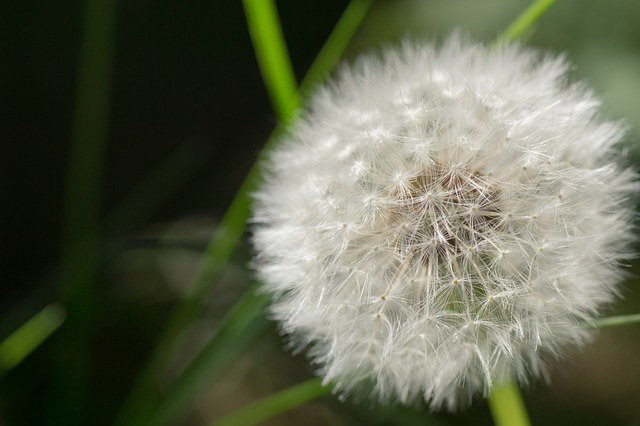
(Photo of Dandelion. Source: Pixabay. The image is used under the terms of Creative Commons: http://creativecommons.org/publicdomain/zero/1.0/deed.en . This photograph and credit do not constitute an endorsement of this blog or products mentioned.)

DDT and Alzheimer’s — Ayurveda Can Help!

A recent study published in JAMA Neurology found that patients with Alzheimer’s had four times as much blood levels of DDT as healthy people. While the findings are not conclusive, researchers believe the chemical increases the chance of Alzheimer’s and may be involved in the development of amyloid plaques in the brain, which contribute 6a00d83451e0d569e201156e4f87e6970c-800wito the death of brain cells. Even though DDT has been banned in the US since 1972, the average American still ingests small amounts of the toxic chemical every day.

The good news? The ancient science of Ayurveda provides a means to remove this harmful chemical from the body.

Current mainline thinking is that the only way to eliminate DDT from the body is to let nature take its course. DDT’s half-life — the time it takes to naturally fall to half it’s original value — is 2 to 15 years. But a published research study conducted on the traditional Ayurveda detoxification treatments at The Raj Ayurveda Health Spa and Treatment Center in Fairfield, IA showed that 50% of DDE levels (DDE is the by-product of DDT found to be linked to Alzheimer’s) can be eliminated through a 5-day treatment program. A good investment in one’s future! To read more about the study visit http://theraj.com/rajresults/index.php

(If PK is not in your budget, daily massage with organic sesame oil can be helpful. See more tips at the end of the blog.)

DDT

DDT is harmful to the nervous system and is a known carcinogen. It belongs to a group of chemicals (along with PCBs and dioxins) that are fat-soluble. This means the chemicals adhere to the fat in insects, animals and people. The chemicals remain stored in the fat until their natural dissolution. This can take from 4 to 30 years. Although DDT is no longer made or used in the US, our water, air, soil are so contaminated that the chemical still poses a threat to our health.

Exposure to DDT

DDT and its by-products are persistant, bioaccumulative and can be transported long distances through the atmosphere. They can travel in the water systems and can end up in produce, dairy and meats through irrigation. DDT can build up in sediment in rivers, lakes, and coastal areas, and then accumulate in fish and shellfish. It is still in our soil and can be absorbed by some plants and by the animals or people who eat them. The largest fraction of DDT in a person’s diet comes from fish, meat, poultry, and dairy products. Leafy vegetables generally contain more DDT than other vegetables, possibly because DDT in the air is deposited on the leaves. DDT also comes to us in food from other countries. Infants may be exposed by drinking breast milk.

Removing DDT

The purification treatments of Ayurveda start with a week of “home-prep”, an individually recommended protocol that primes the body to get the most out of the up-coming treatments. One aspect of home prep is a fat-free diet. When the detox treatments begin, pure oils are massaged into the body day after day, penetrating deeper and deeper into the tissues and organs of the body. Because the restrictive diet has reduced the body’s natural fat saturation, the fat-soluble chemicals respond joyously to the pure lipid infusion, detaching from the cells and attaching to the new lipids.  These then get flushed out of the body with daily elimination therapy. To date this is the only proven way to remove fat-soluble toxins from the body.

Avoiding DDT

1. Begin each day with a warm oil massage. Sesame oil is the most penetrating of the oils but those with a more pitta constitution may develop itchy skin or a rash. If you have sensitive skin, try using sweet almond oil, olive oil or coconut oil. Warm the oil slightly before using. Sit for 10 minutes after application and follow with a warm shower.

2.  Favor organic foods, especially organic foods grown in the U.S. Many countries still use DDT to contain malaria. The run-off from spraying can contaminate the water systems and get onto food through irrigation (even into so-called organic farms).

3. Wash all fresh produce thoroughly in water, especially leafy greens, beans, root vegetables, and fruits and berries, to remove soil and any residues of DDT or DDE on the surface of the food.

4. If you are not a vegetarian, choose lean cuts of meat, poultry and fish. Trim excess fat from meat and poultry.

5. Consider a yearly commitment to Panchakarma treatments. A five-day treatment can accomplish what nature takes 2 to 15 years to do.

To learn more about Ayurveda detox and purification programs, visit The Raj website:

www.theraj.com

(Photo of older man with younger woman. Source: Google Advance Image Search.
Creative Commons. The image is used under the terms of Googles Creative Commons rules:http://creativecommons.org/licenses/by/2.0/deed.en. This photograph and credit do not constitute an endorsement of this blog or products mentioned.)

Preventing Back Pain with Ayurveda

getty_rm_photo_of_woman_with_lower_back_pain

Have you ever preformed a simple activity like bending over to tie your shoe and suddenly felt stabbing pains in your back? Turns out 8 out of 10 people will suffer from lower back pain at some point in their lives.  While modern medicine pinpoints specific causes of lower back pain —poor posture, lack of muscle tone, strain, and stress — Ayurveda sees back pain as a symptom of vata and kapha imbalances, aggravated by a build-up of ama.

This helps explain why the incidence of lower back pain increases with age. Fifty percent of those over the age of 60 experience lower back pain. According to Ayurveda, when we are 60 and over we are considered to be in the vata time of life. So it makes sense that vata imbalances — and their resulting problems — appear more frequently in these years.

In the case of back pain, vata imbalances interfere with kapha’s ability to support and lubricate the spine. This dryness further aggravates vata and leads to stiffness and pain. Let’s look at this in more detail:

Vata and Kapha Imbalances

Each of the three doshas (vata, pitta and kapha) has five subdivisions called “subdoshas” which control particular functions of the body. One of the subdoshas of vata, apana vata, is related to lower back pain. Apana vata is situated in the lower pelvic area and is responsible for the downward moving aspect of vata relating to elimination and menstruation. Chronic problems such as constipation and painful periods may indicate an underlying imbalance that can end up resulting in lower back pain later in life.

When vata becomes aggravated by stress or fatigue, by traveling, by a cold, dry environment, or by too many cold, dry, rough foods, the increased vata influence in the body affects kapha.

One of the subdoshas of kapha, avalambaka kapha, is located in the lower back and heart. It lubricates and supports the spine and the sacrum. This subdosha can “dry out” when affected by apana vata.

When kapha does not lubricate properly the result is dryness in the joints. This can lead to pain, aches, stiffness, etc. This drying influence may also cause difficulties with elimination and constipation.

Ama

Ama —toxins and impurities that accumulate in body—is another factor to be considered with lower back pain. When vata and kapha are aggravated they mix with the ama, creating either a vata-aggravated ama or a kapha-aggravated ama. The ama can become lodged in the joints, blocking joint movement and interfering with the production of fluid lubricating the joints.  This leads to cracking joints, stiffness, pain, loss of cartilage and overproduced bone growth at the joints resulting in osteoarthritis.

Treatment

Effective preventive treatment for chronic lower back pain should include regular stretching, such as yoga exercises.

The authentic, traditional Ayurveda treatments (Panchakarma) offered at The Raj specialize in removing ama and impurities that have accumulated in the joints and tissues.  They also help balance vata, allowing kapha to once again function normally.

Diet

If you are prone to lower back pain, try to avoid eating vata-aggravating foods such as dry foods and raw vegetables. Also avoid root foods, which not only aggravate vata but also have certain properties that can adversely affect joints. To reduce ama, avoid cheese, meat and heavy, fried, or processed foods. Eat your main meal at noon and take a lighter meal in the evening.

Daily Oil Massage

Pacifying vata is the key to keeping everything else in balance. A simple home oil massage each morning can help soothe vata and also help remove ama from the skin tissues.

Relax

Many people find that their back goes out when they are under stress. In a stressful situation the whole body can tighten, tense, and can easily go into muscle spasm, which can push vertebrae out of place. At The Raj Ayurveda Health Spa and Treatment Center, daily practice of the Transcendental Meditation technique is recommended to reduce stress, thereby reducing incidences of lower back problems.

Now we can understand that while back pain may appear to be caused by some specific activity, there has in fact been a long series of events leading up to that particular moment: an aggravation of vata, a disruption of kapha’s lubricating function and a build-up of ama. The good news is that it is not just an inevitable part of growing old.

For more information on programs at The Raj Ayurveda Health Spa and Treatment Center visit:

http://theraj.com/pain/index.php

 Image provided by Google Advance Image Search, Nacivet / Photographer’s Choice