

Are Night Owls Lazy Owls While Early Birds Stay in Shape?

OLYMPUS DIGITAL CAMERAAccording to a new study from the Academy of Sleep Medicine, night owls tend to be more sedentary and feel that they have a harder time maintaining an exercise schedule.

“We found that even among healthy, active individuals, sleep timing and circadian preference are related to activity patterns and attitudes toward physical activity,” said lead researcher Kelly Glazer Baron, associate professor of neurology and director of the Behavioral Sleep Medicine Program at the Feinberg School of Medicine.

“Waking up late and being an evening person were related to more time spent sitting (particularly on weekends) and with difficulty making time to exercise… Even among those who were able to exercise, waking up late made it perceived as more difficult.”

To anyone who knows about Ayurveda, this makes total sense. From an Ayurveda perspective, sleeping into the Kapha time of the day allows the heavy, slow, lethargic qualities of kapha to influence our mind/body system. Let’s examine the mechanics of this phenomenon.Alarm_Clocks_20101107a

According to Ayurveda there are three time periods in every twelve hours: Vata, Pitta, and Kapha. The Vata dominated period is from 2 until 6, the Kapha from 6 to 10, and the Pitta from 10 to 2. The cycle repeats itself in the next twelve hours, so that there are two Vata times, two Kapha times, and two Pitta times each day, one during the daytime and one during the nighttime.

Quickly reviewing the qualities of the doshas:

Vata dosha is a combination of air and space. Vata’s qualities are light, mobile, dry, cold, erratic and subtle.

The Pitta dosha is comprised of fire and water. Pitta’s qualities are hot, sharp, light, and intense.

The Kapha dosha is comprised of earth and water. Kapha is heavy, steady, dull, stable, soft, and static.

We know that the doshas exist not only within our bodies but throughout all the world around us. Our bodies experience increased balance and ease of functioning when we follow a daily routine that is in tune with the natural rhythms of the day.

To stay in sync with the cycles of nature, we should go to bed before 10:00 so that we take advantage of the slow, stable and heavy quality of Kapha time, which is ideal for falling asleep. Following the same reasoning, we want to rise before or near to 6:00 am, taking advantage of the light, energetic quality of Vata time. If we extend our sleep into Kapha time, we bring that heavy, dull quality of Kapha into our waking hours. Sleeping as late as 8:00 or 9:00 am can make us feel sluggish —and it makes sense that exercise would be perceived as uninviting.

As we discussed in last week’s blog, increasing the influence of Kapha, especially during the spring and summer, can lead to an accumulation of ama throughout the body. If you are find that you have gotten into bad habits in terms of bedtimes and rising times, and notice any increasingly sedentary habits, it’s time to take steps to reset your daily routine before serious imbalances develop.

For tips on resetting your sleep schedule, visit our February post, Time to Wake Up.

For information on consulting an Ayurveda expert or information on the balancing and detoxifying treatments of Ayurveda, visit The Raj, Ayurveda Health Spa and Treatment Center.

WWW.THERAJ.COM


( Picture of sleepy owl. Source: Google Advance Image Search.
Creative Commons. The image is used under the terms of Googles Creative Commons rules:http://creativecommons.org/licenses/by/2.0/deed.en. This photograph and credit do not constitute an endorsement of this blog or products mentioned.)

( Picture of alarm clock. Source: Google Advance Image Search.
Creative Commons. The image is used under the terms of Googles Creative Commons rules:http://creativecommons.org/licenses/by/2.0/deed.en. This photograph and credit do not constitute an endorsement of this blog or products mentioned.)

Support Brain and Heart Health With Ayurveda

While most people now understand that cholesterol is not uniformly “bad”, not everyone knows that cholesterol, a fatty acid produced in the liver, is actually essential to many bodily functions. Without cholesterol the body could not build cell membranes or synthesize vitamin D, or hormones.

Western medicine teaches us that cholesterol is available in two forms: high-density cholesterol (HDL) (“good” cholesterol) and low-density cholesterol (LDL) (“bad” cholesterol).

LDL (Bad) Cholesterol

LDL cholesterol is considered the “bad” cholesterol because it contributes to plaque, a thick, hard deposit that can clog arteries and make them less flexible.

HDL (Good) Cholesterol

HDL cholesterol is considered “good” cholesterol because it helps remove LDL cholesterol from the arteries. It is believed that HDL acts as a scavenger, carrying LDL cholesterol away from the arteries and back to the liver, where it is broken down and eliminated from the body.

From the Ayurveda perspective, cholesterol is only “bad” when it is out of balance. It is “good” when it is balanced, supporting and lubricating the body’s numerous circulatory channels, known as the shrotas. There are many kinds of shrotas. There are micro-shrotas, which carry nutrients to the cells and waste from the cells. There are larger shrotas, such as the arteries and veins, which carry blood to and from the heart. And there are delicate shrotas that lead to our brain.

For our physiology to be healthy and functioning well, all of these shrotas must be flexible and elastic. When in balance, cholesterol plays an important role in lubricating and maintaining our shrotas.

“Good” cholesterol becomes “bad” cholesterol when we have large amounts of ama in our system. Ama is the sticky waste product of poor digestion, absorption and metabolism. It accumulates as a toxin in the fat tissues. Ama thatis present for a very long time and is not cleansed from the system begins to spread throughout the body, and blocks the important channels of circulation, nourishment and detoxification.

For years, high levels of “good” cholesterol and low levels of “bad” cholesterol has been linked to a healthy heart. In December of 2013, a study was released linking high levels of “good” cholesterol and low levels of “bad” cholesterol to good brain health as well. It was established that high “bad” cholesterol levels were linked to brain deposits that cause Alzheimer’s. A healthy ratio of good vs. bad cholesterol was associated with lower levels of the plaque in the brain. An unhealthy ratio was associated with higher levels of plaque. The findings were independent of age or presence of specific a specific gene that has been linked to some forms of Alzheimer’s.

Natural Ways to Lower Cholesterol: Diet and Purification

Diet

To lower “bad” cholesterol Ayurveda recommends a two-pronged approach: Improve digestion and follow a Kapha-balancing diet to enhance fat metabolism.

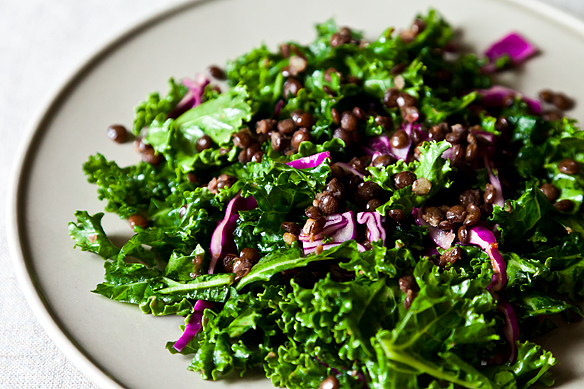
A Kapha-pacifying diet favors bitter, astringent and pungent foods. Astringent foods include dried beans such as lentils, split mung dhal, and garbanzo beans. Astringent tastes also include many vegetables, such as the cruciferous family (brussels’ sprouts, food52_06-12-12-5121broccoli, cabbage, and cauliflower) and fruits such as apples and pears. Bitter foods include greens such as spinach, chard, kale and mustard greens. The Kapha-pacifying grains include barely, quinoa, amaranth and oats (whole oats, not processed oats.) Avoid sweet tastes, including rice, wheat, pasta, breads, and sweet milk products. Avoid sour foods such as sour fruit (lemons), yogurt, cheese, tomatoes, vinegar, salad dressings, ketchup, mustard and pickles. Oddly enough, while it is recommended to avoid yogurt, digestive lassi, made of yogurt and water, turns out to be good for balancing cholesterol. Avoid sweet lassi and mango lassi and opt for the digestive lassi. Favor warm foods cooked with small amounts of ghee or olive oil.

Purification

Detoxification is a natural body process to reduce ama. Our natural ability to detox, however, can become compromised when our system becomes overloaded from stress, poor diet and environmental toxins. So what can we do to support the body’s natural process of detoxification? Panchakarma, the traditional purification treatments of Ayurveda, help remove ama from deep within the tissue beds. Cleansing and detoxifying the body also helps build up our natural digestive fire, which itself naturally burns ama from the body.

For more information on Panchakarma, the traditional purification and detoxification treatments of Ayurveda, visit The Raj Ayurveda Health Spa and Treatment Center:

www.theraj.com


( Picture of kale and cabbage. Source: Google Advance Image Search.
Creative Commons. The image is used under the terms of Googles Creative Commons rules:http://creativecommons.org/licenses/by/2.0/deed.en. This photograph and credit do not constitute an endorsement of this blog or products mentioned.)
Keeping Cool with Ayurveda Tips

50262018_524e21b23b_zAccording to Ayurveda, the heat of summer is aggravates Pitta dosha, the metabolic principle responsible for energy production, metabolism and digestion. When aggravated, Pitta can give rise to increased anger, ulcers, rashes and other skin problems.

Pitta season starts in mid-June and lasts until mid-October. During this time you may find that your appetite is not as strong as during the cold months of the year. This is because in the winter the body has to provide its own heat, so the digestive fires burns at its brightest. As the outside heat increases, however, our inner fire diminishes. If you find your appetite is less in Pitta season, listen to what your body is telling you.

You’ll want to drink more liquids during the hot months of summer (room temperature to cool is acceptable, but never ice cold) but it is important not to douse the digestive fires by drinking liquids at the end of a meal.

Sunbathing can increase Pitta and therefore should be minimized. According to modern medicine, sunbathing increases the risk of skin cancer—and that risk is greater among Pitta types or those with Pitta aggravation. If you must be in the direct sunlight, wear a hat and sunglasses. The eyes are one of the five main seats of Pitta dosha and excess heat can accumulate there during the summer.

One way to help control Pitta is simply through diet. Pungent (spicy), salty and sour tastes increase Pitta. Sweet, astringent and bitter tastes reduce Pitta. Whether or not to adopt a Pitta-pacifying depends on your constitution and on any imbalances you might have. A trained Ayurveda expert can recommend the right regimen for you. Remember also that the differences among Ayurvedic diets are matters of degree. Whatever the season, we should always include the six tastes in every meal in order to nourish all of our body tissues.

Seasonal Maharishi Ayurveda purification and detoxification treatments, or Panchakarma, are recommended to keep the doshas from unhealthy levels of imbalance. Imbalance of the doshas arises in six successive states: accumulation, aggravation, dissemination, localization, manifestation and disruption. As long as the doshas don’t get past the accumulation or aggravation stage, we can avoid ill-health.

Once the process goes beyond the aggravation stage, however, some symptoms of disease or disorder may be experienced. The traditional rejuvenation treatments of Ayurveda help remove imbalanced doshas, loosening them from localized areas and eliminating them from the body.

For more information on the traditional detoxification treatments of Ayurveda or for information on consultations with Ayurveda experts, visit The Raj Ayurveda Health Spa and Treatment Center:

www.theraj.com


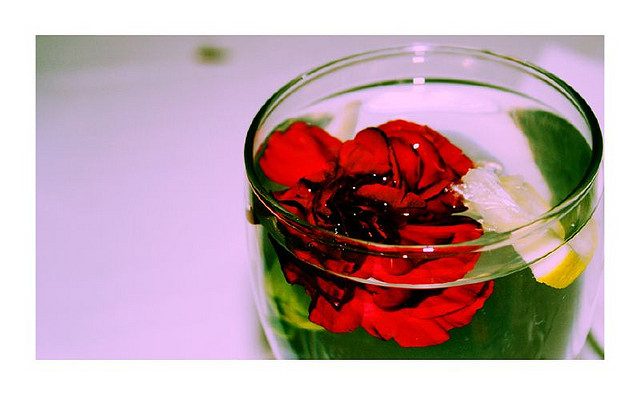
( Picture of a Rose in Water. Source: Google Advance Image Search.
Creative Commons. The image is used under the terms of Googles Creative Commons rules:http://creativecommons.org/licenses/by/2.0/deed.en. This photograph and credit do not constitute an endorsement of this blog or products mentioned.)

Foods with Zip: Ayurveda Tips for More Energy

If you are living in an area where winter is still transitioning into spring, you are experiencing the end of Kapha season. And while you may have lots of plans for activities such as gardening or exercising, some people may find that the season’s accumulation of kapha produces feelings of lethargy or depression. While we all might notice a bit of these symptoms, an individual with a predominant Kapha dosha will notice it much more.

This is a time when we might want to pay special attention to our diet to include energizing foods. Ayurveda has traditionally classified certain foods as either energizing (sattivic) or energy-draining (tamasic). Tamasic foods drain your energy because they are difficult to digest, produce impurities in your body and contain little vitality.

Here are Ayurveda food tips for boosting your energy levels:

Energizing (Sattvic) Food

Fresh fruit and vegetables

Juice made from fresh fruit and vegetables

Sweet dairy products such as milk and ghee (ideally organic)

Freshly prepared yogurt

Rice and wheat products such as bread, pasta and barley

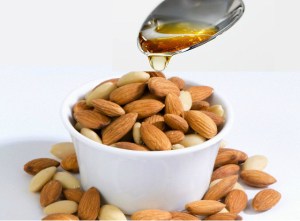
Honey (unheated)almonds and honey

Raisins, dates, figs

Almonds

Olive oil

Split mung beans

Energy Draining (Tamasic) Foods

Red meat

Aged or fermented foods, including vinegar, pickled foods, and sour cheeses such as Swiss and cheddar. (Most sweet cheeses, such as cottage cheese, farmer’s cheese, mozzarella and ricotta are not tamasic.)

Smoked foods

Leftover foods

Frozen, canned and packaged foods

Onions and garlic

Mushrooms

Vegetables that grow below the ground (except for carrots and beets, which are energizing foods.) Potatoes are mildly energy-draining

Alcohol

Coffee (surprisingly!)

The old adage “You are what you eat” does not just refer to vitamins and proteins. Choosing primarily sattvic foods will affect rev up your energy levels and help maintain a balanced, happy state mind and emotions.

Visit an Ayurveda expert to learn more about the specific foods that will help create perfect balance in your individual physiology. The times of seasonal changes can be challenging to  our bodies and this is the perfect time for purification and dietary alertness.

www.theraj.com


( Picture of honey and almonds. Source: Google Advance Image Search.
Creative Commons. The image is used under the terms of Googles Creative Commons rules:http://creativecommons.org/licenses/by/2.0/deed.en. This photograph and credit do not constitute an endorsement of this blog or products mentioned.)
Supporting Beautiful Hair and Skin — and a Healthy Body — with Daily Ayurveda Oil Massage

I had to laugh when I read about “the new trend for 2014”: conditioning your hair before you shampoo it. Fashion magazines claim that “reverse shampooing” promises to give your hair more volume, recreating the effects of freshly blow-dried hair. I laughed because there is nothing new about the concept. Ayurveda has always recommended that you massage a small amount of oil into your hair and scalp before taking your morning shower.how-to-do-abhyanga-a-self-massage-with-warm-oil-youtube-13925719214ngk8

(One tip: after you have let the oil soak into your scalp for some time, put your shampoo directly on you hair before getting into the shower. This will help remove the oil more effectively. It’s like using spot remover before tossing clothes into the washer.)

And don’t stop with the head! According to Ayurveda, your entire body needs a coat of oil each day. Daily morning oil massage helps the skin perform its important functions efficiently, allowing toxins to be released from the body and nourishment to be absorbed by the tissues. The practice helps increase circulation (especially to the nerve endings) and lubricate the joints, and supports elimination of toxins from the skin.

 Ayurveda massage is traditionally performed in the morning, before your bath or shower, to facilitate the release of toxins that may have accumulated during the previous night.

The skin is the largest organ in the body and is one of the main organs of elimination (along with the colon, lungs, lymph and kidneys). It is also our first line of defense against pollution and environmental toxins. Toxins are expelled through the skin when we sweat. When we can help the skin get rid of toxins more efficiently it takes the stress off our other organs.

You can use plain sesame oil or use oils that are specifically herbalized for specific body types. Pitta types may find the sesame oil a bit too heating and may prefer olive oil, which has a more cooling influence. Whether you chose sesame oil or olive oil for your massage, look for cold-pressed, chemical-free organic oils for the best results.

It is recommended that you “cure” your sesame oil. To “cure” or ripen the sesame oil, heat the oil to 100 degrees Centigrade. Remove from heat once this temperature is reached, cool and store for use as needed. It should be used within 6 months, and not be re-cured. Of course, you should observe safety precautions when curing oil. All oils are highly flammable. Use low heat, and don’t leave the oil on heat unattended. If you drop a small droplet of water into the pan (just one!) you will hear a “crack” when the water heats and rises to the top of the oil. This is an easy way to know when your sesame oil has reached its proper temperature. A word or caution: If you put too much water in the pan, the rising water can create a splash of oil, which can get on the burner and cause a fire. One small drop of water is sufficient.

Why cure your oil? Sesame oil contains antioxidant properties, which are increased with the curing process. This increases the oil’s ability to protect the skin from free radical damage.

How to do an Ayurvedic abhyanga full-body massage

Use comfortably warm massage oil. You can put your container under running hot water for a few minutes to bring it up to body heat.

Apply the warm oil lightly to the entire body, applying even pressure with the whole hand — palm and fingers. Use circular motions over rounded areas such as your head or joints, and straight strokes on straight areas such as your arms and legs.

Apply light pressure on sensitive areas such as the abdomen or the heart.

Use more oil and spend more time where nerve endings are concentrated, such as the soles of the feet and palms of the hands.

After you’re done, relax for 5-15 minutes, letting the oil penetrate into the skin. The longer the oil is on, the deeper it penetrates. During this time you can either rest, or continue with your morning routine, brushing your teeth, etc.

Some people prefer to pat off excess oil with a paper towel before stepping into their bath or shower.

If your schedule doesn’t allow for a daily massage, try and fit it in a few times a week, perhaps on the weekends if your morning schedule is less hectic at that time.

Daily oil massage is part of the ideal daily routine that is suggested to guests of The Raj Ayurveda Health Spa and Treatment Center during their consultations. An Ayurveda expert will be able to specify what type of oil will best suit your physiology.

For more information on Ayurveda or to download a free Ayurveda Booklet, visit The Raj:

www.theraj.com


( Picture of Woman in towel. Source: Google Advance Image Search.
Creative Commons. The image is used under the terms of Googles Creative Commons rules:http://creativecommons.org/licenses/by/2.0/deed.en. This photograph and credit do not constitute an endorsement of this blog or products mentioned.)

How the Health of Your Child May Be More in Your Control Than You Think

This week a news headline caught my eye: “Mother’s Diet Affects Silencing of Her Child’s Genes”. The research, conducted by the London School of Hygiene and Tropical Medicine, took place in Gambia and showed a clear link between a mother’s diet before she becomes pregnant and the life-long health of her child.

reiseruecktrittsversicherung_familie

I’m always excited when I see modern research that underscores knowledge promoted by Ayurveda. For over 20 years The Raj, Ayurveda Health Spa and Treatment Center has been offering a Pre-Conception Program. This program is recommended to begin eight-weeks before parents try to conceive a child. The program begins with Panchakarma, the traditional Ayurveda detoxification and purification treatments, to remove harmful toxins and promote balance in the physiology of the parents. The parents then follow a specific diet, lifestyle changes and herbal supplements recommended by an Ayurveda expert. By the time the child is conceived, an ideal environment has been created from which to create the child and in which to nurture its development.

To me the idea always seemed driven by common sense as much the data on levels of environmental toxins found in wombs and research on specific vitamins and nutrients that support fertility and child development. (See the blog post “Optimizing Fertility with Ayurveda“). But this new research took things to the level of “epigenetics”.

Epigenetics is the study of changes in gene activity that are not caused by changes in the DNA sequence. Without altering the underlying DNA sequence, genes can actually be turned off. These epigenetic changes may last through cell divisions for the duration of the cell’s life, and may also last for multiple generations. The press release from the London School of Hygiene and Tropical Medicine explained, “While a child’s genes are inherited directly from their parents, how these genes are expressed is controlled through ‘epigenetic’ modifications to the DNA. One such modification involves tagging gene regions with chemical compounds called methyl groups, which results in silencing the genes. The addition of these compounds requires key nutrients including foliate, vitamins B2, B6 and B12, choline and methionine.”

This means that what we eat and how we live our lives can turn off or turn on the genes we are born with. And it can also turn off the genes that we pass on to our children.

One interesting outcome of the study was that what the mother ate before pregnancy was more important than what was eaten while carrying the child. Researcher Andrew Prentice, of the London School of Hygiene & Tropical Medicine, said: “The key message is that a mother’s nutrition before she becomes pregnant is super-critical…There is a lot going on before the moment of conception.”

He also noted that pre-pregnancy diet has been linked to the chemistry of genes involved in obesity, cancer and the immune system and that these early days could shape a child’s chances of everything from developing diabetes in their 40s and 50s to having a heart attack in old age.

This study only focused on the diet of the mother, prior to conception. Ayurveda recommends that both the mother and the father attend to their diet and to the balance of their physiology before trying to conceive a child. Since 50% of the child’s DNA comes from the father, it seems obvious that that too plays an important role in determining the future health of a child.

For more information on the Pre-Conception Program at The Raj Ayurveda Health Spa go to:

http://www.theraj.com


( Picture of Family. Source: Google Advance Image Search.
Creative Commons. The image is used under the terms of Googles Creative Commons rules:http://creativecommons.org/licenses/by/2.0/deed.en. This photograph and credit do not constitute an endorsement of this blog or products mentioned.)

Ayurveda Tips for Prostate Health

mountain-bikers-55372_640

Prostate cancer is now the most common cancer among American men. Although the specific cause of prostate cancer is unknown, there is growing evidence of the link between prostate cancer and environmental chemicals.

Recently the Environmental Working Group (EWG), a non-profit, non-partisan environmental health research and advocacy organization, named four high-risk substances to watch out for. After we look at these chemicals and how they can be avoided or minimized, we’ll also look at some Ayurveda tips for prostate health.

1. Cadmium in tobacco

People who smoke have twice as much cadmium exposure as those who do not. Studies have associated cadmium with an increased risk of prostate cancer in human epidemiological studies. This adds one more reason to the already extensive list (preventing lung cancer, respiratory and heart disease) of reasons to stop smoking.

2. Pesticides

Studies show that farmers who mix and apply pesticides on their crops have a much higher risk of developing prostate cancer. These same pesticides are also prevalent in our food supply, unless you buy organic food. If your budget makes it difficult to buy organic, at least consider going organic for the 12 fruits and vegetables called “the dirty dozen”. These foods are commonly contaminated with pesticides exceptionally toxic to the nervous system.

The dirty dozen are: apples, celery, cherry tomatoes, cucumbers, grapes, chili peppers, nectarines, peaches, potatoes, spinach, strawberries, sweet bell peppers, kale and collard greens, and zucchini and summer squash.

3.PCBs (often found in animal fat)

Even though polychlorinated biphenyls (PCBs) were banned more than 30 years ago, these industrial chemicals are pervasive in our environment and show up in the blood of most individuals. They have been linked to a number of health concerns, including prostate cancer risk, lower cognitive performance, depression and fatigue.

Since PCBs typically accumulate in animal fatty tissues, especially in fish, choose leaner meats and low-fat or fat-free dairy products.

PCBs build up in our fat tissues and remain there until they naturally decay (which may take up to 20 years). While modern science offers no means of removing PCBs, published studies have shown that Panchakarma, the traditional Ayurveda detoxification treatments, can actually reduce blood levels of PCBs by 50% in just 5 days.

4. Bisphenol A (BPA)

BPA is a chemical found in plastic. According to the EWG, a number of animal studies have shown that even at low exposures, BPA can cause DNA damage and development of precancerous lesions in rats. One study has also shown DNA damage in humans.

Use glass kitchenware instead of plastic. Reuse old glass bottles and glass jars for storing food. If you use plastic containers, buy BPA-free and avoid those with recycling code #7, which may contain BPA.

While it was once thought that BPA cleared the body quickly and completely, new studies show that, like PCBs, BPA may build up in our fat tissues, releasing slowly into the body over time. This is leading to a serious reevaluation of the risk of exposure to BPA.

Ayurvedic Tips for Prostate Health

In addition to scheduling regular Panchakarma treatments to remove fat-soluble toxins that build up in fat tissues, there are a number of Ayurveda recommendations for prostate health.

1. Reduce your intake of animal fat. Choose fresh, organic foods and make sure you get lots of fruits and vegetables. Cruciferous vegetables like cabbage, broccoli, cauliflower and brussels sprouts are anti-androgen and have been proven to fight the production of cancerous cells in the prostate. Asparagus is recommended because it helps support balanced hormones.

2. Be sure that turmeric is included in your daily diet as the presence of curcumin (contained in turmeric) has been proved to arrest the spread of cancerous cells in the prostate. Spices like turmeric, cumin and fennel help purify the body of toxins that can build up and lead to imbalances or infection.

3. Quinoa is an ideal grain because it is rich in zinc. Maintaining proper levels of zinc in the seminal fluid contributes to maintaining a healthy prostate. Zinc is stored in the prostate gland.

4. Get regular exercise and avoid being sedentary for long periods of time. A sedentary lifestyle is thought to be a risk factor of aggressive prostate cancer.

If you are worried about your prostate, talk to an Ayurveda expert who can give individualized recommendations for herbs and dietary and lifestyle changes that would best support your balanced health. You should also have your prostate checked regularly by your regular doctor.

Learn more about the traditional Ayurveda purification and detoxification treatments, Panchakarma at The Raj Ayurveda Health Spa and Treatment Center:

www.theraj.com

Ayurveda: Exercising According to Body Type

One of the benefits of understanding your Ayurveda dosha make-up is the ability to choose an exercise that creates balance and strengthens your physiology.

It turns out that the vast majority of Americans don’t exercise regularly. One reason may be that many people pick a means of exercise that does not suit their body type. This can result in feelings of strain, fatigue or irritability. When we pick an exercise that balances our primary dosha the result can be joyful, exhilarating and invigorating.Yoga-sun-salutes

General Points:

No matter what your body type or predominate dosha, everyone should loosen up and warm up thoroughly before exercise and warm down properly afterwards. This is especially important if you have been somewhat sedentary during the winter. Ease into a healthy exercise routine. Remember to breath through your nose and to avoid mouth breathing. This is will be a good indicator of whether or not you are pushing beyond a healthful workout.

Do not exercise just before or after a meal.

Do not exercise in the hot sun or in extreme wind or cold.

Vata

By nature Vata types have the quality of motion and changeability enlivened in their physiology. They need less exercise than the other body types. They also tend to have more slender frames and less strong joints and cannot take the pounding of heavy, extended exercise. They tend to have less endurance or resilience. Vata types excel at balancing and stretching exercises. Yoga, Pilates, dance, light aerobics, walking at a gentle pace, short hikes, swimming and light bicycling are good for them. Half an hour to an hour of enjoyable exercise per day is usually enough. They must be careful not to over extend their activity.

Pitta

Pitta types have good drive, speed and endurance. They enjoy challenge and sports that bring a sense of accomplishment, such as skiing, hiking and mountain climbing. Water sports, because of their cooling nature, are also good for Pittas. Be careful of sports that are overly competitive as these can cause you to overextend yourself. Group sports like volleyball can fulfill your competitive spirit in a more tempered and social environment. Be alert to avoiding getting overheated or dehydrated.

Kapha

Kapha types have a tendency toward heaviness. As a result they need a significant quantity of exercise. Kaphas also have strong frames and joints and can more readily withstand vigorous and extended exercise. They excel in exercise that requires endurance and mind-body coordination. Running, aerobics, brisk cycling and walking, and rowing are good Kapha exercises. It is also recommended that Kaphas change exercise from day to day instead of repeating the same activity.

Exercise for All Doshas

Yoga and Sun Salutes are exercises that can be practiced by almost anyone, regardless of physical constitution. These exercises enhance the link between intelligence and physiology.

To take a dosha quiz or for information about a consultation with an Ayurveda expert, visit The Raj Ayurveda Health Spa and Treatment Center website:

http://theraj.com/allergies/index.php

(Photo of yoga sequence. Source: Pixabay. The image is used under the terms of Creative Commons: http://creativecommons.org/publicdomain/zero/1.0/deed.en . This photograph and credit do not constitute an endorsement of this blog or products mentioned.)

The Ayurveda Approach to Healthy Exercise

couple-exercising-togetherSpring is the time to get up and get moving. Exercising in the proper manner can improve our resistance to disease and make us stronger and more vital. Improper exercise, however, can actually weaken our system.

As we have discussed previously, when the weather warms, the toxins that have been “frozen” in the physiology all winter begin to melt and enter the circulatory system. Exercise plays an important role in increasing circulation and thus helping to remove toxins (referred to in Ayurveda as “ama”). Since ama is a major factor in the breakdown of the disease-resistance of the body, exercise is a key activity for supporting the body’s natural internal cleansing processes.

Exercise also increases mind-body coordination. Disease and disorders occur when the body loses contact with the underlying intelligence responsible for its maintenance and repair. Exercise involves the coordinated activity of body and mind and is helps the physiology stay in lively contact with it’s underlying biological intelligence.

One important point to remember is that Ayurveda recommends exercising to 50% capacity. Fifty percent capacity is usually when strain begins to appear in the body — breathing through the nose is no longer easy, sweat begins to appear on the body and it becomes difficult to maintain proper form and focus during exercise. Going beyond 50% capacity stresses the body and demands energy to be diverted into repairing and rebalancing the effect of straining. This takes away from our efficiency in action in whatever sport we are participating in.

Exercise should energize the physiology, resulting in feelings of exhilaration and vitality. Exercise should not leave us feeling exhausted and needing extra rest.

Ideally one should be able to breath through the nose while exercising. The brain and physiology are balanced by breathing through the nose. If you find yourself having to breath through your mouth, slow you pace until nose breathing becomes possible again. Over time you will be able to extend you the degree of activity that you can take on while breathing through the nose more and more.

Dangers signs in exercise are feeling the heart pounding, panting, sweating heavily and any feeling of weakness or a “rubbery” sensation in the muscles. All these indicators turn on the “fight or flight” response and deplete the body’s reserves. When we exercise we want to strengthen the body, not to weaken it.

Next week we’ll look at the different exercises recommended different body types.

Learn more about the Ayurveda approach to health at The Raj Ayurveda Health Spa and Treatment Center:

http://theraj.com/ayurveda/ayurvedic-yoga.php


( Picture man and woman in workout attire. Source: Google Advance Image Search.
Creative Commons. The image is used under the terms of Googles Creative Commons rules:http://creativecommons.org/licenses/by/2.0/deed.en. This photograph and credit do not constitute an endorsement of this blog or products mentioned.)

The Ayurveda Key to Health: Good Digestion

Doshas are the fun part of Ayurveda. Everyone likes to talk about doshas—or, more to the point, everyone likes finding out about their individual doshic balance. Because this information gives you clues to how you, specifically, interact with the universe around you. Some people do well with coffee, others shouldn’t touch it. Some people get enlivened by running at 6:00 in the morning, others do better with a leisurely walk or a nice swim. Understanding your constitution allows you to make informed choices and gives you a degree of control over your health and happiness.

The topic of good digestion doesn’t have the same charm, even though it is considered foundational to good health. The truth of the matter is that of all the action steps that you can take to stay healthy, maintaining good digestion and avoiding the accumulation of ama are at the top of the list­—above balancing the doshas.

Ideally, all the food we eat should be fully digested so that it can either be absorbed into the body as nutrients or expelled as waste. Unfortunately, due to various influences (e.g. irregular life style, stress, weather, inappropriate food, and bad eating habits) not all the food we eat gets fully digested. When this happens the half-digested or not-fully-metabolized food gets circulated in the body as toxins. Ayurveda has named this kind of toxin “ama”.

Ama is heavy, oily, and sticky and can interfere with the normal functioning of both the body and mind.

Negative impact of ama and a poor digestion

1. Even if we are eating fresh, healthy foods we are not able to get the needed nutrients from our food.

2. Ama clogs the channels of the body’s cells, organs and tissues. In the digestive tract poorly digested food can create a slimy material that lines the bowels, interfering with the absorption and assimilation of nutrients. Ama in the blood vessels can result in the accumulation of lipids and other substances, leading to the formation of plaque and a restriction of the blood flow. Ama in the joints can lead to arthritis. Ama in the cell membranes can hinder the exchange of nutrients. Ama within cells can hinder the action of hormones and other biochemicals.

3. Undigested food particles are looked upon as ‘foreign invaders’ by our immune system, triggering an antibody and histamine response.  This negative immune response in the body’s tissues can lead to serious disorders and disease.

book-15584__180

How do I know if I have ama?

Common signs of ama in the body are:

Thick, white coating on the tongue

Sluggish, bloated and sleepy feelings, after a meal or in the mornings, even though you have slept well

Strong cravings for fast foods or junk foods

Bad breath, skin breakouts, sweat, gas and bad-smelling stools

Dull skin and/or whites of the eyes, or yellow teeth.

Clouded thoughts, lack of focus, or feeling unmotivated in life

Weight gain

Frequent colds, flue, infections

Constipation

How do I reduce ama?

Eat warm, freshly cooked foods that are easy to digest and are suitable for your body time and for the season

Eat slowly. Chew your food well. Put you full focus on your meal (and not on the TV or computer)

Eat your main meal at noon when the digestion fire is at its peak

Maintain a regular routine. Eat at regular times, three times a day. Go to bed on time, rise early in the morning.

Sip hot water throughout the day. Heat helps melt the ama and water helps to flush the ama out of the body.

Use spices such as ginger, cayenne, cardamom, cinnamon and fresh ground pepper as recommended by an Ayurvedic expert

Undertake seasonal panchakarma treatments (the traditional detoxification treatments of Ayurveda.

Panchakarma Treatments

Spring is the ideal time to detoxify our bodies. As the warm weather begins to melt away the snow a similar process takes place in our bodies. The ama that has accumulated all winter begins to melt and enters into our circulatory system. This sudden influx of ama can clog the shrotas, the microcirculatory channels of the body and can cause the body to over-react to pollen and other allergens. Supporting you body’s natural detoxification with Panchakarma treatments can help avoid spring colds, flus and allergies.

For more information on panchakarma, visit The Raj Ayurveda Health Spa website:

www.theraj.com