Healthy Tips for Summer

As the official beginning of summer is approaching, temperatures are already heading upwards. The lazy, hazy, crazy days of summer can be a delight if we stay cool. According to Ayurveda, sizzling summer weather can cause Pitta dosha—the metabolic principle that governs health and metabolism—to increase in our body. Heat rashes, ulcers, acid indigestion, irritability and anger are just a few problems caused by too much Pitta.

Try these tips to beat the heat and feel your best during the Pitta season, which lasts from June to October.

DIET

Eat More:

Cool foods and drinks. (But avoid ice-cold or carbonated drinks, as these inhibit digestion, which tends to grow weaker in the summer.)

Fresh, organic foods and pure water.

Sweet foods such as milk, cream, wheat products, rice, sweet and ripe fruits, and sweeteners like raw sugar (in moderation).

Astringent (dry) foods such as beans, split mung dal, broccoli, cauliflower, apples, pears, and pomegranates.

Bitter foods such as romaine lettuce, endive, spinach and other leafy greens.

Eat Less

Oily, heavy foods.

Eat less food in general. You’ll likely find that your digestion naturally slows down in warm weather, to counter the rising heat of the environment. You’ll feel healthier if you eat lighter during the summer months.

Sour foods, such as yogurt, sour milk, cheese, tomatoes, vinegar and sour grapes.

Pungent (hot) foods, such as chili pepper, salsa, cayenne, ginger, onions and garlic.

Salty foods.

LIFESTYLE

Do

Protect yourself from the sun by wearing a hat, sunglasses and sunscreen.

Opt for light colored, natural fabrics like cotton and linen.

Stay hydrated! Room temperature drinks are ideal. Pure water, tepid herbal teas and coconut water will help refresh the entire physiology.

Keep the temperature cool when you are indoors.

Take it easy in the summer. It is the season to relax and enjoy nature’s beauty.

Avoid the mid-day sun. Evening walks are highly recommended.

Enjoy cooling aroma oils such as lavender, sandalwood, and rose.

Don’t

Over-exercise. You’ll want to choose milder exercise and avoid getting overheated. Cooling sports like swimming are ideal.

Sunbathe for long periods. The noonday sun can be damaging during the summer months.

Avoid caffeinated drinks. Caffeine is both stimulating and dehydrating.

Consider switching to coconut oil for your morning massage. Coconut oil is cooling by nature.

Remember, these are general tips that address the basic principle of reducing Pitta dosha in the summer months. Consider getting an Ayurveda consultation in order to receive individualized recommendations that address your specific imbalances and concerns.

www.theraj.com

Common Scents — Improving Health with Aroma Therapy

The aroma of cinnamon rolls in the oven, the smell of cut grass on a summer’s day, the fragrance of a apple blossoms…depending on your body type, each of these aromas will have a different effect on your body. Just as each dosha responds to a different taste, they also respond to different smells.

Vata is pacified by warm, sweet, sour aromas, such as basil, orange, rose geranium, clove and other spices.

Pitta is pacified by sweet, cool aromas, such as sandalwood, rose, mint, cinnamon and jasmine.

Kapha is pacified by warm, spicy aromas, such as juniper, eucalyptus, camphor, clove and marjoram.

Because smelling directly affects the hypothalamus (the gland responsible for regulating such processes as thirst, hunger, blood sugar levels, growth, sleeping, walking, and emotions), it has a powerful effect on the entire mind/body system.

You may have noticed that smelling a certain aroma can trigger a long-forgotten memory or emotion. This is because aroma directly affects the brain’s limbic system (which directly processes emotions) and the hippocampus (a part of the brain that stores memory).

At The Raj Ayurveda Health Spa, specific aroma oils are used during certain Panchakarma Treatments treatments.  During the Heart Pichu, for example, aroma oil is used to help people become more settled and to sooth any emotional purification.

Aroma oils are also a part of The Raj’s new anti-cellulite treatment, Beautiful Body. Here the essential oils are warming and help to improve circulation, increase metabolism, and stimulate the lymphatic system.

Maharishi Aroma Therapy can also be taken as its own separate treatment. A range of VedAroma essential oils are selected by a consultant, based on one’s particular balance of doshas and on specific areas of the physiology that need to be strengthened and supported.

Ayurveda has identified aroma oils that help balance both the doshas and subdoshas. Using the ancient technique of pulse assessment, an Ayurveda expert can identify imbalances on these subtle levels of the physiology and advise which aroma oils would best support balanced health. Aroma oils can help address a wide range of issues such as regulating sleep, emotions, headaches, aches and pains, digestion, etc.

Aroma recommendations are often a part of the Going-Home-Program given to Raj guests at the end of their stay, to continue their progress at home.

For those traveling, Vata-pacifying aromas are helpful for all body types. A small dab of Vata aroma oil, or basil or rose geranium oil on a cotton ball tucked into your airline seat can help smooth the jangles of air travel. Aroma diffusers for the car are a great boon on long trips.

For more information on Ayurveda consultations and on Vedaroma treatments at The Raj, Ayurveda Health Spa visit our website at

www.theraj.com

Maharishi Gem and Light Therapy: Harnessing the Healing Power of Gems

In 2008 The Raj began offering Maharishi Light Therapy with Gems, a unique form of light therapy which offers a profound level of the mind-body healing.

lightTherapyTreatment

Light therapy is not, in and of itself, a new approach to healing. It is commonly used in hospitals and clinics around the world as an accepted treatment for many mood and sleep disorders, depression, seasonal affective disorder, and even some skin diseases,

According to Richard J. Wurtman, a nutritionist at the Massachusetts Institute of Technology, “…light is the most important environmental input, after food, in controlling bodily function.” Several experiments have shown that different colors affect blood pressure, pulse and respiration rates as well as brain activity and biorhythms.

Alexander Schauss, director of the American Institute for Biosocial Research, is impressed with the degree that color has a direct physiological impact. “The electromagnetic energy of color”, Schauus says, “interacts in some still unknown way with the pituitary, pineal gland and the hypothalamus, deep in the brain, These organs regulate the endocrine system, which controls many basic body functions and emotional responses, such as aggression.”

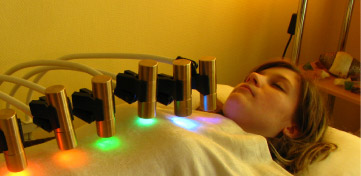
The unique aspect of the light therapy available at The Raj is that it uses “beamers” or light projectors that contain high quality gemstones, such as diamonds, emeralds, rubies, and blue and yellow sapphires. When a suitable light shines through the gemstones, the molecular characteristics and healing properties of the stones get imprinted in the specific frequencies of transmitted light, which are then transferred to the body—enlivening the body’s innate intelligence and healing mechanisms.

The specified areas of the body bathed in the soft coherent light of the gemstones during Maharishi Light Therapy with Gems are those associated with underlying nerve centers— the body’s epicenters of intelligence.

Keith Wegman, an MLG practitioner at The Raj explains, “The light frequencies act as a carrier for the orderly structure of the gems. They resonate with the subtle frequencies of our physiology and trigger profound self-healing and self-repair.”

The equipment used in MLG treatments was developed over a period of 30 years by Dr. Yoachim Roller, a German gemologist, under the direct guidance of Maharishi Mahesh Yogi, who founded the Transcendental Meditation® technique and Maharishi Ayurveda.

The treatments are offered on two levels: with “Regular beamers” and with “Big beamers”. The Big beamers, a later development and refinement of the technique, contain 12 gems within each beamer, with a total of 145 gems used in the treatment. The Raj is one of only two facilities in the world that offers the Big beamers as well as the Regular beamers.

“The Big Beamers have a unique ability to transform any rigidity or obstruction to the flow of energy in the physiology,” Mr. Wegman said. “The transformation is more significant than with the regular beamers because the body is being submerged in profound coherence. All the frequencies in the body adjust to that. The more powerful orderliness of the large beamers takes over any disorder, restoring balance in previously weak or compromised areas of functioning.”

Mr. Wegman adds, “Gems are crystalline structures that are as old as our planet. Their inherent intelligence and orderliness resonates with the inherent intelligence and orderliness in the physiology, and that produces the profound results for mind and body that thousands of people have already experienced.”

In combination with other natural and holistic approaches of Maharishi Ayur-Veda, the Maharishi Light Therapy with Gems can prevent imbalances in the physiology and help develop the full potential of the mind/body system.

For the current monthly special on Maharishi Light Therapy with Gems, please contact The Raj Maharishi Ayurvedic Health Spa in Fairfield, Iowa

HEALTH BEGINS HERE  www.theraj.com

Oil Up! Enjoying the Benefits of Ayurveda Oil Massage

One of our top recommendations to guests at The Raj as they head home is to continue with daily oil massage (abhyanga). The effects of daily Ayurveda oil massage (recommended before bathing in the morning) are multifold. Not only will a morning oil massage help pull toxins from the skin (the largest organ in the body and an important organ for the elimination of toxins), it also leaves a protective film that acts as a barrier between your skin and harmful environmental elements.

man-self-massaging-s

While oil massage helps balance all doshas — especially when you use oil infused with herbs that specifically target Vata, Pitta or Kapha — it is especially good for balancing Vata. I know many people who never travel without a small container of sesame oil. After a long plane or car ride, there is nothing more grounding than an oil massage followed by a good soak in a hot bath. (Add in some Vata tea and aroma oil and you are well on your way to side-stepping the jangling effects of travel.)

But the beneficial effects of oil massage don’t stop there. Research also suggests that sesame oil (the oil most often used in abhyanaga) selectively stops malignant skin cancer cells from growing in laboratory tissue culture, and at the same time allows normal skin cells to proliferate.

According to the study, sesame and safflower oils selectively inhibited the grown of malignant melanoma cell cultures, but coconut, olive and mineral oils did not. The traditional Ayurveda texts specifically recommend sesame oil massage to promote health and longevity.

(One note of caution: sesame oil has a naturally heating property. Those with a Pitta body type or with Pitta imbalances may need to opt for another oil and may react to sesame oil with rashes or redness. If you are in this catagory, you will want to opt for a more cooling oil.)

Researchers have known for years that linoleic acid, an essential polyunsaturated fatty acid that is present in small quantities in the body, inhibits many kinds of cancer growth. But because pure linoleic acid is highly unstable and can irritate a person’s skin and eyes, it cannot be used or ingested safely. In the above mentioned research study, scientists used the whole vegetable oil, rather than trying to isolate the active ingredient, thus avoiding unnatural side effects.

Research also shows that oil massage is an important component in removing synthetic chemicals from our physiology. In the US there are thousands of these kind of chemicals used in various types of industry or agriculture. These toxins are present everywhere in our environment and can be found in virtually every living organism around the world. Regardless of our lifestyle, profession, eating habits, or geographic location, by the time we are 40 years old, our toxin level is substantial.

A study on clients participating in the traditional Ayurveda detoxification and purification treatments (Panchakarma) at The Raj showed that blood levels of these chemicals were reduced by 50% after a 5-day course of treatment. Because these harmful chemicals are fat-soluble, they are able to be “washed” from our fat cells by the deeply penetrating sesame oil (as well as by other components of the treatment program.)

Integrating a 10-minute sesame oil massage into your morning routine can have a significant impact on reducing Vata imbalances, purifying the skin and maintaining balance throughout the body.

To learn more about the research on removing fat-soluble toxins through the detoxification treatments of Ayurveda (Panchakarma), visit The Raj website:

www.theraj.com/rajresults/index.php

www.theraj.com

Detox Tips for Spring

412.large

Our bodies were not meant to be toxic dumps. Yet improper digestion, high levels of stress and pollutants such as chemicals in the air we breathe, the water we drink, and the foods we eat, continuously create toxins in the body. If not flushed out on a regular basis, this toxic buildup can eventually manifest as disorders. And as we grow older, the body’s built-in mechanisms for eliminating impurities tend to be less efficient, thus stressing the need for periodic internal cleansing therapy.

THREE KINDS OF TOXINS

Ayurveda describes three kinds of toxins. The most common is “ama”, which is the sticky waste-product of poor digestion. Ama builds up in the digestive tract when your digestion is either weak or overloaded with the wrong foods.

If ama is allowed to build up over time, eventually it can leave the digestive tract and start circulating through the body. Once it settles in a specific area, the ama begins to mix with the subdoshas and or the dhatus (body tissues). When it mixes with these parts of the physiology, it becomes “amavisha” — a more reactive and toxic type of ama. This is the kind of ama that underlies many chronic disorders and diseases.

Ama can also block the channels of circulation in the body, preventing the unrestricted flow of nutrients to the cells and organs. Or it can clog the channels that carry waste from the cells and tissues, resulting in a toxic build-up.

The third type of toxin is the category of environmental toxins — or “garavisha”. Environmental toxins come from outside the body and include pesticides and chemical fertilizers that make their way into our foods or get carried by the wind, as well as preservative, additives and genetically engineered foods. These toxins have been associated with hormone disruption, immune system suppression, reproductive disorders, several types of cancer and other disorders such as allergies.

SPRING IS THE IDEAL TIME FOR CLEANSING

The reason many people feel the signs of ama build-up in spring more than at other time of year is because that is when toxins that have built up in the body over the winter start to display their symptoms. If you don’t follow the proper seasonal diet and routine during the first two months of winter (November and December), the toxins you accumulate that time get stuck or “frozen” in the walls of the channels because of the cold weather. By the time spring comes and the temperatures rise, the “frozen” ama starts to melt.  As it flows the channels of the body become flooded with toxins. Because of this yearly phenomena, Spring is the best time to detoxify. By necessity the body goes into a mode of eliminating toxins at this time of the year, so it is the perfect time to support the body in that role.

If you experience a heavy feeling in your body, if your joints are stiff, if your tongue is coated when you wake up in the morning, if you have an unpleasant body odor, if you feel dull and sleepy after eating, and/or if your mind is foggy, you may have a build-up of ama. Diarrhea, constipation, joint pain, sadness, dullness, lowered immunity, and frequent bouts of colds and flu are all health problems that can be caused by ama.

Amavisha and garavisha types of toxins are best handled by an Ayurvedic expert and through the classic Ayurveda purification and detoxification treatments, Panchakarma. There are, however, are a number of things you can do on an ongoing basis to prevent ama from building up in your body. –

TIPS FOR REDUCING AMA

The most important thing is to eat your main meal at noon, when the sun is strongest and the digestive fire reflects that strength. If you eat too much at night, or eat heavy foods such as meat or cheese then, the food will sit in your stomach and create ama. Eat light at night and your food will be easily digested before you go to sleep.

Don’t snack between meals unless you are actually hungry, Wait until the food is digested before eating a meal. If your digestion is already occupied with digesting and you add new food on top of that, the result is ama, the sour, undigested waste product of undigested food.

Going to sleep before 10 p.m. is essential, because then during the Pitta time of night (10 p.m.-2 a.m.) your digestion has a chance to cleanse and rejuvenate itself. If you stay up, you’ll probably feel hungry about midnight and will want to eat, which will tax the digestion and create ama.

Waking up before 6 a.m. is recommended, because if you sleep late into the Kapha time of the morning (6-10 a.m.), the channels of your body will become clogged with ama and you’ll feel dull and tired.

Daily exercise that is suitable for your body type will stimulate digestion and help cleanse the body of toxins.

It’s also important to manage your stress. Everyone can benefit from spending time each day practicing the Transcendental Meditation program to remove mental, emotional and physical stress.

Spring is the ideal time to visit an Ayurvedic expert to determine if you are dealing with ama, and, if so, what type of ama it is. An Ayurvedic expert can then recommend an individualized approach to clearing your system of impurities. For more information on consultations and on the detoxifying programs of Panchakarma, visit The Raj Ayurveda Health Spa website.

www.theraj.com

Ayurveda Approach to Menopause—Long-Term Symptoms

Last week we looked at the Ayurvedic understanding and approach to short-term symptoms of menopause. To understand the Ayurvedic approach to long-term symptoms such as osteoporosis and cardiovascular disease, it is necessary to understand the development of the bodily tissues.

220px-Women_logo

According to Ayurveda, tissues are formed sequentially in seven steps, with each step relying on the previous one for proper nourishment and balance. The step responsible for fat, sugar and hormone metabolism is called “medha”. The following step is called “ashti” and is responsible for bone and metabolism.

If medha is blocked by impurities, then fat, sugar and hormonal metabolism will be blocked. Women with medha out of balance will be more prone to higher cholesterol, diabetes and cardiovascular disease. And if medha is out of balance, the next step in the development of the tissues, ashti, does not receive proper nourishment. As a result, the bones become weak, as in osteoporosis.

Thus many of the symptoms of menopause are interrelated through the functioning and formation of the tissues. The traditional rejuvenation and detoxification treatments of Ayurveda, Panchakarma treatments, are especially effective in balancing the transformation of the tissues. When the tissues are balanced at the onset of menopause, symptoms of imbalanced tissues, such as cardiovascular disease and osteoporosis, should not appear. Ideally Panchakarma should be taken before the onset of menopause to help ensure a graceful and easy transition.

 www.theraj.com

Ayurveda Approach to Menopause: Addressing Short-Term Symptoms

profile-471966_640

Menopause occurs when the ovaries stop producing large amounts of estrogen and progesterone, two hormones intimately involved with the menstrual cycle. Modern medicine tends to view this process as an ailment—an unhealthy state of deficiency. This is because certain diseases have been shown to be related to the lack of hormones in a woman’s body. For instance, osteoporosis, the loss of density in the bones, can occur more quickly. Also, blood levels of cholesterol and triglycerides often start increasing, so that women become more prone to heart disease.

From an Ayurvedic point of view, the loss of estrogen merely sheds lights on underlying imbalances, which become noticeable when the added protection of estrogen is gone. If a woman’s physiology is balanced, Ayurveda suggests that she can have a comfortable menopause.

Ayurveda looks at two levels of symptoms of menopause—short term and long term. Today we’ll look at the short-term symptoms.

Short-term effects of menopause include hot flashes, vaginal dryness and mood swings. To determine the cause of these symptoms, an Ayurvedic expert examines the balance of doshas in the body.

Menopause marks a major transition in a woman’s life as she moves from a time of life influenced by Pitta to one influenced by Vata. Thus Vata tendencies often increase at this time. Classic signs of Vata include thinner, drying skin and mucous membranes, thinning of the hair and bones, lighter sleep and an increased tendency to worry. Ayurveda suggests that these symptoms can be largely avoided by keeping Vata in balance through diet, herbs and daily routines.

Imbalanced Pitta also plays a part in menopausal symptoms. Because Pitta regulates hormonal balance, heat production and metabolism, it is this dosha that is primarily involved with hot flashes. During the years of menstruation, impurities in the body get eliminated each month with a woman’s menstrual flow. (Ayurveda recognizes the profound purification that occurs during menstruation and for this reason recommends light activity and diet during this time.) When this monthly cleansing stops, excess Pitta can begin build up.

The Ayurvedic solution is to balance Pitta through diet and herbal recommendations and to remove impurities through the classic Ayurveda purification and detoxification therapies, known as Panchakarma. Reserving one day a month for home cleansing can also be helpful during this transition time.

If you are approaching menopause or find yourself experiencing any of the symptoms mentioned above, a consultation with an Ayurveda expert can be extremely helpful in pinpointing what measures can best help restore a healthy balance. For more information visit The Raj Ayurveda Health Spa:

www.theraj.com

Pesticides Linked to Autism and Male Infertility

Every year almost a billion pounds of pesticides are sprayed in fields and orchards across the US. Even with the the growing demand for organics, 85% of cropland relies on herbicides. While this rampant use of pesticides increases the heatlh risks for our entire population, the most far reaching effects are on our children. John F. Kennedy once said, “Children are the world’s most valuable resource and its best hope for the future.” Clearly today’s farming practices are putting our future at risk.

Last month, two studies were released that looked into the effects of pesticide exposure. One found a drop of one-third in normally formed sperm in men with high levels of pesticide. The pesticides were specifically linked to the consumption of “conventional” (non-organic) fruits and vegetables. This is not the first study to suggest a link between pesticides and male infertility.

The second study linked a one-third higher rate of autism to children of mothers who had been exposed to pesticides while pregnant. In this case they looked primarily at spray drift from agricultural fields.

puzzle-210786_640

A senior researcher at MIT, Stephanie Seneff, PhD, declared at a conference last December, “At today’s rate, by 2025, one in two children will be autistic.” Dr. Seneff noted that the side effects of autism closely mimic those of glyphosate toxicity, and presented data showing a remarkably consistent correlation between the use of Roundup on crops (and the creation of Roundup-ready GMO crop seeds) with rising rates of autism.

These studies join a myriad of previous studies that link pesticides to a variety of acute and chronic health problems, including asthma attacks, respiratory irritation, headaches, nausea, diarrhea and dizziness. Because these symptoms appear similar to symptoms of other illnesses, such as “the flu,” they are often misdiagnosed. And because many pesticides are fat-soluble, they can remain in the body for years. Multiple scientific studies link pesticides to cancer, birth defects, nervous system disorders, and immune deficiency

Many researchers feel that kids today are sicker than they were a generation ago. A growing body of scientific evidence points to pesticides as a reason why. Researches point out that “Children are not ‘little adults’.” Children’s vulnerability to pesticide exposure is increased by their greater cell division rates and early stage of organ, nervous, reproductive, and immune system development. In addition, pesticide concentrations in their fatty tissues may be greater because their fat as a percentage of total body weight is lower.

What can be done to protect our children — and our children-to-be?

GO ORGANIC

The first thing anyone who is a parent or is thinking of becoming a parent should do is to start buying organic food. Most grocery stores these days have an organic section. If you cannot afford to go completely organic, at least get to know the “Dirty Dozen”. These are fruits and vegetables with the highest pesticide residues. By choosing organic versions of this food or by avoiding these foods completely, you can reduce your pesticide consumption by almost 80%.

The Dirty Dozen

Apples

Strawberries,

Grapes

Celery

Peaches,

Spinach

Sweet bell peppers

Nectarines

Cucumbers

Cherry tomatoes

Snap peas

Potatoes

DRINK PURIFIED WATER

It is a pretty well established fact that we have pesticides in our tap water. Pesticide residues leach into our water supply from farms, neighborhood homes and city parks. Filtering water is not the same as purifying it. Research your options for clean, pure water.

AVOID ADDING CHEMICALS INTO YOUR HOME AND GARDEN

There is a reason why the market for organic clothes, furniture, paints, building materials and household cleansers has exploded. Conventional cotton farming takes up 3% of the world’s farmland and uses 10% of the world’s pesticides. Most non-organic fabrics (for clothing and furniture) undergo significant processing that involves petrochemical dyes, formaldehyde to prevent shrinkage, volatile organic compounds, dioxin-producing bleach and chemical fabric softeners. Again, do your research, especially if a baby or young child is in the house.

INVEST IN YEARLY PANCHAKARMA TREATMENTS

While the traditional detoxification and purification treatments of Ayurveda may not be the advised for children, anyone planning on conceiving should consider a 6-month purification plan that includes these pesticide-removing treatments. Panchakarma is the only proven approach to removing fat-soluble chemicals from the body. Research has shown that a 5-day course of treatment can remove 50% of toxins such as DDT, PCBs and dioxins from the body.

The Raj has offered an Ayurvedic Pre-Conception program for over 20 years. The program involves very specific diet and lifestyle recommendations, herbal formulations and Panchakarma treatments. For more information, contact The Raj Ayurveda Health Spa:

www.theraj.com

Getting the Most Out of Your Vegetables

Last week I discussed the debate over eating vegetables raw or cooked. According to Ayurveda, this decision is best made with an understanding your body type, level of imbalance, and quality of digestion.

It also turns out that certain vegetables only offer their full nutritional value when they have been cooked. Whether or not you are a raw food enthusiast, it is good to know how to get the most out of your vegetables.

It is important to note that when I refer to cooking vegetables, I am usually referring to steaming for 4 or 5 minutes. Mushy, over-cooked vegetables are not going to provide many healthful nutrients. Boiling vegetables removes many important minerals and nutrients.

Cooking vegetables reduces the mass of the vegetable, concentrating more nutrients with less bulk. Bitter greens like spinach and kale are generally more edible when cooked, because cooking also eliminates the oxalic acid, which interferes with calcium absorption.

Cooking significantly improves the digestibility and bioavailability of starchy foods such as potatoes and yams, squashes. This is also true with grains, and legumes.

green-beans-315805_640

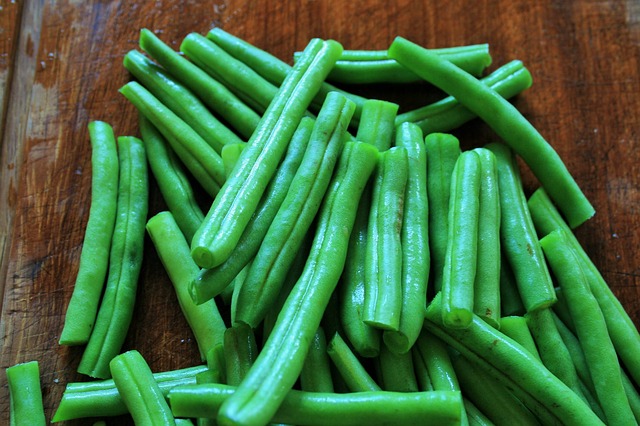
Green beans always need to be cooked until soft otherwise they are actually toxic. Raw beans are poisonous because they contain prussic acid, which is deactivated only by cooking.

Cooked carrots, spinach, asparagus, cabbage, peppers supply more antioxidants, such as carotenoids and ferulic acid, to the body than they do when raw,

Mild heating, such as steaming, appears to improve the extractability of beta-carotene from vegetables, and also its bioavailability. Beta-carotene absorption can be as low as 1-2% from raw vegetables such as carrots.

Lycopene in tomatoes is thought to be responsible for reducing the risk of some cancers and heart disease. Studies have shown that the absorption of lycopene is greater from cooked tomatoes. However cooking tomatoes can destroy other vitamins, so it is good to include raw tomatoes in one’s diet as well as cooked tomatoes.

Steaming asparagus ignites its cancer-fighting potential.

If you have any questions about which form of vegetables is best for you, check with an Ayurveda expert in your area. Ayurveda pulse assessment will reveal what kinds and forms of vegetables will be most helpful in creating a healthy balance for your mind/body system. Ayurveda recognizes the unique differences of each individual. In order to correctly determine our optimal requirements it is important to understand our level of balance and imbalance. For information on Ayurvedic consultations, visit The Raj Ayurveda Health Center

www.theraj.com

Foods for Life

Along with increasing hours of sunlight and rising temperatures, spring brings an abundance of colors and options in the produce aisles. This is the area of the grocery store where indulgence is encouraged! A 2014 study found that eating seven or more servings of fruit and vegetables can extend life expectancy “a staggering 42%”. And, not surprisingly, the report found that fresh vegetables extend life more effectively than canned. The paper, published in the Journal of Epidemiology and Community Health, concluded that the more fruits and vegetables we eat, the less likely we are to die at any age.

spring-veggies

This brings us to the on-going question of raw vs. cooked vegetables. Ayurveda’s main text, the Charak Samhita, recommends primarily cooked foods because cooking increases the element of agni that is essential for the assimilation of nutrients and their transformation into the bodily tissues. The higher proportion of nutrients available in raw food is useless if the food can’t be digested, absorbed and assimilated. In order to choose the best option for your physiology, it is helpful to understand your state of doshic balance and imbalance, the strength of your digestion, and to take into account seasonal influences.

In general, those of with Pitta, or Pitta/Kapha body types who do not have a significant Vata imbalance can handle raw foods in their diet, especially in the late spring and summer seasons. This is because the element of “fire” or “agni” is very lively in their constitutions and they benefit from a cooling diet.

The overly cold, dry, light qualities of raw foods, however, may create problems for anyone with a severe Vata imbalance. They may find an increase in symptoms of abdominal gas, bloating, constipation, worry and anxiety, and dryness. Those wishing to balance or counter Vata imbalances do better with a diet that is warm, moist and easily digestible.

Those with Kapha imbalances may find that the cold nature of raw foods leads to allergies, sinus problems or asthma.

One solution for those who prefer raw foods but lack a strong Pitta component is to enjoy raw juices. Juicing or blending with “super blenders” that basically pulverize foods allows you to break down the cellulose the surrounds the outer layer of fruit and vegetable molecules, thus allowing you to derive optimum nutritional benefits.

If you are adding raw foods to your diet, here are some tips that can help you to maintain a healthy digestive fire:

Sip small quantities of warm water with your meals

Never include ice-cold foods or drinks with your meal. Allow refrigerated foods to come to room temperature before eating.

Try eating a slice of ginger, topped with a pinch of salt and lemon juice, about 15 minutes before your meal. This will increase the element of fire or agni and will help improve digestion and the assimilation of nutrients

Add a bit of fresh lemon or lime juice to whatever you are eating

Adding organic olive oil to salads will help counter the drying property of raw foods

Next week we’ll look at which vegetables offer more nutritional value when they have been cooked and which offer more nutritional value when eaten raw.

www.theraj.com