Winter Skin Care: Ayurveda Tips for a Glowing Complexion

This week we are reposting one of our most-read posts. Happy holidays from The Raj!

If you are familiar with Ayurveda, you are familiar with the concept that everything in life — including our bodies, the food that we eat, and the environment around us — is composed of the three “doshas”; vata, pitta and kapha.  These qualities, or principles of nature, each have their own fundamental traits. Vata, the principle of movement, is the ruling dosha for the late fall and winter seasons. These months are marked by the same qualities that characterize vata: coldness, dryness, lightness, and movement.

During the winter many notice a tendency toward dryness, constipation, anxiety and insomnia — all imbalances that can take their toll on our skin.  Luckily, through the understanding of Ayurvedic principles, we can take steps to pacify vata and keep our skin balanced and glowing throughout the winter months.

Washing the Face

At any time of the year it is important to be gentle when washing the face, as it is easy to aggravate vata, which can promote dryness and wrinkles. Favor body-temperature water over hot, hot water. Avoid using soaps with chemical additives. For most skin types, sweet almond oil is a good lubricant to use after washing to help protect the skin. Sweet almond oil is also healthy way to remove make-up before washing. A luxurious option for keeping skin lubricated in the winter is to bathe the face with milk. Whole, organic milk is ideal. The tiny, nutritious molecules of milk can be easily be absorbed by our skin without clogging the pores. Heat the milk to body temperature (not too hot) before applying.6263072078_fe556c5a27_b

Ten Vata-Reducing Tips to Promote Glowing Skin

1. Drink plenty of warm, pure water throughout the day to both purify the body and stay well hydrated.

2. Ideally, enjoy organic, freshly cooked meals, using healthy oils such as olive oil and ghee. Remember, you want to counter the influence of vata, which is characterized as light, dry and cold. Healthy oils in winter are our friends.

3. Eat your main meal at noon.

4. Avoid packaged, frozen, canned and processed foods, which are difficult to digest and often include harmful additives.

5. Favor vata-pacifying foods such as avocados, pumpkins, carrots, beets, asparagus, bananas, lemons, mangoes, peaches, quinoa, basmati rice, wheat, almonds, sesame seeds, boiled milk, and ghee. Nuts and seeds provide healthy oils that are good for skin and hair. Eat more foods with sweet, sour, and salty tastes and less of those with bitter, astringent, and pungent tastes.  Don’t forget that Ayurveda recommends having some amounts of all six tastes with every meal. Otherwise the body can develop food cravings. Ayurvedic spice mixes or “churnas” can help you make sure that you get all six tastes.

6. Avoid dry, raw foods, especially salads and raw vegetables.

7. Use a humidifier at night, especially if you have forced air heating.

8. Before your morning bath, give yourself a gentle self-massage with sesame oil. Those who tend toward pitta imbalances may prefer sweet almond oil or olive oil or coconut oil. The oil helps to pull out toxins from the skin and also leaves a protective layer between your skin and the harsh winter environment. Don’t feel like you have to remove the oil with soap. Soap is essentially oil and fat combined with salt. A good scrub with a luffa or body brush after your morning oil massage is really all you need.

9. Go to bed early and try to get eight hours of sleep. As vata is the principle of movement, the most effective means of pacifying vata is to get enough sleep.

10. Learn to meditate.  The Raj Ayurveda Health Center recommends the Transcendental Meditation program (TM) to complement their in-residence Ayurvedic treatment packages. An imbalance of vata can lead to an overactive mind, worry, anxiety and insomnia. Over 350 published research studies on the TM technique have documented a wide range of benefits, including reduced stress and anxiety, improved health and brain function, and increased self-actualization.

For more information on vata-pacifying skin care products, herbal formulas to improve skin or digestion please contact the herb room at The Raj. Ideally a visit to an Ayurvedic expert in your area will help to more precisely determine which supplements, diet recommendations and life-style tips would benefit your individual mind/body make-up.

Learn more at:

www.theraj.com

Fight Obesity with….Broccoli? (Spinach and carrots and broccoli, oh my!)

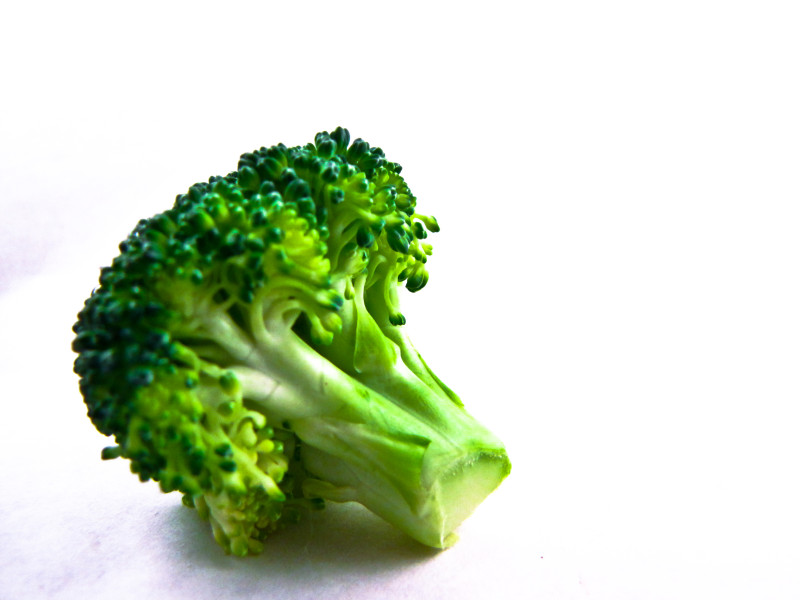
Broccoli666A new study from the universities of Texas and Southern California revealed that spinach, broccoli and carrots seem to have a super power: merely eating 2 fist-full portions of leafy greens and certain vegetables with beta-carotene (like carrots) per day helped reduce body fat, lower the risk of liver disease, type 2 diabetes and other diseases.

The study targeted childhood obesity and its related health concerns. Even though the children in the study failed to eat the entire recommended daily allowance of nutritious vegetables, as stipulated by the US Department of Agriculture, the improvements to their health were still significant. This highlighted the fact that it was not the quantity of vegetables that provided the benefits as much as the kind of vegetable that was eaten.

The study found that even adding small amounts of green leafy vegetables and carrots—about quarter of a cup per day— led to improved insulin levels and a reduction in bad fats in the body.

“Bad fat’ refers to visceral fat, body fat that is stored within the abdominal cavity and is therefore stored around a number of important internal organs such as the liver, pancreas and intestines.

Visceral fat is also referred to as “active fat” because it can negatively affect how our hormones function. Bad fat can send the wrong signals to our brain about when and how much to eat. Storing higher amounts of visceral fat is associated with increased risks of a number of health problems including type 2 diabetes. For this reason, weight loss is an important health consideration.

Researchers in the study concluded that it is the type of vegetable that matters, noting that starchier vegetables, such as corn and potatoes, did not give the same positive effects.

Health-promoting cruciferous vegetables:

Arugula, bok choy, broccoli, brussels sprouts, cabbage, cauliflower, collard greens, daikon radish, horseradish, kale, kohlrabi, mustard greens, radish, rutabaga, turnip, watercress.

Health-promoting vegetables with beta-carotene:

Carrots, dark green leafy vegetables, cos or romaine lettuce, broccoli

It is important (especially at this time of year for those in colder climates) to point out that Ayurveda recommends cooking vegetables rather than eating vegetables raw. Eating raw vegetables can aggravate vata. While many worry that cooking vegetables will eliminate many vitamins and minerals, cooking helps us digest our food without expanding huge amounts of energy. Unless you have super digestive powers, you will actually end up getting more nutrients out of your food if you steam your vegetables until they are fork friendly.

In fact, cooked carrots, spinach, asparagus, cabbage, peppers, brussels sprouts and many other vegetables actually supply more antioxidants, such as carotenoids and ferulic acid, to the body than they do when raw. Another study, published in 2002 showed that cooking carrots increases their level of beta-carotene.

www.theraj.com


( Picture of broccoli. Source: Google Advance Image Search.
Creative Commons. The image is used under the terms of Googles Creative Commons rules:http://creativecommons.org/licenses/by/2.0/deed.en. This photograph and credit do not constitute an endorsement of this blog or products mentioned.)

Healthy Foods for Life: Ayurveda and Prana

images-1Recently I read an article about a man who lived on meal substitutes for a week. Since the packaging on many shakes and bars say the products are full of vitamins and provide all the benefits of a balanced diet, he wanted to see if he could swap them for real food. The results were startling. He felt weak after the first day. By the week’s end, he was miserable and felt shaky, weak, and headachy. His “good” cholesterol had reduced by 15%. While his physician explained his symptoms in terms of lowered phosphate levels and depleted glycogen stores, Ayurveda would note that he had taken in nothing to restore prana to his body. His entire weekly diet was “dead” and inert—completely lacking in life force.

According to Ayurveda, prana is the principle of energy responsible for giving life to and maintaining the body. Prana is the vital energy present in fresh vegetables and fruits and pure air that we breathe. Because one of the reasons for eating is to take in prana, we always want to choose foods that are high in this lively energy.

Whatever we take in through our five senses gets transformed into our own physiology. In essence, we metabolize our environment. Ayurveda emphasizes that along with fresh food,  pure water and clean air are vital for giving proper nutrition to the body.

Ideally the food we eat should be organic and should be eaten the same day that it is prepared. Processed food, overly refined flours and sugars, and frozen and canned foods (which are prepared long before the time of consumption) contain less vital qualities to nourish the body. They are also harder to digest.

Incorporating more fresh vegetables and fruits in your diet will give you an immediate energy boost. It is also important to cut your vegetables fresh at every meal. Buying pre-cut vegetables or cutting up vegetables days beforehand means that you will lose some of the food’s essential vitality.

Organic foods contain more prana than foods that have been polluted with chemical pesticides and fertilizers. If your body has to work hard to purify the chemicals every time you eat, you’ll feel fatigued. Plus, despite your body’s best efforts, toxins will build up in your system. (We’ll look into that more next week, along with tips for foods that can help you detox.)

Locally grown foods are higher in prana because they don’t have to be shipped or stored and can be bought tree-ripened. Locate the local farmers market near to your home and indentify the sellers there who grow organically. Obviously many climates prohibit buying fresh, local foods all year round, but during the months when they are available, these foods will provide optimal nourishment and energy. The ideal, of course, is to create your own organic garden in your backyard.

Next week I’ll look at other aspects of our environment that we “metabolize”, and at some of the simple steps we can take to ensure that we are nourishing ourselves to the very best of our ability. Remember we ingest all of life through our five senses: touch, taste, sight, sound, and smell. Good health is dependent on our ability to fully metabolize all aspects of life, assimilating what is nourishing and expelling or eliminating that which is not. Through bad choices or through environmental factors that are beyond our control, we can easily end up metabolizing impurities can create imbalances or ama (toxins)—which can then lead to the formation of chronic disorders.

Ayurveda offers the gift of wisdom of how to live in harmony with nature. Ayurveda also offers healing modalities and regular seasonal routines to help restore balance and vitality when it has become lost. For more information on the healing treatments of Ayurveda, visit The Raj, Ayurveda Health Spa:

www.theraj.com


( Picture of lime, pepper, strawberry, and flowers. Source: Google Advance Image Search.
Creative Commons. The image is used under the terms of Googles Creative Commons rules:http://creativecommons.org/licenses/by/2.0/deed.en. This photograph and credit do not constitute an endorsement of this blog or products mentioned.)

Massage Reduces Stress in Teens

14159712431_1e8e747223_b

Most of the time when we read about massage it is in the context of working adults or parents looking for an escape from stress or relief from some kind of physical difficulty. Just the other day, however, I was reading about research on massage for teens. After receiving a 30-minute massage each day for five days, the teens in one study were in a better mood, more cooperative and sleeping better.

It got me thinking about how stressful the transition from summer vacation to school can be. It’s not just bed times and waking times that need to be adjusted. There is also the transition from relaxed summer attitudes to academic and social alertness. Adolescence can be a very stressful time of life. It’s a time of huge changes, both physical and psychological. Hormonal pressures, peer pressure and expectations can all create stress for young adults.

The benefits of massage are well documented: lowered stress hormones, relief of muscle tension, improved immune function, increased sense of relaxation and even a heightened ability to concentrate. There is also a recognized relationship between stress and the immune system. If stress hormones are chronically elevated, the hormone, cortisol, will destroy healthy immune cells that fight viruses and keep the immune system healthy. Lowering stress hormones means letting the immune system get back to doing its job.

Ayurvedic massage is traditionally performed in the morning before bathing or showering. Good massage oils are cured sesame oils, olive oil or sweet almond oil. Sesame oil is inherently heating, so those with a more Pitta constitution should opt for olive oil or sweet almond oil. A consultation with an expert in Ayurveda can help determine which oil is best for your child.

If you do choose sesame oil, look for cold-pressed, chemical-free organic sesame oil. To cure or purify the sesame oil, heat the oil to 212 degrees Fahrenheit. Remove from heat once this temperature is reached, cool and store for use as needed. Up to a quart of oil can be cured at a time. Of course, you should observe safety precautions when curing oil. All oils are highly flammable. Use low heat, and don’t leave the oil on heat unattended. You can look for professionally cured sesame oil at stores that sell Ayurvedic products if you’d rather not do the curing yourself.

If your mornings are already too rushed, try encouraging an oil massage at night.

Ayurveda spas, like The Raj Ayurveda Health Center, offer Ayurveda massages (Aybhanga) given by two technicians moving in synchrony, providing a deep experience of balance and integration. For more information on Ayurveda consultations and massage, contact The Raj Ayurveda Health Center:

www.theraj.com

( Picture of young boy with pencil. Source: Google Advance Image Search.
Creative Commons. The image is used under the terms of Googles Creative Commons rules:http://creativecommons.org/licenses/by/2.0/deed.en. This photograph and credit do not constitute an endorsement of this blog or products mentioned.)

Coffee and Your Brain: Regaining Normal Brain-Functioning with Ayurveda

arabica_catura_coffee_beanMany of my friends start their active morning routine with a stop at the local coffee shop. Most of those friends also own some kind of coffee making apparatus and even their own grinder. Coffee is now a 30 billion dollar industry in the US. It is also an industry that is self-perpetuating: caffeine is highly addictive and the withdrawal symptoms are unpleasant. The other day one friend mentioned that she had been trying to quit coffee for over a year, but just couldn’t kick the habit. Part of her problem was the terrible headache she got when she tried to stop. She asked for an Ayurvedic perspective.

First and foremost, Ayurveda always recommends gradual shifts in changing diet and behavior. This is advice is especially appropriate when dealing with an addictive substance like caffeine. While the press now regularly touts the positive aspects of caffeine, the fact is that caffeine is a drug that alters your brain’s chemical and physical make-up.

Caffeine dissolves both in water and in fat-based substances. This means it dissolves in our blood and in our cell membranes. It also means that it can penetrate the blood-brain barrier and enter the brain. The caffeine molecule closely resembles adenosine, a natural byproduct of cellular respiration—and our brain carries receptors for the adenosine molecules. Caffeine molecules fit neatly into the adenosine receptors, blocking them off and masking feelings of tiredness.

When the adenosine receptors get blocked, the brain signals the adrenal glands to secrete adrenaline, a natural stimulant.

Author Stephen R. Braun, author of “Buzzed: the Science and Lore of Caffeine and Alcohol”, calls caffeine a “stimulant enabler: a substance that lets our natural stimulants run wild”. Over time, coffee, tea, caffeinated sodas and energy drinks end up changing the way our brain is wired. The brain starts to build more adenosine receptors in response to the constant blockage of those receptors. It also starts decreasing receptors for adrenaline. Because of this, regular caffeine drinkers need to up their “dosage” over time. And the coffee (and caffeine) industry continues to grow.

It takes 7 – 12 days of no caffeine to allow the brain to return to its original configuration. During that time withdrawal symptoms can be quite intense and include fatigue, headaches and nausea.

So how to go about dropping the caffeine habit without suffering? Start by gradually increasing the amount of milk added to your coffee. Coffee aggravates both Vata and Pitta doshas (but in moderation can actually help balance Kapha). Adding milk to coffee helps modify the aggravation of Vata dosha.

Next you can start trying a combination of regular and decaffeinated coffee. Slowly increase the ratio of decaf until you have eliminated the caffeinated coffee. Or (even better) try mixing coffee with Raja’s Cup (an herbal coffee substitute). Slowly increase the amount of Raja’s Cup until you have eliminated the coffee altogether.

Raja’s Cup is preferred over decaffeinated coffee because decaffeinated coffee still contains acids that can aggravate Pitta, and because coffee in general is known to increase free radicals. Raja’s Cup, on the other hand, has been shown to be hundreds of times more effective against free radicals than Vitamin C or E.

One other note: Coffee has a bitter taste, which is one taste that American diets tend to lack. If you make sure that you include bitter foods (such as leafy greens like spinach, kale, etc.) in your diet or use spices with a bitter taste (such as turmeric, fenugreek, cinnamon and cumin), you may find that your craving for caffeine diminishes. Chocolate also has a bitter taste—and contains caffeine—so watch out that you don’t replace one with the other!

As I discussed in the blog post, “Summer to Fall Transitions: Avoiding Rashes and Hay Fever with Ayurveda”, many people find themselves dealing with both Pitta and Vata disturbances as summer turns into fall and the increase in Vata starts to “fan the fire” of Pitta. If you are drinking coffee, this is a very good time to cut down or make the change to a non-caffeinated drink. Traditionally in Ayurveda, the times of seasonal transitions are the most important times for purification treatments (Panchakarma) and Ayurvedic consultations.

For information on Ayurveda consultations and detoxification programs (Panchakarma) visit The Raj Ayurveda Health Spa website:

 www.theraj.com


( Picture of coffee beans in bags. Source: Google Advance Image Search.
Creative Commons. The image is used under the terms of Googles Creative Commons rules:http://creativecommons.org/licenses/by/2.0/deed.en. This photograph and credit do not constitute an endorsement of this blog or products mentioned.)

Fruits and Vegetables Make You More Attractive

Fruits&VeggiesThe past year was a banner year for fruits and vegetables. With research linking them to lowered cholesterol, improved sperm quality, increased fertility, protection from UV rays, and the prevention of anemia, dementia and cancer, fruits and vegetables are emerging as superfoods in the quest for health and longevity. There is even evidence that eating fruits and vegetables makes you more attractive.

I wanted to start reviewing some the latest research on fruits and vegetables one claim at a time.  And since nothing motivates like vanity, I’ll start with two studies that reached similar conclusions: the more fruits and vegetables you eat, the more attractive you are to others.

Researchers in one study followed the diets of 35 participants, took pictures of them at the end of the program, and showed the pictures to others. Those participants who ate an average of 2.9 more portions of fruits and vegetables each day developed a golden tint to the skin and were rated as healthier looking. And those who downed an extra 3.3 portions daily were rated as more attractive.

A similar study published in the Royal Society journal in England found that photographs of subjects whose skin color was altered through a diet rich in fruits and vegetables were rated as more attractive than those with suntans.

What is the science behind the results? Antioxidants in fruits and vegetables improve circulation and alter skin pigment. Lycopene, a bright red carotene that gives a red color to tomatoes, watermelon and other red fruits and vegetables, and beta-carotene, found in sweet potatoes, carrots, cantaloupe broccoli, kale and other leafy greens, seemed to have the greatest role in altering skin color.

Polyphenols, which increase blood flow and oxygen delivery to the skin surface, also played an important role. Polyphenols are found in fruits such as berries, grapes, apples, plums and lychees, and in vegetables such as artichokes, Brussels sprouts, and parsley.

In addition to altering the tone of the skin, antioxidants also enhance skin quality by fighting the damaging effects of pollution, stress and UV rays.

Dr Ian Stephen, from the School of Psychology, University of Nottingham, Malaysia Campus, led the research connecting vegetable-enhanced skin tones and increased attraciveness and concluded, “Most people think the best way to improve skin color is to get a suntan, but our research shows that eating lots of fruit and vegetables is actually more effective.”

He went on to surmise that evolution probably favored those who choose to form alliances or mate with healthier individuals over unhealthy individuals. Thus, he concluded, we are programmed to respond to a healthy glow.

Next time I’ll look at a more serious benefit of eating fruits and vegetables: their importance in preventing dementia.

To help determine which fruits and vegetables best support your body type, take a free dosha quiz at

www.theraj.com

(Photo of Shiny Red Apple by London Looks, Flickr Creative Commons. The image is used under the terms of Flickr’s Creative Commons rules:http://creativecommons.org/licenses/by/2.0/deed.en. This photograph and credit do not constitute an endorsement of this blog or products mentioned.)

Hello world!

In 1980 Maharishi Mahesh Yogi, the founder of the Transcendental Meditation program, began working with India’s top three Ayurvedic experts — Dr. V.M. Dwivedi, Dr. B.D. Triguna and Dr. Balaraj Maharishi — to restore Ayurveda in its fullness and purity under the name of Maharishi Ayurveda. A council of experts was created to formalize authentic herbal formulations and therapies according to the ancient Ayurvedic texts. It was our great fortune to become a part of the campaign to bring this valuable knowledge to the West and to make it available — and understood — by the general public. Thirty years later, this still remains our goal.

Ayurveda is often referred to as “the mother of all healing.” The knowledge of Ayurveda spread out from India and influenced the ancient Chinese system of medicine and even the medicine practiced by Hippocrates in Greece. It is as relevant and useful today as it was 5-10,000 years ago. In fact, at a time when our lives are generally out of sync with the rhythms and cycles of nature, and when scientists estimate that everyone’s body contains at least 700 contaminants, including pesticides and industrial chemicals, one could easily say that Ayurveda is more relevant today than ever.

In our articles we try to give an Ayurvedic perspective to various modern concerns and challenges — and a modern perspective to ancient Ayurvedic wisdom.

Many of our articles promote the traditional purification treatments of Ayurveda, called Panchakarma. According to Ayurveda, toxins, either created internally or taken in from our environment, are the root cause of all the imbalances that lead to chronic medical conditions. We can create toxins through poor digestion and by choosing improper foods. Stress and trauma can also create toxins. Environmental chemicals residing in our bodies come from many sources.  Our air, our water, and our food supply are all contaminated with chemicals. Toxic build-up can result in many health challenges including chronic disorders, fatigue, low energy, eating disorders, and lack of concentration and motivation.

We find that timely panchakarma treatments are helpful both in reversing chronic problems and maintaining vitality and good health  However, if panchakarma treatments are not available to you, Ayurvedic recommendations for diet and lifestyle choices can make a huge difference in helping you to maintain — or restore — good health.  Ideally an Ayurvedic expert would take your pulse and make individual recommendations according to the pulse assessment. In our articles we will introduce you to many general recommendations and try to help you understand the Ayurvedic principles behind them.

The Raj Ayurveda Health Spa and Treatment Center