Hidden Factors Blocking Your Weight-Loss Efforts?

Most people who lose weight gain it back within a few years – with many regaining even more than they lost. What they may not know is that there may be a number of factors triggering their weight-gain that are beyond their ability to control.

Mind/Body Types

According to Ayurveda, different mind/body types have different body shapes and sizes that are natural  — and healthful — for that particular physiology. The goal of Ayurveda is simply to maintain or restore one’s natural balance. As one restores balance, weight will naturally shift back to what is normal for that particular physiology.

Diet and Digestion

Crucial to maintaining balanced health is good digestion. Suppressing our appetite means suppressing our digestive “fire”. As a result, the food we eat does not get digested or metabolized property. When the body is not nourished properly it begins to send messages to the brain that it is starving. The dieter gets cravings that cannot be ignored. This can lead to binge eating, creating further imbalances and weight gain.

Toxins: Environmental Toxins and Ama

Environmental toxins

Environmental toxins are now being recognized as major contributors to obesity and removal of these toxins may be an effective treatment approach for treatment-resistant or chronic weight gain. Researchers are pursuing indications that certain chemicals, which have been shown to cause abnormal changes in animals’ sexual development, can also trigger fat-cell activity — a process scientists call adipogenesis.

The chemicals under scrutiny are used in many products, from marine paints and pesticides to food and beverage containers. A study by the Centers for Disease Control and Prevention found one chemical, bisphenol A, in 95 percent of the people tested, at levels at or above those that affected development in animals.

The suspected link between obesity and exposure to “endocrine disrupters,” as the chemicals are called because of their hormone-like effects, has been called “plausible and possible.”

Exposed mice became obese adults and remained obese even on reduced calorie and increased exercise regimes.

Ayurveda offers a time-tested approach to removing fat-soluble toxins that is comfortable, safe, and, in fact, more effective than any other form of purification approach available today. A published research study (Sept./Oct. 2002 issue of Alternative Therapies in Health and Medicine) on the Ayurvedic panchakarma (purification) treatments offered at The Raj Ayurveda Health Spa in Fairfield, IA showed that  50% of these dangerous toxins were removed with a 5-day program.  No other methods of detoxification have been shown to remove this class of fat-soluble toxins from the body.

Ama

Not all toxins come from our environment. We actually create some toxins ourselves due to poor digestion or poor food choices. Ayurveda refers to the toxins created by poor digestion as ama, a sticky residue that gradually clogs up the cells and channels of the body. This waste material can impair cellular functions and accelerate aging. It can also cause lethargy, fatigue, dullness, erratic eating habits and compulsive eating.

When ama blocks the channels of the body, Vata, the principle of movement, no longer flows property and can become trapped in the abdomen. This can stimulate an abnormal digestive “fire”. As a result, a person feels hungry and begins to eat excessively, beyond their actual need.

The specialized Panchakarma treatments can help “chisel away” impurities and toxins that have been slowly building up in the body over years. Removing these blockages and toxins allows the natural intelligence of the body to become more expressed. Cravings disappear and more natural eating habits are more easily established.

Drinking-hot-water.jpg

Five Weight Loss Tips

Ayurveda recommends five actions steps that are helpful for everyone – no matter what your body type. These tips are easy to implement and can bring about great changes in your over-all health and wellness.

  1. Eat a light evening meal favoring easy-to-digest foods (fresh vegetables, soups, grains such as barley and couscous). According to Ayurveda, digestion is weaker in the evening.  Also, going to sleep just a few hours after eating slows digestion, metabolism and circulation. This leads to poor digestion and the accumulation of toxins, fat and promotes excess weight gain.
  2. Eat the largest meal of the day at lunch favoring a wide variety of warm, cooked, organic food. Digestion is strongest at noon and we have many active hours to metabolize the food before we sleep.
  3. Drink warm or hot water frequently during the day. This helps flush the digestion tract of accumulated toxins.
  4. Avoid eating heavy foods such as red meat, leftovers, packaged foods and deep-fried food. These are hard to digest or lack energy-giving freshness. “Eat fresh food, freshly prepared” sums up the essence of Ayurvedic food guidelines.
  5. Move!  Exercise improves digestion, metabolism, elimination, body tone and strength and bone density.  It helps us normalize weight gain. Try to take time every day to get out and walk. It is good to walk 15 minutes or so after eating. Walking after the evening meal is especially encouraged.

The basis of successful weight-loss is a deep understanding of the most fundamental causes of weight gain: imbalance of the doshas, poor digestion and accumulated toxins. Ayurveda offers a time-tested approach that ensures that a comfortable, healthy weight can be both established and maintained.

For more information on Ayurvedic weight-loss programs, visit

www.theraj.com

How We Live Determines How We Age

Is more stress in your future? More than likely, yes. Stress is one of America’s leading causes of disease. Chronic stress breaks out physically as headaches, allergies, ulcers and heart disease. Ultimately, stress wears down the immune system, allowing the body to fall prey to disease. Chronic stress can also lead to mental frustration, anxiety, and ultimately, depression. There’s really no way around it: sooner or later, chronic stress will make us ill.

Science has shown us that by reducing stress not only do we remain healthier as we age, memory and mental abilities remain stronger as well. Researchers have learned that stress can actually damage the hippocampus, an area of the brain governing learning and memory. In short, stress can cause brain damage.

Unfortunately, many people deal with stress by adopting behaviors that end up increasing their stress load. Turning to “comfort food”, staying up late to watch TV or read or to catch up on work, drinking caffeinated drinks and energy drinks, relaxing with alcohol… All these “quick fixes” actually end up putting more stress on the body’s systems.

This is why preventive health centers like The Raj Ayurveda Health Spa, which incorporate stress reducing techniques and alternative therapy strategies, are becoming more and more important. While most agree that prevention is the future of health, the key question is how to take people from the stage of talking about the importance of diet, meditation, and exercise to the stage of actually doing something about it.

In-residence experiences take away the excuses. They take a person away from habits, distractions, and immediate sources of stress. Out of sight helps you to be out of the minds of your co-workers and even your family. I can’t tell you how often we’ve heard guests exclaim over the unexpected experience of being taken care of — because they are so accustomed to always taking care of others.

At the heart of The Raj programs are the traditional Ayurvedic Panchakarma treatments, designed to remove imbalances and impurities from the body and to rejuvenate the mind and body. These therapies detoxify the body, rejuvenate the internal organs, lubricate joints, release toxins, stimulate the body’s lymphatic system, and relax the muscles.

The Raj also offers guests instruction in the Transcendental Meditation technique (TM). The physiological response during TM has been found to be the exact opposite of the body’s stress response. As the mind experiences quieter, subtler levels of the thinking process, the body gains a state of profound rest, much deeper than ordinary relaxation.

o.jpg

Research has found that the practice of the TM technique results in the normalization of hormone levels, blood pressure, cholesterol, cardiovascular health and brain functioning. The body starts to maintain a more rested, calm and energetic style of functioning even outside of meditation, making us more resilient to stress.

Published research shows that just one year of regular practice of the TM technique can be the antidote to stress and its detrimental effects. Even short-term practitioners of this meditation have, on average, a biological age five years younger than their chronological age. Five years of TM practice results in a biological age 12.5 years younger than the practitioner’s chronological age.

Guests at The Raj participate in daily Yoga classes, learning a simple set of yoga exercises that can be fit into almost any schedule. Yoga has been shown to help reduce stress, lower blood pressure and lower your heart rate.

When guests return home from an in-residence experience, they should know how to eat, handle stress and how to live a life that supports health and happiness. Studies on twins have shown that only 20% to 25% of what determines how long we live is genetically determined. This means 75% to 80% must be due to our lifestyle, diet, environment, etc. At The Raj guests adopt an Ayurvedic daily routine; a routine that is in tune with the cycles of nature. Integrating these principles into one’s daily life supports healthy changes in body, mind, and consciousness. The Ayurvedic routine helps to establish balance in one’s constitution, regularizes a person’s biological clock, and aids in the digestion, absorption and assimilation of food, leading to a healthier and more resilient physiology.

Staying healthy makes more sense than trying to cure illness. It is never to early or too late to start a healthy lifestyle. If you find yourself struggling to maintain balance in your life, consider treating yourself to an in-residence experience.

For more information on in-residence programs at The Raj Ayurveda Health Spa, visit the website:

www.theraj.com

How Ayurveda Can Help Prevent Asthma, Arthritis and Heart Disease

The Ayurvedic approach to creating health has two goals: to restore balance to the level of underlying biological intelligence and to open the channels of communication and circulation. This helps bring re-establish the lively coherence between biological intelligence and the material level of the physiology.

Enhancing Mind-Body Coordination

At its deepest level, the body is a network of intelligence that is constantly being influenced by our mental state. In fact, Ayurveda holds that all health problems are ultimately due to “mistakes of the intellect.” This is because in the mind-body system that constitutes our selves, “consciousness is primary and matter is secondary”. Enhancing the body’s connection with the network of intelligence at its source is the most important step in creating ideal health.

Diet and Proper Routine of Life

Proper routine of life is also a prerequisite for health. In the majority of cases the imbalances at the basis of disease are created over time by simple life-style mistakes in diet, exercise and behavior that disrupt natural biological rhythms.

Our diet and daily routine of eating, sleeping and exercising determine whether we become stronger and healthier day by day or whether we create imbalances that continually grow toward disease. Without proper diet and routine of life, the effectiveness of any treatment program, whether it is a Western medicine approach or an natural medicine approach, will be greatly reduced. This is because the true cause of most diseases and disorders will continue to exist. The primary goal of an Ayurvedic program is to help structure day-to-day behavior so it has a balancing and strengthening effect on health. (See our blog, Staying Healthy with an Ayurvedic Routine)

Internal Cleansing

Impurities blocking the channels of circulation and communication are a major factor in the body losing contact with its own network of intelligence. Most blockages develop gradually over time due to poor digestion, which leads to the creation of impurities (referred to as “ama”), and poor elimination, which allows the impurities to be absorbed into the system.

Improving digestion and elimination and removing accumulated impurities is an important step in your Ayurveda health program. This can be achieved by simple internal cleansing therapies that can done at home can be prescribed by an Ayurveda expert, depending on your individual state of health and balance. For more profound internal cleansing, the traditional detoxification treatments, called Panchakarma, are recommended. (Read our blog on Panchakarma)

human-circulation.png

The following examples describe how an accumulation of ama can be at the basis of various diseases.

1)Arthritis: When ama starts to accumulate in the joints, this can create an inflammatory and immune response that creates the symptoms of arthritis.

2) Asthma: When ama accumulates in the lungs, impeding the circulation in that area, the body can both accumulate more allergens and also become more sensitized to those allergens.

3) Cardiovascular disease: Modern medicine describes how impurities block the cardiovascular system. When the accumulating impurities are high in free radicals, they become very reactive with the blood vessel walls and damage them.

For more information about specific disorders and how Ayurvedic programs can help restore balance, contact the Vedic Health Office at The Raj, Ayurveda Health Spa:

www.theraj.com

Why Aging and Disease Aren’t Synonymous: the Value of Panchakarma in Maintaining Health

Carerimage.jpg

It is a fact that the functioning of the body suffers as impurities and toxins accumulate in the cells and tissues. Such impurities can come from both inside and outside the body. From inside the body come internal metabolic and cellular waste products, such as free-radical-damaged cells and tissues. From outside come external impurities and toxins, such as herbicides, pesticides, and pollutants. In the history of mankind, never before have we been faced with such high levels of toxicity in our environment. A variety of man-made toxins often find their way into the deep tissues of our bodies and can wreak havoc on our immune systems. All these impurities (collectively referred to by Ayurveda as “ama”) block the free flow of our body’s inner intelligence. If left to accumulate, such impurities can lead to degenerative disorders and life-threatening disease. While the body has its own effective self-purifying mechanisms, these prove increasingly inadequate as we age, due to our ever-increasing toxic burden.

Western medicine has, for the most part, focused on putting substances (e.g. pharmaceuticals) into the body rather than taking unhealthful substances out. One of the specialties of the ancient science of Ayurveda is Panchakarma, a group of therapies that work together to purify the body of impurities, and thus avert or reduce the development of disease and aging. Panchakarma treatments are designed to first loosen impurities from bodily tissues, then eliminate them from the body altogether.

All Panchakarma treatments are individualized, depending on the doshic balance and specific imbalances of the person receiving the treatments. The treatments can result in a relief from a wide range of disorders, because the series of procedures free the bodies own self-repair mechanisms and remove blockages that are at the foundation of many symptoms and disorders.

The efficacy of these traditional treatments was shown in a two-month longitudinal study on subjects undergoing five days of Panchakarma treatments at The Raj. Researchers Robert Herron, PhD, and John Fagan, Ph.D. compared to tests taken prior to treatment showing blood levels of the highly toxic PCBs and Beta-HCH. These substances, which are known to attach to the lipid layers that surround our cells, were reduced by 46 and 48 percent respectively. Without this detoxification program, the natural expected drop in PCB and Beta-HCH over a two-month period is only a fraction of one percent. No other method has been scientifically verified to reduce fat-soluble toxins in the human body without causing negative side effects. Normally these fat-soluble substances remain in the body for many years, but Panchakarma allows us a healthy alternative for coping with a toxic world.

Once toxins are loosened from the fatty tissue, they need to be safely eliminated from the bloodstream and the body. Panchakarma treatments include specific steps that take care to properly remove the toxicants from the blood stream without so that they are not reabsorbed or able to create more damage. At the end of each day, after impurities from different parts of the body have been loosened and drawn into the intestinal tracts, a gentle internal cleansing treatment, called a basti, is given. These treatments essentially warm herbalized oil enemas that lubricate, and nourish the colon, as well as induce eliminative action. According to the original Ayurvedic texts, “by basti alone, 50% of illness can be cured.”

Panchakarma can be taken for as few as three consecutive days, and as many as 30. It can be done in-residence, or you can visit an Ayurvedic center for a few hours each day and return to your home afterwards. These treatments are most effective when done regularly each year.

Our bodies are designed to maintain a balanced state in which everything functions properly. Both fasting and these drastic detox regimens can alter this homeostasis, often in a harmful way. Liver glycogen stores can become depleted, alterations can occur in the mineral and electrolyte balance in the blood, muscle and bone tissue can begin to break down, changes can occur in the acid-alkaline balance, and immune function may be impaired. Extreme detox can also overtax adrenals, which means that the body will hold on to the calories we ingest after the fast and store it as fat. In Ayurvedic terms, an extreme fast creates high pitta/low agni. This can start a whole new cycle of imbalances.

While Panchakarma can bring big results, the process itself is gentle and even luxurious. In essence, Panchakarma is an integrated sequence of procedures that, together, dislodge impurities from the cells and then flush them from the body. The doshas are brought into balance and the natural healing mechanisms of the body are “freed” to resume full functioning.

For more information of Panchakarma, visit The Raj Ayurveda Health Spa web site:

www.theraj.com

Reducing Vata for Better Sleep, Mental Health, and Physical Well-Being

Holistic-health.jpg

By the end of January and beginning of February those of us who live in northern climates have peaked in terms of the accumulation of Vata in our physiology. Months of cold, dry, windy weather results in an increase of those same qualities in our bodies: dryness, coolness, movement and quickness. When Vata becomes imbalanced we can experience symptoms such as trouble sleeping, aching joints and muscles, arthritis, emotional instability, high blood pressure, dry skin, increased sensitivity to the cold weather, and depression.

With months of cold weather still ahead of us, this is the time to adopt a diet and daily routine that will help settle Vata. One of the most basic approaches to balancing Vata is to follow a regular routine—eating and going to sleep at the same time each day. In fact, going to bed early on a regular basis is one of the most powerful tools available for balancing Vata.

In terms of diet, the key word is “warm”. Eat foods that are warming and fresh. The same goes for any liquid that we drink (and we need to be drinking lots of liquid to offset the drying influence of winter heating.) Be sure to drink a number of cups of warm water and herbal teas throughout the day. Never have iced drinks or food.

Vata imbalances often lead to constipation. This is another reason to drink plenty of warm fluids during the day. Drinking two glasses of warm water when you wake up can help stimulate bowel functioning. Hot water with black salt can also be helpful in this area.

During the winter you may find yourself thinking more about food than you did during the summer. This is because when the cold, dry weather of winter starts to aggravate Vata dosha, our bodies naturally begin to crave heavier more unctuous Kapha-type foods to help counter this effect. In addition, cold weather tends to cause our internal digestive fire to increase, thus creating an increase in our appetite. As long as you don’t eat more than you can comfortably digest, larger portions at meals can help keep Vata in balance. While we don’t want to gain weight and accumulate ama over the winter months, it is not recommended to try to lose weight during the winter.

Eat more foods that increase Kapha: those with sweet, sour, and salty tastes. Eat fewer foods with bitter, astringent, and pungent tastes. Avocados, bananas, mangoes, peaches, lemons, pumpkins, asparagus, carrots, beets, almonds, sesame seeds, quinoa, rice, mung beans, and ghee are all excellent Vata-pacifying foods.

Oil is our friend in the winter. Using olive oil and ghee in our meals will help counter the drying effects of Vata

Along this same line of thinking, daily oil massage with sesame oil is particularly helpful in the winter. The warm, unctuous quality of the oil is the perfect antidote to the cold, dry qualities of Vata. If you are Pitta by nature, you may prefer coconut oil or olive oil, as sesame oil is naturally heating. Ideally you’ll want to heat your oil before applying it. Letting your bottle of oil float in hot water for a few minutes will bring the oil to a nice, soothing temperature. Try to keep the oil on your skin for 5 or 10 minutes before your shower or bath.

Stay warm. Cover your ears and head when you leave the house. Because ears are one of the main seats of Vata, it is best not to expose them to cold and winds. Two of the main qualities of Vata are cold and dryness. Make sure the temperature in your home and work place is comfortable. If you have central heating, consider a humidifier to counter the dryness it creates. Because Vata-types are sensitive to moving air it is best to avoid drafts or fans.

It can be easy to become a little lazy during the snowy, colder months. Try to incorporate Yoga or some kind of gentle stretching exercise into your routine, as well as other comfortable and easy exercise. Don’t strain or over-do with your winter exercise routine. Vata tends to dry up the lubricating qualities of Kapha in the body. This is why more athletes experience pulled muscles or other injuries during the winter. This is especially true for those over 50 (those in the Vata time of life). Spring is a much better season for vigorous exercise, as the influence of Kapha is at its peak and we will naturally have more strength and stamina.

If you find that diet, lifestyle and self-massage are not helping to control symptoms of Vata imbalance, it may be that your Vata imbalance has gone deep into the tissues. In this case Panchakarma, the traditional rejuvenation treatments of Ayurveda, are recommended. Panchakarma removes Vata from the tissues by using various herbal decoctions and oil preparations in combination with specialized treatments to treat the root of the Vata imbalance.

For more information on Ayurveda consultations and Panchakarma treatments, visit The Raj Ayurveda Health Spa web site:

www.theraj.com

Late Night Snacking Affects Brain Functioning: How Going to Bed on Time Supports Short and Long-Term Memory

I am always interested in research that gives a fuller understanding to the basic principles of Ayurveda. Recently I read about a study from the University of California that concluded that late-night snacks could negatively impact brain functioning. In the study, mice that were fed during their normal sleeping times experienced a decline in both short-term and long-term memory. The study suggested that digesting food at a time we are supposed to be asleep causes distress in the hippocampus, the area of the brain where memories are formed.

LateNightSnacking(1).jpg

There is already evidence that eating when we normally should be sleeping can cause an increase in blood sugar levels — which can lead to diabetes and heart problems. Now we find that irregular eating habits can impact mental cognition. The University of California study revealed that the mice that were given food when they should have been sleeping had lowered levels of a protein called CREB, which plays an important role in supporting the body’s internal clock and in the brain’s ability to form memories.

“Since many people find themselves working or playing during times when they’d normally be asleep, it is important to know that this could dull some of the functions of the brain,” observed lead researcher Dawn Loh.

This dovetails with an earlier study funded by the National Institute of Neurological Disorders and Stroke in 2013. The study showed that the space between the brain cells can increase during sleep. This allows the brain to cleanse itself of toxic molecules during sleep. Previous studies have associated the toxic molecules that accumulate in the space between brain cells with numerous neurodegenerative disorders. These toxins diminish during sleep.

The leader of the 2013 study, Milken Nedergaard, M.D., D.M., observed, “Sleep changes the cellular structure of the brain. It (the brain) appears to be in a completely different state.” (There is some indication that Shirodhara, one of the classic treatments used in the Panchakarma or detoxification therapies of Ayurveda, also put the brain into this state of detoxification.)

If we are up and active or eating during our most important sleep hours, the natural cycle of purification and detoxification in the brain can not take place.

According to Ayurveda, the ideal hours of sleep are from 10:00 p.m. to 2:00 a.m. This is the time when Pitta dosha (the principle of transformation) is supporting the body’s self-repair mechanisms. The strongest Pitta cycle of the day is from 10:00 am to 2:00 pm. During this time the Pitta quality of transformation is best directed towards digestion. For this reason, Ayurveda says the biggest meal of the day should be eaten at noon. The transformational qualities of Pitta at night are directed to a more subtle kind of work. This is when the body switches into its powerful healing and self-repair mode.

Last week we talked about how the biological clocks located in our joints (that allow for regeneration of the joints) need a regular routine of eating, exercising and sleep to be most effective. Now we see more evidence that the ideal daily routine upheld by Ayurveda does indeed lead to better health and increased well-being. We are a part of nature and living in tune with the underlying cycles of nature supports our entire mind/body system. As modern science continues to validate the age-old principles of Ayurveda, we can see how this ancient science is as relevant today as it was 4000 years ago.

When we live without regard for the natural cycles of eating, exercising and sleeping, the natural healing modalities that are build into our physiologies can not do their job and impurities can build up in the body. Removing these deep-seated impurities is the speciality of Panchakarma, the traditional purification therapies of Ayurveda.

For more information on Ayurveda and Ayurveda detoxification programs, visit The Raj website:

www.theraj.com

Joint Pain and Regular Lifestyle: New Research Upholds Ayurveda Approach to Arthritis

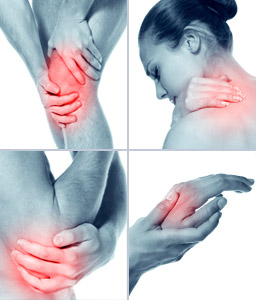
multiple-joint-pain.jpg

Ayurveda has always connected joint pain to Vata dosha. While there may be other contributing factors to the disorder, such as the accumulation of ama, an imbalance in Vata dosha is always associated with arthritis and joint pain. One of the most important Ayurvedic recommendations for balancing Vata is regularity in routine: eating at the same, exercising at the same time, and going to bed at the same time every day.

Now modern science lends strength to this seemingly simple Ayurvedic “fix”.

A new study from Manchester University concludes that regular mealtimes, exercise times and bed times could help keep arthritis at bay. Apparently there are tiny biological clocks inside our cartilage cells that control thousands of genes that are involved in keeping in keeping our cartilage healthy and strong.

The most common form of arthritis is caused by wear and tear of the cartilage that helps our joints withstand the strain of lifting, kneeling, bending, gripping, etc. When the little biological clocks in the joints are working properly, the genes are timed to be more or less active at different times of the day and night. This allows daily repair to happen in progressive and sequential steps.

As we age, our biological clocks in our joints can stop working properly and the repair process no longer gets carried out properly. The lead scientist on the Manchester University study, Dr. Quin-Jung Meng, found that the simple act of keeping a regular daily routine actually helped keep the cartilage clocks working properly, allowing them to do their job in supporting self-repair of the cartilage.

And the study concluded that not only can a regular routine delay the onset of arthritis, it could also help relieve pain in those already suffering from arthritis.

The researchers noted the importance of understanding the role that the body’s circadian rhythm (our in-built body clock) has in maintaining healthy joint tissue and how disruptions to this process could contribute to the development of osteoarthritis.

In many cases, the wear and tear in the joints is aggravated by the accumulation of ama. When ama, the toxic residue from poorly digested food, enters the blood stream, it can build up in weak areas of the body, including the joints. To remove ama once it has settled into the joints and tissues, the traditional purification and detoxification treatments, called Panchakarma, can be very helpful. These treatments help bring the aggravated doshas and accumulated ama back into the digestive tract for elimination. Once ama has been cleared, a program of prevention can be recommended. This will include life-style, diet and herbal recommendations that will help keep Vata in balance while supporting proper digestion so that ama no longer accumulated in the body.

For more information on programs for arthritis at The Raj Ayurveda Health Spa, visit the web site:

www.theraj.com

Staying Healthy with Ayurveda Daily Routine


72740a39ab4a50f71f269cb8fd3f0294.jpg

According to Ayurveda, following a proper daily routine is a prerequisite for health. Almost 90% of ill health in the United States is said to be preventable. In most cases, the imbalances at the basis of disease and disorders are created over time by simple mistakes in diet, exercise and behavior that disrupt our biological rhythms.

Our diet and daily routine of eating, sleeping, and exercising, determine whether we become stronger and healthier day by day or whether we create imbalances that continually grow toward disease. Without proper diet and routine of life the effectiveness of any treatment program we undertake will be greatly reduced because the true cause of the disorder will continue to exist. One of the goals of a successful Ayurveda program is to help structure day-to-day behavior so that it has a balancing and strengthening effect on health.

Ideal daily routine means a routine that is in accord with the laws of nature; a routine that keeps the mind/body system functioning efficiently with the least amount of wear and tear.

Here are a few examples of how ideal daily routine can promote health.

Ideal Times for Sleeping

There is a saying, “The day starts the night before”. Only by going to bed early can the next day’s activity be fully supported. By going to bed during Kapha time, (before 10:00 P.M. when the evening Pitta period begins), we take advantage of Nature’s natural cycle of healing and rejuvenation. The qualities of Kapha, (heaviness and dullness), allows us to get to sleep most quickly, and to have the deepest, least interrupted sleep.

After 10:00 Pitta begins to dominate. Pitta at this time of day should be involved in metabolic cleansing. The body needs to be inactive at this time so that it can focus its intelligence and energy on metabolic cleansing and rejuvenation. If we are up and active during this time, we may enjoy an effective spurt of energy but we cheat our bodies on much needed self-repair. Over time this can take a serious toll on our physical and mental health.

Going to bed on time allows us to easily rise at the proper time, before 6:00 A.M. The period before 6 AM is the time when all of Nature is waking up, and a time when Vata is enlivened in the environment. If we start our day in Vata time, our mind will experience more of the qualities of balance Vata throughout the day: increased energy, clarity, intelligence and alertness.

If we sleep past 6 AM, we sleep into the Kapha time of the day. When a person sleeps until 7:30 AM they have been lying dull and dormant of 1 and 1/2 hours in Kapha time and they wake imbibed with the qualities of excess Kapha: dullness, heaviness and lethargy.

Understanding and following the ideal times for eating and sleeping means harmonizing our behavior with the rhythms and cycles of the body and the cycles of nature. This is the key to living a health-promoting life. If we live a lifestyle that disrupts our natural biological rhythms, we are sabotaging our own health, breaking down the resistance of the body and contributing to the creation of disease.

Ideal Times for Eating

Breakfast

Digestion is not strong when we first awake, so breakfast should not be a heavy meal. Cooked apples and pears are a perfect way to begin the day. It is best to avoid cheeses, meats and other heavy, hard-to digest foods at breakfast.

Lunch

In the middle of the day the heat element in nature is at its peak. This activates the heat element, Pitta, in our own bodies. Pitta is responsible for digestion and metabolism.

For this reason we should eat our largest meal at noon. The ideal time for lunch is between 12:30 and 1:00, as this is the period of highest Pitta and greatest digestive power. Lunch should be a warm, cooked meal, with all six tastes. Take at least 30 minutes, eat in a relaxed setting, and then sit comfortably for 10 to 15 minutes after you finish.

Dinner

In the evening, digestion is less strong. In a few hours we should be sleeping, which further slows the digestive and metabolic processes. Therefore dinner should be a lighter meal. Heavy foods like cheese, ice cream and met are best avoided at this meal.

It is better to eat earlier in the evening that later. The later you eat, the less food you should consume and the lighter the food should be.

If we have been living a life that is out of tune with nature’s laws, it is never too late to make healthy changes. A consultation with an Ayurvedic expert can pinpoint imbalances that have built up in the physiology, and provide specific recommendations for restoring a healthy balance. The traditional purification and detoxification treatments of Ayurveda, known as Panchakarma treatments, can remove accumulated imbalances and blockages from deep within the tissues.

For more information on Ayurveda, visit The Raj Ayurveda Health Center:

www.theraj.com

Hot Water: the Simplest Ayurveda Tip for Balancing Vata and Removing Ama

Ayurveda considers removing toxins and impurities from the body and preventing their build-up in the tissues to be of prime importance. Ayurveda refers to these impurities as “ama”. Ama is considered to be a contributing factor in many diseases because it disrupts the delicate biochemistry in the tissues and blocks the channels of circulation and communication. This process often starts with poor digestion, which creates the toxins, and poor elimination, which allows the toxins to be absorbed into the circulatory system and transported throughout the body.

Removing ama is the primary target of Panchakarma, the traditional Ayurveda purification and detoxification therapies. Many of the recommendations that you receive during an Ayurveda consultation are aimed at preventing the accumulation of ama and removing ama that has build up in the body. Of the recommendations that can be done at home, drinking hot water frequently during the day is a simple and effective “anti-ama” approach.

Drinking-hot-water.jpg

Hot water flowing through the digestive tract helps to dissolve impurities and cleanse the entire digestive and eliminative systems. The result is an improvement in digestion and assimilation of food, improved elimination, and prevention of the formation of ama.

Also, the hot water is absorbed into the circulatory system and travels throughout the body. The extra warmth and fluid aids in opening circulation, dissolving accumulated impurities and washing them out of the body.

Many people report that after just a few weeks of this program, digestion and elimination improve and they feel lighter and fresher.

The Vata season (the cold, windy days of fall and early winter) is a perfect time to start a regime of sipping hot water throughout the day. The extra warmth and fluid will help counter the cold, drying effects of Vata.

Intake

The usual recommendation is to sip hot water frequently throughout the day — up to every half hour if possible. Water should be boiled first and then cooled just to the temperature where it can be sipped comfortably. Even taking a few small sips fulfills the recommendation.

Water Type

It is recommended that you use some kind of purified water for your daily hot water intake. Filtered tap water is best, followed by bottled spring water. Distilled water is not recommended. If you use a powerful reverse osmosis filter, it is recommended that you occasionally use water from another source so that you continue to get some of the natural mineral content of the water.

Heating

Ideally water should be boiled for about 10 minutes. Boiling the water allows excessive mineral deposits and impurities to precipitate out, and decreases the Kapha influence of the water: increasing the water’s lightness and cleansing influences.

Boiling water each morning and placing it in a thermos is an effective, timesaving approach.

Herbal Additions

A few slices of ginger root, a pinch of turmeric or a few fennel seeds may be added to the boiling water if desired. These herbs can increase the cleansing influence of the water. Lemon may also be added it if is not upsetting to the stomach.

www.theraj.com


Pacifying Vata to Address Back Pain

Driving through my neighborhood this last week I kept seeing people preparing their houses and yards for winter. It occurred to me that this alertness to the change of seasons also needed to extend our own physiologies. As we head into the fall season it is very important to start taking measures to pacify Vata dosha. Vata controls all movement in the body and not surprisingly, it is the first dosha to move out of balance. Late fall and winter are known as Vata season because they are marked by the same qualities that characterize Vata: cold, dry, and moving. As Vata increases in the environment it increases in our bodies.

diagnosis-and-treatment-684371

Vata imbalances include insomnia, aching joints, arthritis, back pain, constipation, high blood pressure and anxiety. All body types are vulnerable to Vata imbalance at this time of the year, but those whose body types are predominantly Vata need to be especially alert to staying in balance. Today let’s look specifically at back and joint pain.

The Vata/Kapha Connection

One very common result of Vata imbalance is the sudden onset of back pain. Often it seems to come out of nowhere. You get out of bed in the morning or lean down to tie your shoe and suddenly find yourself immobilized.

Ayurveda recognizes that back pain is often the result of Vata and Kapha imbalances, aggravated by a build-up of ama. This helps explain why lower back pain often appears in the fall and winter, and why the incidences of back pain often increase with age. According to Ayurveda, when we are 60 and over we are in the Vata time of life. It makes sense that Vata imbalances — and their resulting problems — appear more frequently during Vata season and during the Vata period of life.

In the case of back pain, the build up of Vata interferes with the ability of Kapha dosha to support and lubricate the spine. This dryness further aggravates Vata, creating a vicious cycle leading to back pain, aches and stiffness in the joints, and constipation or difficulties with elimination.

Ama

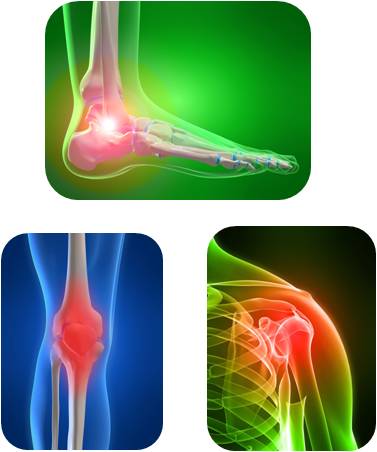
Ama —toxins and impurities that accumulate in body—is another factor to be considered with back and joint pain. When Vata and Kapha are aggravated they mix with the ama, creating either a Vata-aggravated ama or a Kapha-aggravated ama. This ama can become lodged in the joints, blocking joint movement and interfering with the production of fluid lubricating the joints. This leads to cracking joints, stiffness, pain, loss of cartilage and overproduced bone growth at the joints resulting in osteoarthritis.

Treatment

Effective preventive treatment for chronic lower back pain should include regular stretching, such as yoga exercises. The authentic, traditional Ayurveda treatments (Panchakarma) offered at The Raj specialize in removing ama and impurities that have accumulated in the joints and tissues.  They also help balance Vata, allowing Kapha to once again function normally.

Diet

If you are prone to lower back pain, avoid eating Vata-aggravating foods such as dry foods and raw vegetables. Also avoid root foods, which not only aggravate Vata but also have certain properties that can adversely affect joints. To reduce ama, avoid cheese, meat and heavy, fried, or processed foods. Eat your main meal at noon and take a lighter meal in the evening. Drink lots of warm or hot beverages, such as herbal teas (like licorice root and ginger teas) throughout the day. Avoid cold, iced drinks and food. This is the time of year to make sure you include ghee and olive oil in your foods, as the oil helps combat the dryness of the season.

Daily Oil Massage

Pacifying Vata is the key to keeping everything else in balance. A simple home oil massage each morning or evening can help soothe Vata and also help remove ama from the skin tissues.

Relax

Many people find that their back goes out when they are under stress. In a stressful situation the whole body can tighten, tense, and can easily go into muscle spasm, which can push vertebrae out of place. At The Raj, daily practice of the Transcendental Meditation technique is recommended to reduce stress, thereby reducing incidences of lower back problems.

For more information on Panchakarma treatments or Transcendental Meditation, visit The Raj Ayurveda Health Spa web site:

www.theraj.com