Coffee and Your Brain: Regaining Normal Brain-Functioning with Ayurveda

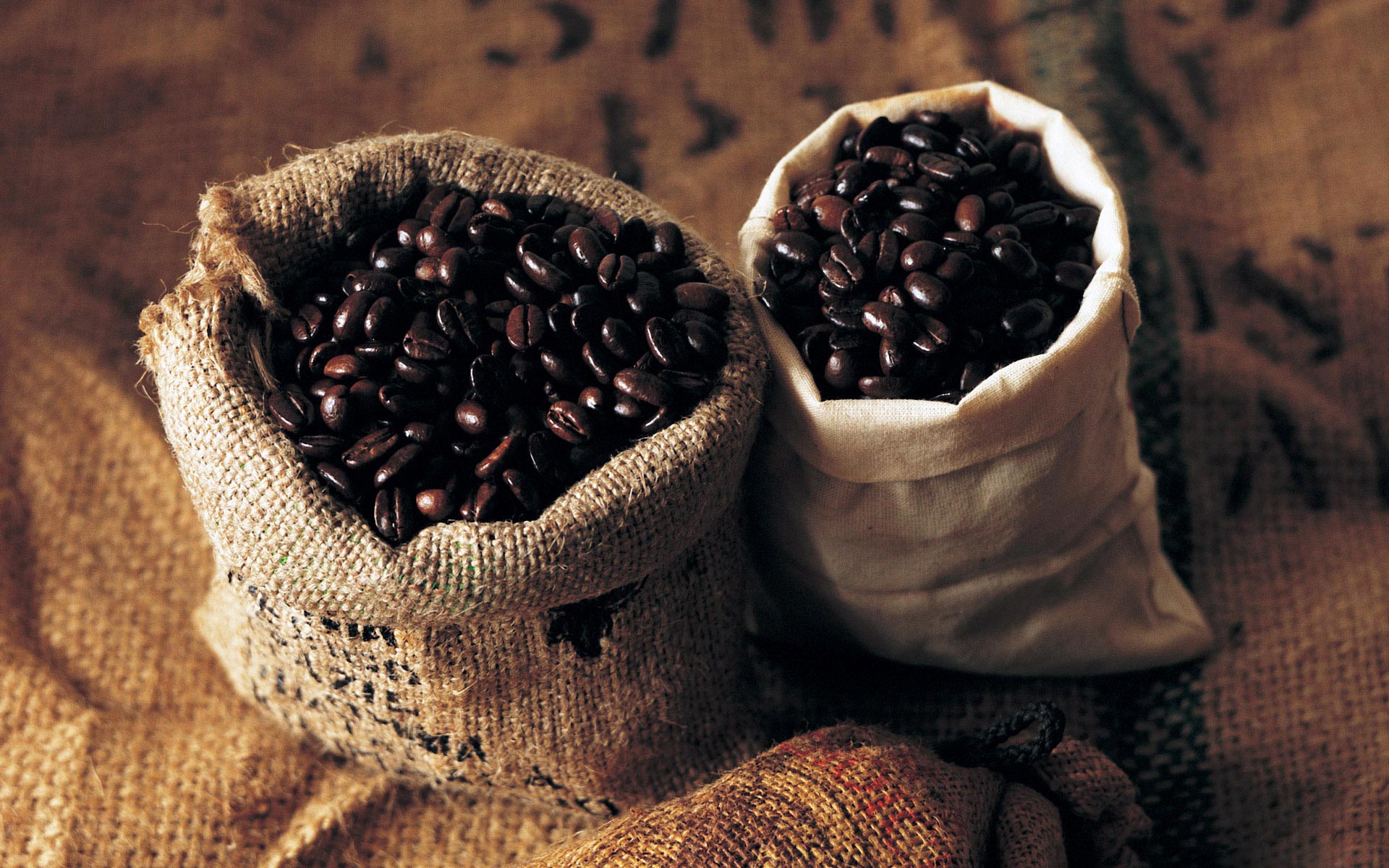
arabica_catura_coffee_beanMany of my friends start their active morning routine with a stop at the local coffee shop. Most of those friends also own some kind of coffee making apparatus and even their own grinder. Coffee is now a 30 billion dollar industry in the US. It is also an industry that is self-perpetuating: caffeine is highly addictive and the withdrawal symptoms are unpleasant. The other day one friend mentioned that she had been trying to quit coffee for over a year, but just couldn’t kick the habit. Part of her problem was the terrible headache she got when she tried to stop. She asked for an Ayurvedic perspective.

First and foremost, Ayurveda always recommends gradual shifts in changing diet and behavior. This is advice is especially appropriate when dealing with an addictive substance like caffeine. While the press now regularly touts the positive aspects of caffeine, the fact is that caffeine is a drug that alters your brain’s chemical and physical make-up.

Caffeine dissolves both in water and in fat-based substances. This means it dissolves in our blood and in our cell membranes. It also means that it can penetrate the blood-brain barrier and enter the brain. The caffeine molecule closely resembles adenosine, a natural byproduct of cellular respiration—and our brain carries receptors for the adenosine molecules. Caffeine molecules fit neatly into the adenosine receptors, blocking them off and masking feelings of tiredness.

When the adenosine receptors get blocked, the brain signals the adrenal glands to secrete adrenaline, a natural stimulant.

Author Stephen R. Braun, author of “Buzzed: the Science and Lore of Caffeine and Alcohol”, calls caffeine a “stimulant enabler: a substance that lets our natural stimulants run wild”. Over time, coffee, tea, caffeinated sodas and energy drinks end up changing the way our brain is wired. The brain starts to build more adenosine receptors in response to the constant blockage of those receptors. It also starts decreasing receptors for adrenaline. Because of this, regular caffeine drinkers need to up their “dosage” over time. And the coffee (and caffeine) industry continues to grow.

It takes 7 – 12 days of no caffeine to allow the brain to return to its original configuration. During that time withdrawal symptoms can be quite intense and include fatigue, headaches and nausea.

So how to go about dropping the caffeine habit without suffering? Start by gradually increasing the amount of milk added to your coffee. Coffee aggravates both Vata and Pitta doshas (but in moderation can actually help balance Kapha). Adding milk to coffee helps modify the aggravation of Vata dosha.

Next you can start trying a combination of regular and decaffeinated coffee. Slowly increase the ratio of decaf until you have eliminated the caffeinated coffee. Or (even better) try mixing coffee with Raja’s Cup (an herbal coffee substitute). Slowly increase the amount of Raja’s Cup until you have eliminated the coffee altogether.

Raja’s Cup is preferred over decaffeinated coffee because decaffeinated coffee still contains acids that can aggravate Pitta, and because coffee in general is known to increase free radicals. Raja’s Cup, on the other hand, has been shown to be hundreds of times more effective against free radicals than Vitamin C or E.

One other note: Coffee has a bitter taste, which is one taste that American diets tend to lack. If you make sure that you include bitter foods (such as leafy greens like spinach, kale, etc.) in your diet or use spices with a bitter taste (such as turmeric, fenugreek, cinnamon and cumin), you may find that your craving for caffeine diminishes. Chocolate also has a bitter taste—and contains caffeine—so watch out that you don’t replace one with the other!

As I discussed in the blog post, “Summer to Fall Transitions: Avoiding Rashes and Hay Fever with Ayurveda”, many people find themselves dealing with both Pitta and Vata disturbances as summer turns into fall and the increase in Vata starts to “fan the fire” of Pitta. If you are drinking coffee, this is a very good time to cut down or make the change to a non-caffeinated drink. Traditionally in Ayurveda, the times of seasonal transitions are the most important times for purification treatments (Panchakarma) and Ayurvedic consultations.

For information on Ayurveda consultations and detoxification programs (Panchakarma) visit The Raj Ayurveda Health Spa website:

 www.theraj.com


( Picture of coffee beans in bags. Source: Google Advance Image Search.
Creative Commons. The image is used under the terms of Googles Creative Commons rules:http://creativecommons.org/licenses/by/2.0/deed.en. This photograph and credit do not constitute an endorsement of this blog or products mentioned.)

Ayurveda and Hypertension

Hypertension is also known as high blood pressure. Blood pressure is the force of blood pushing up against the blood vessel walls. The higher the pressure, the harder the heart has to work. Over time hypertension can lead to serious heart conditions and other illnesses. Recently high blood pressure in middle age has been linked to cognitive decline later in life. Statistics show that hypertension affects over 70 million adults in the United States alone.

The good news is that hypertension is treatable using natural approaches. However, there is no single approach that works for everyone. The causes and symptoms of high blood pressure can vary from individual to individual. Luckily Ayurveda understands and addresses this uniqueness. If you have hypertension, a consultation with an Ayurvedic expert skilled in the ancient science of pulse assessment can help determine which particular imbalances are responsible for your specific condition.

People with Pitta and Vata predominant constitutions (and Pitta and Vata imbalances) are more prone to hypertension than Kapha types. Here are some possible causes of Vata, Pitta, and Kapha types of hypertension:

Vata – Anxiety and mental stress and strain can aggravate Vata and put pressure on the nervous system. Other contributors include not getting enough sleep, having an irregular lifestyle, and working, watching TV or working on computers late at night and constantly rushing from activity to activity

Pitta – Because one of the main seats of Pitta is in the heart, emotional stress can create imbalances in Pitta dosha. Eating spicy, salty, or sour food is another factor that can aggravate Pitta. When Pitta is out of balance, people have a lessened capacity to deal with emotional challenges in a balanced manner. The resulting anger or hostility can lead to high blood pressure.

Kapha – Sluggish digestion, sedentary habits, and a diet filled with fats, sweets and processed foods can lead to being overweight, feeling depressed, and having high blood pressure

The Ayurvedic approach to pacifying these imbalances may include dietary and lifestyle recommendations, yoga exercises, meditation, specialized Panchakarma or purification therapies and herbal supplements.

Here are a few “universal” recommendations that can apply to anyone with high blood pressure:

Regular routine and meals

Follow a regular daily routine that includes getting to bed before 10:00 in the evening. Have your main meal at midday and try to make it both relaxed and substantial. If the midday meal is rushed, digestion will be incomplete and the body will not be prepared for the more hectic second half of the day. This will put pressure on the nervous system and exacerbate the symptoms of high blood pressure.

Practice the Transcendental Meditation technique

A 1992 study of hypertension in African-Americans (who are three times as likely to suffer from the disorder as the rest of the population) found that the blood pressure of those who practice TM was reduced by twice as much as compared to a group who practiced a muscle relaxation technique. And blood pressure actually increased slightly in another group that simply followed the usual recommendations for reducing hypertension.

In general, the best way to lower high blood pressure is to create greater balance and harmony in the mind and body. The good news is that while you’re working to reduce blood pressure, you will also be creating balance health, both physically and mentally.

For information on consultations with an Ayurveda expert or on Panchakarma treatments, visit The Raj Ayurveda Health Spa website:

www.theraj.com


Summer to Fall Transitions: Avoiding Rashes and Hay Fever With Ayurveda

Minnesota_Fall-GoodbyeThe transition from summer to fall reflects huge changes both in climactic and doshic influences, and can have a significant effect on your health. As the fall season begins, Pitta dosha, which has been accumulating over the summer months, gives way to a rise in Vata dosha. It is not uncommon at this time to see an upsurge of Pitta disorders, particularly skin disorders, allergies, eye problems and digestive disturbances. This is because the influence of Vata, which is moving and changeable by nature, is causing underlying accumulated imbalances to rise to the surface.

Hay fever, which is particularly common during the transition of summer to fall, is basically an imbalance in the immune system (a condition called immune hyperactivity.) It is also a natural mechanism through which the body purifies itself of accumulated impurities related to digestive (Pitta) imbalances.

Remember that the external summer heat causes a decrease in our internal digestive fire. This can give rise to an accumulation of impurities if we do not adjust our diet to accommodate our diminished capacity for digestion.

The transition from summer to fall is an ideal time to go through the classical detoxification and purification treatments of Ayurveda, known as Panchakarma. These therapies strengthen the physiology and remove accumulated impurities.

This is also a good time to avoid foods that are difficult to digest, such as cheese, nonvegetarian foods, processed foods and cold drinks and ice cream.

To pacify the rising influence of Vata, go to bed on time, wake with the rising sun, give yourself a daily oil massage, eat at regular times and be regular with your mediation practice.

For more information on Panchakarma treatments at The Raj, visit:
www.theraj.com


( Picture of grass and trees. Source: Google Advance Image Search.
Creative Commons. The image is used under the terms of Googles Creative Commons rules:http://creativecommons.org/licenses/by/2.0/deed.en. This photograph and credit do not constitute an endorsement of this blog or products mentioned.)

Fasting and Ayurveda

pea soupOne of the most popular diet plans in the news today involves intermittent fasting. Interest in the approach was sparked by a BBC2 documentary called “Eat, Fast and Live Longer”. Since its initial airing in 2012, books on fasting have popped up on bestseller lists in Europe and the US. The basic idea is that a lower caloric intake leads to a longer and healthier life.

Intrigued by the concept, I started investigating Ayurveda’s view on the wisdom of such an approach. As with most aspects of Ayurveda, the answer depends on who is asking the question, because according to Ayurveda, every individual is unique.

For certain body types, fasting can increase lightness, improve appetite and revitalize digestion. During a fast, the body uses energy that is normally spent processing food to eliminate impurities and repair the system. In this way, fasting helps clear the srotas (channels or pathways of the body) and improve resistance to disease. (These same mechanics are behind the specially designed diet that one receives while going through Panchakarma, the detoxification programs of Ayurveda.)

According to Ayurveda those with Kapha constitutions often benefit from taking a “liquid day” one day a week. This helps increase energy and well being for Kapha types who tend to have heavier builds, slower digestion and weaker appetites. (It is good to note that Ayurveda does not recommend prolonged fasts, even for those with Kapha physiologies.)

Although most people feel better if the skip one evening meal a week, for those with Vata or Pitta constitutions, fasting could actually decrease well-being. Someone with a Vata body type, for example, will tend to be lighter, more easily excitable and quicker. For them fasting might aggravate insomnia, anxiety or other symptoms of Vata imbalance.

Similarly, the strong appetites of Pitta types may cause irritability or other symptoms of Pitta imbalance during a fast. Because even people with Kapha constitutions could have Pitta or Vata imbalances, it is recommended that you consult with an Ayurvedic expert before deciding to follow an intermittent fasting diet.

Can you reduce caloric intake without fasting? Ayurveda has, in fact, always recommended the light intake of food. Traditionally it is said that at each meal one should eat only the amount of food that can fit in your cupped hands. In order to promote ideal digestion, at the end of a meal half your stomach should be filled with solid food, a quarter with liquids and a quarter should be left empty in order to give enough room for the stomach acids and enzymes to do their job. This means leaving the table satisfied, but not full.

According to Ayurveda, over-eating leads to an accumulation of ama. Ama is the debris of partially digested matter. When allowed to accumulate in the body, this turns into a sludge of toxic metabolic waste-products which blocks circulation through the tiny channels of the body and thus becomes a breeding ground for disorders. Ama also interferes with the proper absorption of food and can lead to a constant craving for food, even after you’ve just eaten.

For many people, fasting offers an opportunity to give the digestive system a rest. This helps to revitalize and re-ignite the digestive fire, thereby improving overall health. It also gives a chance for the body’s internal “fire” to burn up existing toxins, or ama. Check with an Ayurvedic expert and find out if this approach is right for your body type. If Vata or Pitta imbalances prohibit fasting, an intermediate plan can be worked out to accomplish a lower calorie approach without aggravating imbalances and creating health problems.

For more information on consultations with an Ayurveda expert, visit the website for The Raj, Ayurveda Health Spa:
www.theraj.com


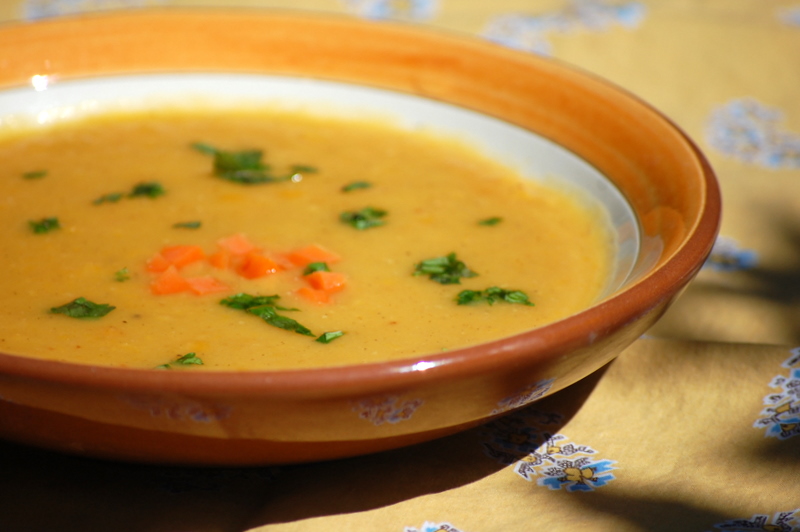
( Picture of dahl soup. Source: Google Advance Image Search.
Creative Commons. The image is used under the terms of Googles Creative Commons rules:http://creativecommons.org/licenses/by/2.0/deed.en. This photograph and credit do not constitute an endorsement of this blog or products mentioned.)

Special Summer-Time Foods

Cooling Herbs and Spices
One easy way to prepare Pitta-pacifying food is to add cooling spices and herbs to your foods and drinks. Here are a few to try in the hot months: anise, cardamom, cinnamon, coriander, cilantro, fennel, fenugreek, licorice, mint and tumeric.

Ghee: the perfect summer cooking oil
Although most oils increase Pitta dosha, ghee (clarified butter) had a unique property of stimulating digestion and cooling Pitta at the same time. It is cherished in Ayurveda as a nutritional food that is good for all body types. Ghen doesn’t burn at high temperatures, so it works great as a cooking oil. Or you can use it on toast or vegetables instead of butter.

Making ghee at home:
It is becoming increasingly more common to find ghee (even organic ghee) in grocery stores. It can also be ordered from The Raj Ayurveda Health Spa’s Herbery and Gift Shop. Or, you can make your own ghee at home. Melt one or two pounds of unsalted butter (ideally organic butter) in a stainless-steel saucepan. Raise the heat to medium and allow the butter to cook slowly until foam rises on top. Skim this off. Reduce heat and allow the butter to cook slowly until all the moisture is cooked out and the milk solids at the bottom of the pan turn light golden brown. Be careful not to let the mil solids burn. Remove the pan from the burner, let the ghee cool, and pour it in a glass jar. It will be solid at room temperature and can be stored outside the refrigerator for a few weeks without spoiling.

Sweet Lassi
Although yogurt is considered to be a sour food that increases Pitta dosha, when blended with water and sweetener it becomes a healthy, cooking drink called lassi.

Ingredients
3 parts room temperature, pure water
1 part freshly-made yogurt
Raw sugar or honey to taste
Rose water to taste
Pinch of freshly-ground cardamom
Place ingredients into a blender and mix thoroughly

To contact The Raj Ayurveda Health Spa Herbery and Gift Shop visit The Raj web site:
visit The Raj Ayurveda Health Spa:

www.theraj.com

Protecting Your Eyes During the Summer

According to Ayurveda, the eyes are one of the main seats of Pitta dosha. Pitta governs heat, metabolism and transformation. Whenever our eyes are open, they are involved in the complex process of transforming light into ideas: distilling foreground from background, recognizing objects presented in a wide range of orientations, and accurately interpreting spatial cues. In fact, researchers estimate that the human retina can transmit visual input at about the same rate as an Ethernet connection, at roughly 10 million bits per second.
Given the Pitta nature of our eyes, it follows that they become sensitive and irritated when we are exposed to excess heat. Whether you have a lot of Pitta in your constitution or not, everyone should put attention on pacifying or cooling Pitta during the summer, and take extra caution in protecting their eyes.
Tips For Protecting Your Eyes in the Summer
Wear sunglasses and a hat during the day. Bright light can actually cause an inflammatory response in the eyes which can lead to damage of the optic nerve. Sunglasses can also help protect the eyes from the dust and other environmental particles that increase in the summer months.cucumber-eyes-burns-cheap-free-beauty-tips-26-08-2013-png_160107
Cool compresses can help draw out Pitta from the eyes. There is a reason for the traditional spa image of a lady relaxing with slices of cucumbers over her eyes. Cucumbers not only have high water content, they also have an anti-inflammatory effect. Cotton balls with sprayed with rose or chamomile water can also be used as compresses to reduce heat in the eyes.
Air conditioning, dry winds and dust can cause eye dryness or irritation. If your eyes are feeling dry, see an Ayurvedic expert regarding lubrication for the eyes, and drink lots of room temperature water and fluids.
Getting a good night’s sleep will help refresh and rejuvenate the eyes.
During the Pitta season, everyone should eat a Pitta reducing diet, even if Pitta is not your main dosha. Increase your intake of vegetables and fruits. Cucumbers, cilantro, dill, fennel are all are very cooling. Rice, especially white basmati rice, and barley are ideal grains for summer. Emphasize foods that are liquid rather than dry, and cool or lukewarm rather than hot.
Stress, anger, anxiety, alcohol, spicy food, pollution will all increase your risk for eye irritation
Netra Tarpana
Netra Tarpana is a special Ayurveda treatment that strengthens and protects the eyes against the sun’s rays, relieves tired, achy eyes, and improves vision. This treatment is known to be very rejuvenating for the eyes and is an ancient remedy for many eye and sight ailments.
Freshly made dough rings filled with fragrant oils are placed around the eyes, and gently filled with herbal healing to bathe and lubricate the eyes and surrounding area. As a side benefit, Netra Tarpana also helps address sagging around the eyes and crows feet.
Ayurveda Consultations
Burning, red, or bloodshot eyes, extreme sensitivity to light, and a yellowish tinge in the whites of the eyes are all signs of excess Pitta circulating in the system. If you have any of these symptoms, it is best to consult with an Ayurvedic expert.

To schedule a consultation with an Ayurveda expert or to learn more about Ayurveda treatments, visit The Raj Ayurveda Health Spa:
www.theraj.com


( Picture of Lady with cucumber over eye. Source: Google Advance Image Search.
Creative Commons. The image is used under the terms of Googles Creative Commons rules:http://creativecommons.org/licenses/by/2.0/deed.en. This photograph and credit do not constitute an endorsement of this blog or products mentioned.)
Foods That Protect You From The Sun

For the US and other mid-latitude countries north of the equator, the sun’s rays in the summer months hit the Earth at a steeper angle than in the winter. Because the light is not as spread out (so it hits the earth more directly) the earth —and it’s inhabitants—absorb more of the sun’s energy. As we absorb the increased heat from the sun, the quality of Pitta or heat increases in our own physiology.
The sun gives off three kinds of ultraviolet waves throughout the year: UVA, UVB and UVC. Only the UVA and UVB rays actually hit the earth. While UVA rays are fairly consistent in intensity all year round, the greatest amount of UVB rays hit between 10 AM and 4 PM from April to October. As a result, we are getting a double dose of light rays during the summer. This can contribute to conditions such as premature skin aging, eye damage and skin cancers. UVB rays can also suppress the immune system, reducing our ability to fight off maladies.
Luckily, the perfect organizing power of nature provides summer fruits and vegetables that have a wonderful capacity to protect our skin from UV rays. A medium-size red bell pepper, for example, provides more than 200 percent of the daily value of vitamin C. Researchers have suggested that vitamin C can promote the repair of DNA that has been damaged by UV rays.
HEALING SUMMER FOODS
Red and Orange Vegetables and Fruits
Red fruits and vegetable are rich in lycopene. a natural pigment and carotinoid (antioxidant) responsible for the red color. It turns out that consuming more lycopene can protect your skin from sunburn. A study showed that intake of 2.5 tablespoons of tomato paste daily can reduce the UV rays damage up to 50%. Lycopene also helps rid the body of free radicals.
Beta-carotene — another type of carotenoid found in red and orange produce (like carrots) — has been linked to reduced reactions to sunburns.
Orange and pink citrus fruits contain lavanoid, which has been shown to improve the skin’s ability to protect against UV rays.
Additional healing food
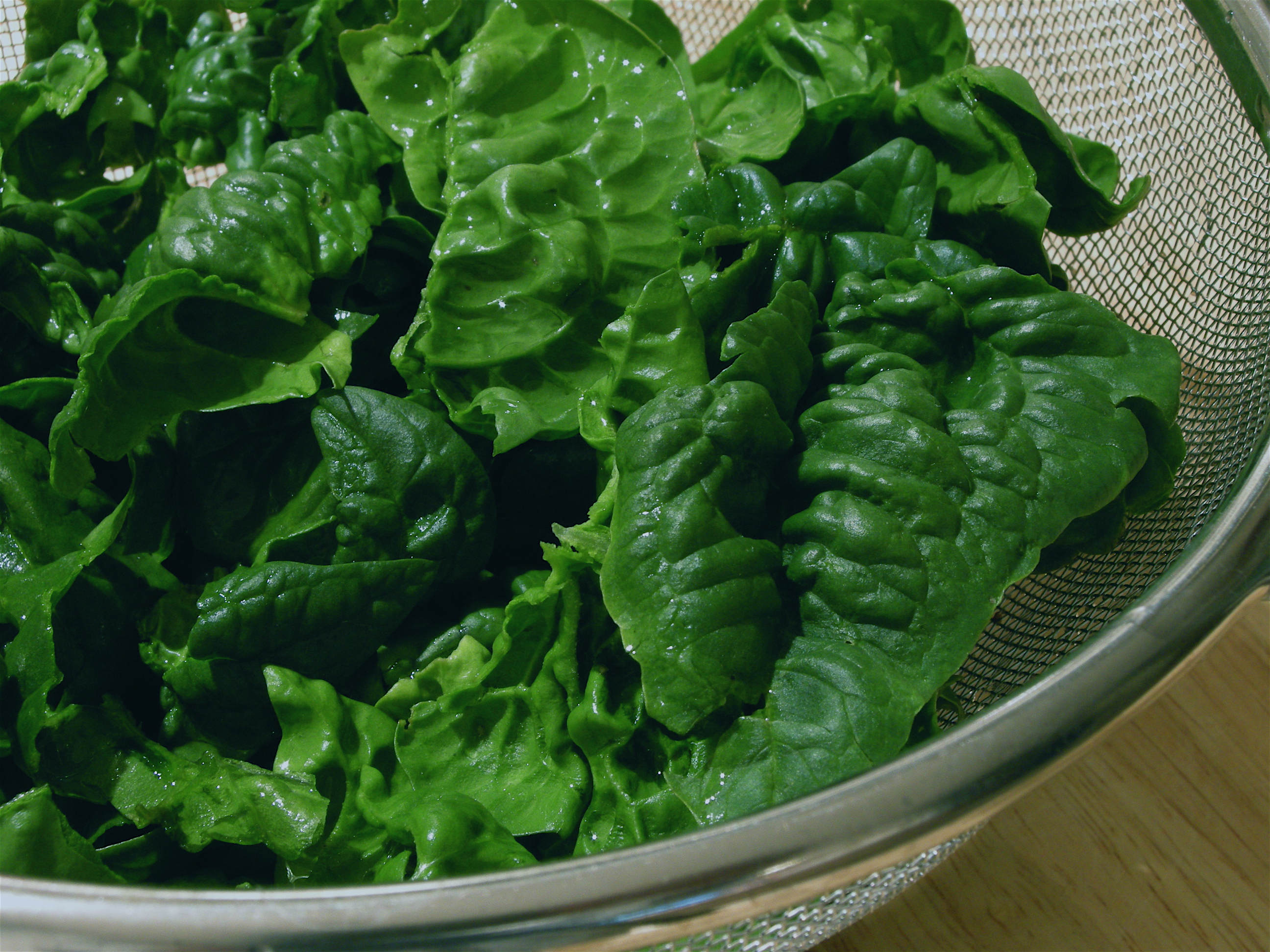
Spinach contains lutein, a carotenoid that protects your skin from UV damage.spinach
Staying out of the mid-day sun, eating meals on time, choosing Pitta-reducing foods, avoiding strenuous activity, keeping well hydrated with room temperature water and other drinks, and eating lots of fresh produce are simple steps you can take to help keep your Pitta pacified during the hot summer months.
Signs of an aggravated Pitta include excess stomach acid, heartburn, skin eruptions, insomnia and irritability. If you are experiencing any of these symptoms, a visit with an Ayurveda expert can help to identify foods or habits that are aggravating Pitta and give recommendations to avoid more serious imbalances.
For more information on consultations with Ayurveda experts, visit The Raj Ayurveda Health Spa:

http://www.theraj.com


( Picture of spinach. Source: Google Advance Image Search.
Creative Commons. The image is used under the terms of Googles Creative Commons rules:http://creativecommons.org/licenses/by/2.0/deed.en. This photograph and credit do not constitute an endorsement of this blog or products mentioned.)

Ayurvedic Summer Recipes

One of the delights of summer is the joyful abundance of fresh fruit and vegetables tumbling off the grocery shelves. According to Ayurveda, sweet fruits and bitter greens help pacify Pitta dosha.  According to the scientific community (and our own common sense) they also protect us from falling ill. A recent international research study conducted by the University of Adelaide found that people who consumed a diet high in fruit, vegetables and certain grains had a lower risk of developing not just one but multiple chronic conditions including anemia, hypertension, hypercholesterolemia, diabetes, arthritis, hepatitis, coronary heart disease, asthma, stroke, fracture and cancer. The study found that people who eat a higher amount of fruit are less likely to develop any chronic disease, while a high intake of vegetables helps prevent people with one chronic disease from developing a second.

So pile your plate high with these health-creating foods! Here are a few fun summer recipes to try out:

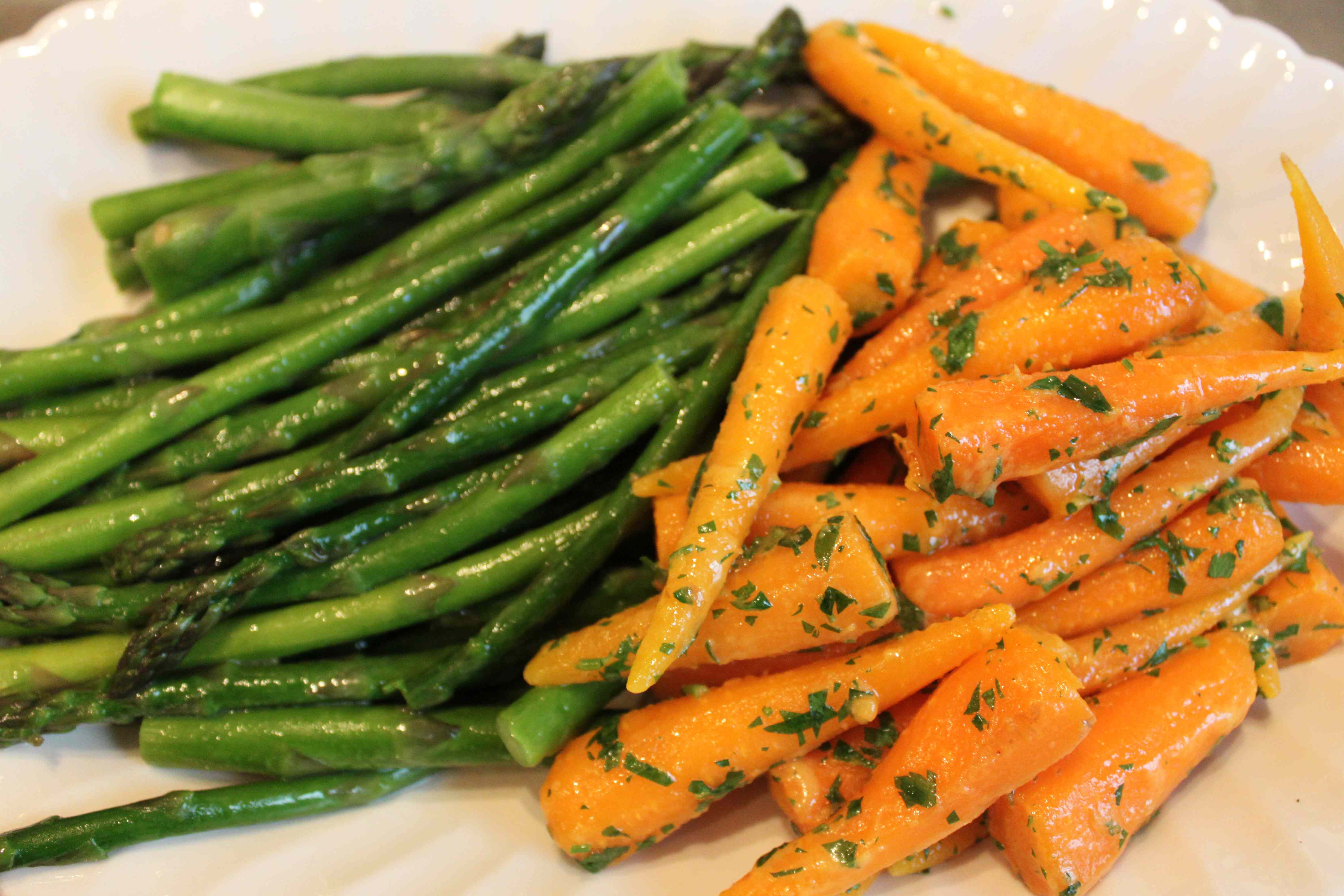
Asparagus and /or carrots with lemon-herb sauce

Steam your chosen amounts of asparagus and/or carrots to the point where they are asparagus-and-carrots“fork-friendly”. This means a bit more than al dente but not soft or mushy. Then pour the following lemon-herb sauce over the vegetables.

Lemon-Herb Sauce

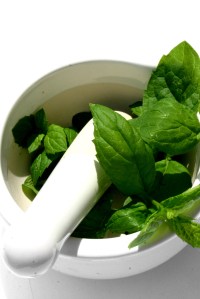
Juice one lemon. Add a pinch of salt and 1 tablespoon of honey (use only unheated honey). Mix together in a blender with a few leaves of fresh basil and mint. Puree until smooth.

Cucumber Raita

This side dish goes well with dal, rice, curries and other Indian dishes.

Combine in a mixing bowl:

1 cup fresh yogurt

1/4 cup cucumber (peel and dice finely_

1 tablespoon ginger root, peeled and grated

1/4 cup fresh chopped cilantro (the leaves of the coriander plant)

1/8 teaspoon turmeric

1/4 teaspoon fresh ground pepper

salt to taste

Cooling Mint Tea

mata-peprna-pouziti1 cup fresh peppermint leaves

1 quart boiling water

1 quart room temperature water

2 teaspoons sweetener

Pour the quart of boiling water over the mint leaves. Cover and let steep for 20 minutes. Strain the tea into a pitcher or glass jar. Add cool water sweeteners. If you are adding honey, make sure the water has cooled down first. This is a great drink for aiding digestion. Drink at room temperature for maximum assimilation. Remember that iced and chilled drinks dampen our digestive fires, making it difficult to properly digest our food.

Dandelion Salad

If your lawn is full of dandelions, stop complaining and start picking. Dandelions are one of the most nutrient-dense plants you can eat. Their leaves, when young and tender, have a slightly bitter taste like arugula. The older the pant, the more bitter the greens. Before you start picking, be sure that the yard in which the dandelions are growing has not been treated with chemicals.

1 cup dandelion greens, washed and dried

8 large leaves of butter lettuce, washed and dried

1/2 cup feta cheese or goat cheese, chopped or crumbled.

Dressing

1 tablespoon lemon juice

1/8 cup olive oil

sweetener to taste (just a bit is needed)

1 tomato chopped

fresh basil

fresh ground black pepper to taste

Boiling the dandelion greens is better for older, larger leaves as it removes their bitterness. Some even recommend boiling the older greens twice: once for 2 minutes, drain and boil again for 2 minutes.

For information on consultations with Ayurveda experts or to take a dosha quiz and discover your individual mind/body type, visit The Raj, Ayurveda Health Spa:

www.theraj.com

( Picture of the asparagus and carrots. Source: Google Advance Image Search.
Creative Commons. The image is used under the terms of Googles Creative Commons rules:http://creativecommons.org/licenses/by/2.0/deed.en. This photograph and credit do not constitute an endorsement of this blog or products mentioned.)

 

( Picture of the mint tea. Source: Google Advance Image Search.
Creative Commons. The image is used under the terms of Googles Creative Commons rules:http://creativecommons.org/licenses/by/2.0/deed.en. This photograph and credit do not constitute an endorsement of this blog or products mentioned.)


Soothing Summer Foods

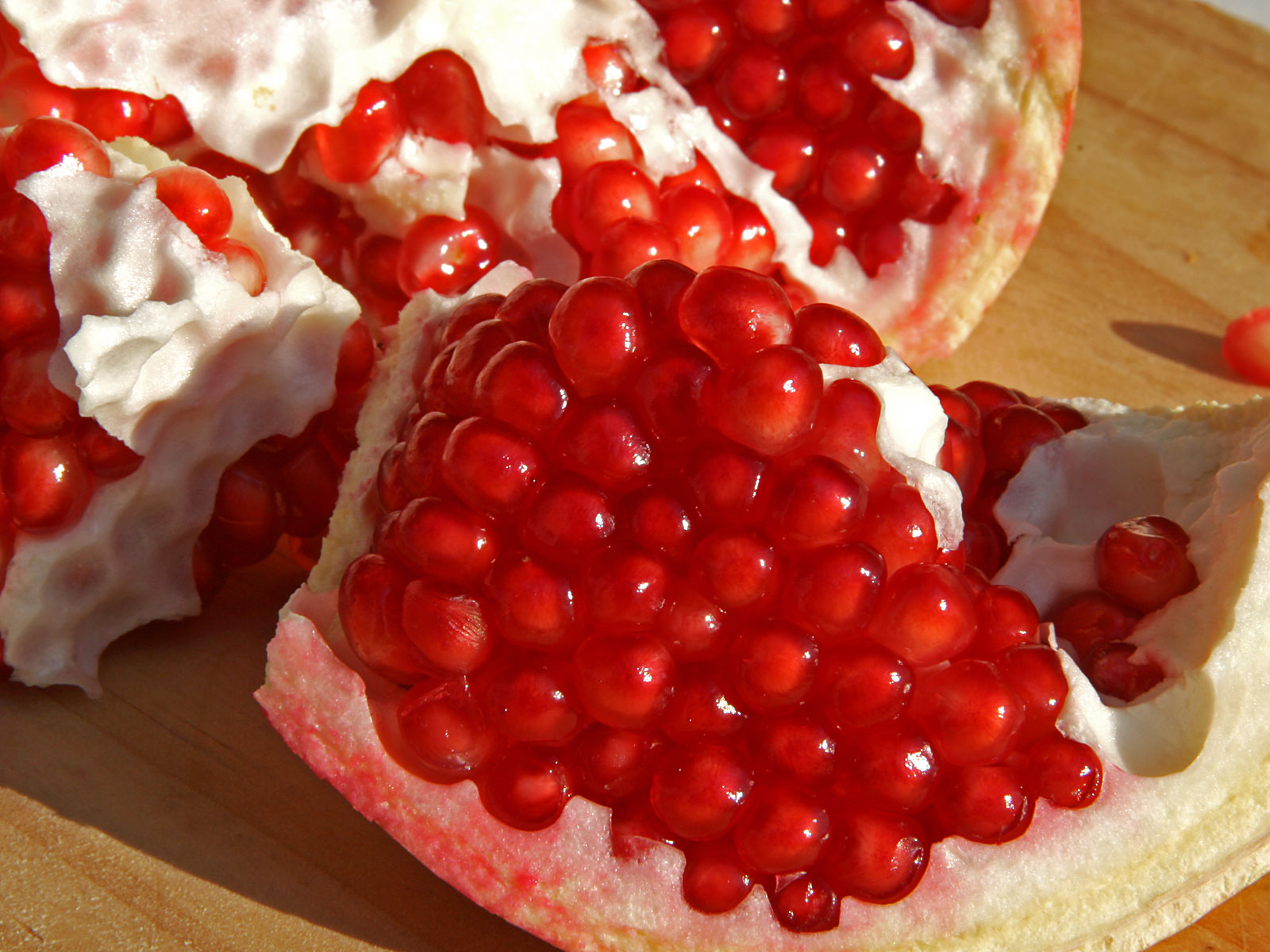
Pomegranate_close_upAccording to Ayurveda, as the temperatures rise, the qualities of Pitta dosha (sharp, hot, penetrating) increase in our physiology. One might assume that that our digestive fire (or “agni”) would also become stronger. But in fact, in an attempt to regulate body temperature, our phyiology does its best to dispense heat and lower its own internal heating mechanisms. As a result, our ability to digest food actually diminishes. This is why we often feel less hungry and want to eat less during the summer months. It is important at this time to follow the body’s impulse to eat lighter and smaller meals.

Summer Food Tips

Increase sweet, bitter, and astringent tasting foods that are light in nature.  Eat plenty of bitter salad greens. Lettuce, arugula, radicchio, basil, and endive are particularly Pitta balancing. Include cool drinks and raw foods in the diet, including cucumber, mango and coconut water. Natural fruit juices without added sugar, mint teas, and raw berries are good choices.

Reduce sour, salty, and pungent tastes

Favor:  coconut water, watermelon, cilantro, leafy greens, okra, zucchini, asparagus, olive oil, sunflower oil, coconut oil, ghee, cucumber, soaked/peeled almonds, kale, broccoli, pomegranate, apples, cranberry, mint, dill, fennel, cardamom, coriander, saffron.

Avoid: tomatoes, eggplant, chili peppers, garlic, dry ginger, black pepper, fermented foods, spicy foods, sour fruits, heavy protein, mustard oil, molasses, coffee, alcohol.

Drink up!

Be sure to drink plenty of water to offset the drying and heating nature of Pitta. Add fresh mint or lime to your water. Cooling herbal teas such as peppermint, licorice, fennel or rose, taken at room temperature, can be extremely refreshing.

Avoid iced drinks. While it is important to keep cool in the summer it is more important to keep our digestion strong. Room temperature liquids will be assimilated into your body more quickly and they will not extinguish your digestive fire.

Remember that incompletely digested foods create toxins and impurities that are eventually absorbed, travel throughout the body, localize in the tissues and disrupt their functioning. This process can play a major role in wide variety of chronic conditions, including insomnia, chronic fatigue, arthritis and heart disease.

Try this easy, Pitta-pacifying dessert:

Poached Peaches with Raspberry Coulee

Blanch peaches in boiling water. Remove skins. Blend raspberries and strawberries together with sugar or honey to taste. Spoon the berry mix over the poached peaches. Serve with a garnish of mint leaf.

(Be sure to always use unheated honey. When honey is heated beyond comfortable “sipping” temperature, it creates a sticky toxin that adheres to the body tissues and is difficult to cleanse. Adding honey to hot tea is fine, as long as the tea has cooled enough to sip comfortable. Never use honey for baking.)


 http://theraj.com/ayurveda/ayurvedic-diet.php


( Picture of the pomegranate. Source: Google Advance Image Search.
Creative Commons. The image is used under the terms of Googles Creative Commons rules:http://creativecommons.org/licenses/by/2.0/deed.en. This photograph and credit do not constitute an endorsement of this blog or products mentioned.)
Ayurveda and Milk

golden-milk-recipe-secret-of-the-ancient-indian-medicineTo drink milk or not to drink milk? Advocates on either side of the milk debate are adamant in their arguments. Funnily enough, Ayurveda agrees with both sides. According to the ancient Ayurveda text book, the Charika Samhita, the misuse of milk turns the nature of milk from sattvic to tamasic. Sattva is a state of lightness, balance and clarity, and, in terms of food, strengthening and nourishing. Tamas, on the other hand, reflects dullness and confusion. By compromising the essential qualities of milk we can turn a health-supporting food into one that can lead to ill health, congestion and allergies.

Ayurveda experts recommend cows milk, taken in the correct manner, as a satvic and nourishing food. Accordingly, milk provides special and unique nutrition that cannot be derived from any other type of food. When digested properly, milk is able to nourish all the tissues within 24 hours. It also helps to balance the doshas, especially Vata and Pitta. It is also one of the most important foods to promote ojas.

Ojas is said to be the refined substance that the body produces at the most subtle level of proper digestion. Ojas brings strength, strong immunity and contentment to the whole mind/body system.

Ayurveda experts point out that many of the problems associated with digesting milk are in fact linked to the way in which milk is consumed and how it is processed. Cold milk, ice cream and cheese are indeed very heavy and difficult to digest. Following a few simple guidelines will help address many of the problems associated with drinking milk.

If you boil milk before drinking it (even if the milk has already been pasteurized) the milk will not only be lighter and easier to digest but it will also create less congestion. Boiling milk is a must, even if you do not have difficulty digesting milk.

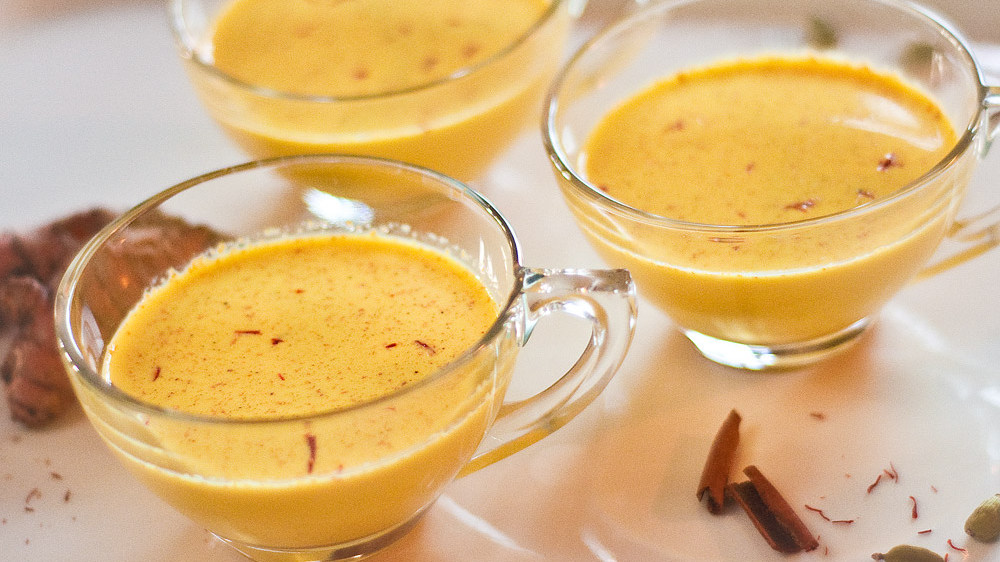
In addition, you can add heating spices (such as ginger, turmeric, clove, cinnamon and cardamom) to milk before boiling it. These spices help to enhance our digestive fires and also help reduce Kapha dosha, lessening the tendency toward congestion. An added benefit is that the milk will act as a carrier for the spices, thus allowing the physiology to gain more benefits from the health-promoting herbs.

Milk should never be mixed or eaten with sour, bitter, salty, astringent, or pungent tastes. This means the traditional American lunch consisting of a glass of cold milk with a sandwich should be avoided. Milk should either be taken separately from meals by at least one half hour or taken only with other sweet tastes (such as breakfast cereal, toast, rice, dates, mangos and almonds.) Be careful not to add sour fruits to your breakfast cereal or to drink fruit juices with your cereal. When combined with incompatible tastes, milk becomes indigestible and causes the build-up of harmful toxins in the body.

Dishes made from cooking milk with fish or meat should also be avoided (such as clam chowder).

Milk (or yogurt or cottage cheese) combined with bananas can be extremely difficult to digest and can lead to congestion and head colds.

Ideally any milk that we drink should be organic, whole and non-homogenized. Non-homogenized because homogenized milk is very difficult to digest and can easily clog the finer channels of circulation. Whole milk because the fats in whole milk build and balance the nervous system and act as carriers to deliver the calcium and fat soluble Vitamins A, D3, E and K directly into the cells.

If you are not able to purchase organic milk, however, it is better to drink skim milk, as many hormones and chemicals are fat-soluble and will be transferred into your physiology via the fat.

Even if you do not notice ill effects of drinking milk, if you have a long habit of drinking cold milk or drinking milk along with foods of other tastes, it is probable that you have a build-up of ama, or toxins, in your tissues. This can lead to joint pain, constipation, dullness, lowered immunity, frequent colds and  imbalances that can lead to chronic disorders.

An ayurvedic expert can determine which type of toxin is in the body and where it is located. This is very important, because any treatment plan will be different depending on the type of toxin and where it has settled. For more information on consultations or for information on the detox therapies of Panchakarma, visit website for The Raj Ayurveda Health Spa and Treatment Center:

www.theraj.com


( Picture of turmeric/cinnamon milk. Source: Google Advance Image Search.
Creative Commons. The image is used under the terms of Googles Creative Commons rules:http://creativecommons.org/licenses/by/2.0/deed.en. This photograph and credit do not constitute an endorsement of this blog or products mentioned.)