Avoiding Hay Fever: Making a Healthy Transition from Summer to Fall

September is an especially important time of the year for those who suffer from hay fever. You can more fully enjoy the crisp, clear days of the new season by taking simple steps at the beginning of the transition to address Pitta imbalances and impurities that have accumulated throughout the summer.

It is important to appreciate the huge changes that occur during the transition from summer to fall — changes both in climactic and doshic influences. As the fall season begins, the predominance of Pitta dosha, which has been steadily accumulating over the summer months, gives way to a rise in Vata dosha. Oddly enough, the added influence of Vata can result in an upsurge of Pitta disorders; particularly skin disorders, allergies, eye problems and digestive disturbances. This happens because Vata, which is moving and changeable by nature, mobilizes the underlying accumulated Pitta imbalances, which then rise to the surface.

Hay fever is particularly common during the transition of summer to fall. It is basically an imbalance in the immune system (a condition called immune hyperactivity.) The immune system mistakes something that is normally benign (such as pollen or dust) as something harmful and releases a variety of chemical mediators, which leads to the painful symptoms of hay fever. According to Ayurveda, it is ama (or toxins) and low immunity that triggers these reactions, as the body tries to purify itself of impurities related to digestive (Pitta) imbalances.

Remember, during the summer months our bodies reacted to the high external temperatures by lowering our internal digestive fire. If we did not adjust our eating habits to accommodate our diminished capacity for digestion, it is probable that we accumulated impurities during June, July and August.

For this reason, fall is an ideal time to think in terms of detoxifying the physiology. It is one of the best times to participate in the classical detoxification and purification treatments of Ayurveda, known as Panchakarma. These therapies are designed to strengthen the physiology, remove accumulated impurities and balance the doshas. This allows one to go forward into the fall and winter season with a balanced physiology. If you do not have time for a full Panchakarma program, check with an Ayurveda expert to see if Nasya treatments would be helpful. Nasya is a treatment used to purify the head and neck region.

Transitional Summer to Fall Tips

Maintain a Pitta-pacifying diet while it is still hot outside, but also begin to add Vata pacifying behaviors. Make sure you are drinking plenty of room temperature water, but also start sipping some hot water throughout the day.

This is an especially important time to avoid foods that are difficult to digest, such as cheese, non-vegetarian foods, processed foods and cold drinks and ice cream.

To pacify the rising influence of Vata, go to bed on time, wake with the rising sun, give yourself a daily oil massage, eat at regular times and be regular with your mediation practice.

For more information on Panchakarma treatments and consultations at The Raj Ayurveda Health Spa, visit:

www.theraj.com

Ayurveda Approach to Arthritis: Individualized Programs Improve Success

It is estimated that over 350 million people around the world suffer from arthritis. If you are feeling aches and stiffness in your body, experiencing pain and swelling in the joints or are simply have trouble moving around, you might have arthritis.

istock_rf_photo_of_arthritis_pain_in_hand

Because the medications that reduce the pain of arthritis also can have serious side effects, many people are looking into alternative, natural approaches to arthritis. Research has shown statistically significant improvements in patients with arthritis when Ayurveda doctors were allowed to create individualized, patient-specific combinations of herbs and therapies for each person. Why was this a requirement for success?

Ayurveda identifies 3 categories or types of arthritis corresponding to Vata, Pitta and Kapha doshas.

Vata Aggravated Arthritis

Those with Vata aggravated arthritis may find that their joints may pop and crack because they are dry. Joints also may feel cold to the touch. With this type of arthritis, joints are painful mostly with movement and usually there is one particular area, which is tender or sore.

Pitta Aggravated Arthritis

With Pitta aggravated arthritis joints there is usually inflammation. Joints become swollen, red and hot to the touch and can be painful even when there is no movement.

Kapha Aggravated Arthritis

With Kapha aggravated arthritis joints also appear red, but the joints feel cool instead of hot. There can also be stiffness in the joints. In this case, pain occurs when one is at rest and movement can actually decrease the sensation of pain. Waking up in the morning after a night without movement can be quite painful for many with Kapha aggravate arthritis.

Treatment for arthritis is specific to the dosha that is aggravated. But it is also important to understand that the underlying cause of arthritis is poor digestion. Because of a person’s underlying constitution, diet, life-style and daily routine, Vata, Pitta or Kapha can become aggravated. When that happens, that aggravation of doshas interferes with digestion, which in turn leads to the creation of ama, a sticky toxin. Ama accumulates in the colon from where it gets absorbed into the body and circulates, eventually accumulating in the tissues and joints.

The ama is “flavored” by whatever dosha is out of balance: thus there is Vata-aggravated ama, Pitta-aggravated ama and Kapha-aggravated ama. Ama settling into the joints is what causes the symptoms of pain, inflammation and swelling.

If you are seeking alternative approach to dealing with joint pain, the best first step is a consultation with an experienced Ayurveda expert. Using pulse assessment, an expert can see the root cause of your particular kind of arthritis and design the most effect approach for your specific symptoms and degree of imbalance and accumulation of ama.

Ayurveda Panchakarma treatments address arthritis on many levels. Panchakarma begins with a home cleansing program that starts to loosed and remove impurities and helps open the channels of elimination in preparation for the more intensive treatments. The treatments themselves are gentle, yet powerful cleansing therapies that remove the toxins and impurities from your tissues and help open the channels of circulation and elimination. An individualized treatment program will be designed to specifically address the dosha that is causing problems, as well as removing ama and blockages from the joints and tissues.

Some of treatments used in dealing with arthritis are:

Pizzichilli

In this treatment a continuous stream of warming herbalized oil is poured over the entire body. The oil soaks through the skin, penetrating deep into the body’s tissues. This softens the skin and mobilizes impurities. It also helps to balance Vata dosha and ease stiff joints.

Pinda Swedan

Boluses filled with a mixture of rice cooked with milk and Ayurvedic herbs are used to give a full-body massage. This treatment balances the physiology, and strengthens and nourishes the muscles and joints. It is often recommended for with those with joint pain from arthritis as well as those suffering from joint and muscle pain caused by accidents and injuries.

For more information on Ayurvedic treatments for arthritis, visit The Raj Ayurveda Health Spa website:

www.theraj.com

The Raj treatments for arthritis

Ayurveda Tips for a Healthy Baby — 4 Important Steps Before You Conceive

baby-girl-3

Good parenting begins before a child is even conceived. Ayurveda offers knowledge to help parents enhance the health of their offspring before conception occurs.

Food and Digestion

Sex cells are produced long before intercourse. According to the Ayurvedic texts, it takes six weeks for the entire process of digestion and then the formation of the tissues to take place. Ayurveda outlines seven steps of the digestive process through which all the tissues of the body are formed. The last, the seventh step, is responsible for the formation of the reproductive tissue. All six prior steps need to be balanced and complete in order for the final step to be balanced and complete. For parents to provide balanced, healthy genetic material, attention needs to be paid both to the quality of their digestion and to quality of the food they eat. Ayurveda recommends fresh, organic, cooked foods during this time.

Purification

More and more studies are finding that toxic chemicals are abundant in pregnant mothers – and subsequently in their newborns. Therefore it is essential to detoxify your body before you decide to get pregnant. Prevalent chemicals in pregnant women include pesticides, flame retardants, phthalates (found in many plastics and artificial fragrances), pollution from car exhaust, PFCs used in non-stick cookware, and PCBs, toxic industrial chemicals that were banned in 1979 yet still persist in the environment.

Just recently testing has found high levels of glyphosate in the breast milk of American moms. Glyphosate-containing herbicides are the top-selling herbicides in the world and are sold under trademarks such as Monsanto’s ‘Roundup’. Monsanto’s sales of Roundup jumped 73 percent to $371 million in 2013 because of its increasing use on genetically engineered crops (GE Crops).

These toxicants pose a danger to the health and well being of the child. For example, BPA (an estrogen-like ingredient in plastic) was found in 96% of pregnant women. The Food and Drug Administration has expressed concern that BPA affects both the development of the brain and behavior in children exposed to these toxins both before and after birth.

In addition, many women in their 30’s and 40’s are having a difficult time conceiving because of low amounts of progesterone in their bodies. While this can be a natural result of perimenopause, this can also be due to presence of certain estrogen-mimicking environmental chemicals such as pesticides, plastics, and herbicides. When the body absorbs these, it gets tricked into thinking that estrogen levels are too high and compensates by lowering progesterone levels. Progesterone levels are very important for conception.

Ayurveda recommends undergoing traditional detoxification treatments, called Panchakarma, eight weeks prior to conception. These Ayurvedic purification treatments are available at Ayurveda Health Spas in the US and India. A published study in Alternative Therapies in Health and Medicine, Sept/Oct. 2002 showed that a five-day program of Panchakarma resulted in a 50% reduction of blood levels of fat-soluble toxins such as PCBs, DDT and dioxins. Currently modern medicine offers no means of removing these fat-soluble environmental chemicals from the body. The half-life of these chemicals in the human body is thought to be 7 to 11 years. (A half life is the time required for a given substance to fall to half its initial value.)

Once the impurities are removed from the tissues, the body is more able to respond to the dietary and behavioral changes of the parents-to-be.

Behavior

For six weeks following Ayurvedic detoxification treatments it is recommended to follow a pure, organic, vegetarian diet, to abstain from negative influences (like alcohol and cigarettes), to go to bed early, and to practice celibacy. This allows the sperm to become strengthened during the six-week period.

The ideal sequence of steps is to purify the body and then to nourish and build up the tissues. This is the ultimate step in prevention. The best approach to creating a strong, healthy baby is by strengthening the basic material that creates the child.

The Raj, Ayurveda Health Center in Fairfield, IA offers a special 8-week program for couples wanting to conceive a child. The program includes one week of in-residence treatments and individualized diet and life-style recommendations.

For more information, visit The Raj Ayurveda Health Spa web site:

www.theraj.com

Relieve Constipation, Pacify Pitta and Boost Immunity with Triphala

amara70400

While constipation is often associated with winter and Vata aggravation, it can also become a problem in the summer months. Vacation travel can aggravate Vata and soaring temperatures reduce our internal fire, leading to sluggish digestion. Add in the temptation to eat ice cream and enjoy iced drinks and it is not surprising that despite the abundance of fresh fruits and vegetables, constipation can be a summer time hazard.

One of the best herbal remedies for keeping the digestive tract healthy and toned is the traditional Ayurvedic formula, Triphala. The name “Triphala” means “the three fruits”. It is comprised of the Indian fruits amalaki, bibhitaki, and haritaki. These three fruits work together to support the elimination process. They also help to balance all three doshas.

Amalaki is a fruit that supports intestinal repair. Amalaki has a sour flavor and is cooling, astringent and mildly laxative. It is used to treat Pitta imbalances, including ulcers, inflammation of the stomach and intestines, liver congestion and constipation. In various studies, Amalaki has been shown to have a mild anti-bacterial property, as well as pronounced expectorant, anti-viral and cardio-tonic activity. It has been shown to help lower cholesterol and is high in vitamin C, having 20 times the vitamin C content of an orange. While appropriate for all doshas Triphala is particularly effective for balancing Pitta.

Bibhitaki acts to pull the old mucus off the intestinal wall. Bibhataki is astringent, tonic, digestive and anti-spasmodic. While its primary flavor is astringent, it has secondary flavors of sweet, bitter, and pungent. It targets imbalances associate with Kapha dosha. Specifically, Bibhataki purifies and balances excess mucus. It is helpful in treating asthma, bronchiole conditional and allergies.

Haritaki strengthens the intestinal muscles so that it can contract more efficiently when the bowels need to move. Traditionally it is used for heart conditions, spastic colon and other intestinal disorders. It’s believed to have a variety of positive health effects on the heart and brain. It has an anti-inflammatory and is calming to Vata.

Most laxatives act as irritants to the bowel, and over time can actually cause the body to require the use of more laxatives. During each meal, the intestinal tract produces a certain amount of mucus that helps lubricate it. If we are not eating enough fiber or if we are eating foods that create ama or compromise our digestion, digestive mucus can up in the digestive tract, clogging the little hair-like villi that help the body absorb its nutrients. With the overuse of laxatives, the mucosa can become desensitized. This creates a very sluggish and non-responsive bowel. Triphala helps to cleanse the mucus off the digestive villi, making for a more efficient digestive process. Triphala is designed to restore the muscular function and contractibility of the intestinal wall.

In traditional Ayurveda medicine, Triphala has important uses beyond its ability to stimulate digestion, relieve constipation and cleanse the gastrointestinal tract. It is also is said to:

Reduce serum cholesterol

Improve circulation

Stimulate the immune system

Contain 31% linoleic acid

Have a marked cardio-protective effect

Reduce high blood pressure

Improve anti-inflammatory and anti-viral properties

Ayurveda also recommends Triphala in the treatment of diabetes and in the treatment of eye diseases.

Contemporary research on Triphala has shown preliminary evidence that Triphala has significant immunostimulatory effects on cellular immune response. Increases in the absolute number of these cells may provide a novel adjuvant therapy for HIV/AIDS positive people in terms of immunological improvement.

Triphala is available in power and tablet form. The powder can be quite bitter in taste, so many people prefer to take it in tablet form. The Raj Maharishi Ayurveda Health Spa sells an organic version of this traditional formula in their herb shop under the name of Digest Tone.

Visit The Raj Ayurveda Health Spa herb shop:

www.theraj.com

The Raj Herb Shop

Relief from Summer Skin Problems with Ayurveda

field-summer-sun-meadow-large

Acne and skin problems are usually the result of an imbalance of Pitta dosha, which governs metabolism, heat and digestion. Pitta dosha has five subdivisions, and one of them, Bhranjaka Pitta, resides in the skin. Its imbalance can cause rashes, boils, acne and skin disorders of all types. One of the reasons that acne is common in early adolescence is because that is the age when Pitta begins in increase in the physiology. An increase in Pitta is also the reason why skin problems can flare up in during the summer months.

In babies and young children, Kapha is the predominant dosha. Kapha is responsible for structure. It is the formative element that maintains the physical structure, providing support and substance in the body. Kapha makes up our bones, muscles and fat, lubricates joints, gives energy to the heart and lungs, and maintains immunity. During this crucial time of growth and physical development, Kapha is in high gear.

As children approach adolescence, however, the body begins to transition from Kapha-predominate to Pitta-predominant. The hormonal changes of puberty are activated by Pitta.

An increase in Pitta is also the reason why skin problems can flare up in during the summer months. In both cases, the Ayurvedic approach to acne and skin problems has to do with pacifying Pitta dosha.

1) Avoid foods that aggravate Pitta dosha, such a fried or oily foods. Avoid hot, spicy or sour foods (including cheese). Avoid red meat, which is especially Pitta aggravating.

2) Opt for foods that pacify Pitta. Sweet fruits and fresh vegetables are your best choice in the summer. In addition to being cooling, they provide essential nutrients and have free-radical fighting properties. Look for locally grown asparagus, zucchini and other summer squashes, celery, and leafy greens in the summer months. Sweet, juicy fruits such as watermelon, mangos, grapes and pears help cool, nourish and cleanse.

3) The sun can increase sebum production, causing your skin to look more oily than usual. When the oil combines with dirt and sweat, pores can get clogged, leading to skin problems. Be meticulous about your cleansing routine, morning and night. Do not apply oils to areas affected by acne, even when you do your daily Ayurvedic oil massage.

4) Avoid harsh chemicals. Make sure the water you bathe with is not highly chlorinated or chemically treated. Swimming pools, while providing a cooling sports activity during the summer, can aggravate Pitta-related skin conditions. Ideally, use a water filter on your shower.

5) Instead of washing your face with soap, mix room temperature purified water and barley flour to a thin paste to make a gentle and effective cleanser. To really pamper your skin, remove the paste using room temperature milk — followed by a final rinse with room temperature, pure water.

6) Drink more water. Water is the best beverage for those with skin problems. Fresh fruit and vegetable juices are also fine but avoid canned or bottled juices and sodas, as those contain less of the vital qualities needed to nourish your body.

7) Avoid caffeinated drinks, carbonated drinks and iced drinks. Caffeinated drinks are actually dehydrating. Ices and carbonated drinks can diminish our ability to digest food, leading to a toxic accumulation of ama. Because the skin is one of the leading organs for elimination and purification, an accumulation of ama can lead to skin problems.

8) Get plenty of rest. Because the summer daylight hours are longer, it can be tempting to stay up late. However, no matter what the season, the rest gained from 10:00 PM to 2:00 AM is considered to be the deepest and most regenerative sleep.

Your pineal gland is your internal clock. As the sun sets, the pineal gland senses the change in light transmitted through your eyes and it begins to secrete melatonin, thus preparing your body for sleep. Typically, within one to two hours after the sunset, you will begin to feel drowsy as melatonin levels rise. This is the body’s signal to go to sleep. By midnight your melatonin levels have peaked and there is a gradual decline in melatonin levels after midnight.

If you are still up and active after 10:00, the “second wind” phenomenon kicks in. This is driven by Pitta dosha. However, the true value of this night-time Pitta cycle is to repair and regenerate the body. This can only be experienced if you are asleep. Repeated staying up during the evening Pitta cycle can create Pitta imbalances, as well as interfere with the body’s ability to stay balanced and healthy.

9) One of the main seats of Pitta is the eyes. Wear sunglasses in the summer. In the evening, try splashing cool water on your eyes. Soaking a cotton ball with cool water or rose water and placing over your eyes for 10 minutes can help cool the eyes.

If your skin condition persists or worsens, you may want to consult with an Ayurveda expert in your area. For more information on consultations at The Raj Ayurveda Health Spa, visit the web site:

www.theraj.com

Cooling Summer Recipes

In the hot, sticky days of summer it is natural to think of ice cream and cold drinks. It is also natural to opt for salads and raw vegetables to avoid cooking over a hot stove. But these habits can lead to poor digestion and a build-up of ama that could make one susceptible to allergies in August and September and cause fatigue and lethargy. Remember, when the outside temperature is hot, our own internal fire diminishes, and with it, our ability to digest food.

(Raw fruit is fine to eat: Ayurveda considers ripe fruit to be “cooked” by the sun. Sweet, ripe fruits that are not high in acids are best in the summer months.)

Avoid iced drinks and food, especially with a meal. Slightly steaming your vegetables will allow you to pull more nutrients from your food. Eating raw vegetables requires a robust digestive fire.

And, of course, follow the traditional Ayurveda recommendations for balancing Pitta: favor foods that are cooling and liquid. Minimize foods that are spicy. Increase tastes that are sweet, bitter, or astringent. Minimize foods that are spicy, salty or sour.

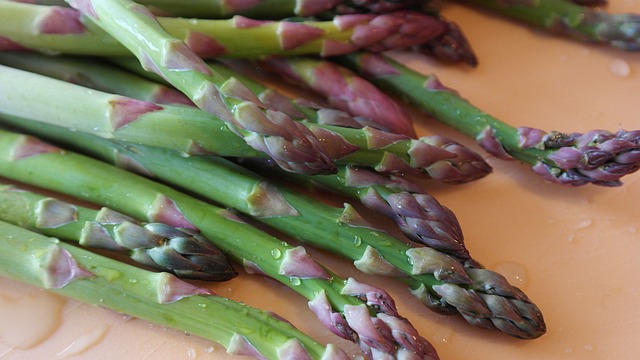
asparagus-685269_640

Asparagus and/or Carrots with Lemon-Herb Sauce

Steam your chosen amount of asparagus and/or carrots to a “fork friendly” quality. This means a little more cooked than “al dente” but not mushy. Then pour the following lemon-herb sauce over the vegetables.

Lemon-Herb Sauce

(Increase recipe for larger amounts of vegetables)

Juice one lemon

I pinch of salt

1 tablespoon honey (Use unheated honey only — remember that heating honey makes it toxic. Check the label on your honey to make sure it says “unheated”.)

Put in blender with a few leaves of fresh basil and mint. Puree until smooth.

Try this easy, Pitta-pacifying dessert:

Poached Peaches with Berry Coulee

Blanch peaches in boiling water. Remove skins. Blend raspberries and strawberries until smooth. You can add sugar or honey to the berries before you blend them, per your own taste. Spoon the mixture over the poached peaches. Garnish with mint leaf.

www.theraj.com

An Ayurveda Approach to Fibromyalgia

Fibromyalgia is a chronic condition that affects an estimated 10 million people, mostly women, in the United States alone. It is characterized by widespread musculoskeletal pain, concentration issues, fatigue, sleep problems and mood swings. The severity of the symptoms varies from person to person.

People who suffer from fibromyalgia are not actually more sensitive to stimulus than others. Research shows that those with fibromyalgia cannot detect electrical, pressure or thermal stimuli at a lower level than normal subjects.

632px-Symptoms_of_fibromyalgia.svg

What is unique for fibromyalgia sufferers is that they experience pain at a much lower level of stimulation than do most people. Modern medicine explains heightened pain sensitivity through several interesting theories. They are all based on the fact that in order to experience pain, pain must

  1. be generated in the periphery of the body
  2. travel through the spinal column and
  3. activate the brain.

Those diagnosed with fibromyalgia have evidence of neurochemical imbalances in the last two areas of this process, the spinal column and the brain.

  1. In the spinal column, two biochemical, substance P and nerve growth factor, are four times higher in people with symptoms of fibromyalgia. These chemicals heighten the transmission of stimuli to the brain.
  2. Evidence also suggests that the normal inhibitory signals from the brain down the spinal cord are diminished in fibromyalgia, allowing stronger stimulation to flow up the spinal cord to the brain.
  3. There is also abnormal activation of the areas in the brain associated with pain.

These imbalances both amplify the transfer of pain stimulus to the brain and decrease the normal inhibition of these signals, resulting in experience of pain at levels of stimulation that do not normally cause pain.

Ayurveda brings a unique perspective to understanding fibromyalgia.

The most common imbalance seen in Ayurveda is a disturbance of nervous system activity in the physiology. According to Ayurveda, the “Vata” principle controls the overall experience of excitation and activation of the nervous system. Fibromyalgia is a classic Vata-type imbalance. Ayurveda contains more information on how to treat a Vata imbalance than for any other type of condition.

Ayurveda give extensive descriptions of the types of foods, behaviors and experiences that will imbalance Vata. This information helps and Ayurveda expert better understand what created the fibromyalgia condition in the first place and what factors could continue to worsen it. By understanding the root causes of fibromyalgia, it is easier to create a program to truly cure the condition.

There is a saying in Ayurveda: “Without proper diet, medicine is of no use. With proper diet, medicine is of no need.” There are certain types of foods that imbalance Vata, create an overly activated and hypersensitive nervous system and thereby contribute to worsening fibromyalgia symptoms.

For example, raw vegetables do provide freshness to the body but in excessive quantities they create indigestion and aggravate Vata. Also, heavy, hard to digest food, especially when eaten at evening meals, are very hard to digest and can create toxins that exacerbate fibromyalgia symptoms.

On the other hand, fresh, sweet (not unripe or acidic) juicy fruits are very nourishing and balancing to the nervous system. Also, drinking ample quantities of room temperature to warm water throughout the day can aid the body in its natural cleansing and healing process.

One of the most effective Ayurveda approaches to fibromyalgia is the classical series of herbalized oil massage and heat treatments, known as Panchakarma. These therapies help eliminate toxins and impurities from the system and are very helpful in increasing flexibility and often reduce pain. Also, the specific herbs that are used in the massage and heat treatments aid greatly in cleansing, balancing and nourishing the tissues that are most tender and sensitive to pain.

Fibromyalgia often begins after some mental, physical or emotional trauma. Also, many individuals experience a worsening of their symptoms when they come under extra stress. For this reason, The Raj recommends the Transcendental Meditation (TM) technique to guests who are suffering from fibromyalgia.

The body has a very powerful neuroendocrine response to perceived challenge, which is well documented to exacerbate many disorders. Because life by nature will always have some level of challenge, it is important to be able to help the body quickly return to its neuroendocrine baseline after stressful experience. In fact, from a medical point of view, stress in and of itself is not bad for the physiology. It is when the body is unable to restore biochemical balance after the experience of challenge and stays in a hyperarousal state, called a chronic stress response.

TM has been shown to normalize the stress response, allowing stress hormones to spike rapidly in response to threat, and then go down quickly to a baseline level.

For more information regarding Ayurveda treatment for fibromyalgia at The Raj Maharishi Ayurveda Health Spa visit:

www.theraj.com

http://www.theraj.com/fibromyalgia/index.php

Maintaining a Healthy Smile with Ayurveda

Woman-smiling_Veer1

The other day I was reading an article on the BBC period drama, Wolf Hall. Despite the lengths that the program-makers went to ensure historical accuracy, historians were finding fault in certain details. One detail (the straight white teeth of all the actors) was defended by Hilary Mantel, the author of book on which the series is based. Mantel insisted that a Tudor drama would be less accurate had it insisted on blackened teeth – as it was a time when sugar was yet to become widely available.

Apparently, tooth decay was mostly a disease of wealthy Westerners prior to about 1840 when sugar became cheap. Most ordinary people had excellent teeth. Another wake-up call to avoid sugar.

Sugar (or sucrose) is used by a bacteria found in the mouth (streptococcus mutans) to make a sticky polysaccharide glue that allows it to stick to the tooth surface and form plaque. 

Streptococcus mutans also makes lactic acid out of sucrose and other carbohydrates, and this acid dissolves the tooth enamel causing decay. It is this combination of plaque and acid that promotes dental decay. Sucrose is the only sugar that streptococcus mutans can use to form this sticky polysaccharide glue. Avoiding eating sugary foods and drinks and brushing your teeth after eating them is the best way of avoiding dental decay.

Dental hygiene is specifically addressed in Ayurveda. The ancient texts mention using special twigs to clean teeth, so the original Ayurveda experts appreciated the value of cleanliness. The toothbrush and dental floss are our modern equivalents.

Ayurveda also recommends gandusha, a sesame-oil gargle and sesame-oil massage of the gums. Oil is antimicrobial and when it penetrates the tissues of the mouth, it can inhibit bacterial growth and gum deterioration.

Edwards Smith, M.D., and scientists at Wichita State University conducted research showing that sesame-oil gargle significantly reduces bacteria in the space between teeth and gums. Researchers consider bacteria in this area to be the major cause of gum disease. (See instructions below for gandusha)

While sesame oil is traditionally recommended, gandusha can be done with other oils as well. In vitro lab studies have indicated the antibacterial activity of edible oils such as coconut oil, sesame oil and sunflower oil.

A new study was published in the Nigerian Journal of Medicine‘s March/April 2015 edition on the practice of gandusha using coconut oil. The research looked at 60 people between the ages of 16 and 18 who added the technique to their oral hygiene routine over a 30-day period. Their plaque and gum disease levels were assessed on days 1, 7, 15, and 30. After just seven days, levels of plaque and gum disease significantly reduced, and continued to decrease over a period of a month.

The researchers, from Kennur Dental College in India, chose to research coconut oil because, “Coconut oil is an easily available edible oil. It is unique because it contains predominantly medium chain fatty acids, of which 45-50 percent is lauric acid. Lauric acid has proven anti inflammatory and antimicrobial effects.”

Performing Gandusha

  1. First, fill your mouth as full as you can with warm water. Hold this for about a half a minute to a minute. Then spit it out.
  2. Next, fill your mouth as full as possible with warm sesame oil. Hold it in your mouth for about a half a minute to a minute. Then dispose of it.
  3. Take a little oil into your mouth and gargle for a half a minute to a minute. Dispose of the oil.
  4. Massage the oil into your gum with your finger. Be gentle but use enough pressure for the massage to be pleasantly invigorating. Take two or three minutes to do this thoroughly.
  5. Finally, if you wish, you can rinse your mouth with warm water to remove any oil residue.

Please note: Although sesame oil is healthy for your gums, it can clog bathroom drains. Therefore it is a good idea to keep a small container handy to hold the used oil until you can dispose of it properly.

Incidentally, while gandusha strengthens and purifies your mouth, it also improves digestion.

www.theraj.com

Summertime Cooking Tips

Cooling Herbs and Spices:

One easy way to prepare Pitta-pacifying foods is to add cooling spices and herbs to your foods and drinks. During the next hot months:

Add more: Anice, cardamom, coriander, cilantro, fennel, fenugreek, licorice, mint and turmeric. Simply adding mint leaves to your drinking water can provide a cooling influence.

Avoid heating spices: Cayenne, garlic, chilies and black pepper.

These are obviously general tips. Individualized recommendations for your specific state of balance and imbalance can be given to you by an Ayurveda expert in your area.

images

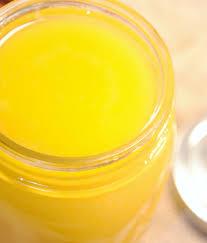
Ghee: The Perfect Summer Cooking Oil

Although most oils increase Pitta, ghee (clarified butter) has the unique property of stimulating digestion and cooling Pitta at the same time. Ghee is a cherished in Ayurveda as a nutritional food for all body types. Ghee does not burn at high temperatures, so it works great as a cooking oil.

Sweet Lassi

Although yogurt is a sour food that you’ll want to avoid in summer, when blended with water and sweetener, it becomes a healthy, cooling drink called lassi. Try this recipe for delicious sweet lassi:

3 parts room-temperature, pure water

1 part freshly-made yogurt. (The fresher the yogure, the less Pitta it will have)

Raw sugar or honey or stevia to taste

Rose water to taste

Pinch of freshly ground cardamom powder

Pour ingredients into a blender and mix thoroughly

Coconut Water

Coconut water is a great thirst quencher that comes with a long list of health benefits. High in fiber, it aids in the prevention of indigestion. Coconut water contains five essential electrolytes present in the human body: potassium, calcium, magnesium, phosphorous, and sodium. This makes coconut water an excellent choice for rehydrating after exercise. Coconut’s amazing ability to rehydrate was recognized in WWII, where coconut water was actually used for blood transfusions in remote Pacific outposts.

Coconut water has a soothing anti-inflammatory effect in our digestive system. Its creamy quality helps soothe inflamed mucosal membranes throughout our entire digestive tract.

Try adding some raw sugar, lime and a pinch of cardamom to coconut water for a refreshing summer drink.

www.theraj.com

The Ayurveda Approach to Migraine, Tension and Cluster Headache Pain

5233928419_bc8d593d2a_o

Ayurveda complements the modern medical approach to migraine, cluster and tension headaches by introducing subtle techniques for determining the root imbalance at the basis of headaches and providing natural approaches to removing those imbalances.

There is a general agreement as to what physiological changes in the brain create headache pain. In every case there must be some stimulation of the pain sensitive structures in the head. Stimulation of these pain centers is usually created by a dilation or constriction of blood vessel walls that aggravate nerve endings in the pain sensitive areas. It is less clear to modern medicine as to why certain stimuli like estrogen fluctuation, barometric pressure change, light, insomnia and hunger trigger these intense headaches.

Ayurveda can often provide individuals with a new perspective on what is causing their headache through the technique of pulse assessment. An expert in Ayurveda pulse assessment can determine which divisions of biological intelligence have become imbalanced. Ayurveda describes how it is these imbalances in the inner intelligence of the body that prevent the natural self-repair processes from removing the physical sources of migraines and other headaches.

Pulse assessment will provide an understanding of the degree to which mental stress and a build-up of toxins may be contributing to the episodes of headaches. In this way the root causes of vascular fluctuations in the brain can be more precisely pinpointed.

Let’s look at the two approaches to dealing with headaches: modern medicine and Ayurveda.

MODERN MEDICAL APPROACH

The modern medical approach uses different sets of drugs to help prevent headaches from occurring, to stop them once they have occurred and to reduce the pain of an ongoing headache.

While those in the throes of an attack may well welcome the quick relief offered by drugs, there are limitations to this approach. Drug based approaches may not be completely effective at removing headache pain, they can all have some side effects and none of them permanently remove the primary physiological imbalances that predispose an individual to headaches in the first place.

AYURVEDIC APPROACH TO HEADACHES

The vascular changes in the brain at the basis of headache pain are often created by nervous system instability. Excess vascular wall dilation and constriction occurs due to an inappropriate response from the sympathetic and parasympathetic nervous system. Ultimately it is the imbalanced performance of these divisions of the nervous system that creates the experience of headache pain.

Ayurveda calls the principle of biological intelligence that controls nervous system activity Vata. By assessing the extent and location of Vata imbalance within the body, an Ayurveda expert is able to offered targeted natural recommendation to address the root imbalances in Vata and nervous system disfunction. Because Vata is the most commonly disturbed principle within the body, there is a great wealth of recommendations within Ayurvedic medicine to help restore Vata’s proper functioning.

Diet

Certain foods increase the activity of Vata and others decrease Vata activity. By eating Vata balancing foods and avoiding Vata aggravating foods, individuals can gain a powerful dietary approach to reducing imbalances at the basis of headache symptoms.

Detoxification and Purification

Toxin accumulation in nervous system tissue can aggravate and sensitize those tissues to pain.

Impurities can also block channels of circulation and elimination, which prevents nutrients from nourishing nerve tissues and waste from being eliminated. Adjusting one’s diet to avoid foods prone to being poorly digested or which can compromise the digestive process and improving elimination are important first steps.

A key part of the program to address migraine headaches at The Raj Ayurveda Health Center is Panchakarma, the traditional detoxification and purification treatments of Ayurveda. Panchakarma is a powerful tool for removing imbalances and the basis of migraine and headaches. The multi-modality approach works by:

1) loosening impurities from where they have been deeply embedded in the tissues

2) liquefying the impurities so that they may be more easily eliminated and

3) opening the channels of circulation, thereby supporting natural cleansing processes.

The goal of Panchakarma is to draw out of tissues the chemical impurities that are unbalancing Vata and clogging circulation.

Oil Massage

Herbalized oil massage is especially helpful in balancing Vata and eliminating impurities. Daily home massage provides a deeply soothing and balancing effect to the entire nervous system.

Stress Management

Many individuals experience that headaches are often worsened by heightened stress, anxiety and mental fatigue. This is due to hormonal changes and other biochemical responses to stress that can aggravate the nervous system, create pain and depress resistance. A vicious cycle can also be triggered wherein the sleep disturbance that can be created by headaches increases fatigue and thus one’s susceptibility to stress, which can lead to more headaches. The Raj recommends the Transcendental Meditation technique (TM) to help remove the stress component of migraine and headache. Research shows that TM creates virtually the opposite physiological response that stress does and helps the body recover more quickly from stressful stimulus. There are published articles on the effectiveness of TM practice for both pain relief and insomnia.

Lifestyle and Daily Routine

One of the most important factors for balancing Vata and keeping the natural cleansing processes strong is to have a lifestyle that does not disturb natural bodily rhythms. When we eat, sleep and exercise in constantly fluctuating and disturbing patterns, the body looses its natural balancing cycles and cannot cleanse or heal itself properly. Therefore regularity in daily routine can be extremely important for reducing headache symptoms.

For more information on programs that address migraines and other headaches or to schedule a consultation with an Ayurveda expert, visit The Raj Ayurveda Health Center

www.theraj.com