Self-Referral Eating for Weight Loss and Improved Digestion

4926092996_c75544d33b_o.jpg

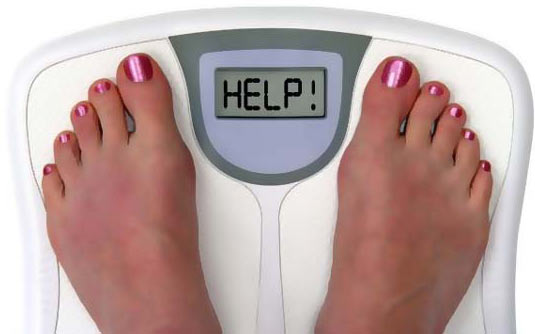
Poor digestion, being overweight, excess gas and bloating are all problems that can be triggered by poor eating habits. At The Raj Ayurveda Health Spa, what is taken into account is not only what you eat but also how you eat.

Self-Referral Eating means being aware of what you are doing during each meal.

Try the following tips:

  1. Research shows that eating too quickly can lead to weight gain. If we eat too quickly, we race so far ahead of the mechanisms in our gut that tell us we are full that we end up overeating. While you are eating, focus on what you are doing and how the food tastes — avoid distractions like reading, watching TV, and engaging in intense discussions.
  2. Try eating in silence for a few days to practice being consciously aware while eating.
  3. Chew your food well. Healthy digestion and nutrient absorption begins with proper chewing. Chewing triggers the release of digestive enzymes that help your body break down food so that it can be converted into energy. Chewing also helps break down your food into smaller particles, which can be more easily digested. Large, undigested particles of food can not be processed by the small intestine. They either travel through undigested or seep through fissures in the intestinal lining (leaky gut syndrome) and enter the bloodstream, triggering food allergies and other intolerances.
  4. Sip warm water during your meal. This helps your food to be more easily processed.
  5. Put down your eating utensils after each bite and focus on chewing.
  6. Don’t wait until you are starving or you may find that your hunger will overtake your commitment to eating with full attention.
  7. Eating is one of the great pleasures of life. Take time to savor the tastes and smells of the food. Inhaling your food without savoring the aroma does not lead to a satisfying experience. Digestion begins in the brain. Before you have even taken your first bite, the body begins to release enzymes needed for digestion. This is why your mouth waters at the smell of food.
  8. Always sit when you eat. Never eat standing up. Make sure that everything you need is on the table before you sit down so that you can remain seated and relaxed throughout your meal.
  9. If you have trouble telling whether you are full or not, stop sometimes during the meal, put your hand on your stomach and ask yourself, “Do I feel full or not?” The goal is to reconnectc your awareness with what is going on in the digestive system.

The Raj offers targeted programs to address colitis, constipation, gastritis and weight loss. Contact The Raj Health Office for more information.

800 864-8714 ext. 9000

WWW.THERAJ.COM

Understanding Ojas

According to Ayurveda, Ojas is the finest material substance in the body—in fact it is as much consciousness as it is matter. Maharishi Mahesh Yogi, who founded the Transcendental Meditation technique and inspired the revival of Ayurveda in its comprehensive and integrated form, referred to Ojas as a “lamp at the door”—the junction point between consciousness and matter—lighting both inside and outside.

387568827_7e7d286ea4

Because Ojas links consciousness and matter, it serves to integrate the whole mind/body system when it is properly enlivened and maintained. It is Ojas that allows all the contradictory values of physiology and mental functioning to be bound together, acting like a cosmic glue. The more Ojas, the better your health, and the stronger your immunity, balance, and happiness.

Shrotas, Channels and the Gap

The traditional Ayurveda purification treatments, known as Panchakarma, help promote Ojas in the body. When Ojas is produced in the body, it provides a channel for consciousness to flow into matter.  Ojas is the finest physical value of biological intelligence. And that finest physical value needs to flow through the body through proper, unobstructed channels. These channels are known in Ayurveda as “shrotas.”

On the grossest level, the “shrotas” or channels can be seen as blood vessels, lymph circulation channels, capillaries, cellular pores, etc. But if we look more closely, we find that shrota represents the space through which intelligence flows—the gap that allows transformation from one value of matter into another. Shrotas, then, are gaps in the body.

Most people think of a gap as emptiness, a place where nothing exists. But according to Maharishi Ayurveda, all healing mechanisms operate in the gaps.

Musicians tell us that the rests, the silences between the notes, and also the upbeats, the spaces between the main beats, are where music’s life really comes from. “Take care of the gaps, the silences,” said a gifted soprano, “and everything else takes care of itself. The music flows forward naturally.”

It is the same with the creation of anything in the universe. Maharishi Mahesh Yogi said the gap is the “lively nothingness” that allows the transformation of one state of matter to another. This includes the transformation of imbalance to balance.

Actually, the whole body can be viewed as nothing other than gap. One of the principle texts of Ayurveda, the Charaka Samhita, says, shroto mayo purushan, which means, “the whole physiology is nothing other than gap.” The entire body is a shrota for the flow of biological intelligence. The body is an innocent channel that reflects the beauty and wisdom of nature’s intelligence.

By purifying the shrotas, nature’s intelligence (physically manifested as Ojas) can flow freely throughout the body. This is why having regular Panchakarma treatments supports the prevention of disease. By keeping the channels of the body clear, Ojas—that lively intelligence that links consciousness and matter—finds no obstacle to its free flow and functioning.

This is the specialty of Panchakarma…linking oil massages with consciousness, heat treatments with the intelligence of nature.

For information on Panchakarma treatments, visit The Raj Ayurveda Health Spa website:

www.theraj.com

Agni vs Ama; the Battle for Good Digestion

In the daily drama of digestion, the two main players are Agni and Ama. -2

Agni, the digestive fire, takes the role of hero in the story. When Agni is burning brightly and steadily, then digestion takes place normally.

When Agni s diminished for any reason, then the villain, Ama, starts to collect in the digestive tract. Ama has opposite qualities of the firey agni. Cold and sticky, a toxic waste product of incomplete digestion, Ama collects in the tissues and creates imbalance wherever it spreads.

-1

Two other factors are critical to the digestive process: the quality of the food and the way it is eaten. Even if a person had strong Agni, Ama could still be created if the person eats the wrong kind of food or eats in a hurried, unsettled manner.

Good digestion is central to health. Many diseases may arise from poor digestion. When Agni is low and the food is not prepared and eaten properly, then Ama collects in the digestive tract and travels to other areas of the body where it forms the basis for the disease process. Lowered immunity, aching muscles and joints, arthritis, and fatigue may indicate a build-up of Ama. When Agni is at a normal level, it tends to burns up Ama, creating a state of balance throughout the entire system.

And when digestion is functioning flawlessly, Ojas, the final product of digestion, gets created. Ojas is the finest material aspect of the body—the link between consciousness and matter. (We’ll talk more about Ojas next week.) Ojas is responsible for establishing and maintaining balance in the mind/body system. The more Ojas your body produces, the greater your health, immunity, and happiness.

How can you tell if your digestion is running smoothly? One of the main ways to tell is how you feel after eating. A feeling of dullness, heaviness, and fatigue after meals, or symptoms such as gas or bloating, usually indicate poor digestion.

On the other hand, if you feel lightness and bliss after eating, you’re probably producing Ojas.

Another way to tell if your digestion is in good shape is by how your tongue looks in the morning. Ama tends to collect on the tongue, and if the tongue is heavily coated, it is a sign that Ama is present elsewhere in the body. If the tongue is pink and clear, then digestion is probably functioning well.

Other signs of improper digestion are bad breath, body odor, constipation, or diarrhea.

Simple Tips for Strengthening Digestion

Eat your main meal at noon

Eat light at night

Try to maintain regular meal times

Don’t snack between meals

Go to bed by 10:00

The most accurate way to tell how your digestion is functioning is through pulse assessment. Experts trained in the sophisticated technique can detect irregularities in digestion even before they manifest into symptoms. They can also pinpoint where Ama has built up on the body and identify imbalances throughout the body. For more information on Ayurveda consultations, visit The Raj Ayurveda Health Spa website:

www.theraj.com

Exercising in Vata Season

As the temperature outside drops and chilly winds begin to blow, Vata increases in our environment and in our physiologies. If you are a Vata-type or tend to have Vata imbalances, the transition into fall and winter may mean rethinking your exercise routine.

No matter what the season, understanding your Ayurveda body type is important when it comes to choosing a physical activity that supports health and balance as well as providing strength and fitness. But this is especially important in the fall. Because the main quality of Vata is movement, Vata dosha tends to move out balance very easily. It is simply its nature. Unfortunately, Vata imbalances can affect the other doshas as well, creating secondary imbalances in Pitta and Kapha. Keeping Vata in balance is one of the best preventative steps that you can take to stay healthy all winter long.

Understanding Your Physiology

Those with Vata-type physiologies tend to have little endurance, doing well with quick, short bursts. While they may love fast and vigorous activity, they can tire quickly and too much activity can throw them out of balance.

Pitta types are more agile, with a medium muscled frame. While they have less endurance than Kapha-types, Pittas do well with most exercises in moderation

Kapha types tend to be heavier, slower. They excel in endurance and have strong, steady energy.

Vata-Pacifying Exercise for Fall

17357-men-and-women-performing-aerobic-exercises-pv

While high impact sports like jogging or aerobics classes are generally fine for Pitta- and Kapha-types, Vata types do better with lower-impact sports. If you are heading inside for exercise, stationary bikes, cross-country ski machines or elliptical machines are better than treadmills. They provide an aerobic workout with a minimum of impact on the body, and they work not only the lower body but the upper body as well.

Strength training is also a good choice, as long as you do not strain. Better to do more repetitions at a lighter weight and slowly build up strength.

Yoga is an ideal exercise for those with Vata imbalances. Yoga positions should be done slowly and without strain.

If you are continuing to enjoy exercising outside, be sure to wear a hat, headband or ear muffs to protect your head and ears against the cold and winds. Brisk walking is a better choice than jogging.

In general, use comfort, balance and rest as your criteria for healthy exercise.

Ideal Times to Exercise

The ideal time for exercise is during Kapha time, after sunrise in the morning and until 10:00 am.

You can also try evening exercise between 6 and 10:00 pm, but be alert to how that may affect your sleep. Remember, it is good for Vatas to have some warm food in the evening so that they do not become hungry during the night. Therefore, you’ll want to have time in the evening to eat a relaxed meal and digest your food for some time before heading to bed. Don’t let exercising in the evening rush this evening routine. Sleep is the most important element in pacifying Vata; so a good evening should routine trump everything else.

If you are not sure what your body type is, consider scheduling a consultation with an Ayurveda expert.

www.theraj.com

Pacifying Vata to Address Back Pain

Driving through my neighborhood this last week I kept seeing people preparing their houses and yards for winter. It occurred to me that this alertness to the change of seasons also needed to extend our own physiologies. As we head into the fall season it is very important to start taking measures to pacify Vata dosha. Vata controls all movement in the body and not surprisingly, it is the first dosha to move out of balance. Late fall and winter are known as Vata season because they are marked by the same qualities that characterize Vata: cold, dry, and moving. As Vata increases in the environment it increases in our bodies.

diagnosis-and-treatment-684371

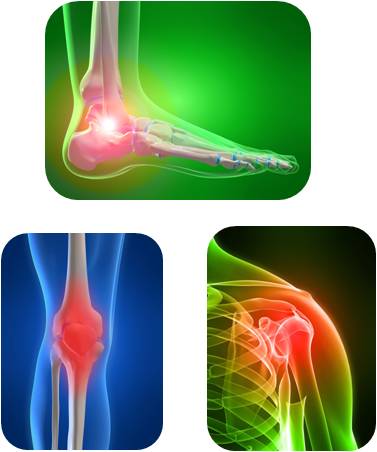
Vata imbalances include insomnia, aching joints, arthritis, back pain, constipation, high blood pressure and anxiety. All body types are vulnerable to Vata imbalance at this time of the year, but those whose body types are predominantly Vata need to be especially alert to staying in balance. Today let’s look specifically at back and joint pain.

The Vata/Kapha Connection

One very common result of Vata imbalance is the sudden onset of back pain. Often it seems to come out of nowhere. You get out of bed in the morning or lean down to tie your shoe and suddenly find yourself immobilized.

Ayurveda recognizes that back pain is often the result of Vata and Kapha imbalances, aggravated by a build-up of ama. This helps explain why lower back pain often appears in the fall and winter, and why the incidences of back pain often increase with age. According to Ayurveda, when we are 60 and over we are in the Vata time of life. It makes sense that Vata imbalances — and their resulting problems — appear more frequently during Vata season and during the Vata period of life.

In the case of back pain, the build up of Vata interferes with the ability of Kapha dosha to support and lubricate the spine. This dryness further aggravates Vata, creating a vicious cycle leading to back pain, aches and stiffness in the joints, and constipation or difficulties with elimination.

Ama

Ama —toxins and impurities that accumulate in body—is another factor to be considered with back and joint pain. When Vata and Kapha are aggravated they mix with the ama, creating either a Vata-aggravated ama or a Kapha-aggravated ama. This ama can become lodged in the joints, blocking joint movement and interfering with the production of fluid lubricating the joints. This leads to cracking joints, stiffness, pain, loss of cartilage and overproduced bone growth at the joints resulting in osteoarthritis.

Treatment

Effective preventive treatment for chronic lower back pain should include regular stretching, such as yoga exercises. The authentic, traditional Ayurveda treatments (Panchakarma) offered at The Raj specialize in removing ama and impurities that have accumulated in the joints and tissues.  They also help balance Vata, allowing Kapha to once again function normally.

Diet

If you are prone to lower back pain, avoid eating Vata-aggravating foods such as dry foods and raw vegetables. Also avoid root foods, which not only aggravate Vata but also have certain properties that can adversely affect joints. To reduce ama, avoid cheese, meat and heavy, fried, or processed foods. Eat your main meal at noon and take a lighter meal in the evening. Drink lots of warm or hot beverages, such as herbal teas (like licorice root and ginger teas) throughout the day. Avoid cold, iced drinks and food. This is the time of year to make sure you include ghee and olive oil in your foods, as the oil helps combat the dryness of the season.

Daily Oil Massage

Pacifying Vata is the key to keeping everything else in balance. A simple home oil massage each morning or evening can help soothe Vata and also help remove ama from the skin tissues.

Relax

Many people find that their back goes out when they are under stress. In a stressful situation the whole body can tighten, tense, and can easily go into muscle spasm, which can push vertebrae out of place. At The Raj, daily practice of the Transcendental Meditation technique is recommended to reduce stress, thereby reducing incidences of lower back problems.

For more information on Panchakarma treatments or Transcendental Meditation, visit The Raj Ayurveda Health Spa web site:

www.theraj.com

Can Ayurveda Help with Baldness or Thinning Hair?

Baldness is often purely hereditary; when that is the case, baldness in and of itself is not indicative of imbalance. But baldness can be aggravated by (and sometimes caused by) imbalances in the physiology, which Ayurveda can help remove.

In either case—heredity or imbalance—baldness is generally related to Pitta dosha, the dosha associated with heat, transformation and metabolism. Those with strongly Pitta constitutions are especially prone to baldness. They can aggravate this tendency through overuse of salt, heavily spiced food, fermented foods, tea or coffee, alcohol and red meat. Excess exposure of the head to the sun or to hot water can also increase Pitta. Even anger can have the same effect.

To reduce Pitta imbalances, try to identify aspects of your diet and lifestyle that may be aggravating Pitta. Take Pitta-pacifying steps, such as wearing a hat on hot days, avoiding exercise during the hot time of the day, and following a Pitta-reducing diet. Massaging the head daily with coconut oil or some other cooling oils can have a soothing effect not only on the scalp, but also on the head as a whole.

Increase fresh foods that are rich in vitamins and minerals. Increase amounts of carrots, alfalfa and green, leafy vegetables, and fresh sweet, juicy fruits. Avoid junk foods and refined sugars. Be sure you are drinking plenty of room temperature water.

There are, of course, other causes for thinning of the hair, such as high stress, thyroid imbalance, high fever, sudden weight loss and certain drugs. If you are experiencing sudden hair loss, you should see a doctor.

Look also to your digestion. According to Ayurveda, hair is the product of the creation of bone tissue (Asthi). Any disturbance in the metabolism of Asthi will affect the health of your hair. Since the quality of the creation of our tissue depends greatly on the quality of our digestion, to some degree, healthy digestion is associated with healthy hair.

Many times poor digestion can be associated with an imbalance in Vata dosha. Imbalanced Vata can also work to “fan” or increase Pitta imbalances.

Premature graying is related to the same Vata and Pitta factors. Some of the treatments used in Panchakarma, the traditional Ayurveda purification and detoxification therapies, can be helpful for grey hair. These include Shirodhara and Nasya.

If you are suffering from graying or thinning hair, a consultation with an Ayurveda expert can help you determine what steps you to manage your symptoms. They can also identify which oils will be best for daily head and scalp massage, and whether a Vata-pacifying or Pitta-pacifying approach will be most helpful.

www.theraj.com

Ayurveda Approach to Psoriasis

Psoriasis is an inflammatory, autoimmune condition. It occurs when the immune system sends out faulty signals that speed up the growth cycle of skin cells. It is a complex disorder that involves all three doshas, making it rather tricky to treat. It involves both the skin and the joints, which are governed by Pitta and Vata, respectively and is often attributed to a vitiation of both Vata and Kapha dosha. Only a consultation with an Ayurveda expert trained in pulse assessment can reveal an individual’s exact needs in this area and can determine the specific course of action that should be taken to eliminate this uncomfortable condition.

There is one old remedy, however, that may help by gently cleansing impurities from both skin and joints.

Mothers around the world have used castor oil as a home laxative for many generations. In addition to being a natural laxative, castor oil can be used to gradually draw accumulated impurities and toxins from the cells and tissues into the eliminative organs. Small quantities of oil can be used for this purpose without creating a laxative effect. To help the castor oil penetrate into the joints and cells, take up to one teaspoon of castor oil with your main meal — which should be at lunch — for six months. If a laxative effect occurs, simply reduce the quantity of castor oil.

If the idea of taking castor oil by the spoonful is too unpleasant, try making castor oil cookies;

  1. Take a handful of organic whole-wheat flour and add enough water to make sticky dough.
  2. Add a teaspoon of caster oil
  3. Add sweetener: raw sugar, stevia, and maple syrup. Do not add honey. According to Ayurveda, honey should never be used in baking, as it becomes a toxin when exposed to heat. If you use honey in your tea, wait until the tea is comfortable to sip before adding the honey.)
  4. Bake the cookie at 375 for around 10 minutes.

Panchakarma therapies are often recommended for those with psoriasis. Panchakarma provides a full range of treatments to pacify the doshas responsible for the outbreak. It also allows for the successful elimination of harmful toxins, which may be triggering the body’s autoimmune response.

For more information on Ayurveda treatments for psoriasis, contact The Raj, Ayurveda Health Spa.

www.theraj.com

Ayurveda and Hypertension

While hypertension (high blood pressure) is treatable, each individual has his or her own unique way of manifesting symptoms — and Ayurveda understands this uniqueness. An Ayurveda consultation that includes the ancient technique of pulse assessment is necessary to determine the specific imbalances that are causing hypertension in any one individual. But everyone can benefit from the approaches of Ayurveda.

Foremost among these approaches is the Transcendental Meditation (TM) technique.

A 1991 study of African-Americans (who are three times as likely to suffer from hypertension as the rest of the population) found that the blood pressure of those who practiced the TM technique was reduced by twice as much compared to a group who practiced a muscle relaxation technique. And blood pressure actually increased slightly in another group that followed the usual recommendations for reducing hypertension.

In 2013, a report from the American Heart Association concluded that the TM technique lowers blood pressure and recommends that that specific meditation may be considered in clinical practice for the prevention and treatment of hypertension.

The purpose of the report, entitled “Beyond Medications and Diet ­Alternative Approaches to Lowering Blood Pressure: A Scientific Statement From the American Heart Association,” was to inform physicians which alternative approaches to lowering blood pressure (BP) have been shown by research to be effective.

After considering meta-analyses and the latest clinical trials on different types of meditation, the report stated that while TM is recommended to lower BP, there is not enough scientific evidence to recommend other meditation or relaxation techniques.

The National Institutes of Health has granted over $20 million to study the effects of TM practice in preventing and treating heart disease, high blood pressure, and stroke.

Lifestyle Changes to Help Hypertension

In addition to practicing the TM technique, general recommendations for anyone suffering from hypertension include:

Make sure your midday meal is relaxed and substantial (this should be the largest meal of the day). If the midday meal is rushed, digestion will be incomplete and the body will not be prepared for the more hectic second half of the day. This will put pressure on the nervous system and exacerbate the symptoms of high blood pressure.

Follow a good Ayurvedic routine: rise during Vata time or at least at the beginning of Kapha time in the morning (Kapha starts at 6:00 a.m.), go to bed by 10:00 in the evening. Eat regular meals. Exercise regularly, but do not over-exercise.

These life-style changes are the first line of defense against hypertension and create the foundation for any other approach dietary or herbal approach. This is because stress can put extreme pressure on the sympathetic nervous system to the point of creating an anti-stress response. The anti-stress response triggers stress-fighting adrenal hormones, which increase heart rates, and put pressure on both the nervous system and circulatory system. This pressure aggravates both Vata and Pitta dosha.

For more information on Ayurveda programs for hypertension, visit The Raj Ayurveda Health Spa website:

www.theraj.com

Creating Health Bite by Bite: The Wonders of Diet and Digestion

The process of eating and digesting is a wondrous thing. It is magic. It is alchemy. Ayurveda acknowledges this. In our Western culture the process of eating has become mindless or, at best, a form of entertainment. Too often as we eat we watch TV, have meetings or socialize or, worse, we eat standing or on the run. The consequences of this disconnection to the process of eating and digestion are seen in the growing prevalence of problems such as malabsorption, irritable bowel, food sensitivities, bloating, gastritis, indigestion/heartburn, and excess gas. It also leads to lowered immunity. Before opting for a flu shot this winter, think about fine-tuning your eating habits.

There is an ancient Ayurvedic proverb: “Without proper diet, medicine is of no use. With proper diet, medicine is of no need.” When we think of proper diet we need to think not just of what we eat but also how we eat and how we support our ability to digest and assimilate what we have eaten.

Let’s think about what happens when we eat. We take in vegetables, grains, and animal products and we transmute those materials into their fundamental components in a form that our cells can assimilate. From that we create tissues, organs, bones, and fluids. We eat a tomato and turn it into a heart. We are recreating ourselves everyday through a process to which we give little to no thought or attention.

According to Ayurveda, food is a tiny package of intelligence. The reason we eat is to extract and assimilate that intelligence. If digestion is incomplete or if we eat food that is essentially devoid of intelligence, we are deprive ourselves of the basic building blocks needed to create healthy balanced physiologies. What is the secret of good health? Choosing the right diet and maintaining a strong digestion. Everything else is icing on the cake. If you are looking to avoid colds and flues during the winter, if you are trying to avoid binge eating, if you are looking for more energy and focus, the answer may simply be to elevate eating to a position of proper respect and priority.

Let’s look at these two aspects of creating health.

Digestion

Ayurveda focuses on enhancing digestion so that we are able to get the most from the food we eat. Below are some general guidelines. However, if your digestion is compromised, you may benefit from an Ayurveda consultation in which individualized recommendations can be given to address your specific doshic imbalance and state of balance.

Eat only when hungry—when your digestive fire is strong. If you do not feel hungry, try eating a small slice of ginger with salt as you first sit down. This stimulates the digestive process.

Avoid cold foods and cold drinks while eating or immediately after meals. These will “douse the fire of digestion”.

Eat in a settled and quiet atmosphere. Avoid the telephone, television, reading material, and over-stimulating conversation during meals.

Avoid eating when upset.

Avoid eating when standing (or walking).

Savor each mouthful and chew your food well. When you chew your food, your body releases digestive enzymes in the stomach that help to break down the food. Saliva also contains digestive enzymes, so the longer you chew, the more time these enzymes have to start breaking down food, making digestion easier. When large particles of improperly chewed food enter your stomach, they may remain undigested when they enter your intestines. This may lead to gas, bloating, constipation, cramping and other digestive problems.

Eat until you are satisfied—but not full. Avoid overeating.  Leave room in your stomach for the digestive process to take place.

Sip small amounts room temperature or hot water during your meal.

After you are finished, sit quietly for at least 5 minutes. Don’t immediately jump up from the table.

Healthy Foods

The food you eat should contain lively intelligence. Processed food, canned and packaged foods are essentially “dead”. Fresh fruits, vegetables, whole grains, legumes and fresh dairy products can provide the intelligence your body needs to build healthy tissues every day.

Choose organic foods, when possible, so that you are not introducing harmful chemicals into your body. In addition, studies have shown that organic foods contain between 20 to 40% more antioxidant activity than conventional foodstuffs. These antioxidant compounds, which go by names like carotenoids and flavonoids, protect cells from the effects of aging and from the sort of damage that can lead to cancer.

Food without intelligence or heavy foods such as meat and fried foods tax the body’s digestion capabilities and end up creating ama in the body. Ama blocks the body’s channels of communication and delivery. Thus as well as not supplying your body with needed intelligence, these foods end up blocking other sources of intelligence from reaching your cells.

For more information on gastritis, constipation and other digestive disorders or to schedule a consultation, visit The Raj Ayurveda Health Spa website:

www.theraj.com

Nourishing Your Brain with Ayurveda: Tips to Keep Your Brain Young and Healthy

Alzheimer’s is the most common cause of dementia, a brain disorder affecting the parts of the brain controlling thought, memory and language. About 4.5 million older Americans suffer from Alzheimer’s. The number of cases are expected to quadruple by 2050. Ayurveda, the original health science of India, offers much needed knowledge on how to reverse the aging trends, even in cases of brain deterioration such as Alzheimer’s disease.

Early detection provides a greater opportunity to delay or reverse the existing symptoms of aging disorders. Maharishi Ayurveda, a systematic revival of Ayurveda, offers a comprehensive system of effective interventions.

Detection begins with a consultation with an Ayurvedic health expert using the ancient technique of Ayurvedic pulse assessment. This will help identify specific imbalances in the body which can predispose an individual to the onset of Alzheimer’s disease and other neurological disorders. This individual diagnosis is a powerful tool for designing an individualized treatment program and home recommendations.

Factors Affecting Alzheimer’s

Drugs, alcohol, stress, the buildup of toxins and poor nutrition are all factors whose effects accumulate over time and contribute to the degeneration of our brain’s ability to function properly. While available drugs have been shown to be somewhat effective in reducing some aspects of cognitive decline, changes in diet and lifestyle remain the only proven means of affecting the onset and progression of Alzheimer’s.

Don’t Let Your Brain “Dry Up”

The thousand year-old texts of Ayurveda indicate that with advancing age, the brain and body gradually become more agitated and dry. Alarik Arenander, Ph.D, a UCLA-trained neuroscientist with degrees in Molecular Biology, Developmental Biology, and Neuroscience, notes that Alzheimer’s is often associated with marked shrinkage of the brain. “The ‘drying’ effect of Alzheimer’s”, says Arenander, “must be remedied by proper diet, digestion and routine. This is the specialty of Ayurveda.”

Ayurvedic experts can offer individualized recommendations to regain balance in the physiology and nourish the brain in an effort to counteract the brain’s natural “drying” influence and establish an optimum level of mental and physical function.

In addition, Ayurvedic treatments and massages help to increase lubrication and stability and sustain quality of functioning, thereby decreasing drying, agitation and distruption of body and mind. These treatments also remove accumulated toxins and impurities which are associated with the degeneration of optimal functioning of the mind and body. The traditional Panchakarma treatments of Ayurveda are the only known means of effectively removing fat-soluble toxins from the body. Otherwise these toxin remain in the body for up to 30 years and can be passed on to one’s children.

Ayurvedic Tips to Nourish Your Brain

  • Stay physically active: Recent studies suggest that exercise which raises your heart rate for at least 30 minutes several times a week can lower your risk of Alzheimer’s. One study, conducted at the University of Chicago, looked at two groups of mice. One group was allowed to exercise and the other was not. The brains in the physically active mice had 50 to 80 percent less plaque than the brains of the sedentary mice. In addition, the exercising mice produced significantly more of an enzyme in the brain that prevents plaque.
  • Mental activity: stay mentally alert by reading, playing cards, crossword puzzles and writing.
  • Eat a wide variety of green vegetables and include milk products (only milk contains significant levels of B12 which is absolutely essential for proper nervous system function) in your diet. If you are feeling mentally weak and are experiencing memory loss, have your doctor check your vitamin B levels, especially vitamin B1
  • Include plenty of antioxidants in your diets. Free radicals and oxidative stress are major factors in premature aging. Include plenty of organic fruits and green vegetables in your diet.
  • Include high quality oils in your diet. It is good to sauté spices such as tumeric and black pepper when you use oils. Your brain is composed of over 50% fat. Nervous system tissue is most nourished by oils, especially ghee, or clarified butter. Organic ghee and olive oil are the best cooking oils. Tumeric and freshly ground black pepper have the ability to penetrate the blood-brain barrier, which helps lubricate the brain. In India, where tumeric is used in great quantity, the rate of Alzheimer’s and other neurological diseases are very low.

The treatments and techniques of Ayurveda are based on age-old wisdom of how to maintain perfect balance in the physiology. This ancient wisdom sheds light on how to maintain and promote healthy, youthful brain functioning.

Learn more about Ayurvedic programs to optimize brain functioning at The Raj, Ayurveda Health Spa website:

www.theraj.com