
Reducing Vata for Better Sleep, Mental Health, and Physical Well-Being

Holistic-health.jpg

By the end of January and beginning of February those of us who live in northern climates have peaked in terms of the accumulation of Vata in our physiology. Months of cold, dry, windy weather results in an increase of those same qualities in our bodies: dryness, coolness, movement and quickness. When Vata becomes imbalanced we can experience symptoms such as trouble sleeping, aching joints and muscles, arthritis, emotional instability, high blood pressure, dry skin, increased sensitivity to the cold weather, and depression.

With months of cold weather still ahead of us, this is the time to adopt a diet and daily routine that will help settle Vata. One of the most basic approaches to balancing Vata is to follow a regular routine—eating and going to sleep at the same time each day. In fact, going to bed early on a regular basis is one of the most powerful tools available for balancing Vata.

In terms of diet, the key word is “warm”. Eat foods that are warming and fresh. The same goes for any liquid that we drink (and we need to be drinking lots of liquid to offset the drying influence of winter heating.) Be sure to drink a number of cups of warm water and herbal teas throughout the day. Never have iced drinks or food.

Vata imbalances often lead to constipation. This is another reason to drink plenty of warm fluids during the day. Drinking two glasses of warm water when you wake up can help stimulate bowel functioning. Hot water with black salt can also be helpful in this area.

During the winter you may find yourself thinking more about food than you did during the summer. This is because when the cold, dry weather of winter starts to aggravate Vata dosha, our bodies naturally begin to crave heavier more unctuous Kapha-type foods to help counter this effect. In addition, cold weather tends to cause our internal digestive fire to increase, thus creating an increase in our appetite. As long as you don’t eat more than you can comfortably digest, larger portions at meals can help keep Vata in balance. While we don’t want to gain weight and accumulate ama over the winter months, it is not recommended to try to lose weight during the winter.

Eat more foods that increase Kapha: those with sweet, sour, and salty tastes. Eat fewer foods with bitter, astringent, and pungent tastes. Avocados, bananas, mangoes, peaches, lemons, pumpkins, asparagus, carrots, beets, almonds, sesame seeds, quinoa, rice, mung beans, and ghee are all excellent Vata-pacifying foods.

Oil is our friend in the winter. Using olive oil and ghee in our meals will help counter the drying effects of Vata

Along this same line of thinking, daily oil massage with sesame oil is particularly helpful in the winter. The warm, unctuous quality of the oil is the perfect antidote to the cold, dry qualities of Vata. If you are Pitta by nature, you may prefer coconut oil or olive oil, as sesame oil is naturally heating. Ideally you’ll want to heat your oil before applying it. Letting your bottle of oil float in hot water for a few minutes will bring the oil to a nice, soothing temperature. Try to keep the oil on your skin for 5 or 10 minutes before your shower or bath.

Stay warm. Cover your ears and head when you leave the house. Because ears are one of the main seats of Vata, it is best not to expose them to cold and winds. Two of the main qualities of Vata are cold and dryness. Make sure the temperature in your home and work place is comfortable. If you have central heating, consider a humidifier to counter the dryness it creates. Because Vata-types are sensitive to moving air it is best to avoid drafts or fans.

It can be easy to become a little lazy during the snowy, colder months. Try to incorporate Yoga or some kind of gentle stretching exercise into your routine, as well as other comfortable and easy exercise. Don’t strain or over-do with your winter exercise routine. Vata tends to dry up the lubricating qualities of Kapha in the body. This is why more athletes experience pulled muscles or other injuries during the winter. This is especially true for those over 50 (those in the Vata time of life). Spring is a much better season for vigorous exercise, as the influence of Kapha is at its peak and we will naturally have more strength and stamina.

If you find that diet, lifestyle and self-massage are not helping to control symptoms of Vata imbalance, it may be that your Vata imbalance has gone deep into the tissues. In this case Panchakarma, the traditional rejuvenation treatments of Ayurveda, are recommended. Panchakarma removes Vata from the tissues by using various herbal decoctions and oil preparations in combination with specialized treatments to treat the root of the Vata imbalance.

For more information on Ayurveda consultations and Panchakarma treatments, visit The Raj Ayurveda Health Spa web site:

www.theraj.com

Late Night Snacking Affects Brain Functioning: How Going to Bed on Time Supports Short and Long-Term Memory

I am always interested in research that gives a fuller understanding to the basic principles of Ayurveda. Recently I read about a study from the University of California that concluded that late-night snacks could negatively impact brain functioning. In the study, mice that were fed during their normal sleeping times experienced a decline in both short-term and long-term memory. The study suggested that digesting food at a time we are supposed to be asleep causes distress in the hippocampus, the area of the brain where memories are formed.

LateNightSnacking(1).jpg

There is already evidence that eating when we normally should be sleeping can cause an increase in blood sugar levels — which can lead to diabetes and heart problems. Now we find that irregular eating habits can impact mental cognition. The University of California study revealed that the mice that were given food when they should have been sleeping had lowered levels of a protein called CREB, which plays an important role in supporting the body’s internal clock and in the brain’s ability to form memories.

“Since many people find themselves working or playing during times when they’d normally be asleep, it is important to know that this could dull some of the functions of the brain,” observed lead researcher Dawn Loh.

This dovetails with an earlier study funded by the National Institute of Neurological Disorders and Stroke in 2013. The study showed that the space between the brain cells can increase during sleep. This allows the brain to cleanse itself of toxic molecules during sleep. Previous studies have associated the toxic molecules that accumulate in the space between brain cells with numerous neurodegenerative disorders. These toxins diminish during sleep.

The leader of the 2013 study, Milken Nedergaard, M.D., D.M., observed, “Sleep changes the cellular structure of the brain. It (the brain) appears to be in a completely different state.” (There is some indication that Shirodhara, one of the classic treatments used in the Panchakarma or detoxification therapies of Ayurveda, also put the brain into this state of detoxification.)

If we are up and active or eating during our most important sleep hours, the natural cycle of purification and detoxification in the brain can not take place.

According to Ayurveda, the ideal hours of sleep are from 10:00 p.m. to 2:00 a.m. This is the time when Pitta dosha (the principle of transformation) is supporting the body’s self-repair mechanisms. The strongest Pitta cycle of the day is from 10:00 am to 2:00 pm. During this time the Pitta quality of transformation is best directed towards digestion. For this reason, Ayurveda says the biggest meal of the day should be eaten at noon. The transformational qualities of Pitta at night are directed to a more subtle kind of work. This is when the body switches into its powerful healing and self-repair mode.

Last week we talked about how the biological clocks located in our joints (that allow for regeneration of the joints) need a regular routine of eating, exercising and sleep to be most effective. Now we see more evidence that the ideal daily routine upheld by Ayurveda does indeed lead to better health and increased well-being. We are a part of nature and living in tune with the underlying cycles of nature supports our entire mind/body system. As modern science continues to validate the age-old principles of Ayurveda, we can see how this ancient science is as relevant today as it was 4000 years ago.

When we live without regard for the natural cycles of eating, exercising and sleeping, the natural healing modalities that are build into our physiologies can not do their job and impurities can build up in the body. Removing these deep-seated impurities is the speciality of Panchakarma, the traditional purification therapies of Ayurveda.

For more information on Ayurveda and Ayurveda detoxification programs, visit The Raj website:

www.theraj.com

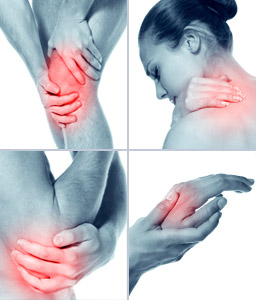
Joint Pain and Regular Lifestyle: New Research Upholds Ayurveda Approach to Arthritis

multiple-joint-pain.jpg

Ayurveda has always connected joint pain to Vata dosha. While there may be other contributing factors to the disorder, such as the accumulation of ama, an imbalance in Vata dosha is always associated with arthritis and joint pain. One of the most important Ayurvedic recommendations for balancing Vata is regularity in routine: eating at the same, exercising at the same time, and going to bed at the same time every day.

Now modern science lends strength to this seemingly simple Ayurvedic “fix”.

A new study from Manchester University concludes that regular mealtimes, exercise times and bed times could help keep arthritis at bay. Apparently there are tiny biological clocks inside our cartilage cells that control thousands of genes that are involved in keeping in keeping our cartilage healthy and strong.

The most common form of arthritis is caused by wear and tear of the cartilage that helps our joints withstand the strain of lifting, kneeling, bending, gripping, etc. When the little biological clocks in the joints are working properly, the genes are timed to be more or less active at different times of the day and night. This allows daily repair to happen in progressive and sequential steps.

As we age, our biological clocks in our joints can stop working properly and the repair process no longer gets carried out properly. The lead scientist on the Manchester University study, Dr. Quin-Jung Meng, found that the simple act of keeping a regular daily routine actually helped keep the cartilage clocks working properly, allowing them to do their job in supporting self-repair of the cartilage.

And the study concluded that not only can a regular routine delay the onset of arthritis, it could also help relieve pain in those already suffering from arthritis.

The researchers noted the importance of understanding the role that the body’s circadian rhythm (our in-built body clock) has in maintaining healthy joint tissue and how disruptions to this process could contribute to the development of osteoarthritis.

In many cases, the wear and tear in the joints is aggravated by the accumulation of ama. When ama, the toxic residue from poorly digested food, enters the blood stream, it can build up in weak areas of the body, including the joints. To remove ama once it has settled into the joints and tissues, the traditional purification and detoxification treatments, called Panchakarma, can be very helpful. These treatments help bring the aggravated doshas and accumulated ama back into the digestive tract for elimination. Once ama has been cleared, a program of prevention can be recommended. This will include life-style, diet and herbal recommendations that will help keep Vata in balance while supporting proper digestion so that ama no longer accumulated in the body.

For more information on programs for arthritis at The Raj Ayurveda Health Spa, visit the web site:

www.theraj.com

Ayurveda Beauty Tips for All Skin Types

According to Ayurveda, the dosha Vata predominates in the fall and early winter. Vata also increases in people over the age of 50 and in those who are under a lot of stress. One of the results of an imbalance of Vata is that our skin can become dry, irritated and rough. One of the best tools for keeping a youthful complexion is to avoid excess Vata.

Here are some Ayurvedic tips that will not only help to slow down Vata accumulation in the body, but will also help nourish the body, supporting soft, radiant skin from the inside out.

water-glass-pour.jpg

  1. Hydrate

Drinking water (either plain or in the form of other fluids or foods) is essential to your health. Fluid losses occurs naturally due to skin evaporation, breathing, and normal elimination, and these losses must be replaced daily for good health. Your body is composed of about 60% water and depends on fluids for proper digestion, absorption, circulation, the transportation of nutrients and the regulation of body temperature.

During the cold months of the year, heating systems, especially forced air heat, cause additional loss of fluids. So putting attention on staying hydrated in the winter is as important as during the hot months of summer.

Skin needs moisture to stay flexible. Even mild dehydration will cause your skin to look dry, tired and slightly grey. Drink plenty of plain water throughout the day: hot water is best for Vata and Kapha types, while room temperature is best for Pittas. Don’t drink iced beverages. Avoid carbonated beverages. Remember that caffeinated drinks are diuretic, ultimately reducing the amount of water in your system.

  1. Keep a Good Routine

Eat a light, cooked meal at night. When the body does not have to work hard at night digesting food, it can turn its attention to self-repair and rejuvenation. You’ll wake up feeling fresh and light and you will see an immediate difference in your skin, energy levels and general immunity.

Go to bed early. The evening Pitta time is meant for self-repair. By staying up past 10:00 p.m., your body misses out on the opportunity to recover from wear and tear of the day. Over time, this can take a real toll on your health. Going to bed late and getting up late does not make up for missing the critical 10:00 pm to 2:00 am window for sleeping. This kind of deep fatigue shows up immediately on your face.

  1. Eat Fresh, Nourishing Foods

Favor fresh cooked foods that can provide your body with the vitamins and minerals that you need to stay at your best. A variety of chemicals from plants (known as phytochemicals) can protect cells from harmful compounds in the environment. Fruit and vegetables contain powerful antioxidants that help to protect skin from the cellular damage caused by free radicals. Beta-carotene, found in pumpkin, carrots and sweet potatoes, and lutein, found in kale, papaya and spinach are potent antioxidants, important for normal skin cell development and healthy skin tone

Green leafy vegetables, coconut, carrots and sweet juicy fruits provide an abundance of vitamins A, C, and E. and help to nourish the outer level of the skin. Research has shown that people who eat foods rich in vitamin C have fewer wrinkles and less age-related dry skin than those who don’t. Vitamin C fights free radicals, which damage cells and break down collagen, leading to fine lines

Phyto-estrogens are natural chemicals found in plant foods (phyto meaning plant). They have a similar structure to the female sex hormone estrogen and have been found to help keep our natural hormones in balance. There are different types, some are found in soya bean products, whereas others are found in the fiber of whole grains, fruit, vegetables and flax seeds. Include phyto-estrogen rich soya, whole grains, fruits and vegetables as part of a balanced diet.

Avoid canned and processed foods and foods with preservatives. Some research suggests that a diet high in processed or refined carbohydrates and unhealthy fats promotes skin aging.

Don’t be afraid of fat: monounsaturated and polyunsaturated fats (the types found in avocados, fish, nuts and seeds) provide essential fatty acids, which act as a natural moisturizer for your skin, keeping it supple. These fats also contain vitamin E, which can help protect against free radical damage.

Omega-3 and omega-6 fats are essential fatty acids, which mean they cannot be made in the body and must be obtained through the diet. Omega-3s can be found in oily fish and plant sources such as flaxseed oil, linseeds, walnut and rapeseed oil. Omega-3 fats encourage the body to produce anti-inflammatory compounds, which can help skin, particularly inflammatory skin conditions such as eczema and psoriasis.

Remember, many of the best foods for healthy skin also promote good health overall. Rather than focusing on specific foods for healthy skin, concentrate on a healthy diet in general. Eat plenty of fruits and vegetables. Choose low-fat or fat-free dairy products. Include nuts, seeds and beans in your favorite meals. Opt for whole-grain breads and pasta. Limit sweets. Strive for variety as you’re making healthy choices.

  1. Keep a Good Routine

Eat a light, cooked meal at night. When the body does not have to work hard at night digesting food, it can turn its attention to self-repair and rejuvenation. You’ll wake up feeling fresh and light and you will see an immediate difference in your skin, energy levels and general immunity.

Go to bed early. The evening Pitta time is meant for self-repair. By staying up past 10:00 p.m., your body misses out on the opportunity to recover from wear and tear of the day. Over time, this can take a real toll on your health. Going to bed late and getting up late does not make up for missing the critical 10:00 pm to 2:00 am window for sleeping. This kind of deep fatigue shows up immediately on your face.

  1. Take Steps to Avoid Stress

Stress is a major factor in the aging process. Daily meditation quiets the mind, releases stress and allows the body to produce anti-aging biochemicals. At The Raj Ayurveda Health Spa, we recommend the Transcendental Meditation program, which is the only meditation recommended by the American Heart Association, based on over 600 research studies that prove its effectiveness. Studies have shown that Transcendental Meditation helps alleviate stress, reduce blood pressure, anxiety, depression and anger.

Ayurveda recommends that women minimize activity during their days of menstrual flow. If it is possible, take steps to adopt a slower pace to reduce stress and fatigue. This is a time of natural purification. If you are active during this time, the body is not able to effectively eliminate wastes and impurities. It can also cause imbalances in Vata.

6. Protect your Skin

You can help “lock” moisture into your skin by using moisturizer, which creates a physical barrier to keep moisture in. An oil massage in the morning before your shower also helps in this way.

Sweet almond oil is a good moisturizer for almost everyone. Pat on after washing the face, then blot with a soft tissue. (Whenever using anything new on your face, try a small amount on the neck area first to check for sensitivity.)

For a gentle, natural cleanser you can make at home, grind masala dal (check out your local health food store of Indian grocery store) into a powder and soak in milk for 1/2 hour. Make a think mixture to wash with or make a thicker paste to use as a facial mask. Rinse off with water at the appropriate temperature for your skin type. Pitta types may want to use cooler water, for example. Never use extremely hot water on your face!

Nourish your skin with milk. Once a day dip a cotton ball into a small bowl of organic milk and wipe your face thoroughly with it to remove dirt from your pores. Because of its fats and lactic acid, milk has tremendous moisturizing, softening properties. Adding milk to your bath will also soothe and nourish your skin.

Enjoy daily oil massage Daily oil massage pacifies Vata, helps remove toxins from the skin and leaves a protective barrier on the skin against environmental toxins. The skin is the largest organ in the body and one of the body’s main means of detoxifying. Daily oil massage helps support the detoxification process and helps protect the skin. If you don’t have time for a massage before your morning bath, try a massage at night before a long tub soak. Those with more Pitta constitutions may prefer olive oil or coconut oil. For Vata and Kapha types, the heating and penetrating quality of sesame oil makes it the number one choice.

Protect your skin from the elements. Take a seasonal approach to skin care. Even if someone has a Vata constitution, they will have to balance Pitta during the heat of the summer” In the winter, all skin types need to take steps to avoid Vata aggravating weather. This means avoiding extreme cold and harsh winds.

An Ayurveda expert can give you more specific details on your specific body type and imbalances than may require more individualized recommendations. For information on consultations and/or Ayurveda skin and beauty treatments, contact The Raj Ayurveda Health Spa:

WWW.THERAJ.COM

Staying Healthy with Ayurveda Daily Routine


72740a39ab4a50f71f269cb8fd3f0294.jpg

According to Ayurveda, following a proper daily routine is a prerequisite for health. Almost 90% of ill health in the United States is said to be preventable. In most cases, the imbalances at the basis of disease and disorders are created over time by simple mistakes in diet, exercise and behavior that disrupt our biological rhythms.

Our diet and daily routine of eating, sleeping, and exercising, determine whether we become stronger and healthier day by day or whether we create imbalances that continually grow toward disease. Without proper diet and routine of life the effectiveness of any treatment program we undertake will be greatly reduced because the true cause of the disorder will continue to exist. One of the goals of a successful Ayurveda program is to help structure day-to-day behavior so that it has a balancing and strengthening effect on health.

Ideal daily routine means a routine that is in accord with the laws of nature; a routine that keeps the mind/body system functioning efficiently with the least amount of wear and tear.

Here are a few examples of how ideal daily routine can promote health.

Ideal Times for Sleeping

There is a saying, “The day starts the night before”. Only by going to bed early can the next day’s activity be fully supported. By going to bed during Kapha time, (before 10:00 P.M. when the evening Pitta period begins), we take advantage of Nature’s natural cycle of healing and rejuvenation. The qualities of Kapha, (heaviness and dullness), allows us to get to sleep most quickly, and to have the deepest, least interrupted sleep.

After 10:00 Pitta begins to dominate. Pitta at this time of day should be involved in metabolic cleansing. The body needs to be inactive at this time so that it can focus its intelligence and energy on metabolic cleansing and rejuvenation. If we are up and active during this time, we may enjoy an effective spurt of energy but we cheat our bodies on much needed self-repair. Over time this can take a serious toll on our physical and mental health.

Going to bed on time allows us to easily rise at the proper time, before 6:00 A.M. The period before 6 AM is the time when all of Nature is waking up, and a time when Vata is enlivened in the environment. If we start our day in Vata time, our mind will experience more of the qualities of balance Vata throughout the day: increased energy, clarity, intelligence and alertness.

If we sleep past 6 AM, we sleep into the Kapha time of the day. When a person sleeps until 7:30 AM they have been lying dull and dormant of 1 and 1/2 hours in Kapha time and they wake imbibed with the qualities of excess Kapha: dullness, heaviness and lethargy.

Understanding and following the ideal times for eating and sleeping means harmonizing our behavior with the rhythms and cycles of the body and the cycles of nature. This is the key to living a health-promoting life. If we live a lifestyle that disrupts our natural biological rhythms, we are sabotaging our own health, breaking down the resistance of the body and contributing to the creation of disease.

Ideal Times for Eating

Breakfast

Digestion is not strong when we first awake, so breakfast should not be a heavy meal. Cooked apples and pears are a perfect way to begin the day. It is best to avoid cheeses, meats and other heavy, hard-to digest foods at breakfast.

Lunch

In the middle of the day the heat element in nature is at its peak. This activates the heat element, Pitta, in our own bodies. Pitta is responsible for digestion and metabolism.

For this reason we should eat our largest meal at noon. The ideal time for lunch is between 12:30 and 1:00, as this is the period of highest Pitta and greatest digestive power. Lunch should be a warm, cooked meal, with all six tastes. Take at least 30 minutes, eat in a relaxed setting, and then sit comfortably for 10 to 15 minutes after you finish.

Dinner

In the evening, digestion is less strong. In a few hours we should be sleeping, which further slows the digestive and metabolic processes. Therefore dinner should be a lighter meal. Heavy foods like cheese, ice cream and met are best avoided at this meal.

It is better to eat earlier in the evening that later. The later you eat, the less food you should consume and the lighter the food should be.

If we have been living a life that is out of tune with nature’s laws, it is never too late to make healthy changes. A consultation with an Ayurvedic expert can pinpoint imbalances that have built up in the physiology, and provide specific recommendations for restoring a healthy balance. The traditional purification and detoxification treatments of Ayurveda, known as Panchakarma treatments, can remove accumulated imbalances and blockages from deep within the tissues.

For more information on Ayurveda, visit The Raj Ayurveda Health Center:

www.theraj.com

Hot Water: the Simplest Ayurveda Tip for Balancing Vata and Removing Ama

Ayurveda considers removing toxins and impurities from the body and preventing their build-up in the tissues to be of prime importance. Ayurveda refers to these impurities as “ama”. Ama is considered to be a contributing factor in many diseases because it disrupts the delicate biochemistry in the tissues and blocks the channels of circulation and communication. This process often starts with poor digestion, which creates the toxins, and poor elimination, which allows the toxins to be absorbed into the circulatory system and transported throughout the body.

Removing ama is the primary target of Panchakarma, the traditional Ayurveda purification and detoxification therapies. Many of the recommendations that you receive during an Ayurveda consultation are aimed at preventing the accumulation of ama and removing ama that has build up in the body. Of the recommendations that can be done at home, drinking hot water frequently during the day is a simple and effective “anti-ama” approach.

Drinking-hot-water.jpg

Hot water flowing through the digestive tract helps to dissolve impurities and cleanse the entire digestive and eliminative systems. The result is an improvement in digestion and assimilation of food, improved elimination, and prevention of the formation of ama.

Also, the hot water is absorbed into the circulatory system and travels throughout the body. The extra warmth and fluid aids in opening circulation, dissolving accumulated impurities and washing them out of the body.

Many people report that after just a few weeks of this program, digestion and elimination improve and they feel lighter and fresher.

The Vata season (the cold, windy days of fall and early winter) is a perfect time to start a regime of sipping hot water throughout the day. The extra warmth and fluid will help counter the cold, drying effects of Vata.

Intake

The usual recommendation is to sip hot water frequently throughout the day — up to every half hour if possible. Water should be boiled first and then cooled just to the temperature where it can be sipped comfortably. Even taking a few small sips fulfills the recommendation.

Water Type

It is recommended that you use some kind of purified water for your daily hot water intake. Filtered tap water is best, followed by bottled spring water. Distilled water is not recommended. If you use a powerful reverse osmosis filter, it is recommended that you occasionally use water from another source so that you continue to get some of the natural mineral content of the water.

Heating

Ideally water should be boiled for about 10 minutes. Boiling the water allows excessive mineral deposits and impurities to precipitate out, and decreases the Kapha influence of the water: increasing the water’s lightness and cleansing influences.

Boiling water each morning and placing it in a thermos is an effective, timesaving approach.

Herbal Additions

A few slices of ginger root, a pinch of turmeric or a few fennel seeds may be added to the boiling water if desired. These herbs can increase the cleansing influence of the water. Lemon may also be added it if is not upsetting to the stomach.

www.theraj.com


Ayurveda Approach to Diabetes: Supporting Your Natural Healing Ability

herbs.jpgThe Raj program for diabetes draws on the world’s oldest and most complete system of medicine, Ayurveda. Through its unique assessment of causal imbalances at the basis of the condition, this program provides a comprehensive, natural approach to restoring health and wholeness.

Gaining true relief from diabetes usually requires a multi-factor, natural approach because there are many different imbalances that can contribute to the condition.

The accumulation of toxins in the eyes, nerves, cardiovascular system, feet, and other tissues can cause many of the most debilitating effects of diabetes. Ayurvedic theory also describes how mistakes of a high carbohydrate diet are more likely to create diabetes when nervous system imbalance and stress also become a factor in the individual. According to Ayurveda, mental stress and strong emotional disturbance when added to a system overloaded with a carbohydrate heavy diet, often pushes the physiology into the diabetic condition. Disruption of biological rhythms interferes with the body’s metabolic processes and can inhibit proper carbohydrate metabolism. Lack of proper exercise and poor circulation can worsen many diabetic symptoms.

Because so many imbalances can play a role in the condition, the Ayurvedic assessment of balance and imbalance does not look at gross physical abnormality and does not try to match drugs to a symptom. People can have the same disorder for different reasons. For example, ten people could walk into a doctor’s office with a headache and have it for ten different reasons. Likewise, not everyone has diabetes for the same reasons.

Ayurvedic diagnosis determines the imbalance in the divisions of the body’s inner intelligence. These underlying imbalances are the rood causes of a condition and must be removed if real healing is to occur. By determining the causal imbalances at the basis of a disorder, Ayurvedic assessment helps address the fundamental source of ill health in the individual.

Root Causes of Diabetes

The following are the general types of imbalances at the course of most chronic conditions, including diabetes:

Toxins accumulating in tissues and blocking circulation

Poor nutrition

Poor digestion

Accumulation of physical and mental stress

Lowering of natural resistance and immunity

Disruption of natural biological rhythms

Ayurveda Approach to Diabetes

Panchakarma/Detoxification Treatments

The goal of the Ayurveda approach is to enliven the body’s natural healing and self-repair ability with the ultimate goal of creating the highest state of health and well-being.

Many symptoms of diabetes start when the condition creates toxins that accumulate in tissues and disrupt the delicate biochemistry there. Toxin buildup can also obstruct the channels of circulation and elimination to affected areas. This blockage prevents proper nutrition from reaching the tissues and blocks the processes that cleanse them of impurities.

The most powerful treatments for removing toxins and opening circulation are the traditional Ayurveda purification and detoxification treatments, called Panchakarma. This daily treatment program of massage, heat treatments and eliminative therapies is the cornerstone of The Raj program for diabetes.

Panchakarma treatments address the problem of toxin accumulation through systematically loosening the impurities from where they have become embedded in tissues and helping to liquefy the impurities for easy absorption into circulation and eventual elimination. The treatments also soften and open the channels of circulation and elimination so that proper nourishment can reach the tissues and so that impurities can be more easily eliminated from them.

Diet

After an individual assessment, an Ayurveda expert will provide you with detailed understanding of foods to favor and avoid. Foods to avoid are hard to digest, clogging to the physiology and aggravating to the divisions of biological intelligence (doshas) that are already in a state of imbalance. Foods to favor are easy to digest, nourishing, cleanse the physiology, strengthen digestion, and balance your body’s inner intelligence. One of the great strengths of the Ayurveda dietary approach is that it contains knowledge of how to have a light, easy-to-digest diet that is still both satisfying and nourishing.

Ayurvedic Herbs

Herbs are considered to be nutritional supplements in Ayurveda. Their purpose is to restore balance to the specific divisions of biological intelligence whose malfunction is causing your condition.

Traditional Ayurvedic theory says that herbs are most effective after a person completes an internal cleansing program. The main focus of you’re an in-residence treatment program at The Raj are the cleansing and rejuvenation treatments that you receive daily. Once the program is finished, you can start on your recommended regime of herbs.

Creating Strong Digestion

As important specific food we eat is our ability to properly digest food. Incompletely digested foods create toxins and impurities that are eventually absorbed, travel throughout the physiology, localize in tissues and disrupt their functioning. This process plays a major role in a wide variety of chronic conditions, including diabetes.

The Ayurvedic approach to strengthening digestion includes

Proper use of spices and cooking oils

Herbal preparations for improving digestion

Understanding the differences in diet for breakfast, lunch and dinner

Digestion-enhancing foods, to favor

Digestion-depressing foods to avoid

Proper food combining to avoid indigestion (like not combining milk with salty or sour tastes)

Balancing Nervous System Activity

The nervous system controls most bodily functions and almost every chronic condition is affected in some way when the nervous system activity becomes imbalanced. According to Ayurveda, the physiological principle at the basis of nervous system stability and activation is called Vata. Because nervous system imbalance contributes to diabetes, from the Ayurvedic perspective Vata imbalance is an underlying cause of the condition and needs to be reversed.

There are a wide variety of time-tested Ayurvedic recommendations to help balance Vata and remove the symptoms caused by its aggravation. These include specific diets, herbs, cleansing programs, the Transcendental Meditation technique, and Yoga.

Stress Management

Excessive mental, emotional and physical stress can worsen the symptoms of many chronic disorders, including diabetes. This is due to hormonal changes and other biochemical responses to stress that can create imbalance in the nervous system and depress the healing ability of the body.

Enhancing the body’s ability to recover from stress in an integral part of returning to a life of health and well-being. The Raj Ayurveda Health Spa offers instruction in the Transcendental Meditation (TM) technique. TM has a wealth of scientific research verifying its effect on reducing many the mental and stress factors associated with diabetes. It is the only mediation technique that is recommended by the American Heart Association. Research shows that TM practice creates virtually the opposite physiological response that stress does and helps the body recover more quickly from stressful stimulus.

Lifestyle and Daily Routine

One of the most important factors for maintaining healthy functioning is to have a lifestyle that does not disturb natural bodily rhythms. When we eat, sleep and exercise in constantly fluctuating patters, the body loses its natural balancing cycles and cannot cleanse or heal itself as effectively. Therefore regularity in our daily routine can be extremely effective in reducing physiological imbalance at the basis of diabetes.

Strengthening the Body’s Natural Healing Mechanisms

Ultimately any treatment approach must depend on the body’s natural healing ability for a real cure of the condition. The diabetes approach at The Raj is not to attack the disorder with something from the outside like drugs or surgery, but to attempt to enliven the innate healing and self-repair response of the body.

For more information on programs targeting diabetes, visit The Raj Ayurveda Health Spa website”

www.theraj.com

Healthy Holiday Eating with Ayurveda

Thanksgiving tends to open the flood gates to six weeks of family feasts and holiday treats. The ancient Indian health science of Ayurveda offers helpful tips on how to make your way though the holidays without gaining weight or over-eating.

Winter cravings

The increasingly colder days of fall bring with them an increase in “vata dosha” — the subtle energy in the body that governs movement. When vata dosha predominates, there is an increase in the dry, rough and cool qualities in the body.  This dryness can disturb various tissues and organs. Many people notice dry skin and lips. Dryness can also occur in the colon or large intestine, leading to constipation. Simultaneously you may find that you develop cravings for heavy, sweet and unctuous foods. This is simply your body’s attempt to balance the increase in vata by increasing kapha. Unfortunately, these heavier foods can also lead to poor digestion and to an accumulation of toxins over the winter, which could result allergies in the spring.

11401476_1607449136203938_187064880063218874_n.jpg

Holiday Eating Tips

The following tips can help you navigate the holiday festivities, pacifying vata dosha while avoiding the weight-gain often brought on by kapha-increasing foods.

  1. At the start of the holiday season, consult an Ayurvedic expert to see if you have any nutritional deficiencies or imbalances. If these are left untended, you may find yourself at the mercy of cravings and compulsive eating.
  2. When you first arrive at a gathering, request a cup of hot water. This will help to pacify vata and will help you avoid mindless eating. Additionally, people often mistake thirst for hunger. If you are well hydrated, you will feel less compulsion to eat. Drinking plain hot water throughout the day is a simple Ayurvedic secret for improved health.
  3. Always sit down at a table to eat. Don’t eat if you are standing or moving.
  4. Whenever you eat, give eating your full attention. Enjoy your food — even if you are eating something “naughty”! Eating mindlessly does not allow you to properly taste, experience, or digest your food. As a result, even if you are full, you will feel unsatisfied and want to eat more later.
  5. Learn about the six tastes: sweet, sour, salty, pungent, bitter and astringent. Each taste satisfies a different need. Missing one or more of the tastes can result in cravings. Try to have all six tastes at each meal. If this sounds daunting, there are spice combinations (churnas) made specifically for this.
  6. Favor warm, cooked foods. If you want to indulge in heavier foods, do so during the day, when your digestive “fire” is stronger. Try to keep evening meals light, favoring soups and cooked vegetables.
  7. Try to take small portions. Ideally you should feel refreshed and energized after eating, not dull. Over-eating compromises digestion. When you overeat, even though you ingest more than you need, your body actually assimilates less. This can result in nutritional deficiencies, perpetuating cravings and the habit of overeating.

Eating with full attention and enjoyment improves digestion. It settles and strengthens your entire system. This can have far-reaching health benefits seemingly unrelated to nutrition.

If you find that you have over-indulged during the holidays, consider enjoying traditional Ayurvedic detoxification treatments, called Panchakarma, in January or February. The soothing oils used in the treatments help detoxify body fat and the recommended treatment diet is the perfect way to get back into healthy eating habits.

Learn more about Ayurveda treatments for weight gain and detoxification at

http://www.theraj.com

Travel Tips: Staying Balanced and Healthy with Ayurveda

By popular request, we are rerunning our blog on Ayurveda Travel Tips from last year. And we’re adding a few extra tips to help you make your holiday travels more health promoting.

Traveling during the fall and winter holidays has its particular challenges. Traveling at any time of the year tends to disturb Vata dosha. The principle quality of Vata is movement. Plane, train and car travel can excite Vata and cause it to move out of place. Because late fall/early winter is a time when Vata predominates in our environment and physiologies, we need to be extra alert during these months about maintaining balance. Otherwise the qualities of instability, dryness, and roughness increase, leading to constipation, insomnia, anxiety, dry skin, moodiness and fatigue. To stay in the peak of mental and physical health while traveling, try these suggestions:

sleep.jpg

Get plenty of rest. Make sure you are well rested before you start your trip. This may mean packing a few days before your trip so you do not stay up too late the night before your departure. Take naps during your travels and practice the Transcendental Meditation technique.Remember, rest is the number one approach for pacifying Vata.

Try not to rush. Give yourself plenty of time to get to the airport and check in. If you are driving, don’t speed. Your physiology doesn’t need any extra pressure. Don’t start out your trip feeling frazzled.

Drink plenty of warm fluids (more than usual). Bring along a thermos of Vata tea in your car or ask your flight attendant for hot water and then add your own tea bag. The oxygen used in your plane cabin can be extremely dehydrating, leading to dry skin, fatigue, constipation, and poor concentration. Start drinking extra water a few days before you travel and continue through your travels. Avoid caffeinated drinks, which are diuretic in nature and will promote dehydration, as well as additional stimulation. Sugary drinks and alcohol should also be avoided.

Avoid cold drinks and cold food. The extra liquid you are drinking should be either room temperature or hot.

Avoid eating large quantities of food while you are in the air or traveling in the car. Don’t eat the airplane food. This is especially important when you are crossing time zones. It is better to eat your meal at the normal time after you arrive. If you are driving, bring a thermos of soup to enjoy along the way.

Sunlight helps reduce jet lag. If you arrive at your destination during the daylight hours, 20 minutes exposure to sunshine can help reset your body to local time. Adopt the local time as soon as you arrive. This is the day to resist the urge to nap. Set a clock so that you get up at the time you would rise at home.

Avoid Vata-aggravating foods such as salads, dried fruit and potato chips. Opt for warm, soothing foods. Oil is your friend at this time of the year and during your travels. At the same time, try to avoid junk foods, fried foods and heavy meats. Fresh fruit and cooked, easy-to-digest foods will help counter the constipation that often comes with traveling.

Bring along some Ayurvedic sesame oil so that you can give yourself an oil massage when you arrive at your destination. The warm oil (you can warm it by floating the bottle in hot water in your sink) and tactile stimulation will go a long way toward soothing Vata dosha. If you don’t have time for a full-body massage, try a quick foot massage. (Be sure to wrap the bottle of oil carefully so that it cannot leak into your luggage. Double bagging is recommended.) I usually take at least enough oil for a massage the first night and day.

Take Triphala with you. This Ayurvedic herbal remedy supports healthy functioning of the bowels (see blog on Triphala).

Schedule some Ayurveda treatments when you return home. Nasya can help with dryness in the nasal and sinus passages and can help address the Vata-aggravating influence of traveling, as well as protecting from airborne allergens and pollutants.

Abhyanga (Ayurveda massage), Shirodhara (oil streamed across the forehead) and Swedana (herbalized steam therapy) are helpful treatments to help balance Vata after travel— and throughout the winter.

Panchakarma treatments are the most significant Ayurvedic approach to both pacifying Vata and drawing out and eliminating impurities that have accumulated during your travels. If you indulge in foods you do not usually eat while you are away, the home-preparation diet and detoxification treatments of Panchakarma will get you back on a healthy routine for the rest of the winter.  Not only will this it will help you transition into spring with fewer allergies and colds, it can help you shed any extra pounds you’ve gained during the holidays.

For more information on scheduling Ayurveda massages and treatments, visit The Raj Ayurveda Health Spa website:

www.theraj.com


Behavioral Rasayanas—Enhancing Immunity, Balance and Happiness Through Our Thoughts and Action

images.jpeg

In Ayurveda, a “rasayana” is anything that makes the body stronger. Although we usually hear the word in reference to herbs and herbal formulas, such as Maharishi Amrit Kalash, an important part of Ayurveda is Achar Rasayana, or behavioral rasayana, which include specific behaviors that rejuvenate the body, increase lifespan and culture bliss and higher states of consciousness.

Behavioral rasayana works because any thought in the mind, or any action we perform, has a powerful effect on the body. Many scientific studies on the mind-body connection have shown that every time we have a thought or feeling, some chemical is produced in the body.

These neurochemicals, as they are called, are extremely powerful For example, one type of neurochemical, called endorphins, are natural pain killers produced by the brain and are at least 50 times more powerful than morphine. It turns out that our own brain is the most powerful pharmaceutical factory in the world.

We just need to know how to use the brain properly, how to produce positive chemicals rather than negative ones. Negative emotions—such as anger, jealousy, frustration, fear, and grief—cause harmful neurochemicals to be produced: chemicals which break down the body’s functioning. Positive thoughts and actions, on the other hand, can be powerful tools for strengthening our physiologies and improving our health.

Ayurveda identifies one biochemical in particular, called ojas, which is enhanced through rasayana of any kind. Ojas is the finest aspect of material creation, the junction point between consciousness and matter. It is as much consciousness as it is physical. Ojas nourishes the body‑—the more ojas, the better your health, immunity, balance, purity and happiness. That is why the entire purpose of the Ayurveda treatment programs offered at The Raj Maharishi Ayurveda Health Spa is to maintain all the physiological structures and functioning in such a way that ojas is constantly generated and maintained at its more efficient level of functioning. An Ayurvedic expert in the technique of Ayurveda Pulse Assessment can identify your level of ojas and give recommendations on how to increase ojas in the body.

The Charaka Samhita, one of the principal texts of Ayurveda, describes ojas as a fluid substance located in the heart. From the heart, ojas circulates throughout the entire body and maintains immunity, strength of muscles, stamina, and a healthy glow to the skin.

Because it is the seat of feeling, the heart can be directly affected by our feelings and emotions. Thus behavioral rasayana, which creates a positive effect on the whole physiology—including the heart—, increases the production of ojas.

Here is a list of traditional Behavioral Rasayanas that help create a harmonizing effect in the physiology and increase the production of ojas. The idea is to keep them lively in the mind, but do not strain to remember or follow them.

BEHAVIORAL RASAYANAS

Transcend on a regular basis.

Speak truthfully but sweetly.

Speak well of others: never spread gossip.

Be free of anger.

Abstain from alcohol and immoderate behavior.

Be nonviolent and calm.

Be charitable to others: help people in need, especially those with no livelihood or those in grief.

Help even those who might have mistreated you.

Keep yourself, your clothing and your environment neat, clean and well groomed.

Be respectful of teachers and elders.

Be loving and compassionate.

Do not disclose enmities. Never disclose insults inflicted upon you.

Keep a regular routine.

Culture a simple state of awareness and simple, guileless behavior.

Keep the company of the wise.

Maintain a positive outlook.

Be self-controlled and follow the precepts of your religious beliefs.

Devote yourself to the knowledge and development of high states of consciousness.

Enjoy the good qualities of others.

Welcome visitors with an open heart.

Do good and be silent. Accept good and sing the givers praise.

Don’t lose balance through wealth.

Greet another first.

Maintain untainted belief in friends

For information on Ayurveda programs and consultations, visit The Raj Ayurveda Health Spa website:

WWW.THERAJ.COM