Summer to Fall Transitions: Avoiding Rashes and Hay Fever With Ayurveda

Minnesota_Fall-GoodbyeThe transition from summer to fall reflects huge changes both in climactic and doshic influences, and can have a significant effect on your health. As the fall season begins, Pitta dosha, which has been accumulating over the summer months, gives way to a rise in Vata dosha. It is not uncommon at this time to see an upsurge of Pitta disorders, particularly skin disorders, allergies, eye problems and digestive disturbances. This is because the influence of Vata, which is moving and changeable by nature, is causing underlying accumulated imbalances to rise to the surface.
Hay fever, which is particularly common during the transition of summer to fall, is basically an imbalance in the immune system (a condition called immune hyperactivity.) It is also a natural mechanism through which the body purifies itself of accumulated impurities related to digestive (Pitta) imbalances.

Remember that the external summer heat causes a decrease in our internal digestive fire. This can give rise to an accumulation of impurities if we do not adjust our diet to accommodate our diminished capacity for digestion.

The transition from summer to fall is an ideal time to go through the classical detoxification and purification treatments of Ayurveda, known as Panchakarma. These therapies strengthen the physiology and remove accumulated impurities.

This is also a good time to avoid foods that are difficult to digest, such as cheese, nonvegetarian foods, processed foods and cold drinks and ice cream.

To pacify the rising influence of Vata, go to bed on time, wake with the rising sun, give yourself a daily oil massage, eat at regular times and be regular with your mediation practice.

For more information on Panchakarma treatments at The Raj, visit:
www.theraj.com


( Picture of grass and trees. Source: Google Advance Image Search.
Creative Commons. The image is used under the terms of Googles Creative Commons rules:http://creativecommons.org/licenses/by/2.0/deed.en. This photograph and credit do not constitute an endorsement of this blog or products mentioned.)

Fasting and Ayurveda

pea soupOne of the most popular diet plans in the news today involves intermittent fasting. Interest in the approach was sparked by a BBC2 documentary called “Eat, Fast and Live Longer”. Since its initial airing in 2012, books on fasting have popped up on bestseller lists in Europe and the US. The basic idea is that a lower caloric intake leads to a longer and healthier life.

Intrigued by the concept, I started investigating Ayurveda’s view on the wisdom of such an approach. As with most aspects of Ayurveda, the answer depends on who is asking the question, because according to Ayurveda, every individual is unique.

For certain body types, fasting can increase lightness, improve appetite and revitalize digestion. During a fast, the body uses energy that is normally spent processing food to eliminate impurities and repair the system. In this way, fasting helps clear the srotas (channels or pathways of the body) and improve resistance to disease. (These same mechanics are behind the specially designed diet that one receives while going through Panchakarma, the detoxification programs of Ayurveda.)

According to Ayurveda those with Kapha constitutions often benefit from taking a “liquid day” one day a week. This helps increase energy and well being for Kapha types who tend to have heavier builds, slower digestion and weaker appetites. (It is good to note that Ayurveda does not recommend prolonged fasts, even for those with Kapha physiologies.)

Although most people feel better if the skip one evening meal a week, for those with Vata or Pitta constitutions, fasting could actually decrease well-being. Someone with a Vata body type, for example, will tend to be lighter, more easily excitable and quicker. For them fasting might aggravate insomnia, anxiety or other symptoms of Vata imbalance.

Similarly, the strong appetites of Pitta types may cause irritability or other symptoms of Pitta imbalance during a fast. Because even people with Kapha constitutions could have Pitta or Vata imbalances, it is recommended that you consult with an Ayurvedic expert before deciding to follow an intermittent fasting diet.

Can you reduce caloric intake without fasting? Ayurveda has, in fact, always recommended the light intake of food. Traditionally it is said that at each meal one should eat only the amount of food that can fit in your cupped hands. In order to promote ideal digestion, at the end of a meal half your stomach should be filled with solid food, a quarter with liquids and a quarter should be left empty in order to give enough room for the stomach acids and enzymes to do their job. This means leaving the table satisfied, but not full.

According to Ayurveda, over-eating leads to an accumulation of ama. Ama is the debris of partially digested matter. When allowed to accumulate in the body, this turns into a sludge of toxic metabolic waste-products which blocks circulation through the tiny channels of the body and thus becomes a breeding ground for disorders. Ama also interferes with the proper absorption of food and can lead to a constant craving for food, even after you’ve just eaten.

For many people, fasting offers an opportunity to give the digestive system a rest. This helps to revitalize and re-ignite the digestive fire, thereby improving overall health. It also gives a chance for the body’s internal “fire” to burn up existing toxins, or ama. Check with an Ayurvedic expert and find out if this approach is right for your body type. If Vata or Pitta imbalances prohibit fasting, an intermediate plan can be worked out to accomplish a lower calorie approach without aggravating imbalances and creating health problems.

For more information on consultations with an Ayurveda expert, visit the website for The Raj, Ayurveda Health Spa:
www.theraj.com


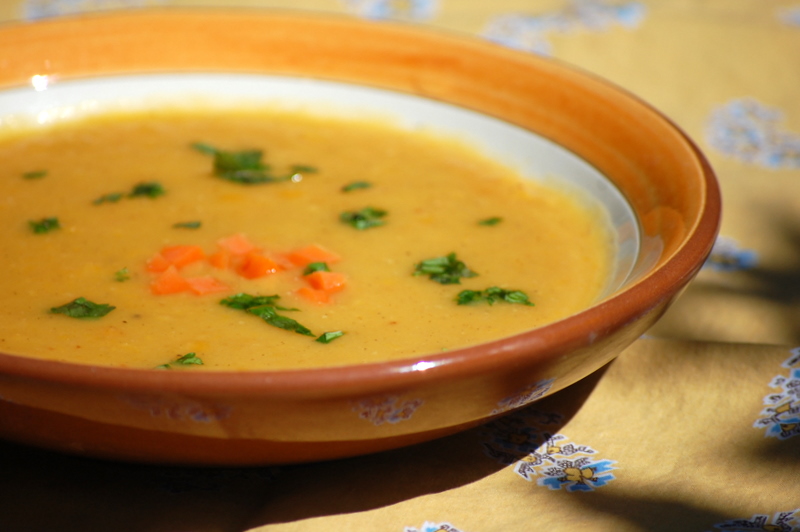
( Picture of dahl soup. Source: Google Advance Image Search.
Creative Commons. The image is used under the terms of Googles Creative Commons rules:http://creativecommons.org/licenses/by/2.0/deed.en. This photograph and credit do not constitute an endorsement of this blog or products mentioned.)

Ayurveda and Milk

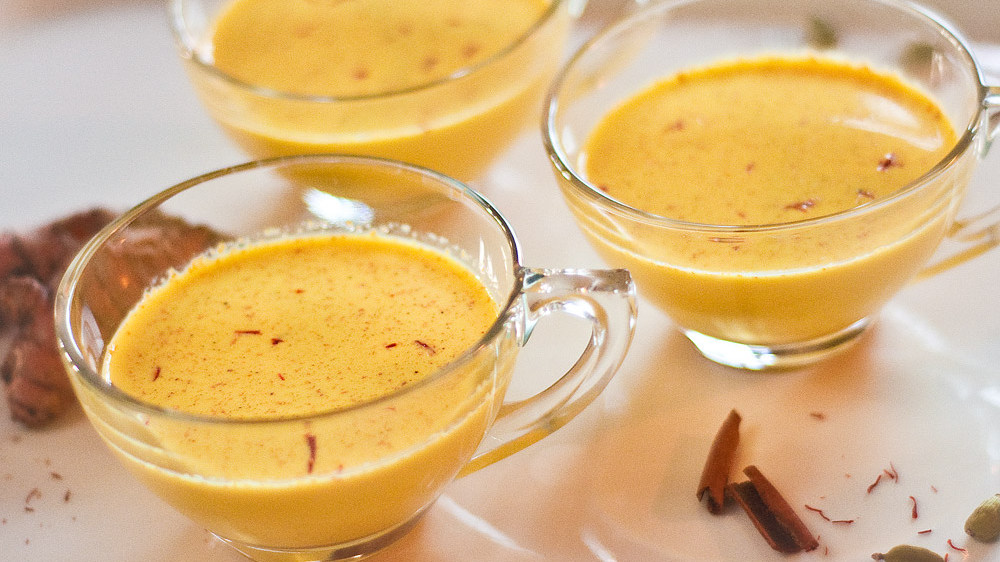
golden-milk-recipe-secret-of-the-ancient-indian-medicineTo drink milk or not to drink milk? Advocates on either side of the milk debate are adamant in their arguments. Funnily enough, Ayurveda agrees with both sides. According to the ancient Ayurveda text book, the Charika Samhita, the misuse of milk turns the nature of milk from sattvic to tamasic. Sattva is a state of lightness, balance and clarity, and, in terms of food, strengthening and nourishing. Tamas, on the other hand, reflects dullness and confusion. By compromising the essential qualities of milk we can turn a health-supporting food into one that can lead to ill health, congestion and allergies.

Ayurveda experts recommend cows milk, taken in the correct manner, as a satvic and nourishing food. Accordingly, milk provides special and unique nutrition that cannot be derived from any other type of food. When digested properly, milk is able to nourish all the tissues within 24 hours. It also helps to balance the doshas, especially Vata and Pitta. It is also one of the most important foods to promote ojas.

Ojas is said to be the refined substance that the body produces at the most subtle level of proper digestion. Ojas brings strength, strong immunity and contentment to the whole mind/body system.

Ayurveda experts point out that many of the problems associated with digesting milk are in fact linked to the way in which milk is consumed and how it is processed. Cold milk, ice cream and cheese are indeed very heavy and difficult to digest. Following a few simple guidelines will help address many of the problems associated with drinking milk.

If you boil milk before drinking it (even if the milk has already been pasteurized) the milk will not only be lighter and easier to digest but it will also create less congestion. Boiling milk is a must, even if you do not have difficulty digesting milk.

In addition, you can add heating spices (such as ginger, turmeric, clove, cinnamon and cardamom) to milk before boiling it. These spices help to enhance our digestive fires and also help reduce Kapha dosha, lessening the tendency toward congestion. An added benefit is that the milk will act as a carrier for the spices, thus allowing the physiology to gain more benefits from the health-promoting herbs.

Milk should never be mixed or eaten with sour, bitter, salty, astringent, or pungent tastes. This means the traditional American lunch consisting of a glass of cold milk with a sandwich should be avoided. Milk should either be taken separately from meals by at least one half hour or taken only with other sweet tastes (such as breakfast cereal, toast, rice, dates, mangos and almonds.) Be careful not to add sour fruits to your breakfast cereal or to drink fruit juices with your cereal. When combined with incompatible tastes, milk becomes indigestible and causes the build-up of harmful toxins in the body.

Dishes made from cooking milk with fish or meat should also be avoided (such as clam chowder).

Milk (or yogurt or cottage cheese) combined with bananas can be extremely difficult to digest and can lead to congestion and head colds.

Ideally any milk that we drink should be organic, whole and non-homogenized. Non-homogenized because homogenized milk is very difficult to digest and can easily clog the finer channels of circulation. Whole milk because the fats in whole milk build and balance the nervous system and act as carriers to deliver the calcium and fat soluble Vitamins A, D3, E and K directly into the cells.

If you are not able to purchase organic milk, however, it is better to drink skim milk, as many hormones and chemicals are fat-soluble and will be transferred into your physiology via the fat.

Even if you do not notice ill effects of drinking milk, if you have a long habit of drinking cold milk or drinking milk along with foods of other tastes, it is probable that you have a build-up of ama, or toxins, in your tissues. This can lead to joint pain, constipation, dullness, lowered immunity, frequent colds and  imbalances that can lead to chronic disorders.

An ayurvedic expert can determine which type of toxin is in the body and where it is located. This is very important, because any treatment plan will be different depending on the type of toxin and where it has settled. For more information on consultations or for information on the detox therapies of Panchakarma, visit website for The Raj Ayurveda Health Spa and Treatment Center:

www.theraj.com


( Picture of turmeric/cinnamon milk. Source: Google Advance Image Search.
Creative Commons. The image is used under the terms of Googles Creative Commons rules:http://creativecommons.org/licenses/by/2.0/deed.en. This photograph and credit do not constitute an endorsement of this blog or products mentioned.)


Keeping Cool with Ayurveda Tips

50262018_524e21b23b_zAccording to Ayurveda, the heat of summer is aggravates Pitta dosha, the metabolic principle responsible for energy production, metabolism and digestion. When aggravated, Pitta can give rise to increased anger, ulcers, rashes and other skin problems.

Pitta season starts in mid-June and lasts until mid-October. During this time you may find that your appetite is not as strong as during the cold months of the year. This is because in the winter the body has to provide its own heat, so the digestive fires burns at its brightest. As the outside heat increases, however, our inner fire diminishes. If you find your appetite is less in Pitta season, listen to what your body is telling you.

You’ll want to drink more liquids during the hot months of summer (room temperature to cool is acceptable, but never ice cold) but it is important not to douse the digestive fires by drinking liquids at the end of a meal.

Sunbathing can increase Pitta and therefore should be minimized. According to modern medicine, sunbathing increases the risk of skin cancer—and that risk is greater among Pitta types or those with Pitta aggravation. If you must be in the direct sunlight, wear a hat and sunglasses. The eyes are one of the five main seats of Pitta dosha and excess heat can accumulate there during the summer.

One way to help control Pitta is simply through diet. Pungent (spicy), salty and sour tastes increase Pitta. Sweet, astringent and bitter tastes reduce Pitta. Whether or not to adopt a Pitta-pacifying depends on your constitution and on any imbalances you might have. A trained Ayurveda expert can recommend the right regimen for you. Remember also that the differences among Ayurvedic diets are matters of degree. Whatever the season, we should always include the six tastes in every meal in order to nourish all of our body tissues.

Seasonal Maharishi Ayurveda purification and detoxification treatments, or Panchakarma, are recommended to keep the doshas from unhealthy levels of imbalance. Imbalance of the doshas arises in six successive states: accumulation, aggravation, dissemination, localization, manifestation and disruption. As long as the doshas don’t get past the accumulation or aggravation stage, we can avoid ill-health.

Once the process goes beyond the aggravation stage, however, some symptoms of disease or disorder may be experienced. The traditional rejuvenation treatments of Ayurveda help remove imbalanced doshas, loosening them from localized areas and eliminating them from the body.

For more information on the traditional detoxification treatments of Ayurveda or for information on consultations with Ayurveda experts, visit The Raj Ayurveda Health Spa and Treatment Center:

www.theraj.com


( Picture of a Rose in Water. Source: Google Advance Image Search.
Creative Commons. The image is used under the terms of Googles Creative Commons rules:http://creativecommons.org/licenses/by/2.0/deed.en. This photograph and credit do not constitute an endorsement of this blog or products mentioned.)

Avoid Allergies and Colds with an Ayurvedic Spring Cleanse

dandelion-111015_640Our bodies are more susceptible to health problems when the seasons are changing because our body functions differently in each season. For example, our agni (or digestive fire) can fluctuate dramatically during the change from hot to cold or cold to hot. Poor digestion can lead to a build up of ama (or toxins) in the body.

This is why respiratory illnesses and allergies are so prevalent in the autumn and early spring. We see this especially in the early spring. As the weather starts to warm up the ama accumulated during the winter starts to melt from our tissues, flooding the tiny channels of circulation (shrotas) and taxing our immune system. Unless our body’s immune system is strong we can become susceptible to bacteria and allergens.

On top of this flood of toxins, the body at this time also has to deal with an accumulation of mucus.  From mid-february to May is the kapha time of the year. During this time wet, heavy, and cold properties begin to dominate the body. The body is responding to the long build-up of vata (from the cold, dry, windy conditions of late fall and early winter) by producing mucus to counter vata’s drying influence.

As the weather switches from cold to warmer termperatures the mucus in the body begins to liquefy. The sticky liquid can cause congestion in the mucus membranes that line our respiratory and digestive tracts, contributing to allergies and sinus conditions.

This is why late winter/early spring is the optimal time to cleanse mucus and toxins from our body. The classical texts of Ayurveda recommend specific detoxification treatments —called “panchakarma”—during the change of seasons.

Spring is nature’s natural detoxification season as the progression of the cold of winter to the warmth of spring triggers a natural process of releasing the winter’s accumulation of fats and toxins. Because our body is already engaged in flushing out toxins and lubricating the channels, going through Ayurveda detoxification treatments at this time provides a boost to the process, allowing for a more thorough and efficient removal of these unhealthy substances.

If you have high cholesterol, a coated tongue, joint pain, constipation, dull skin and eyes, gas, or excess mucus, you have the physical symptoms of ama. You may also feel the build up of ama as fatigue, dullness and/or irritability. Panchakarma treatments help remove years of accumulated ama (along with excess vata, pitta, and/or kapha) and also help to return agni to its normal level of functioning.

Enjoying Panchakarma as an in-residence guest allows the body to get a profound rest. Pluses of an in-residence stay include not having to travel to and from a clinic every day, being protected from weather conditions, and, best of all, complete ease in following a prescribed daily routine and diet, allowing you make the most of the rejuvenation experience. If you don’t have the opportunity for a residential stay, however, day treatments are highly recommended.

Tips for Kapha Season

There are also adjustments that you can make in your home routine and diet that will help you during this winter to spring transition.

1. Sip hot water throughout the day

2. Eat more leafy greens. Favor the kapha-pacifying tastes of bitter, astringent and pungent.

3. Favor organic, fresh foods. Avoid processed foods, cold dairy products, fried and high-fat foods. Remember, light, warm foods counter the cold, heavy qualities of kapha.

4. Put a little zip in your food: spices like ginger, chili, cloves, and pepper help counter the cold quality of kapha.

5. Do not sleep later than 6:00 in the morning. Sleeping into the kapha time of the day can increase kapha qualities in body and mind.

For more information on Panchakarma treatments, visit The Raj web site @

http://theraj.com/allergies/index.php

(Photo of Dandelion. Source: Pixabay. The image is used under the terms of Creative Commons: http://creativecommons.org/publicdomain/zero/1.0/deed.en . This photograph and credit do not constitute an endorsement of this blog or products mentioned.)

Preventing Back Pain with Ayurveda

getty_rm_photo_of_woman_with_lower_back_pain

Have you ever preformed a simple activity like bending over to tie your shoe and suddenly felt stabbing pains in your back? Turns out 8 out of 10 people will suffer from lower back pain at some point in their lives.  While modern medicine pinpoints specific causes of lower back pain —poor posture, lack of muscle tone, strain, and stress — Ayurveda sees back pain as a symptom of vata and kapha imbalances, aggravated by a build-up of ama.

This helps explain why the incidence of lower back pain increases with age. Fifty percent of those over the age of 60 experience lower back pain. According to Ayurveda, when we are 60 and over we are considered to be in the vata time of life. So it makes sense that vata imbalances — and their resulting problems — appear more frequently in these years.

In the case of back pain, vata imbalances interfere with kapha’s ability to support and lubricate the spine. This dryness further aggravates vata and leads to stiffness and pain. Let’s look at this in more detail:

Vata and Kapha Imbalances

Each of the three doshas (vata, pitta and kapha) has five subdivisions called “subdoshas” which control particular functions of the body. One of the subdoshas of vata, apana vata, is related to lower back pain. Apana vata is situated in the lower pelvic area and is responsible for the downward moving aspect of vata relating to elimination and menstruation. Chronic problems such as constipation and painful periods may indicate an underlying imbalance that can end up resulting in lower back pain later in life.

When vata becomes aggravated by stress or fatigue, by traveling, by a cold, dry environment, or by too many cold, dry, rough foods, the increased vata influence in the body affects kapha.

One of the subdoshas of kapha, avalambaka kapha, is located in the lower back and heart. It lubricates and supports the spine and the sacrum. This subdosha can “dry out” when affected by apana vata.

When kapha does not lubricate properly the result is dryness in the joints. This can lead to pain, aches, stiffness, etc. This drying influence may also cause difficulties with elimination and constipation.

Ama

Ama —toxins and impurities that accumulate in body—is another factor to be considered with lower back pain. When vata and kapha are aggravated they mix with the ama, creating either a vata-aggravated ama or a kapha-aggravated ama. The ama can become lodged in the joints, blocking joint movement and interfering with the production of fluid lubricating the joints.  This leads to cracking joints, stiffness, pain, loss of cartilage and overproduced bone growth at the joints resulting in osteoarthritis.

Treatment

Effective preventive treatment for chronic lower back pain should include regular stretching, such as yoga exercises.

The authentic, traditional Ayurveda treatments (Panchakarma) offered at The Raj specialize in removing ama and impurities that have accumulated in the joints and tissues.  They also help balance vata, allowing kapha to once again function normally.

Diet

If you are prone to lower back pain, try to avoid eating vata-aggravating foods such as dry foods and raw vegetables. Also avoid root foods, which not only aggravate vata but also have certain properties that can adversely affect joints. To reduce ama, avoid cheese, meat and heavy, fried, or processed foods. Eat your main meal at noon and take a lighter meal in the evening.

Daily Oil Massage

Pacifying vata is the key to keeping everything else in balance. A simple home oil massage each morning can help soothe vata and also help remove ama from the skin tissues.

Relax

Many people find that their back goes out when they are under stress. In a stressful situation the whole body can tighten, tense, and can easily go into muscle spasm, which can push vertebrae out of place. At The Raj Ayurveda Health Spa and Treatment Center, daily practice of the Transcendental Meditation technique is recommended to reduce stress, thereby reducing incidences of lower back problems.

Now we can understand that while back pain may appear to be caused by some specific activity, there has in fact been a long series of events leading up to that particular moment: an aggravation of vata, a disruption of kapha’s lubricating function and a build-up of ama. The good news is that it is not just an inevitable part of growing old.

For more information on programs at The Raj Ayurveda Health Spa and Treatment Center visit:

http://theraj.com/pain/index.php

 Image provided by Google Advance Image Search, Nacivet / Photographer’s Choice