Ayurveda Spices for a Healthy Heart and Optimal Brain Functioning

ingredients.jpg

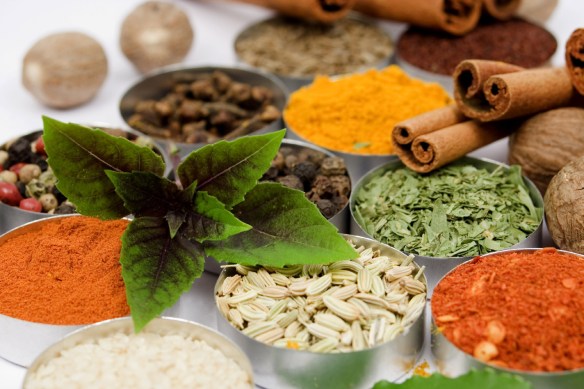
According to Wikipedia “bioenhancers” is a new term that marks a “new chapter in medical science.” The term scientifically established in 1979 after the discovery of the world’s “first” bioenhancer, Peririne. Peririne, by the way, is a compound naturally occurring in black pepper.

By definition, Bioenhances are substances that increase the “bioavailability and bioefficacy” of other substances. Peririne, along with cucumine (found in turmeric), and gingerols (found in ginger) are now being isolated and sold by numerous pharmacutical companies.

This “new” science is in fact age-old wisdom that has long been offered by Ayurveda, the 5000 year old health science of India. Spicing has always been key part of both Ayurvedic cooking and health recommendations. Not only do spices make our meals taste delicious, they help our bodies stay balanced and healthy. Spices help us better absorb nutrients in our food and have been found to be antioxidants, prevent cancer, lower cholesterol and blood sugar, improve memory, flush out toxins, enhance digestion, all while adding a tasty spark to our daily meal. During consultations at The Raj, Ayurveda Health Spa, spice are normally a part of the individualized recommendations given to help restore balanced health.

Let’s look at these “new” bioenhancers:

Pepper

Perinine is found in cracked black pepper. Pepper has been found to help carry nutrition across the blood brain barrier. The blood brain barrier is a layer of tightly packed cells that make up the walls of brain capillaries and prevent substances in the blood from entering the brain. This protects the brain from “foreign substances”, helps maintain a constant environment for the brain and protects the brain from hormones and neurotransmitters in the rest of the body. Because our brain is made up of almost 60% fat, it needs high quality fats to keep the lining of the brain cells flexible so that memory and other brain messages can easily pass between cells. Getting fat to cross the blood brain barrier can be a challenge. If we are using healthy oils in our diet, adding freshly ground pepper helps us make the most both oils and other nutrients. Bioenhancers increase the absorption of oils and nutrients for our body, as well as our brain, supporting cell growth, protecting our organs and helping manufacture hormones in our body.

Perinine also helps strengthens the functioning of the heart and kidneys. It effective against colon cancer and inflammation and generally enhances immunity. Pepper it is very stimulating to the digestive system. It is also inherently heating and should be used cautiously by those with a Pitta imbalance.

Turmeric

Cucumin is found in turmeric, the spice that gives curry its yellow color. Ayurveda considers turmeric a medicinal herb as well as a cooking spice. Recent research has identified the medicinal compounds in turmeric as “curcuminoids”, the most important of which is curcumin.

Curcumin is said to have powerful anti-oxidizing effects. Because of its chemical structure, curcumin can neutralize free radicals. In addition, it supports and boosts the body’s own antioxidant enzymes. Curcumin, however, is poorly absorbed into the bloodstream. To get the most out of turmeric it is recommended that you add freshly ground black pepper to your spice mixture. The piperine in black pepper has been shown to enhance the absorption of curcumin by 2000%.

Curcumin is also anti-inflammatory. Because inflammation and oxidative damage are contributors to many diseases, such as Alzheimer’s, Parkinson’s, arthritis and various cancers, turmeric is gaining world wide interest in the world of science. It has been noted that the prevalence of Alzheimer’s and certain cancers in India is among the world’s lowest. Turmeric has been shown to have an effect in blocking the growth skin cancer, and inhibiting the spread of breast cancer into the lungs.

Curcumin has recently been shown to strengthen and order cell membranes, making cells more resistant to infection and malignancy. There is new evidence that curcumin can help keep away neurogenerative disease through its ability to cross the blood-brain barrier and act as an antioxidant.

Ginger

Ginger is another spice that Ayurveda recommends for its medicinal properties. The active ingredient in ginger is gingerol, a compound that is thought to relax blood vessels, stimulate blood flow and relieve pain. Traditionally ginger has been used as a remedy for poor circulation, colds, flue, arthritis, heart disease, and poor digestion, as well as nausea and motion sickness. Gingerol is a is also potent anti-inflammatory agent, which means it may be useful in fighting heart disease, cancer, Alzheimer’s disease and arthritis. Antimicrobial, anti-inflammatory and anticancer activity have also been reported. Gingerol has been reported to not only reduce pain levels in individuals suffering from osteoarthritis or rheumatoid arthritis, but also to improve mobility.

Ginger is also heating by nature. If you have Pitta imbalances such as ulcers or heartburn, check first with an Ayurveda expert to see how best to use ginger in cooking.

Purchasing Spices

Turmeric, black pepper and ginger are all sold in the supermarkets in ground form. While these products may add  flavor to your food, they are mostly deficient in their health benefits.

Ideally black pepper and ginger should be bought in their whole form and then ground or chopped at the time of cooking. To purchase high quality herbs, visit a local organic grocery or spice shop, or order them from a spice retailer online. Always use organic herbs that have their full range of nutrients and are not irradiated or sprayed with pesticide.


www.theraj.com

Healthy Holiday Eating with Ayurveda

Thanksgiving tends to open the flood gates to six weeks of family feasts and holiday treats. The ancient Indian health science of Ayurveda offers helpful tips on how to make your way though the holidays without gaining weight or over-eating.

Winter cravings

The increasingly colder days of fall bring with them an increase in “vata dosha” — the subtle energy in the body that governs movement. When vata dosha predominates, there is an increase in the dry, rough and cool qualities in the body.  This dryness can disturb various tissues and organs. Many people notice dry skin and lips. Dryness can also occur in the colon or large intestine, leading to constipation. Simultaneously you may find that you develop cravings for heavy, sweet and unctuous foods. This is simply your body’s attempt to balance the increase in vata by increasing kapha. Unfortunately, these heavier foods can also lead to poor digestion and to an accumulation of toxins over the winter, which could result allergies in the spring.

11401476_1607449136203938_187064880063218874_n.jpg

Holiday Eating Tips

The following tips can help you navigate the holiday festivities, pacifying vata dosha while avoiding the weight-gain often brought on by kapha-increasing foods.

  1. At the start of the holiday season, consult an Ayurvedic expert to see if you have any nutritional deficiencies or imbalances. If these are left untended, you may find yourself at the mercy of cravings and compulsive eating.
  2. When you first arrive at a gathering, request a cup of hot water. This will help to pacify vata and will help you avoid mindless eating. Additionally, people often mistake thirst for hunger. If you are well hydrated, you will feel less compulsion to eat. Drinking plain hot water throughout the day is a simple Ayurvedic secret for improved health.
  3. Always sit down at a table to eat. Don’t eat if you are standing or moving.
  4. Whenever you eat, give eating your full attention. Enjoy your food — even if you are eating something “naughty”! Eating mindlessly does not allow you to properly taste, experience, or digest your food. As a result, even if you are full, you will feel unsatisfied and want to eat more later.
  5. Learn about the six tastes: sweet, sour, salty, pungent, bitter and astringent. Each taste satisfies a different need. Missing one or more of the tastes can result in cravings. Try to have all six tastes at each meal. If this sounds daunting, there are spice combinations (churnas) made specifically for this.
  6. Favor warm, cooked foods. If you want to indulge in heavier foods, do so during the day, when your digestive “fire” is stronger. Try to keep evening meals light, favoring soups and cooked vegetables.
  7. Try to take small portions. Ideally you should feel refreshed and energized after eating, not dull. Over-eating compromises digestion. When you overeat, even though you ingest more than you need, your body actually assimilates less. This can result in nutritional deficiencies, perpetuating cravings and the habit of overeating.

Eating with full attention and enjoyment improves digestion. It settles and strengthens your entire system. This can have far-reaching health benefits seemingly unrelated to nutrition.

If you find that you have over-indulged during the holidays, consider enjoying traditional Ayurvedic detoxification treatments, called Panchakarma, in January or February. The soothing oils used in the treatments help detoxify body fat and the recommended treatment diet is the perfect way to get back into healthy eating habits.

Learn more about Ayurveda treatments for weight gain and detoxification at

http://www.theraj.com

Can Ayurveda Help with Baldness or Thinning Hair?

Baldness is often purely hereditary; when that is the case, baldness in and of itself is not indicative of imbalance. But baldness can be aggravated by (and sometimes caused by) imbalances in the physiology, which Ayurveda can help remove.

In either case—heredity or imbalance—baldness is generally related to Pitta dosha, the dosha associated with heat, transformation and metabolism. Those with strongly Pitta constitutions are especially prone to baldness. They can aggravate this tendency through overuse of salt, heavily spiced food, fermented foods, tea or coffee, alcohol and red meat. Excess exposure of the head to the sun or to hot water can also increase Pitta. Even anger can have the same effect.

To reduce Pitta imbalances, try to identify aspects of your diet and lifestyle that may be aggravating Pitta. Take Pitta-pacifying steps, such as wearing a hat on hot days, avoiding exercise during the hot time of the day, and following a Pitta-reducing diet. Massaging the head daily with coconut oil or some other cooling oils can have a soothing effect not only on the scalp, but also on the head as a whole.

Increase fresh foods that are rich in vitamins and minerals. Increase amounts of carrots, alfalfa and green, leafy vegetables, and fresh sweet, juicy fruits. Avoid junk foods and refined sugars. Be sure you are drinking plenty of room temperature water.

There are, of course, other causes for thinning of the hair, such as high stress, thyroid imbalance, high fever, sudden weight loss and certain drugs. If you are experiencing sudden hair loss, you should see a doctor.

Look also to your digestion. According to Ayurveda, hair is the product of the creation of bone tissue (Asthi). Any disturbance in the metabolism of Asthi will affect the health of your hair. Since the quality of the creation of our tissue depends greatly on the quality of our digestion, to some degree, healthy digestion is associated with healthy hair.

Many times poor digestion can be associated with an imbalance in Vata dosha. Imbalanced Vata can also work to “fan” or increase Pitta imbalances.

Premature graying is related to the same Vata and Pitta factors. Some of the treatments used in Panchakarma, the traditional Ayurveda purification and detoxification therapies, can be helpful for grey hair. These include Shirodhara and Nasya.

If you are suffering from graying or thinning hair, a consultation with an Ayurveda expert can help you determine what steps you to manage your symptoms. They can also identify which oils will be best for daily head and scalp massage, and whether a Vata-pacifying or Pitta-pacifying approach will be most helpful.

www.theraj.com

Ayurveda and Hypertension

While hypertension (high blood pressure) is treatable, each individual has his or her own unique way of manifesting symptoms — and Ayurveda understands this uniqueness. An Ayurveda consultation that includes the ancient technique of pulse assessment is necessary to determine the specific imbalances that are causing hypertension in any one individual. But everyone can benefit from the approaches of Ayurveda.

Foremost among these approaches is the Transcendental Meditation (TM) technique.

A 1991 study of African-Americans (who are three times as likely to suffer from hypertension as the rest of the population) found that the blood pressure of those who practiced the TM technique was reduced by twice as much compared to a group who practiced a muscle relaxation technique. And blood pressure actually increased slightly in another group that followed the usual recommendations for reducing hypertension.

In 2013, a report from the American Heart Association concluded that the TM technique lowers blood pressure and recommends that that specific meditation may be considered in clinical practice for the prevention and treatment of hypertension.

The purpose of the report, entitled “Beyond Medications and Diet ­Alternative Approaches to Lowering Blood Pressure: A Scientific Statement From the American Heart Association,” was to inform physicians which alternative approaches to lowering blood pressure (BP) have been shown by research to be effective.

After considering meta-analyses and the latest clinical trials on different types of meditation, the report stated that while TM is recommended to lower BP, there is not enough scientific evidence to recommend other meditation or relaxation techniques.

The National Institutes of Health has granted over $20 million to study the effects of TM practice in preventing and treating heart disease, high blood pressure, and stroke.

Lifestyle Changes to Help Hypertension

In addition to practicing the TM technique, general recommendations for anyone suffering from hypertension include:

Make sure your midday meal is relaxed and substantial (this should be the largest meal of the day). If the midday meal is rushed, digestion will be incomplete and the body will not be prepared for the more hectic second half of the day. This will put pressure on the nervous system and exacerbate the symptoms of high blood pressure.

Follow a good Ayurvedic routine: rise during Vata time or at least at the beginning of Kapha time in the morning (Kapha starts at 6:00 a.m.), go to bed by 10:00 in the evening. Eat regular meals. Exercise regularly, but do not over-exercise.

These life-style changes are the first line of defense against hypertension and create the foundation for any other approach dietary or herbal approach. This is because stress can put extreme pressure on the sympathetic nervous system to the point of creating an anti-stress response. The anti-stress response triggers stress-fighting adrenal hormones, which increase heart rates, and put pressure on both the nervous system and circulatory system. This pressure aggravates both Vata and Pitta dosha.

For more information on Ayurveda programs for hypertension, visit The Raj Ayurveda Health Spa website:

www.theraj.com

Cooling Summer Recipes

In the hot, sticky days of summer it is natural to think of ice cream and cold drinks. It is also natural to opt for salads and raw vegetables to avoid cooking over a hot stove. But these habits can lead to poor digestion and a build-up of ama that could make one susceptible to allergies in August and September and cause fatigue and lethargy. Remember, when the outside temperature is hot, our own internal fire diminishes, and with it, our ability to digest food.

(Raw fruit is fine to eat: Ayurveda considers ripe fruit to be “cooked” by the sun. Sweet, ripe fruits that are not high in acids are best in the summer months.)

Avoid iced drinks and food, especially with a meal. Slightly steaming your vegetables will allow you to pull more nutrients from your food. Eating raw vegetables requires a robust digestive fire.

And, of course, follow the traditional Ayurveda recommendations for balancing Pitta: favor foods that are cooling and liquid. Minimize foods that are spicy. Increase tastes that are sweet, bitter, or astringent. Minimize foods that are spicy, salty or sour.

asparagus-685269_640

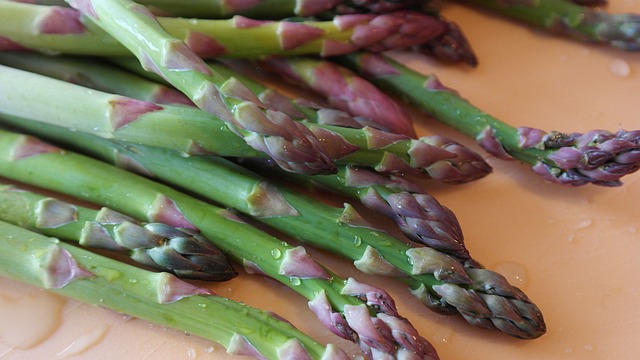
Asparagus and/or Carrots with Lemon-Herb Sauce

Steam your chosen amount of asparagus and/or carrots to a “fork friendly” quality. This means a little more cooked than “al dente” but not mushy. Then pour the following lemon-herb sauce over the vegetables.

Lemon-Herb Sauce

(Increase recipe for larger amounts of vegetables)

Juice one lemon

I pinch of salt

1 tablespoon honey (Use unheated honey only — remember that heating honey makes it toxic. Check the label on your honey to make sure it says “unheated”.)

Put in blender with a few leaves of fresh basil and mint. Puree until smooth.

Try this easy, Pitta-pacifying dessert:

Poached Peaches with Berry Coulee

Blanch peaches in boiling water. Remove skins. Blend raspberries and strawberries until smooth. You can add sugar or honey to the berries before you blend them, per your own taste. Spoon the mixture over the poached peaches. Garnish with mint leaf.

www.theraj.com

Healthy Tips for Summer

As the official beginning of summer is approaching, temperatures are already heading upwards. The lazy, hazy, crazy days of summer can be a delight if we stay cool. According to Ayurveda, sizzling summer weather can cause Pitta dosha—the metabolic principle that governs health and metabolism—to increase in our body. Heat rashes, ulcers, acid indigestion, irritability and anger are just a few problems caused by too much Pitta.

Try these tips to beat the heat and feel your best during the Pitta season, which lasts from June to October.

DIET

Eat More:

Cool foods and drinks. (But avoid ice-cold or carbonated drinks, as these inhibit digestion, which tends to grow weaker in the summer.)

Fresh, organic foods and pure water.

Sweet foods such as milk, cream, wheat products, rice, sweet and ripe fruits, and sweeteners like raw sugar (in moderation).

Astringent (dry) foods such as beans, split mung dal, broccoli, cauliflower, apples, pears, and pomegranates.

Bitter foods such as romaine lettuce, endive, spinach and other leafy greens.

Eat Less

Oily, heavy foods.

Eat less food in general. You’ll likely find that your digestion naturally slows down in warm weather, to counter the rising heat of the environment. You’ll feel healthier if you eat lighter during the summer months.

Sour foods, such as yogurt, sour milk, cheese, tomatoes, vinegar and sour grapes.

Pungent (hot) foods, such as chili pepper, salsa, cayenne, ginger, onions and garlic.

Salty foods.

LIFESTYLE

Do

Protect yourself from the sun by wearing a hat, sunglasses and sunscreen.

Opt for light colored, natural fabrics like cotton and linen.

Stay hydrated! Room temperature drinks are ideal. Pure water, tepid herbal teas and coconut water will help refresh the entire physiology.

Keep the temperature cool when you are indoors.

Take it easy in the summer. It is the season to relax and enjoy nature’s beauty.

Avoid the mid-day sun. Evening walks are highly recommended.

Enjoy cooling aroma oils such as lavender, sandalwood, and rose.

Don’t

Over-exercise. You’ll want to choose milder exercise and avoid getting overheated. Cooling sports like swimming are ideal.

Sunbathe for long periods. The noonday sun can be damaging during the summer months.

Avoid caffeinated drinks. Caffeine is both stimulating and dehydrating.

Consider switching to coconut oil for your morning massage. Coconut oil is cooling by nature.

Remember, these are general tips that address the basic principle of reducing Pitta dosha in the summer months. Consider getting an Ayurveda consultation in order to receive individualized recommendations that address your specific imbalances and concerns.

www.theraj.com

Maharishi Gem and Light Therapy: Harnessing the Healing Power of Gems

In 2008 The Raj began offering Maharishi Light Therapy with Gems, a unique form of light therapy which offers a profound level of the mind-body healing.

lightTherapyTreatment

Light therapy is not, in and of itself, a new approach to healing. It is commonly used in hospitals and clinics around the world as an accepted treatment for many mood and sleep disorders, depression, seasonal affective disorder, and even some skin diseases,

According to Richard J. Wurtman, a nutritionist at the Massachusetts Institute of Technology, “…light is the most important environmental input, after food, in controlling bodily function.” Several experiments have shown that different colors affect blood pressure, pulse and respiration rates as well as brain activity and biorhythms.

Alexander Schauss, director of the American Institute for Biosocial Research, is impressed with the degree that color has a direct physiological impact. “The electromagnetic energy of color”, Schauus says, “interacts in some still unknown way with the pituitary, pineal gland and the hypothalamus, deep in the brain, These organs regulate the endocrine system, which controls many basic body functions and emotional responses, such as aggression.”

The unique aspect of the light therapy available at The Raj is that it uses “beamers” or light projectors that contain high quality gemstones, such as diamonds, emeralds, rubies, and blue and yellow sapphires. When a suitable light shines through the gemstones, the molecular characteristics and healing properties of the stones get imprinted in the specific frequencies of transmitted light, which are then transferred to the body—enlivening the body’s innate intelligence and healing mechanisms.

The specified areas of the body bathed in the soft coherent light of the gemstones during Maharishi Light Therapy with Gems are those associated with underlying nerve centers— the body’s epicenters of intelligence.

Keith Wegman, an MLG practitioner at The Raj explains, “The light frequencies act as a carrier for the orderly structure of the gems. They resonate with the subtle frequencies of our physiology and trigger profound self-healing and self-repair.”

The equipment used in MLG treatments was developed over a period of 30 years by Dr. Yoachim Roller, a German gemologist, under the direct guidance of Maharishi Mahesh Yogi, who founded the Transcendental Meditation® technique and Maharishi Ayurveda.

The treatments are offered on two levels: with “Regular beamers” and with “Big beamers”. The Big beamers, a later development and refinement of the technique, contain 12 gems within each beamer, with a total of 145 gems used in the treatment. The Raj is one of only two facilities in the world that offers the Big beamers as well as the Regular beamers.

“The Big Beamers have a unique ability to transform any rigidity or obstruction to the flow of energy in the physiology,” Mr. Wegman said. “The transformation is more significant than with the regular beamers because the body is being submerged in profound coherence. All the frequencies in the body adjust to that. The more powerful orderliness of the large beamers takes over any disorder, restoring balance in previously weak or compromised areas of functioning.”

Mr. Wegman adds, “Gems are crystalline structures that are as old as our planet. Their inherent intelligence and orderliness resonates with the inherent intelligence and orderliness in the physiology, and that produces the profound results for mind and body that thousands of people have already experienced.”

In combination with other natural and holistic approaches of Maharishi Ayur-Veda, the Maharishi Light Therapy with Gems can prevent imbalances in the physiology and help develop the full potential of the mind/body system.

For the current monthly special on Maharishi Light Therapy with Gems, please contact The Raj Maharishi Ayurvedic Health Spa in Fairfield, Iowa

HEALTH BEGINS HERE  www.theraj.com

Pesticides Linked to Autism and Male Infertility

Every year almost a billion pounds of pesticides are sprayed in fields and orchards across the US. Even with the the growing demand for organics, 85% of cropland relies on herbicides. While this rampant use of pesticides increases the heatlh risks for our entire population, the most far reaching effects are on our children. John F. Kennedy once said, “Children are the world’s most valuable resource and its best hope for the future.” Clearly today’s farming practices are putting our future at risk.

Last month, two studies were released that looked into the effects of pesticide exposure. One found a drop of one-third in normally formed sperm in men with high levels of pesticide. The pesticides were specifically linked to the consumption of “conventional” (non-organic) fruits and vegetables. This is not the first study to suggest a link between pesticides and male infertility.

The second study linked a one-third higher rate of autism to children of mothers who had been exposed to pesticides while pregnant. In this case they looked primarily at spray drift from agricultural fields.

puzzle-210786_640

A senior researcher at MIT, Stephanie Seneff, PhD, declared at a conference last December, “At today’s rate, by 2025, one in two children will be autistic.” Dr. Seneff noted that the side effects of autism closely mimic those of glyphosate toxicity, and presented data showing a remarkably consistent correlation between the use of Roundup on crops (and the creation of Roundup-ready GMO crop seeds) with rising rates of autism.

These studies join a myriad of previous studies that link pesticides to a variety of acute and chronic health problems, including asthma attacks, respiratory irritation, headaches, nausea, diarrhea and dizziness. Because these symptoms appear similar to symptoms of other illnesses, such as “the flu,” they are often misdiagnosed. And because many pesticides are fat-soluble, they can remain in the body for years. Multiple scientific studies link pesticides to cancer, birth defects, nervous system disorders, and immune deficiency

Many researchers feel that kids today are sicker than they were a generation ago. A growing body of scientific evidence points to pesticides as a reason why. Researches point out that “Children are not ‘little adults’.” Children’s vulnerability to pesticide exposure is increased by their greater cell division rates and early stage of organ, nervous, reproductive, and immune system development. In addition, pesticide concentrations in their fatty tissues may be greater because their fat as a percentage of total body weight is lower.

What can be done to protect our children — and our children-to-be?

GO ORGANIC

The first thing anyone who is a parent or is thinking of becoming a parent should do is to start buying organic food. Most grocery stores these days have an organic section. If you cannot afford to go completely organic, at least get to know the “Dirty Dozen”. These are fruits and vegetables with the highest pesticide residues. By choosing organic versions of this food or by avoiding these foods completely, you can reduce your pesticide consumption by almost 80%.

The Dirty Dozen

Apples

Strawberries,

Grapes

Celery

Peaches,

Spinach

Sweet bell peppers

Nectarines

Cucumbers

Cherry tomatoes

Snap peas

Potatoes

DRINK PURIFIED WATER

It is a pretty well established fact that we have pesticides in our tap water. Pesticide residues leach into our water supply from farms, neighborhood homes and city parks. Filtering water is not the same as purifying it. Research your options for clean, pure water.

AVOID ADDING CHEMICALS INTO YOUR HOME AND GARDEN

There is a reason why the market for organic clothes, furniture, paints, building materials and household cleansers has exploded. Conventional cotton farming takes up 3% of the world’s farmland and uses 10% of the world’s pesticides. Most non-organic fabrics (for clothing and furniture) undergo significant processing that involves petrochemical dyes, formaldehyde to prevent shrinkage, volatile organic compounds, dioxin-producing bleach and chemical fabric softeners. Again, do your research, especially if a baby or young child is in the house.

INVEST IN YEARLY PANCHAKARMA TREATMENTS

While the traditional detoxification and purification treatments of Ayurveda may not be the advised for children, anyone planning on conceiving should consider a 6-month purification plan that includes these pesticide-removing treatments. Panchakarma is the only proven approach to removing fat-soluble chemicals from the body. Research has shown that a 5-day course of treatment can remove 50% of toxins such as DDT, PCBs and dioxins from the body.

The Raj has offered an Ayurvedic Pre-Conception program for over 20 years. The program involves very specific diet and lifestyle recommendations, herbal formulations and Panchakarma treatments. For more information, contact The Raj Ayurveda Health Spa:

www.theraj.com

Getting the Most Out of Your Vegetables

Last week I discussed the debate over eating vegetables raw or cooked. According to Ayurveda, this decision is best made with an understanding your body type, level of imbalance, and quality of digestion.

It also turns out that certain vegetables only offer their full nutritional value when they have been cooked. Whether or not you are a raw food enthusiast, it is good to know how to get the most out of your vegetables.

It is important to note that when I refer to cooking vegetables, I am usually referring to steaming for 4 or 5 minutes. Mushy, over-cooked vegetables are not going to provide many healthful nutrients. Boiling vegetables removes many important minerals and nutrients.

Cooking vegetables reduces the mass of the vegetable, concentrating more nutrients with less bulk. Bitter greens like spinach and kale are generally more edible when cooked, because cooking also eliminates the oxalic acid, which interferes with calcium absorption.

Cooking significantly improves the digestibility and bioavailability of starchy foods such as potatoes and yams, squashes. This is also true with grains, and legumes.

green-beans-315805_640

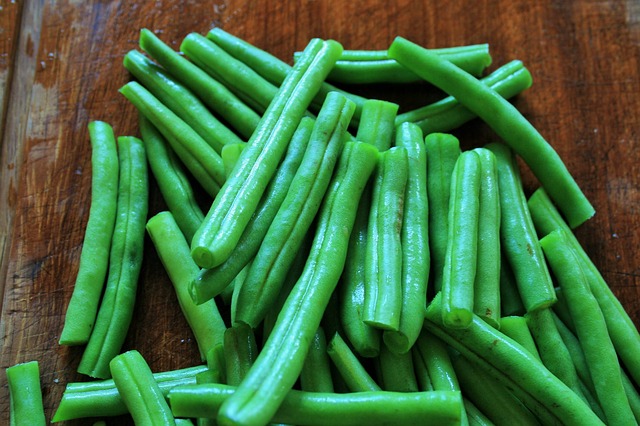
Green beans always need to be cooked until soft otherwise they are actually toxic. Raw beans are poisonous because they contain prussic acid, which is deactivated only by cooking.

Cooked carrots, spinach, asparagus, cabbage, peppers supply more antioxidants, such as carotenoids and ferulic acid, to the body than they do when raw,

Mild heating, such as steaming, appears to improve the extractability of beta-carotene from vegetables, and also its bioavailability. Beta-carotene absorption can be as low as 1-2% from raw vegetables such as carrots.

Lycopene in tomatoes is thought to be responsible for reducing the risk of some cancers and heart disease. Studies have shown that the absorption of lycopene is greater from cooked tomatoes. However cooking tomatoes can destroy other vitamins, so it is good to include raw tomatoes in one’s diet as well as cooked tomatoes.

Steaming asparagus ignites its cancer-fighting potential.

If you have any questions about which form of vegetables is best for you, check with an Ayurveda expert in your area. Ayurveda pulse assessment will reveal what kinds and forms of vegetables will be most helpful in creating a healthy balance for your mind/body system. Ayurveda recognizes the unique differences of each individual. In order to correctly determine our optimal requirements it is important to understand our level of balance and imbalance. For information on Ayurvedic consultations, visit The Raj Ayurveda Health Center

www.theraj.com

Barley: The Ultimate Kapha-Reducing Grain

220px-Lemon_Barley_Pilaf

Barley is an ancient grain first cultivated in the Fertile Crescant area of West Asia and in Tibet. Not only is barley the best grain for balancing Kapha dosha, it is also beneficial for Pitta-types as well.

Mildly astringent, barley has a slightly drying effect, is diuretic in nature (helping to clear fluids from the body) and can help improve sluggish digestion. Ayurveda recommends organic, raw barley as opposed to pearl barley. Barley is considered one of the “good” carbohydrates because it is high in soluble fiber content and is slow to digest, thus reducing spikes in blood sugar levels after a meal.

As with many high fiber foods, barley helps to increase the release of bile from the liver and gall bladder, aiding fat metabolism. High fiber foods also tend to appease the appetite longer, eliminating the urge to snack after a meal.

Barley helps soothes irritated, inflamed bowels and its fiber has been shown to repair the intestinal lining. Barley (along with whole-grain wheat, and rye) contains alkylresorcinols, a phytochemical that is an active antioxidant. Research suggests these grains have a protective effect against diabetes and ischeaemic stroke, as well as having anti-carcinogenic effects. There are also indicators that these grains work as natural regulators of excessive fat accumulation.

Barley water is effective in balancing weight and supporting healthy kidney functioning. Below the barley soup recipe you’ll find a recipe for barley water. With the advent of spring, those with Kapha imbalances and those who have gained weight over the winter may want to reduce their intake of rice and wheat and start including more barley in their diet.

Hearty Barely Soup

1/4 cup each minded fresh parsley

1/4 teaspoon rosemary

1/2 teaspoon basil

1/2 teaspoon oregano

1/2 teaspoon thyme

1 celery stalk, diced

1 carrot, diced or grated

1 tablespoon ghee (clarified butter)

5 cups vegetable stock or water

1/4 cup barley

1 turnip, cut into small pieces

1 bay leaf

salt and pepper to taste

Saute the parsley, rosemary, basil, oregano, thyme, celery and carrot in the ghee slowly for 10 minutes. Add the vegetables to the stock. Add the barley, turnip and bay leaf. Bring to a boil. Cover and reduce heat. Simmer for 1 and 1/2 to 2 hours. Season to taste with salt and pepper. This recipe makes about 6 cups of soup.

Barley Water Take 14 parts water and 1 part barley. Boil for 1 and 1/2 hours. Strain out the barley and pour the liquid into a thermos. Sip throughout the day. You’ll want to make this fresh daily

Spring is a good time to schedule a consultation with an Ayurvedic expert to help determine your state of balance and imbalance, and to see if ama has accumulated in your physiology over the winter months. For more information on Ayurvedic consultations, visit The Raj Ayurveda Health Spa:

www.theraj.com