

Are Night Owls Lazy Owls While Early Birds Stay in Shape?

OLYMPUS DIGITAL CAMERAAccording to a new study from the Academy of Sleep Medicine, night owls tend to be more sedentary and feel that they have a harder time maintaining an exercise schedule.

“We found that even among healthy, active individuals, sleep timing and circadian preference are related to activity patterns and attitudes toward physical activity,” said lead researcher Kelly Glazer Baron, associate professor of neurology and director of the Behavioral Sleep Medicine Program at the Feinberg School of Medicine.

“Waking up late and being an evening person were related to more time spent sitting (particularly on weekends) and with difficulty making time to exercise… Even among those who were able to exercise, waking up late made it perceived as more difficult.”

To anyone who knows about Ayurveda, this makes total sense. From an Ayurveda perspective, sleeping into the Kapha time of the day allows the heavy, slow, lethargic qualities of kapha to influence our mind/body system. Let’s examine the mechanics of this phenomenon.Alarm_Clocks_20101107a

According to Ayurveda there are three time periods in every twelve hours: Vata, Pitta, and Kapha. The Vata dominated period is from 2 until 6, the Kapha from 6 to 10, and the Pitta from 10 to 2. The cycle repeats itself in the next twelve hours, so that there are two Vata times, two Kapha times, and two Pitta times each day, one during the daytime and one during the nighttime.

Quickly reviewing the qualities of the doshas:

Vata dosha is a combination of air and space. Vata’s qualities are light, mobile, dry, cold, erratic and subtle.

The Pitta dosha is comprised of fire and water. Pitta’s qualities are hot, sharp, light, and intense.

The Kapha dosha is comprised of earth and water. Kapha is heavy, steady, dull, stable, soft, and static.

We know that the doshas exist not only within our bodies but throughout all the world around us. Our bodies experience increased balance and ease of functioning when we follow a daily routine that is in tune with the natural rhythms of the day.

To stay in sync with the cycles of nature, we should go to bed before 10:00 so that we take advantage of the slow, stable and heavy quality of Kapha time, which is ideal for falling asleep. Following the same reasoning, we want to rise before or near to 6:00 am, taking advantage of the light, energetic quality of Vata time. If we extend our sleep into Kapha time, we bring that heavy, dull quality of Kapha into our waking hours. Sleeping as late as 8:00 or 9:00 am can make us feel sluggish —and it makes sense that exercise would be perceived as uninviting.

As we discussed in last week’s blog, increasing the influence of Kapha, especially during the spring and summer, can lead to an accumulation of ama throughout the body. If you are find that you have gotten into bad habits in terms of bedtimes and rising times, and notice any increasingly sedentary habits, it’s time to take steps to reset your daily routine before serious imbalances develop.

For tips on resetting your sleep schedule, visit our February post, Time to Wake Up.

For information on consulting an Ayurveda expert or information on the balancing and detoxifying treatments of Ayurveda, visit The Raj, Ayurveda Health Spa and Treatment Center.

WWW.THERAJ.COM


( Picture of sleepy owl. Source: Google Advance Image Search.
Creative Commons. The image is used under the terms of Googles Creative Commons rules:http://creativecommons.org/licenses/by/2.0/deed.en. This photograph and credit do not constitute an endorsement of this blog or products mentioned.)

( Picture of alarm clock. Source: Google Advance Image Search.
Creative Commons. The image is used under the terms of Googles Creative Commons rules:http://creativecommons.org/licenses/by/2.0/deed.en. This photograph and credit do not constitute an endorsement of this blog or products mentioned.)

Foods with Zip: Ayurveda Tips for More Energy

If you are living in an area where winter is still transitioning into spring, you are experiencing the end of Kapha season. And while you may have lots of plans for activities such as gardening or exercising, some people may find that the season’s accumulation of kapha produces feelings of lethargy or depression. While we all might notice a bit of these symptoms, an individual with a predominant Kapha dosha will notice it much more.

This is a time when we might want to pay special attention to our diet to include energizing foods. Ayurveda has traditionally classified certain foods as either energizing (sattivic) or energy-draining (tamasic). Tamasic foods drain your energy because they are difficult to digest, produce impurities in your body and contain little vitality.

Here are Ayurveda food tips for boosting your energy levels:

Energizing (Sattvic) Food

Fresh fruit and vegetables

Juice made from fresh fruit and vegetables

Sweet dairy products such as milk and ghee (ideally organic)

Freshly prepared yogurt

Rice and wheat products such as bread, pasta and barley

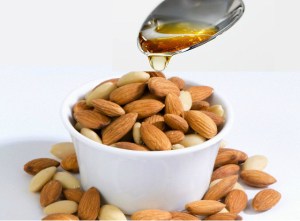
Honey (unheated)almonds and honey

Raisins, dates, figs

Almonds

Olive oil

Split mung beans

Energy Draining (Tamasic) Foods

Red meat

Aged or fermented foods, including vinegar, pickled foods, and sour cheeses such as Swiss and cheddar. (Most sweet cheeses, such as cottage cheese, farmer’s cheese, mozzarella and ricotta are not tamasic.)

Smoked foods

Leftover foods

Frozen, canned and packaged foods

Onions and garlic

Mushrooms

Vegetables that grow below the ground (except for carrots and beets, which are energizing foods.) Potatoes are mildly energy-draining

Alcohol

Coffee (surprisingly!)

The old adage “You are what you eat” does not just refer to vitamins and proteins. Choosing primarily sattvic foods will affect rev up your energy levels and help maintain a balanced, happy state mind and emotions.

Visit an Ayurveda expert to learn more about the specific foods that will help create perfect balance in your individual physiology. The times of seasonal changes can be challenging to  our bodies and this is the perfect time for purification and dietary alertness.

www.theraj.com


( Picture of honey and almonds. Source: Google Advance Image Search.
Creative Commons. The image is used under the terms of Googles Creative Commons rules:http://creativecommons.org/licenses/by/2.0/deed.en. This photograph and credit do not constitute an endorsement of this blog or products mentioned.)

Time to Wake Up!

sunrise-226699_640With the onset of the kapha time of the year (the cold, rainy, and damp days of late winter and early spring) it is important to get in the habit of rising early in the morning. During vata season (late fall through early winter) we can get away with sleeping into the kapha time of the day. Vata has been increasing in our mind/body system and a little kapha influence can be grounding. But when we move into kapha season, hitting the snooze button can create imbalances that could open the door to spring allergies and colds.

Most of us already know the basic  24-hour cycle of vata, pitta and kapha. Every day there are two cycles of change, one from 6.a.m. to 6.p.m. and the other from 6 p.m. to 6 a.m.  Within each 12- hour cycle there are three 4-hour periods that are dominated by one of the three doshas; vata, pitta or kapha.

Cycle 1

6:00 a.m. to 10:00 a.m. is kapha time

10:00 a.m. to 2:00 p.m. is pitta time

2:00 p.m. to 6:00 p.m. is vata time

Cycle 2

6:00 p.m. to 10:00 p.m. is kapha time

10:00 p.m. to 2:00 a.m. is pitta time

2:00 a.m. to 6:00 a.m. is vata time

As kapha season progresses you’ll notice that the sun starts to rise earlier and earlier. That makes it important to go to bed earlier at night so that you are falling asleep in the drowsy, heavy time in the evening, before 10:00 p.m.

While the evening kapha cycle is perfect for heading to bed—and falling asleep—the morning kapha cycle is not a good time for sleeping in. If you sleep too long into this time period your mind/body system gets suffused with the dull, slow, heavy qualities of kapha. You’ll find that you feel dull and tired throughout the day. This habit also results in a build-up of impurities (ama), which predisposes you to allergies and congestion. This is influence is magnified during the cold, wet, kapha season.

On the other hand, if you wake up at 6:00 am (or before) you will feel more vata qualities (energy, vitality and alertness) throughout the day.

Begin by adjusting both your bedtime and rising time 15 minutes every week. If you are an extreme night owl, start with going to bed one half-hour earlier. Remember the adage, “the day begins the night before”.

Even if you miss your bedtime target, maintain your new rising time faithfully. Use an alarm clock if necessary.

Continue this plan until you get in the habit of rising at 6 or 6:30. After a few weeks of rising at this early hour you will start becoming attuned to the cycles of nature and may find yourself yawning and thinking fondly of heading to bed at the proper time (during the kapha cycle of the evening). When we can attune our physiologies to nature’s rhythms we will fall asleep more easily, rest more deeply, wake up feeling light and refreshed, and enjoy energy and well being throughout the day.

The classical texts of Ayurveda suggest that the transition from vata season to kapha season is the ideal time to visit an Ayurveda expert or to schedule Panchakarma (Ayurveda detoxification and rejuvenation treatments). For more information visit The Raj website:

http://theraj.com/rajoffers/details.php

Tips for Kapha Season

rose-144122_640As the weather changes from winter to spring (vata season to kapha season) you may notice changes in both your mind and body. Nature is waking up and you too may feel the need to get out, exercise and get started on new projects. You may also find yourself falling ill with a cold or flu.

Here are some tips for kapha season to help you make a healthy, balanced transition from vata season.

1. You should have already been favoring warm, cooked foods during vata season. Continue this trend. Both vata and kapha are characterized by the quality of cold. During kapha season, add a bit more spice to your meals. Chili, curry, turmeric, cayenne, and mustard seed are all helpful spices.

2. Again, as you should have been doing in vata season, drink hot drinks throughout the day. During kapha season you may want to switch to a more stimulating tea — perhaps one with ginger.

3. Substitute honey for sugar. Raw, unheated honey is very effective in reducing kapha. (Caution: never bake with honey. Heated honey creates a toxin that clogs the channels of the body and is difficult to remove.)

4. Favor the grains quinoa and barley instead of rice and wheat.

5. Cut down on simple carbohydrates (sugar, white flour, candy, chocolate, cake, jam, soda and packaged cereals) and favor complex carbohydrates. Foods that contain complex carbohydrates include spinach, yams, broccoli, peas beans, whole grains, zucchini, lentils, and skimmed milk. Complex carbohydrates act as the body’s fuel and contribute significantly to energy production. This is the time of year when it is most important to get moving.

6. Favor foods with astringent, bitter and spicy tastes. A few examples of foods with these tastes are:

Astringent: legumes, beans, lentils, pear, apple, pomegranate, quinoa, tofu

Spicy: chili peppers and curry powder

Bitter: dark leafy greens, turmeric, barley, basil

7. Take steps to enhance your digestion. Digestion tends to be sluggish at this time of the year. A thin slice of ginger topped with a bit of fresh lemon juice taken 15 minutes before a meal will insure that your digestive enzymes are primed to make the most of your food. After you are finished eating, sit quietly for a few minutes to allow your digestion to continue its job undisturbed.

8. Be consistent with your morning oil massage. This is the season when then body naturally begins to detoxify. The skin is one of the main organs of purification in the body. Not only are toxins eliminated from the body via the skin, our skin is also our first barrier to environmental toxins. An oil massage each morning before your bath or shower helps support this natural self-cleansing mechanism.

9. This is the optimum time of the year to schedule panchakarma treatments (the traditional rejuvenation treatment of Ayurveda) for a more powerful boost to your body’s natural purification process.

For more information on rejuvenation treatments or to schedule an Ayurveda consultation visit:

www.theraj.com


(Photo of purple flower. Source: Pixabay. The image is used under the terms of Creative Commons: http://creativecommons.org/publicdomain/zero/1.0/deed.en . This photograph and credit do not constitute an endorsement of this blog or products mentioned.)